


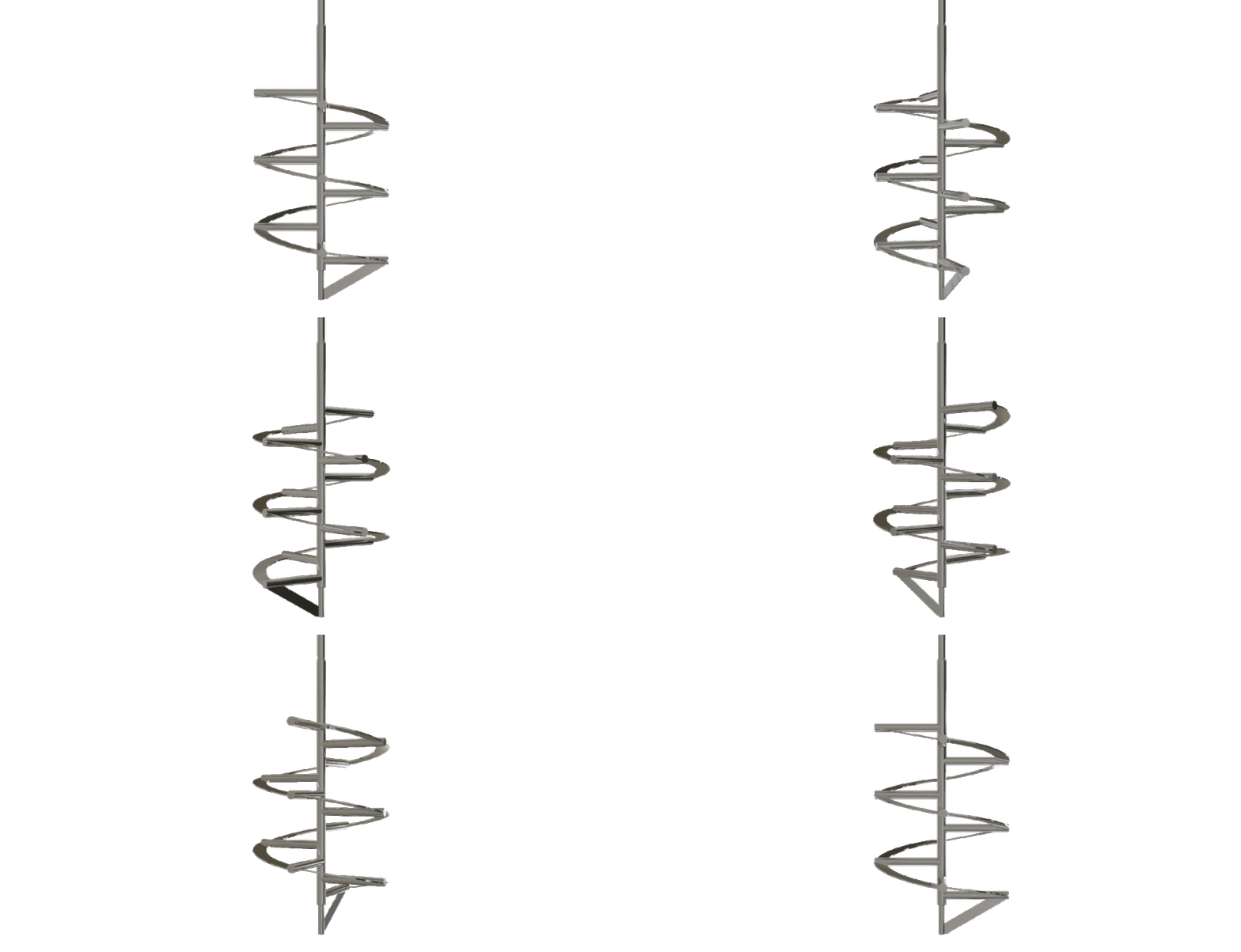
Ribbon Mixing Element
A Ribbon Mixing Element, commonly found in ribbon blenders, is a crucial component of industrial mixing equipment used for blending powders, granules, or other dry, solid materials. The ribbon mixing element consists of a helical or spiral-shaped structure, usually made of stainless steel, which is attached to a central shaft running along the length of the mixer’s trough.
As the shaft rotates, the ribbon mixing element moves the material inside the trough, lifting and folding it in a continuous, gentle manner. This process ensures that the various components of the mixture are thoroughly combined without causing significant particle size reduction or damage to the material. Ribbon mixers are widely used in various industries, including food processing, pharmaceuticals, chemicals, and plastics, for their efficient and gentle blending capabilities.
Industries & Applications
Jongia propeller mixing elements are widely used across various industries where efficient blending, suspension, and fluid movement are essential. Discover how our solutions perform in different process environments.
Frequently Asked Questions
What is a Ribbon Mixing Element?
A Ribbon Mixing Element is a key part of ribbon blenders used in industrial mixing, designed to blend powders, granules, or dry materials. It features a helical or spiral shape, usually made of stainless steel, attached to a central shaft that helps mix materials effectively.
How does a Ribbon Mixer function?
The Ribbon Mixer operates by rotating the central shaft, which moves materials inside the trough. The ribbon element gently lifts and folds the mixture, ensuring thorough blending without significantly reducing particle size or damaging the materials. This process is efficient for delicate materials.
In which industries are Ribbon Mixers used?
Ribbon Mixers are widely utilized across various industries including food processing, pharmaceuticals, chemicals, and plastics. Their efficient and gentle blending capabilities make them suitable for applications where maintaining the integrity of materials is crucial during mixing.
What materials are typically mixed using Ribbon Mixers?
Ribbon Mixers are designed to mix dry solid materials, including powders and granules. Common materials include flour, sugar, pharmaceuticals, chemical compounds, and plastics, where even blending without damage is essential to the final product quality.
What are the benefits of using a Ribbon Mixer?
The primary benefits of Ribbon Mixers are their efficiency and the gentle nature of their blending process. They ensure a uniform mix without substantial particle size reduction, making them ideal for a wide range of materials in various industrial applications.
Contact our specialized team for all your questions

Sales Director
Tom Pruymboom

Area Sales Manager
Teun van der Spek

Project Manager
Jan Siert Tjeerdsma
Related Articles
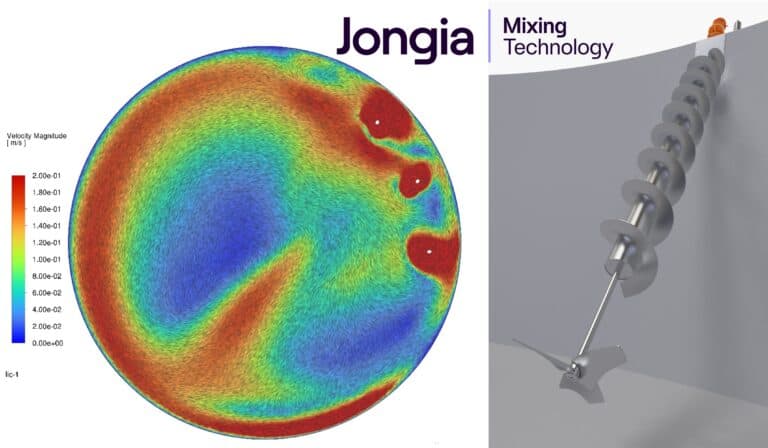
The Jongia Multiprop mixer: breaking floating layers in biogas tanks
Fibrous material builds up into a floating layer that traps biogas and slows liquid flow. The Jongia Multiprop mixer combines propulsion and crust-breaking in one unit to break it up, flush it away and keep the tank homogeneous.
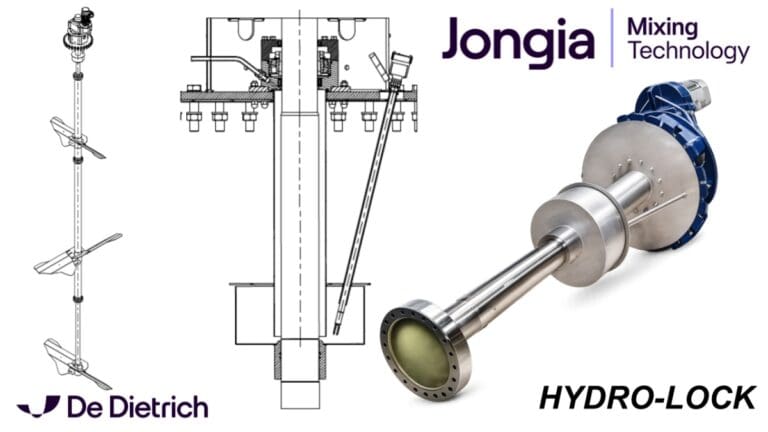
Next-level shaft sealing with water: Jongia introduces the upgraded Hydro-Lock
Biogas escaping from your digester means lost energy and a potential safety risk. That is why Jongia has developed a
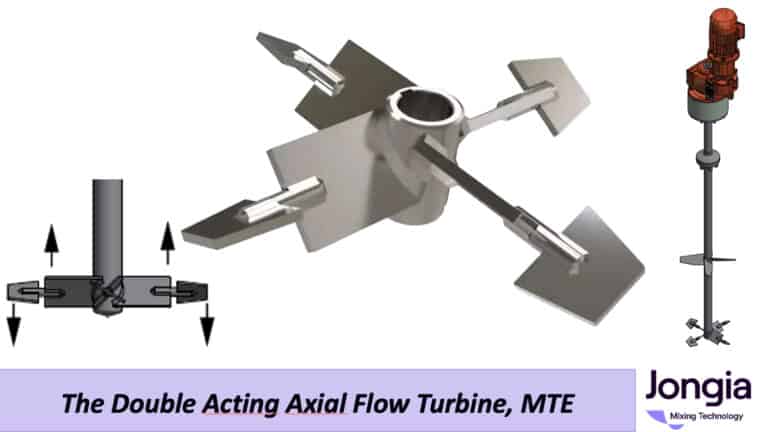
The Double Acting Axial Flow Turbine type AST-MTE mixing element
Operation of an AST-MTE Element Operation of an AST-MTE Element This element can be used in both CW (clockwise) and

High-Speed Disperser Technology: The Engineering Behind Effective Mixing
A Technical Guide by Jongia Mixing Technology Core Function High-speed dispersers excel at three critical tasks: Fracturing powder agglomerates into