


Biogas
There are generally 3 types of digester plant types: Farm based, Industrial based and Municipality WWTP based. Mechanical mixing generates the best process results with the lowest power consumption. Far better then using pumps or compressors!
Depending on technology provider a digester plant can consist of following mixed process steps:
- reception storage tank
- mix tank
- primary digester
- secondary digester
- digestate storage tank
Reception storage tank
Pumpable feedstock is received in tanks of 50 – 200 m3. Mostly products like separated and macerated organic food waste. The assumed viscosity of the mixture runs from 50-1000 cP. The purpose of the mixer is to keep it homogeneous or to mix several products . For this Jongia’s type L with hydrofoil elements is an excellent choice. With its high efficiency and axial generated flow the process result will be reached with low power need and steady operation. The mixer type L is designed with a bottom steady bearing or a heavy duty bearing arrangement to absorb the powers created during the mixing process.
Mix tank
Several different feedstock need to be mixed into a homogeneous feedstock to the digester. This mix is important to be homogeneous for a steady and controlled feed to the digester. Examples are food waste, macerated agricultural waste, manure and others. Let’s take cream as an example. The heavy duty top entry mixer type LB is fit for this step of the process.
Mixing elements for biogas Industry
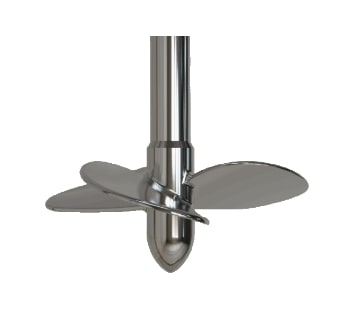
High-Efficiency Propeller for Biogas Mixing
The Propeller is a fundamental biogas mixer used to prevent sedimentation in anaerobic digesters. Its axial flow keeps solids in suspension, ensuring consistent gas production. Efficiently handling thin to medium substrates at low energy consumption, it eliminates dead zones and optimizes the biological process in both small and multi-stage reactors.
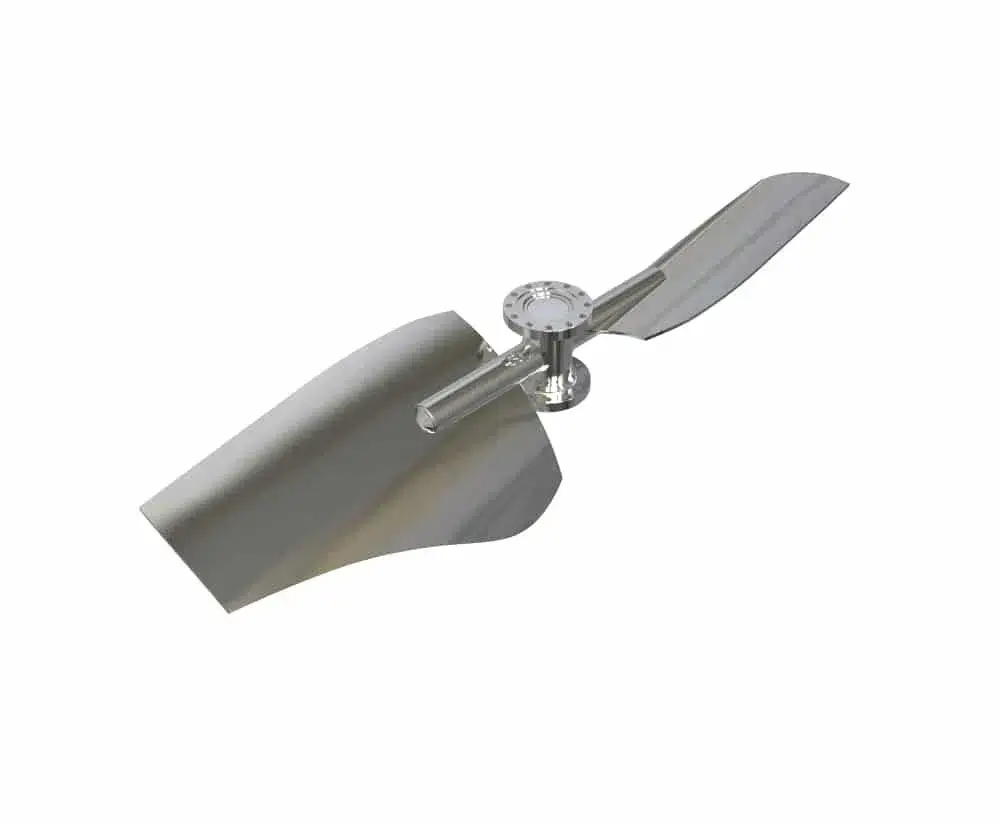
Energy-Saving Hydroprop for Biogas Plants
Engineered for large-scale biogas facilities, the Hydroprop prioritizes energy efficiency. This high-efficiency axial flow impeller provides maximum pumping capacity with minimal power input, lowering operational costs. Its streamlined design is perfect for moving massive biomass volumes, ensuring uniform temperature and nutrient distribution to maximize methane output in large digesters.
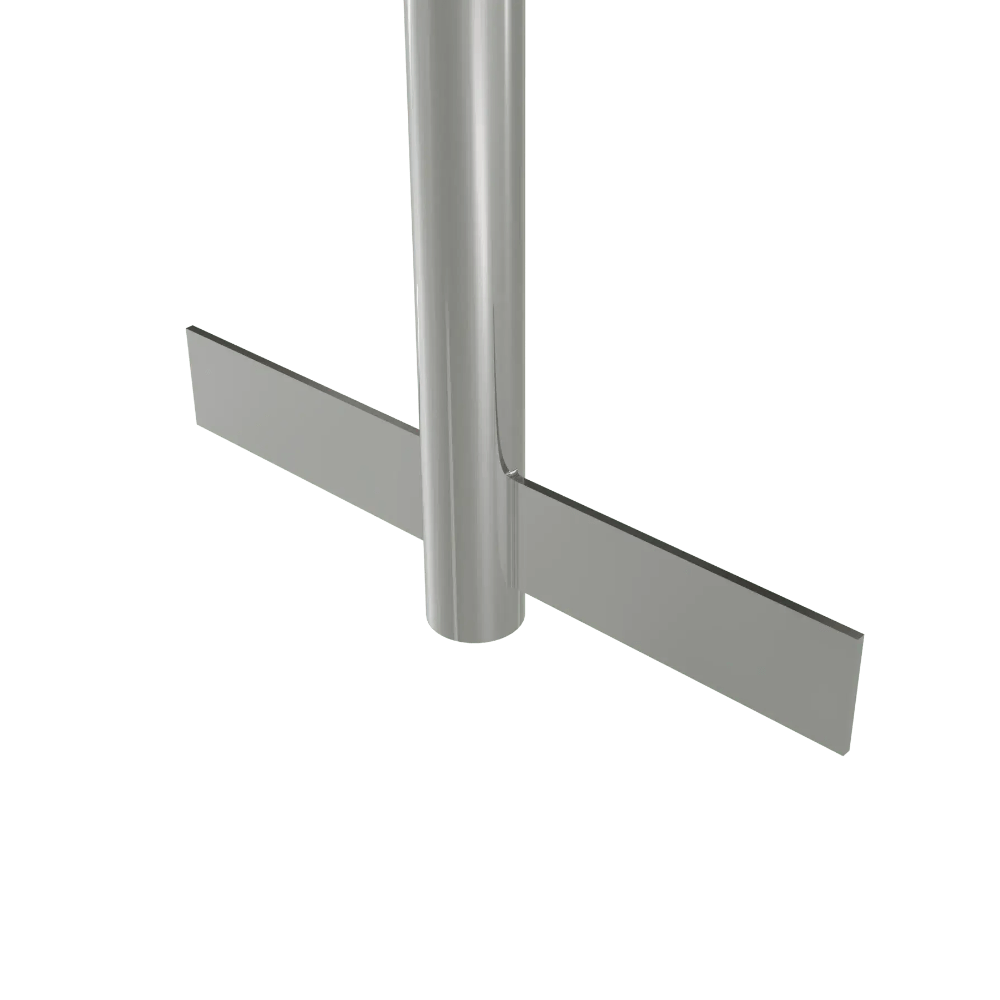
Robust Flatblade Turbine for Biogas Dispersion
The Flatblade turbine is built for demanding biogas production phases, excelling at breaking down organic clusters and ensuring thorough gas-liquid dispersion. Ideal for fiber-rich or thick substrates, it provides the necessary shear to homogenize mixtures in primary digesters, perfectly preparing feedstock for optimal fermentation and efficient gas release.
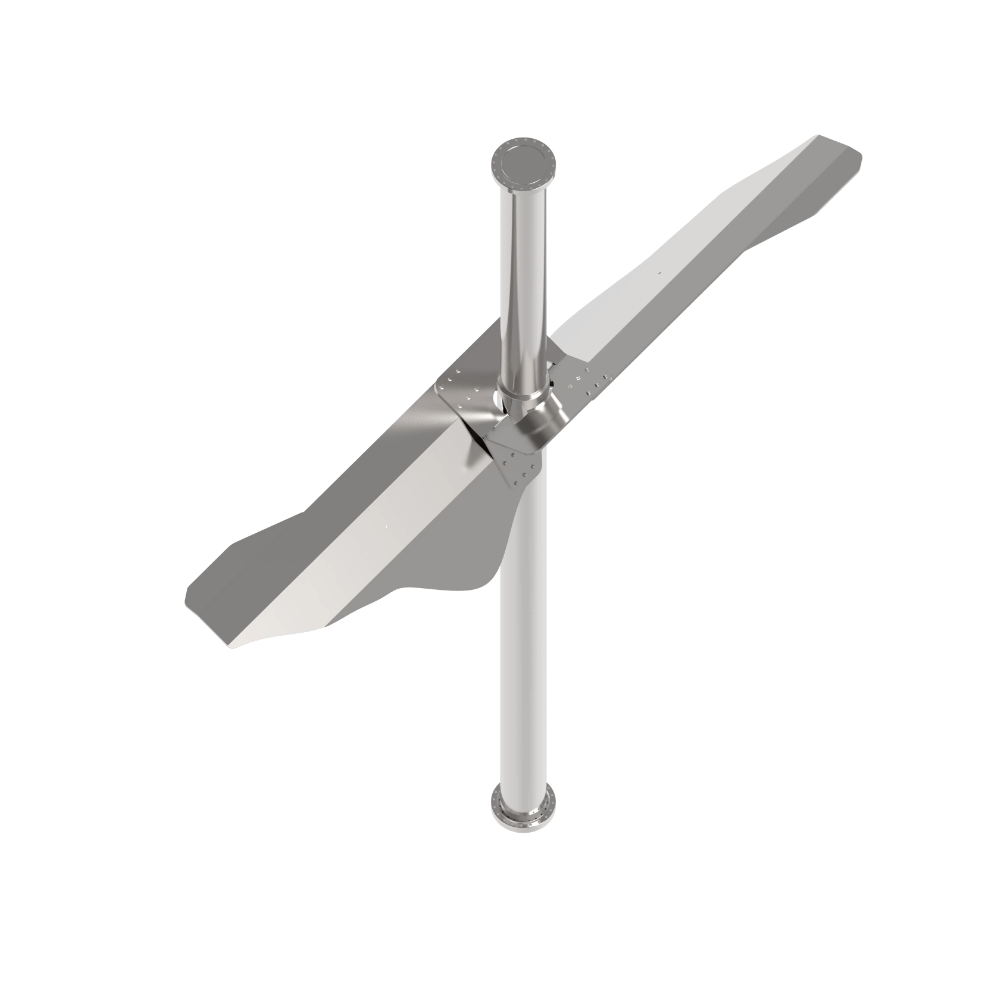
Advanced Biofoil for Gentle Biogas Agitation
The Biofoil is a high-performance biogas mixer designed for delicate biological cultures. It generates massive flow with very low shear forces, protecting methanogenic bacteria while ensuring a perfectly mixed substrate. It is the ideal choice for balancing high turnover rates with gentle agitation to maintain peak gas production levels.
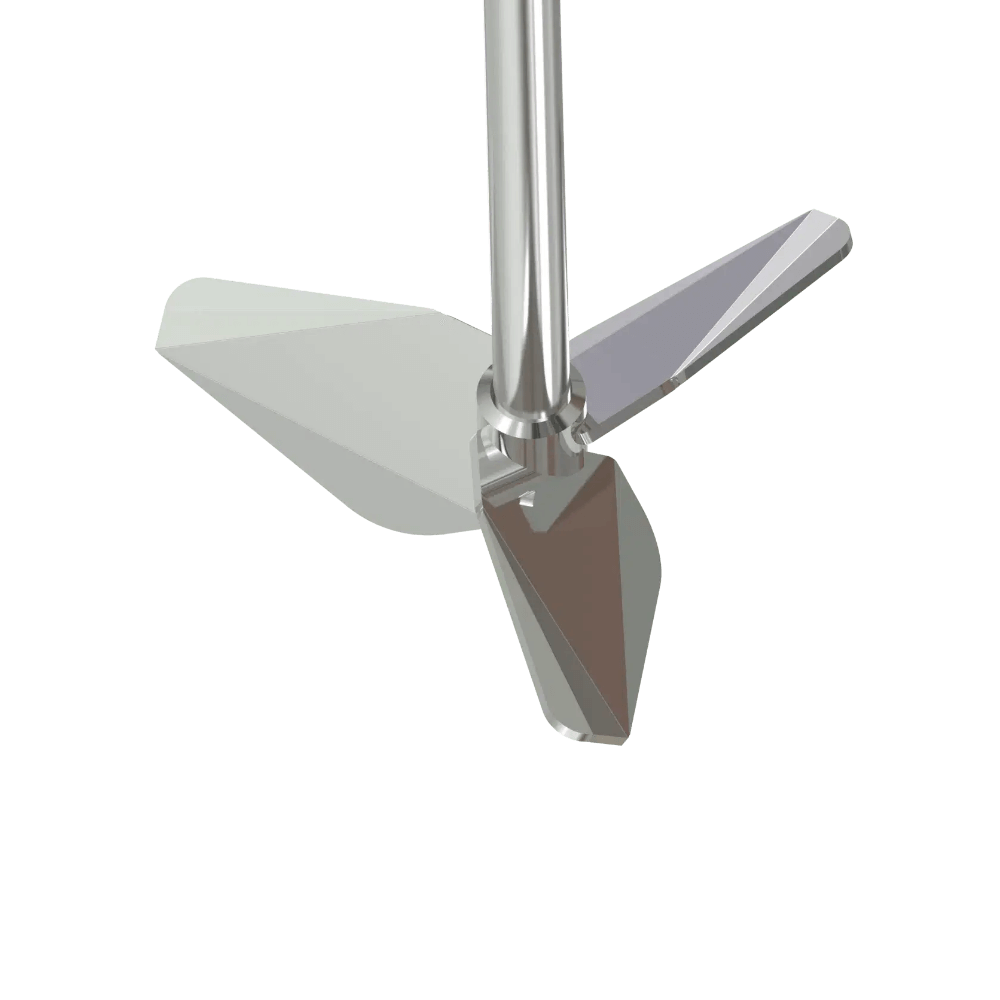
High-Flow Hydrofoil for Biogas Homogenization
A powerhouse for biogas homogenization, the Hydrofoil creates high-volume axial flow essential for large-scale reactors. Its sophisticated blade profile converts power into fluid motion with minimal turbulence, preventing thermal stratification. By maintaining constant tank turnover, it ensures even nutrient distribution for a stable and efficient fermentation process.
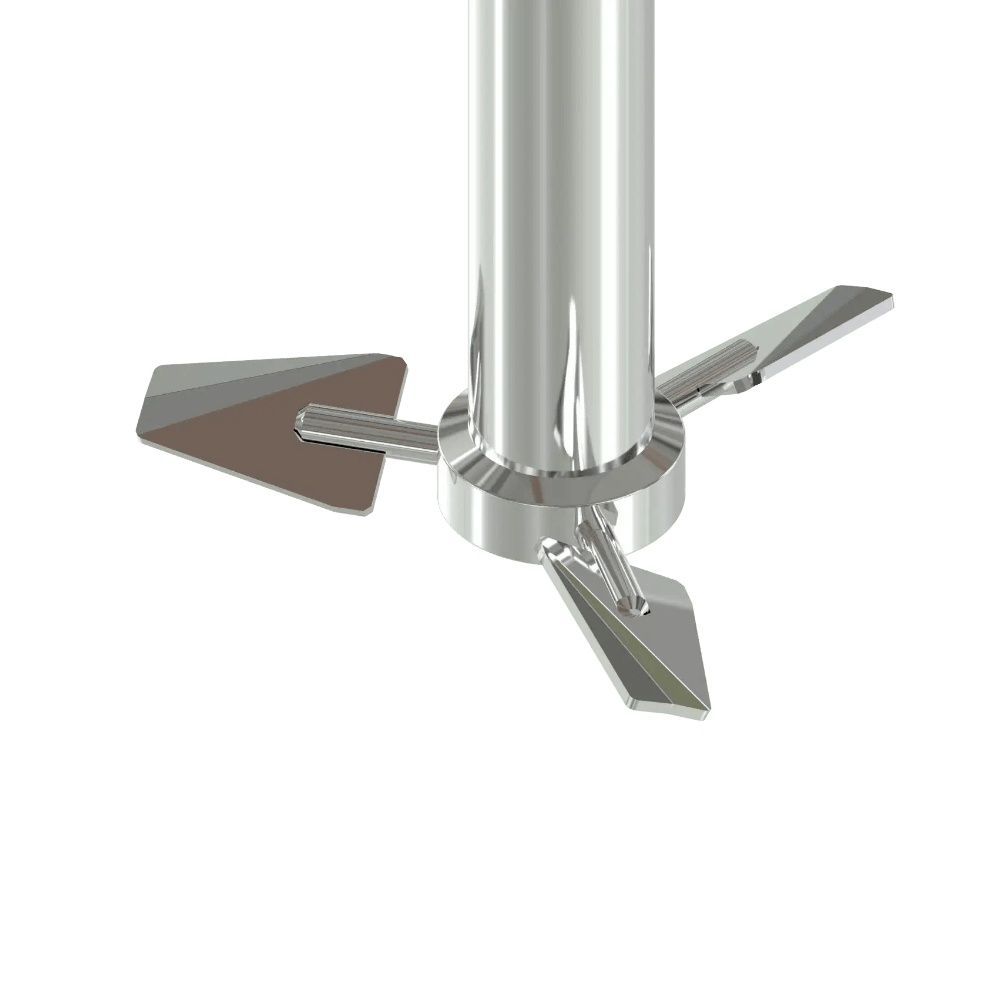
Hydrofoil Pin Mixer for Heavy Biogas Substrates
Reinforced for challenging environments, the Hydrofoil Pin handles biogas substrates with high dry-matter or long fibers. The “Pin” design adds structural integrity for high-viscosity zones, preventing impeller damage. It is an indispensable tool for processing heavy agricultural waste or manure where consistent performance under heavy mechanical loads is required.
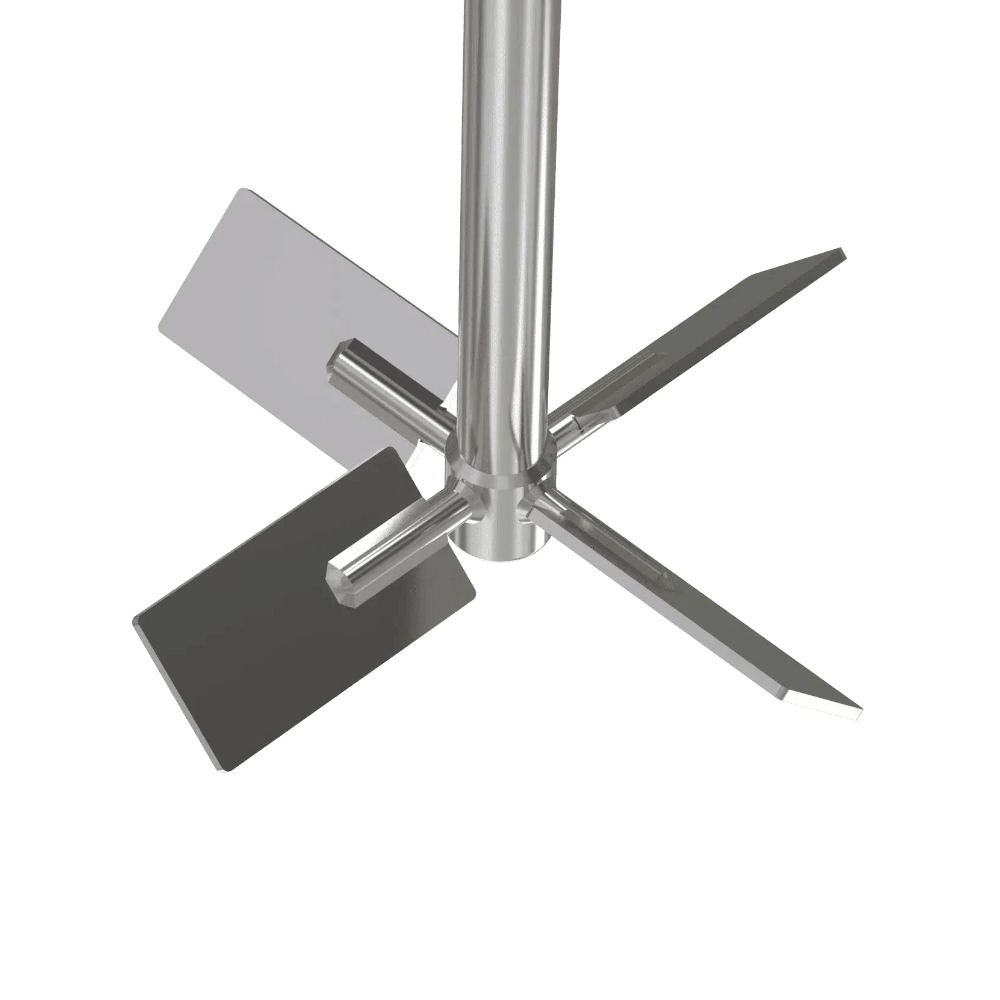
Axial Flow Turbine for Universal Biogas Mixing
This versatile all-rounder for the biogas industry ensures uniform heat and nutrient distribution. By generating strong axial flow, it prevents “hot spots” that inhibit bacterial activity. Its reliable, cost-effective design makes it suitable for various applications, from pre-treatment tanks to secondary digesters, handling a wide range of substrate types.
Heavy-Duty Welded Axial Flow Turbine for Biogas
Built for maximum durability, the Welded Axial Flow Turbine features a smooth profile that resists material buildup. By eliminating bolted connections, it simplifies maintenance and offers long-term reliability in corrosive biogas environments. It is the preferred choice for large-scale industrial projects requiring long service intervals and high mechanical integrity.
Axial Flow Turbine Pin for Fiber-Rich Biogas
Specifically adapted for fiber-rich biogas processes, this turbine features reinforced “Pins” to cut through thick crusts. It prevents long fibers from wrapping around the impeller, ensuring efficiency even with varying substrate quality. It is particularly effective at preventing floating scum layers that can hinder overall plant efficiency.
Energy Applications
Primary and secondary digester
In the digester there must be a homogeneous content off organics, pH, temperature and bacteria with no stagnant zones. Drymatter content in the digester of up to 15% is no problem. For industrial and municipality type of biogas plants with high tanks from 1.000 to 10.000 m3 the special slow running top entry mixer type LBW with large hydrofoil propellers is the best solution. This design prevents a floating layer and generates an excellent top over bottom bulk flow through the hole tank. Due to this Jongia mixers enhances excellent biogas production efficiency and extraction.
To prevent clogging of the mixer and trouble free operation, temporary running anti clockwise will prevent this. Especially when feeding long fibrous material like grass, straw or plastic from organic food waste.
For farm based biogas plants with low concrete tanks from 1.000 to 5.000 m3 Jongia provides type JRWM side entry agitators which have large hydrofoil propellers for big thrust and low power. Combined with vertical paddle mixers to prevent floating layer this solution generates optimal process results.
Digestate storage tank
Our type JRWM side entry agitators which have large hydrofoil propellers for big thrust and low power are best suitable and are providing a good homogeneous fertilizing end product.
Some references:
HoSt, Omrin, Waterleau, Shanks, Orgaworld, Hydrothane, Adverio, Aben Recycling, van de Groep, Croda, GMB, Waterschap Roer en Overmaas.
Frequently Asked Questions
What are the main types of digester plants?
There are three main types of digester plants: farm-based, industrial-based, and municipality wastewater treatment plant (WWTP) based. Each type has distinct needs and operational requirements tailored to its specific environment.
How does mechanical mixing contribute to the process?
Mechanical mixing is essential as it generates the best process outcomes with the lowest power consumption. It outperforms traditional methods like pumps or compressors, making it an efficient choice for biogas production.
What does a typical digester plant consist of?
A typical digester plant usually includes a reception storage tank, mix tank, primary digester, secondary digester, and digestate storage tank. The specific setup may vary depending on the technology provider.
Why is it important to maintain a homogeneous mixture in the digester?
A homogeneous mixture is crucial in the digester to ensure a consistent composition of organics, pH, temperature, and bacteria. This prevents stagnant zones and enhances biogas production efficiency, leading to improved extraction.
What type of mixer is recommended for digestate storage tanks?
For digestate storage tanks, the type JRWM side entry agitators, designed with large hydrofoil propellers, are recommended. They provide significant thrust and low power use, ensuring a well-mixed and homogeneous fertilizing end product.
Energy - Contacts

Sales Director
Tom Pruymboom

Project Manager
Jan Siert Tjeerdsma
Energy - Related Articles
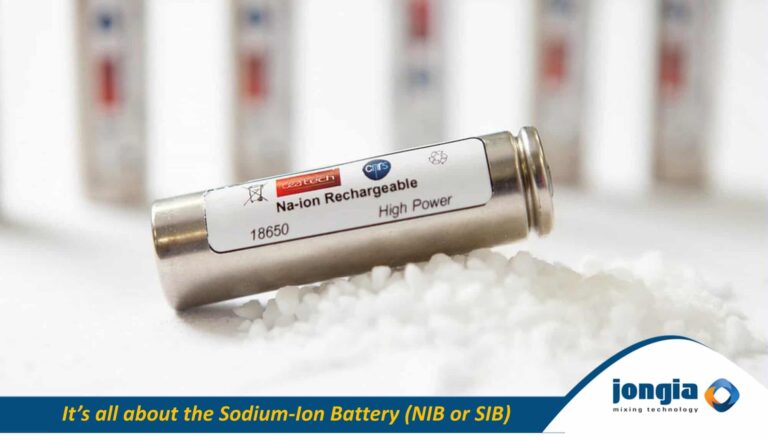
Is Sodium-Ion the next generation sustainable Battery?
The sodium-ion battery (NIB or SIB) is a type of rechargeable battery that uses sodium ions (Na+) as its charge carriers. Its working principle and cell construction are almost identical with those of lithium-ion battery (LIB) types, but replace lithium with sodium.
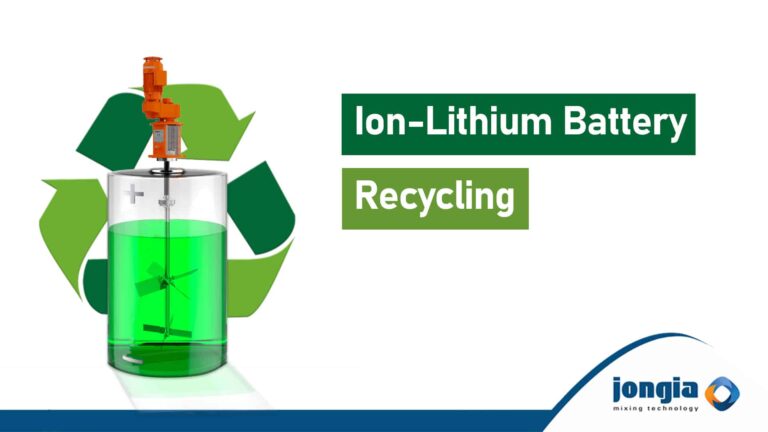
What is the recycling process for lithium
Current commercial lithium ion batteries mainly contain transition metal oxides or phosphates, aluminum, copper, graphite, organic electrolytes containing harmful lithium
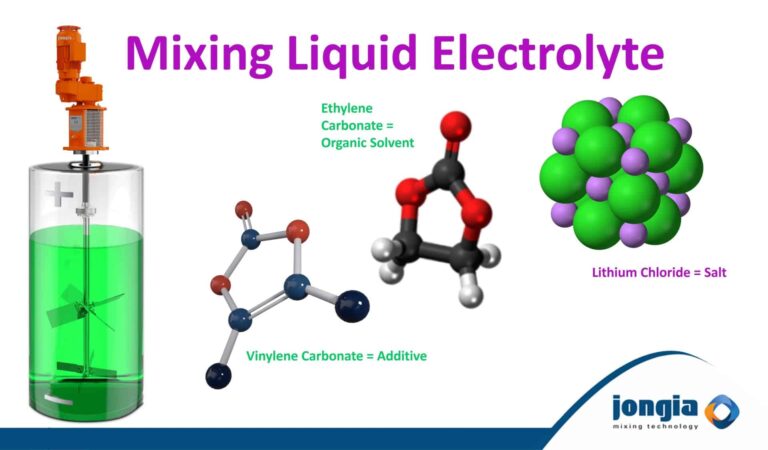
Mixing Electrolyte for Ion-Lithium Batteries
Electrolyte as basis for Ion-Lithium Batteries plays a key role in transporting the positive lithium ions between the cathode and
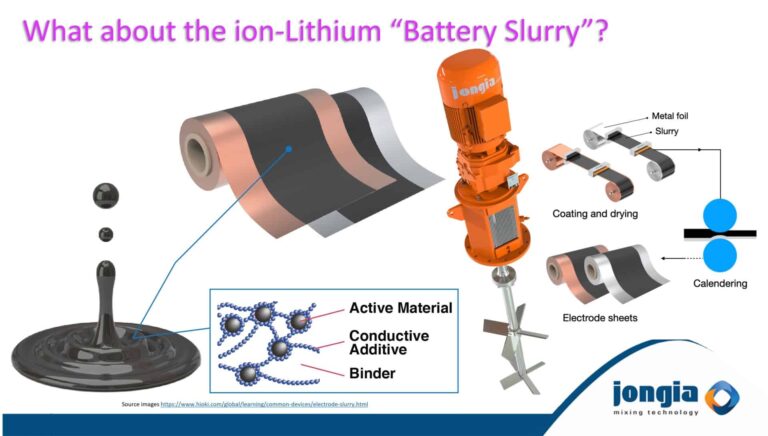
Mixing the correct Ion-Lithium Battery Slurry is a real challenge!
Lithium-based battery technologies for electric vehicles use lithium-ions as the charge carrier. Depending on the application’s technical requirements, lithium is