



Concave Turbine Mixing Element
The shape of the Concave turbine enabled fluids and gasses to be mixed together, dispersed without the mixing element becoming unstable. This is due to the fact that is has a radial flow and is self-balancing. The “Channels” of this mixing element ensure that the gas flow is equally dispersed in the vessel.
The flow is discharged radially outward to the vessel wall with half the flow directed upward, and half the flow directed downward.
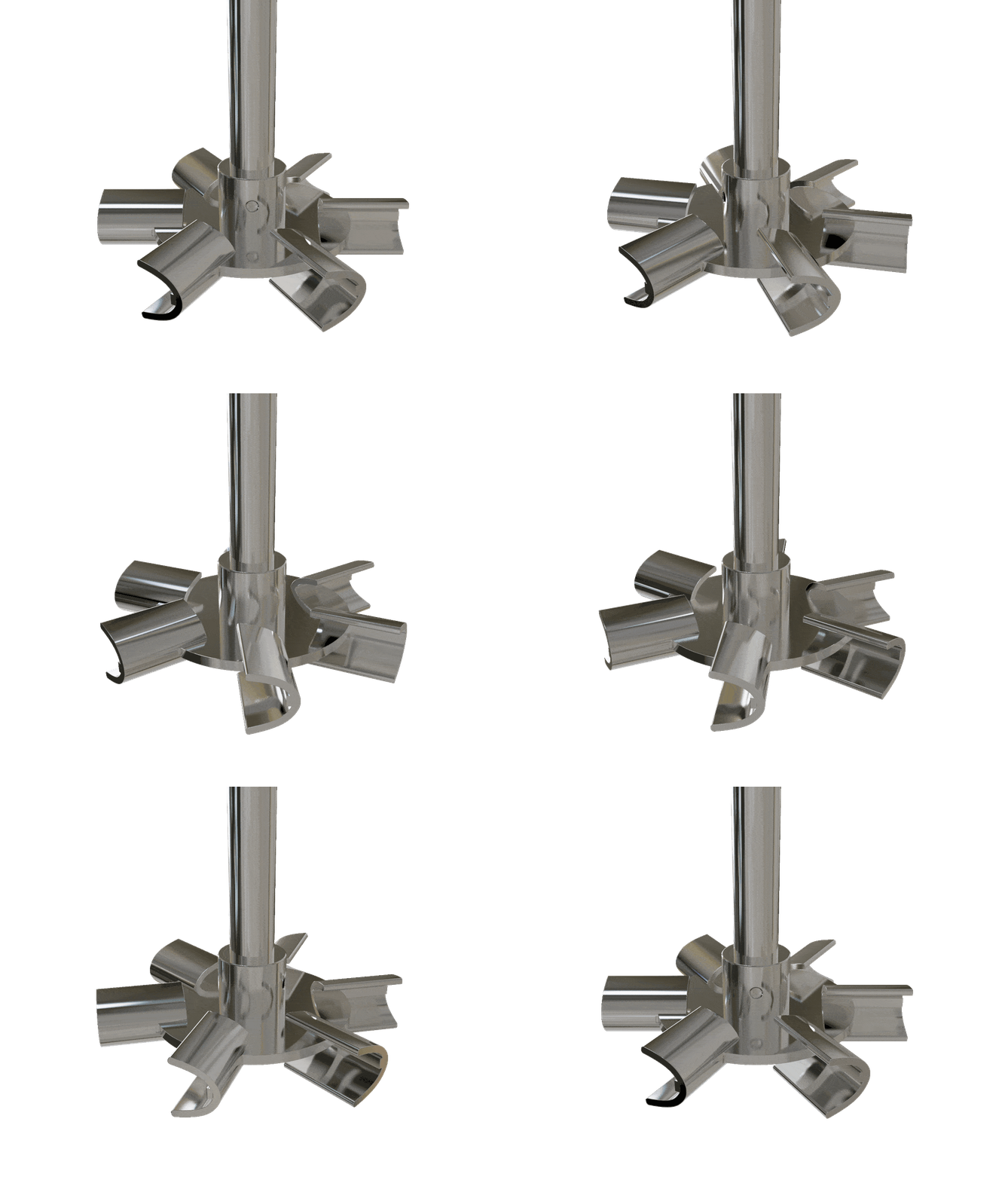
Rushton vs Concave Turbine
In this tutorial, one of our experts in mixing technology will guide you step by step through the features and benefits of both mixing elements.
Industries & Applications
Jongia propeller mixing elements are widely used across various industries where efficient blending, suspension, and fluid movement are essential. Discover how our solutions perform in different process environments.
Frequently Asked Questions
What is the shape of the Concave turbine mixing element?
The Concave turbine mixing element features a unique concave shape that effectively enables the mixing and dispersion of fluids and gases without becoming unstable. This design leads to radial flow and self-balancing properties that enhance mixing efficiency.
How does the mixing element ensure gas flow dispersion?
The mixing element has specially designed “Channels” that facilitate equal dispersion of gas flow within the vessel. This ensures that the gas is distributed uniformly, optimizing the mixing process and improving overall reaction efficiency.
What direction does the flow get discharged in the Concave turbine?
The flow from the Concave turbine is discharged radially outward towards the vessel wall. It is designed to direct half of the flow upward and the other half downward, which promotes effective mixing in the vessel.
What are the main benefits of using the Concave turbine?
The main benefits include enhanced mixing stability due to its self-balancing nature, efficient gas dispersion, and the ability to mix fluids and gases effectively without compromising element stability. This leads to improved performance in various applications.
Where can I find a visual representation of the Concave turbine?
A visual representation of the Concave turbine can be found in a 3D render. The interactive model offers an engaging way to understand its design and functionality, showcasing its unique features and flow characteristics.
Contact our specialized team for all your questions

Sales Director
Tom Pruymboom

Area Sales Manager
Teun van der Spek

Project Manager
Jan Siert Tjeerdsma
Concave Turbine Articles
Tutorial: Rushton Turbine vs Concave Turbine
We are happy to announce on behalf of Jongia Mixing Technology that we have just launched a new tutorial on
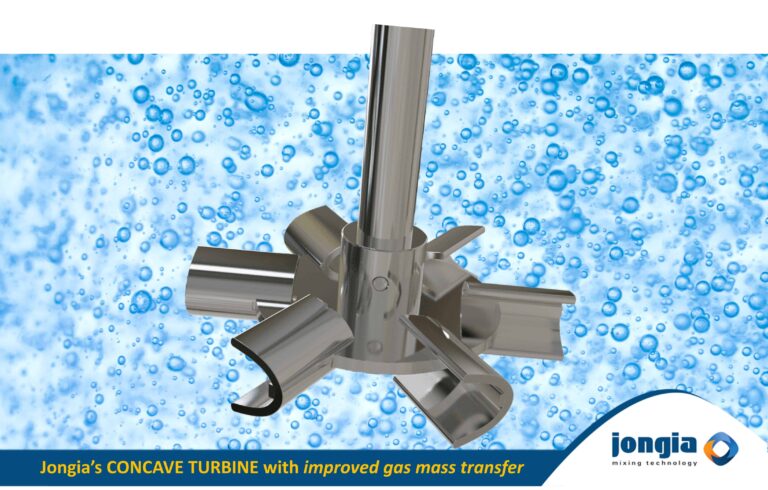
Concave Turbine with improved stability and performance
Concave turbines are often called “the next generation” turbines as they significantly perform better compared to conventional “Rushton” turbines. However,