



Biodiesel
Biodiesel is a renewable and biodegradable alternative fuel, produced from a blend of modified vegetable oil and conventional diesel, and it offers a significantly more environmentally friendly solution compared to traditional fossil fuels due to its lower emissions and sustainable origin.
Biodiesel usage
Biodiesel is rarely used in its pure form. Currently, you see very much biodiesel based on regular diesel. In America, many vehicles use B20 diesel, which is diesel that contains between 6-20% of biodiesel with the rest being regular diesel. Biodiesel is good for the introduction of sustainable fuel, by using vegetable oil, among other things, it makes the fuel sustainable.
The production cost of biodiesel is about the same as petroleum. Government incentives have helped keep market prices competitive. Federal standards for low-sulfur diesel have also boosted biodiesel.
Biodiesel market trends
The global biodiesel market in 2024 is generally estimated in the low‑ to mid‑40‑billion‑dollar range, with most recent syndicated studies clustering around 41–46 billion USD and forecasting continued growth. Increasing demand for biodiesel to replace traditional fossil fuels in power generation and automotive applications is expected to drive market growth. This is due to stricter regulations on regular diesel.
Because biodiesel contains over a lot of renewable resources and the use of biodiesel is very popular we also suspect that the market will only continue to grow.
There is a lot of demand for biodiesel in the auto industry this is because biodiesel emits less greenhouse gases given the climate developments so this is a very good outcome.
In March 2017, soybean oil was the largest feedstock for biodiesel production. This accounted for 360 million pounds of the total 857 million pounds of feedstock, followed by corn oil and canola oil. Developing countries such as India, China, Brazil and some EU countries, plan to replace 10 – 20% of total fossil fuels with biodiesel used in the transportation sector.
Mixing elements for biodiesel Industry
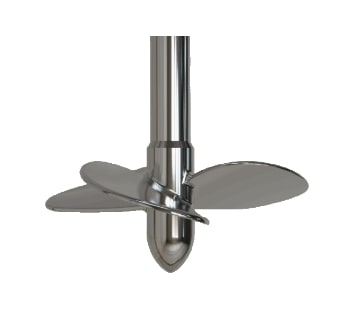
Efficient Propeller Mixer for Biodiesel Processing
In biodiesel production, the Propeller is used for the rapid mixing of oils and catalysts. Its high-speed axial flow ensures a fast chemical reaction and prevents the separation of phases. This energy-efficient element is key to achieving a high-quality fuel output through consistent and thorough blending.
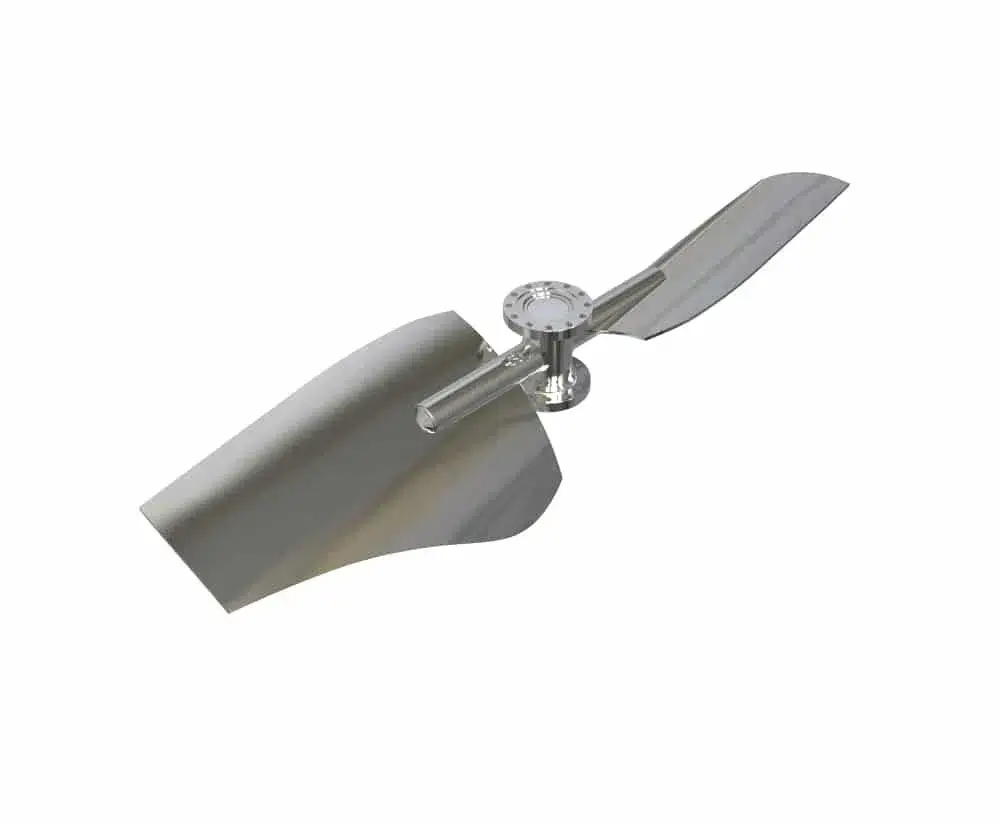
High-Capacity Hydroprop for Biodiesel Production
The Hydroprop is ideal for biodiesel facilities requiring large-scale liquid movement. It provides excellent pumping capacity to ensure complete homogenization of the feedstock and chemicals. Its energy-saving design reduces the carbon footprint of the production process while maintaining the high turnover rates needed for efficient transesterification.

Hydrofoil Mixer for Large-Scale Biodiesel Tanks
A powerhouse for biodiesel homogenization, the Hydrofoil creates the high-volume axial flow essential for large reaction vessels. Its sophisticated design converts power into fluid motion with minimal turbulence, preventing stratification. By maintaining constant tank turnover, it ensures a stable and efficient chemical process throughout the production cycle.
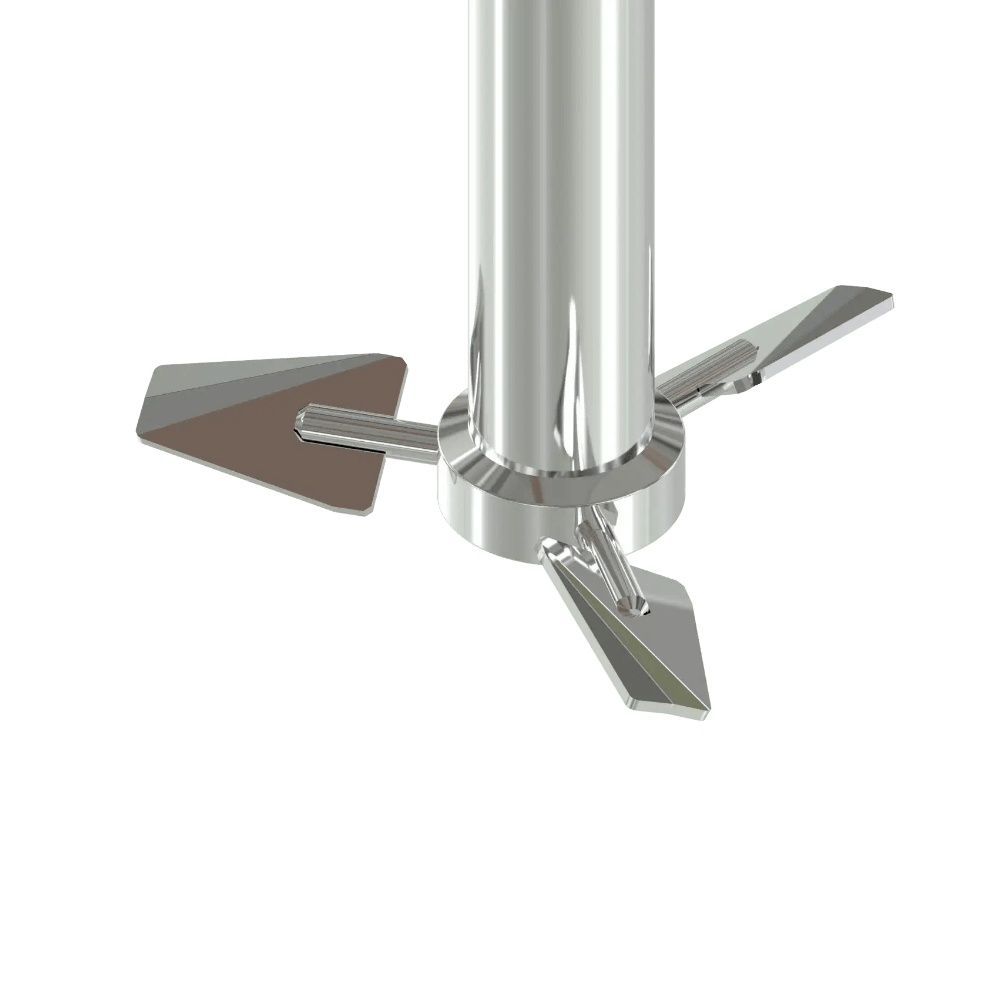
Reinforced Hydrofoil Pin for Biodiesel Feedstock
Designed for biodiesel processes with heavy or impure feedstocks, the Hydrofoil Pin offers superior structural strength. It ensures continuous mixing in high-viscosity zones where standard impellers might struggle. This element provides the reliability needed for 24/7 industrial biofuel production under challenging mechanical conditions.
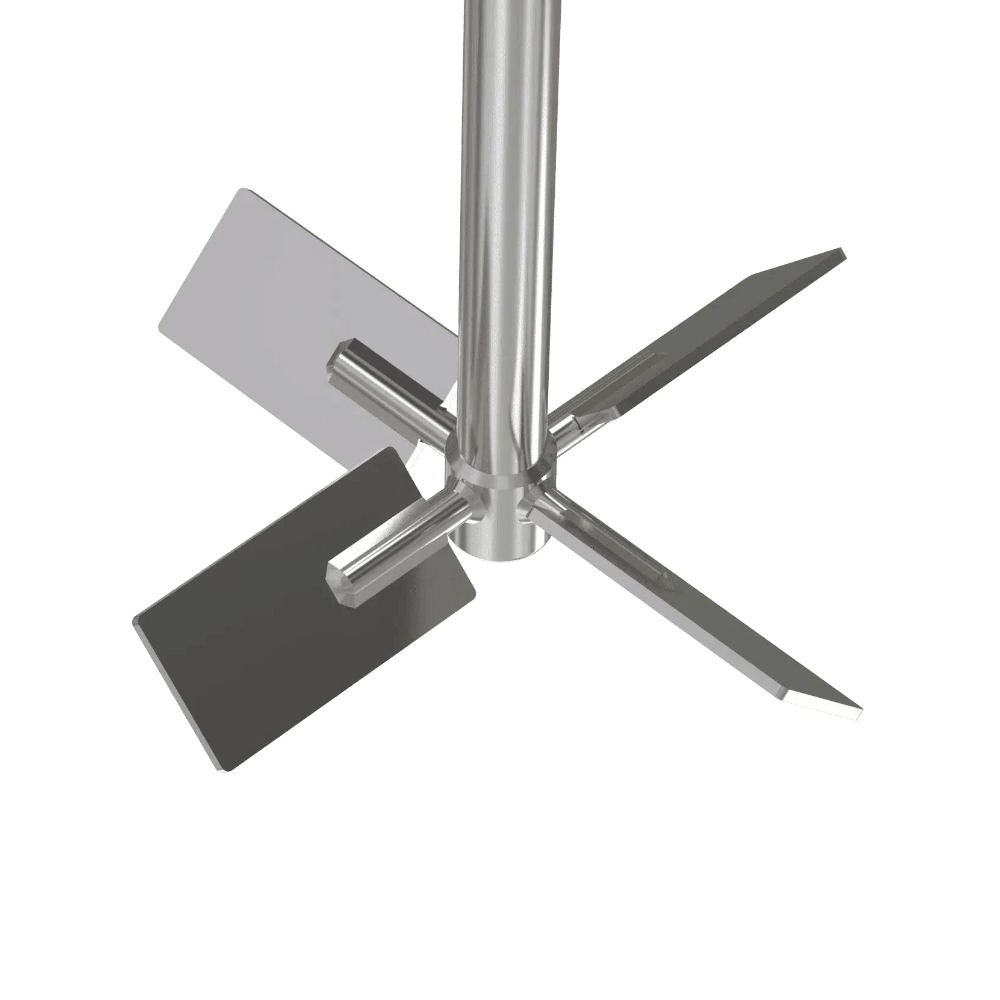
Reliable Axial Flow Turbine for Biodiesel Reactors
The Axial Flow Turbine is a versatile solution for maintaining uniform conditions in biodiesel reaction vessels. It ensures that heat and catalysts are distributed evenly, which is vital for high conversion rates. Its robust design and effective axial flow make it a staple for many biodiesel processing plants.
Durable Welded Axial Flow Turbine for Biodiesel
This welded turbine version is built for longevity in biodiesel environments where chemical resistance and mechanical strength are paramount. The smooth, bolt-free design minimizes material accumulation and simplifies maintenance. It is an ideal choice for large-scale biodiesel reactors requiring a reliable, heavy-duty mixing solution.
Pin-Reinforced Turbine for Biodiesel Processing
Specifically adapted for biodiesel feedstocks with high solids content, this turbine features reinforced pins to cut through dense material. It prevents phase separation and maintains a clean mixing environment by ensuring constant agitation. This robust element is essential for handling variable feedstock quality without compromising on efficiency.
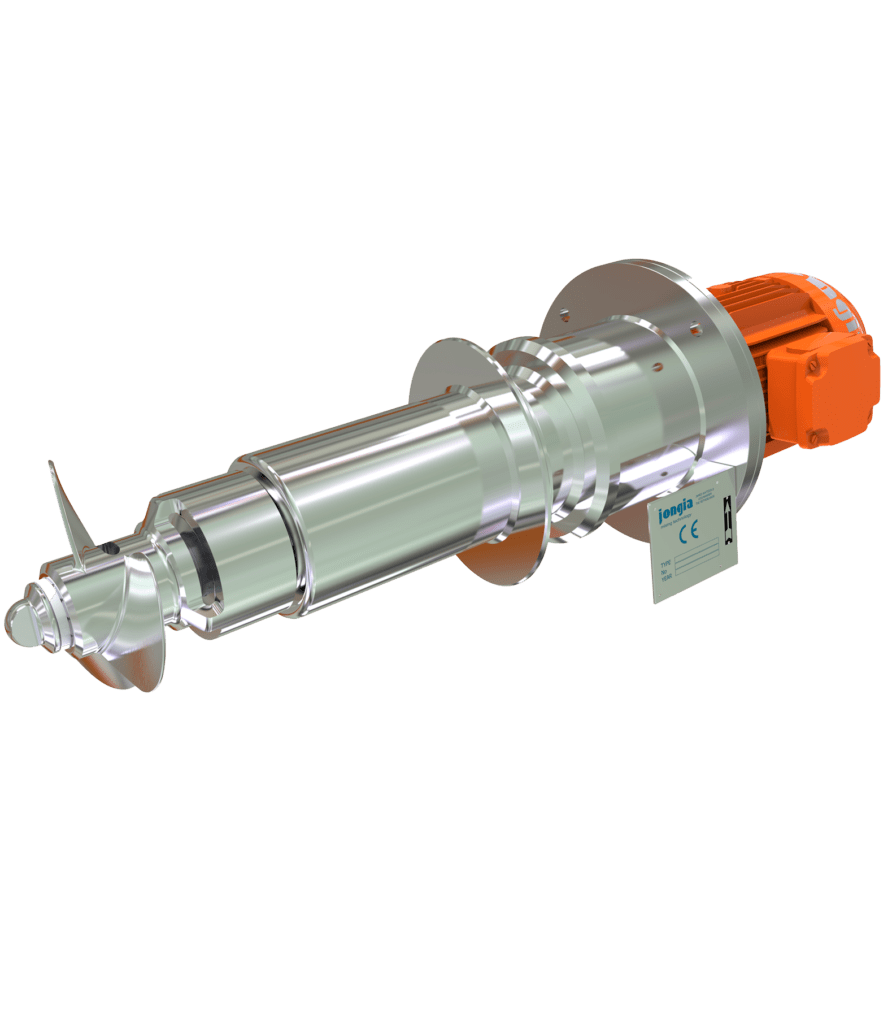
Hermetic Magnetic Mixer for Hazardous Biodiesel Chemicals
The Magnetic Mixer offers a completely sealed mixing process, ideal for handling the corrosive or volatile chemicals used in biodiesel production. By eliminating mechanical seals, it prevents leaks and ensures a high level of safety and purity. It is the ultimate choice for hazardous environments where zero-leakage is mandatory.
Bio-based & Enviromental Applications
Frequently Asked Questions
What is biodiesel?
Biodiesel is a renewable and biodegradable alternative fuel made from modified vegetable oil and diesel fuel. It is considered environmentally friendly compared to regular fuels.
How is biodiesel commonly used?
Biodiesel is seldom used in its pure form. It is often mixed with regular diesel, such as B20, containing 6-20% biodiesel. This encourages the use of sustainable fuel.
What are the production costs of biodiesel?
The production cost of biodiesel is comparable to that of petroleum. Government incentives have helped keep prices competitive, while federal standards for low-sulfur diesel have encouraged its use.
How is the biodiesel market expected to grow?
The global biodiesel market, valued at USD 32.09 billion in 2021, is anticipated to grow at a 10.0% annual rate until 2030. This is driven by demand for biodiesel in power generation and automotive applications.
What feedstocks are used for biodiesel production?
As of March 2017, soybean oil was the primary feedstock, contributing 360 million pounds. Other sources include corn oil and canola oil, with developing countries aiming to replace 10-20% of fossil fuels with biodiesel in transportation.
Contact our specialized team for all your questions

Sales Director
Tom Pruymboom

Project Manager
Jan Siert Tjeerdsma
Bio-based & Environmental - Related Articles
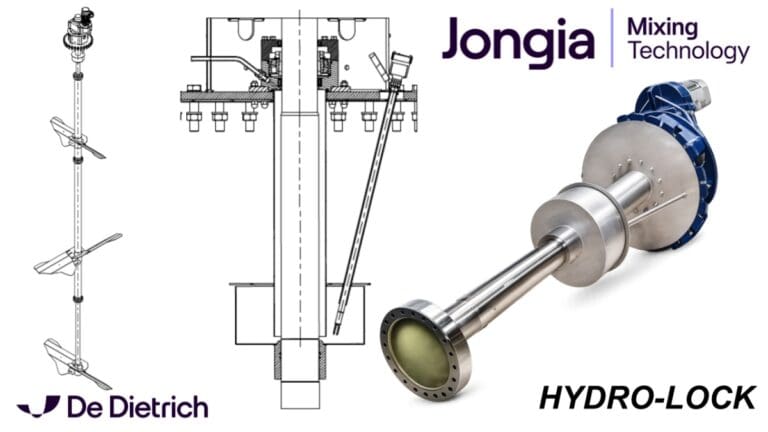
Next-level shaft sealing with water: Jongia introduces the upgraded Hydro-Lock
Biogas escaping from your digester means lost energy and a potential safety risk. That is why Jongia has developed a

Artificial Intelligence and Machine Learning are Moving Up into Mixing Technology
In the ever-evolving landscape of industrial technology, artificial intelligence (AI) and machine learning (ML) are making significant strides in various
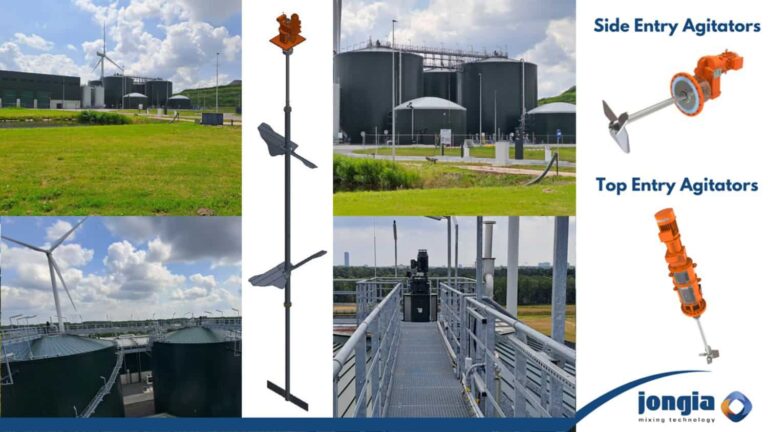
Jongia Mixing Technology‘s Biogas Production program
Optimizing Biogas Production with Jongia’s Innovative Technology Jongia is leading the way in improving biogas production with its advanced mixing
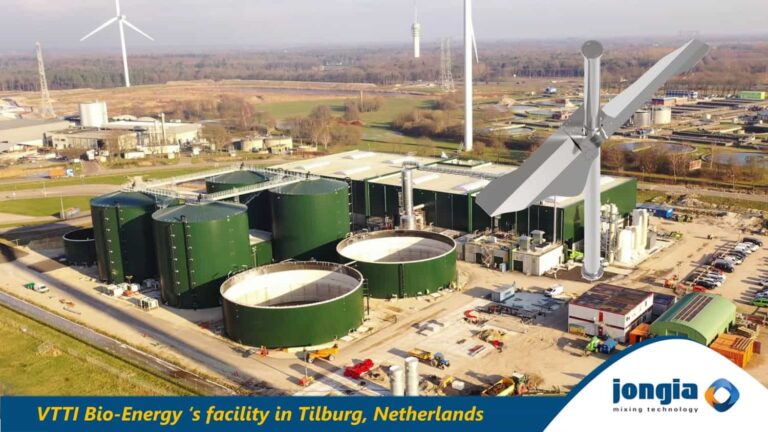
VVTI Biogas Tilburg
VTTI Biogas Tilburg is developing a new bio-energy facility, focusing on processing organic waste. The plant is expected to produce