Jongia agitator lifted out at WWTP Venlo while mixing continued
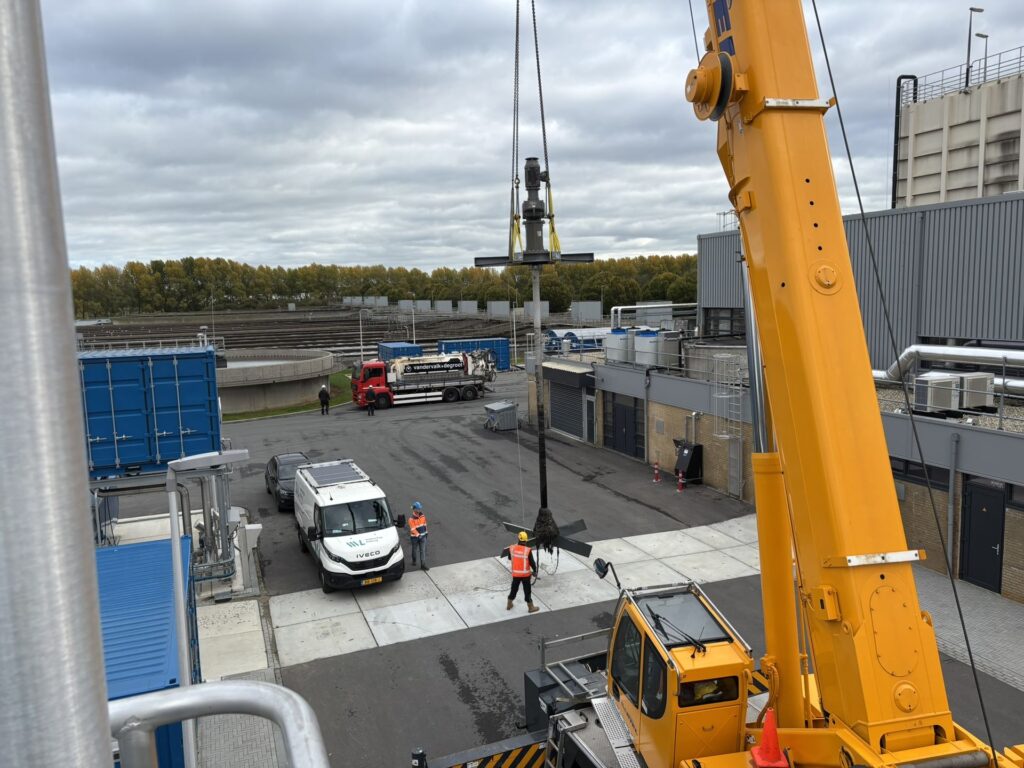
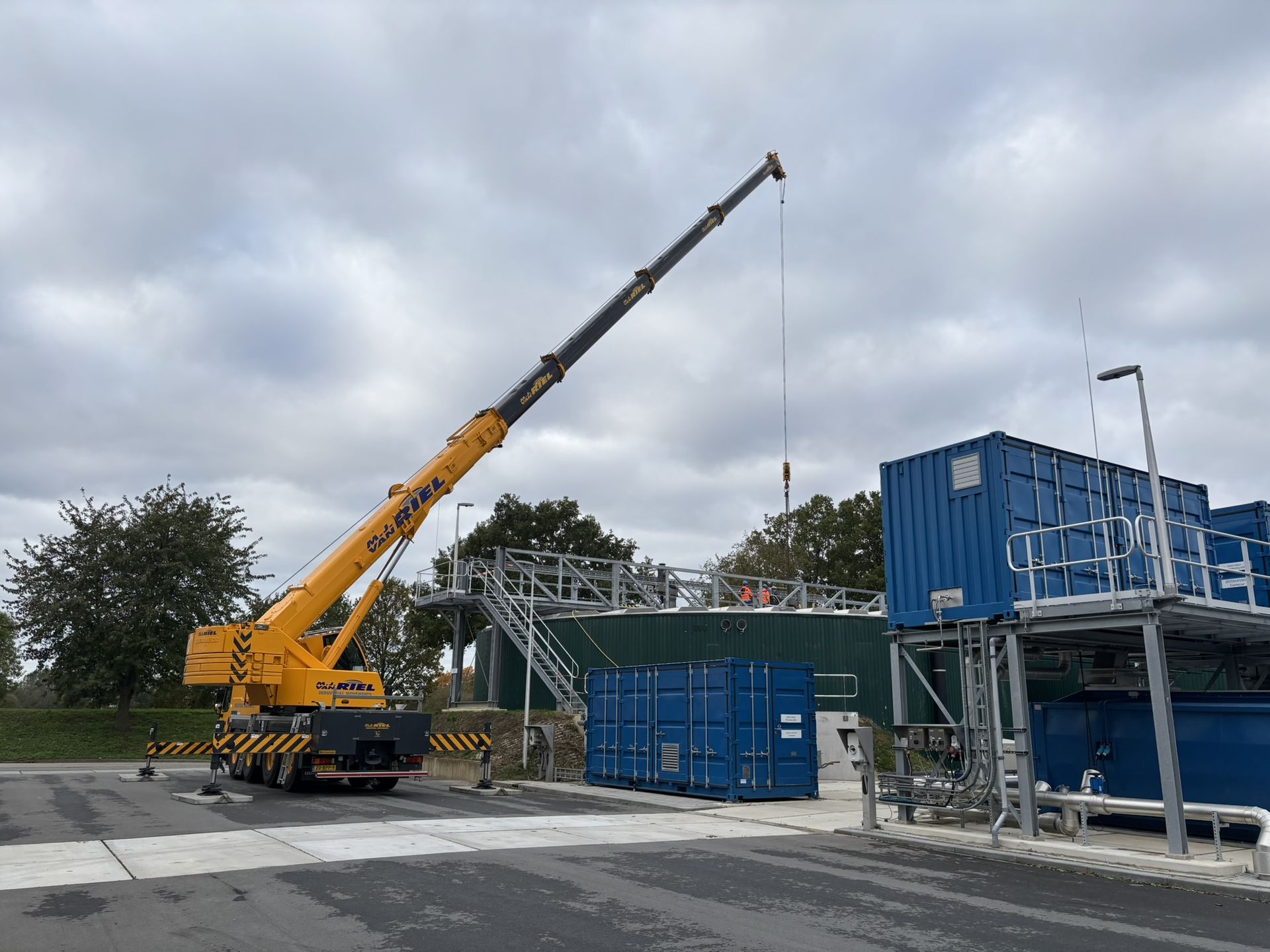
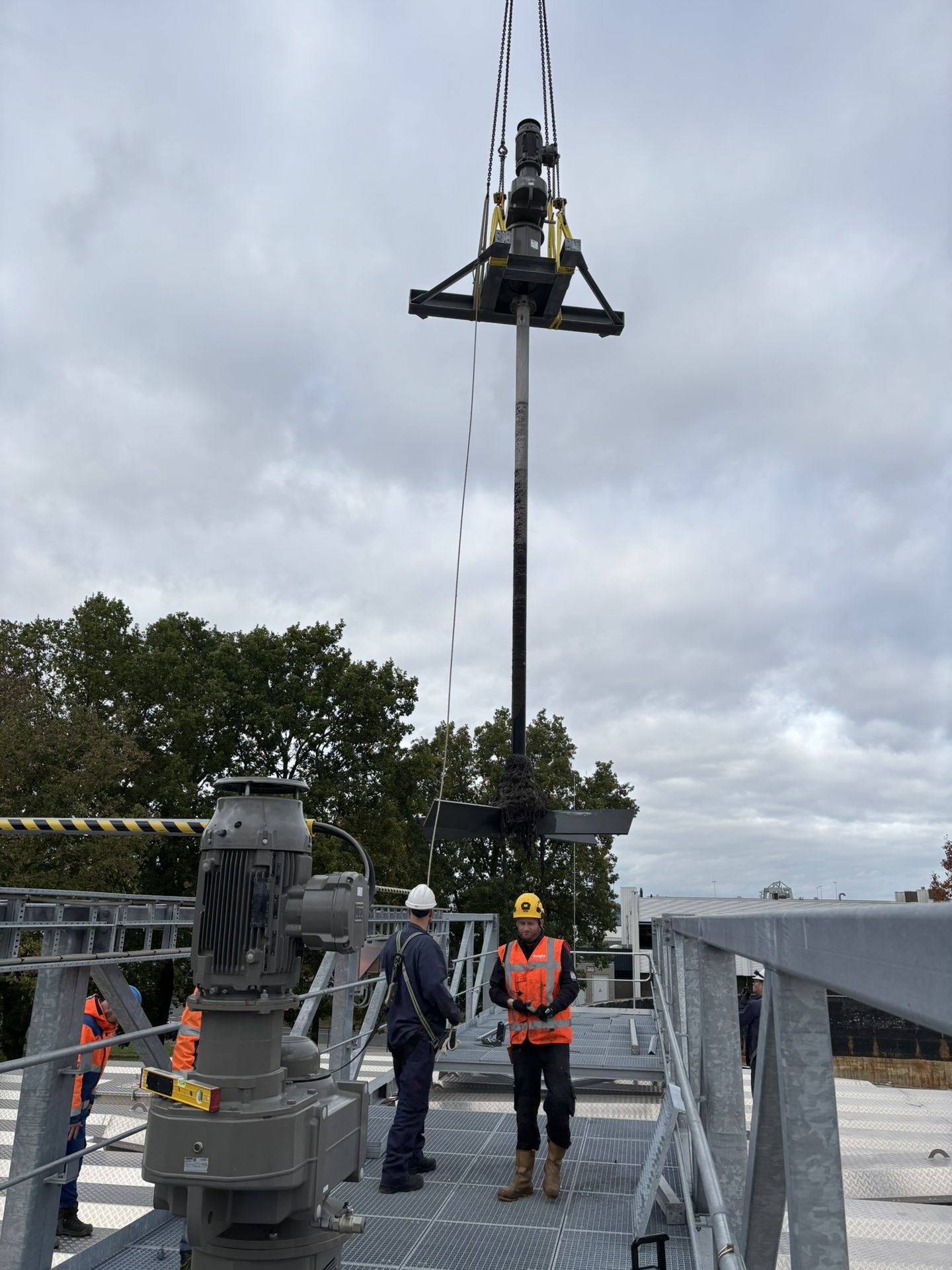
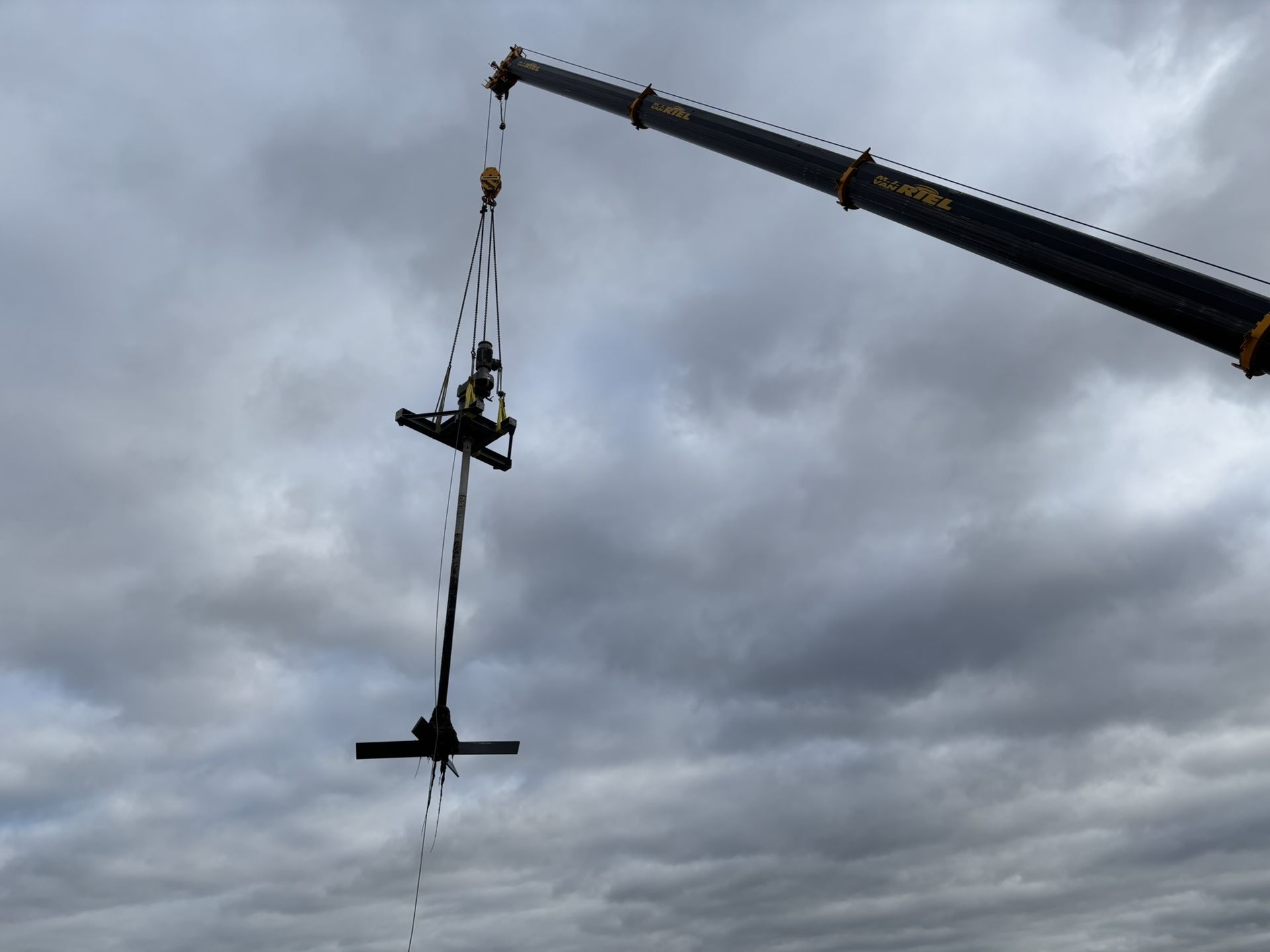
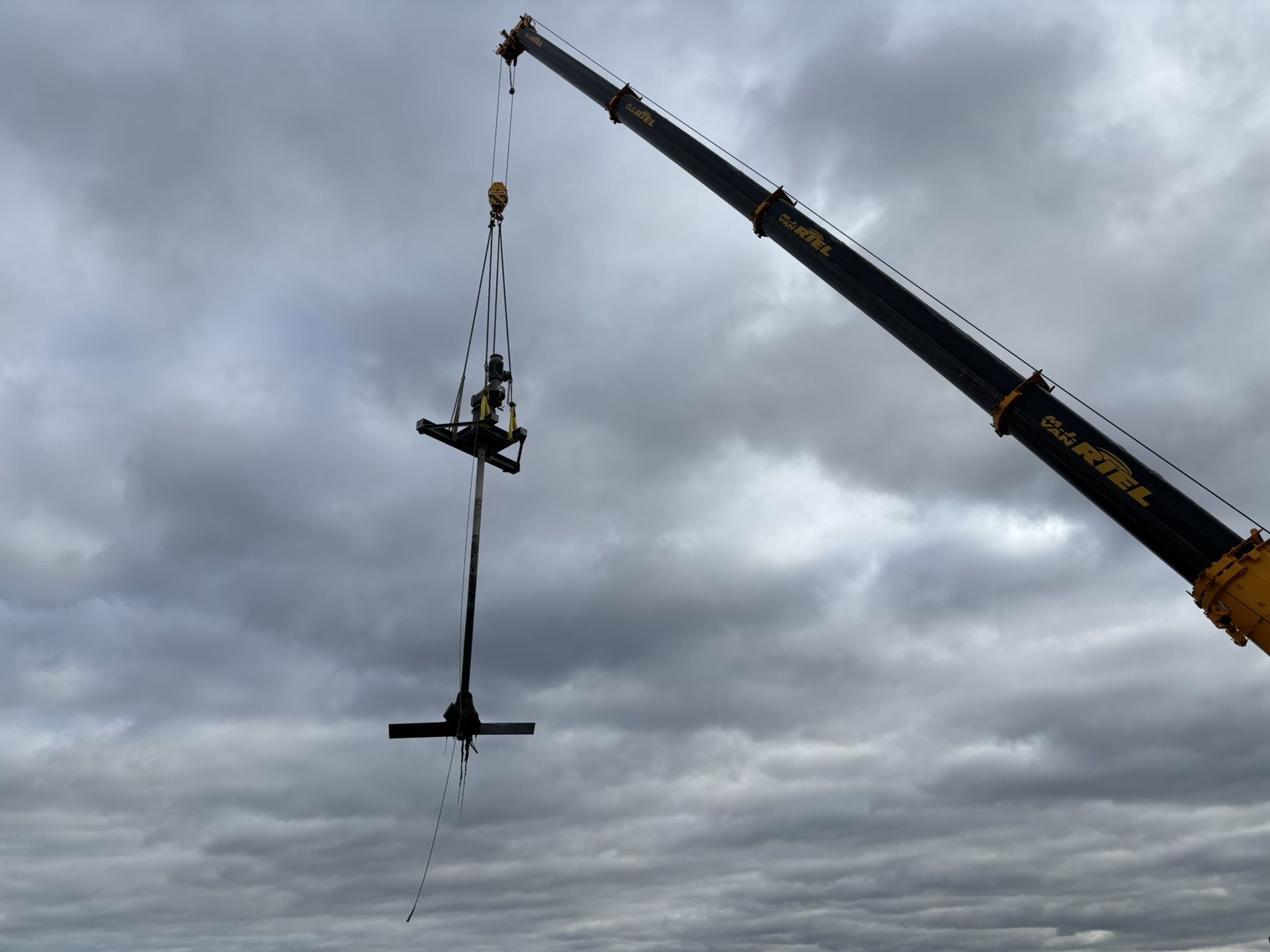
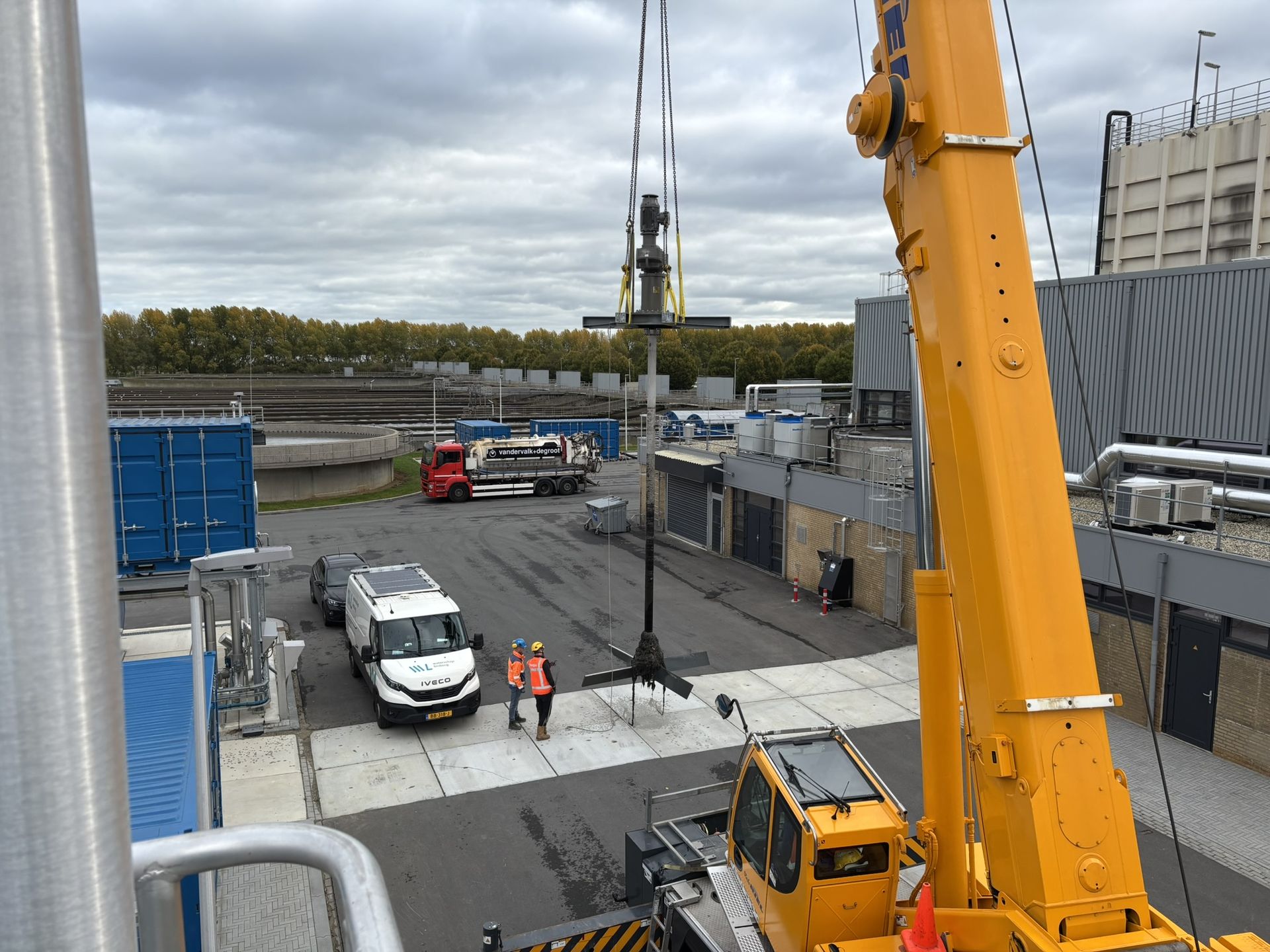
At WWTP Venlo, Jongia lifted one of the two agitators out of the sludge mixing tank in one piece, for preventive maintenance and as a proof of concept. The plant kept running.
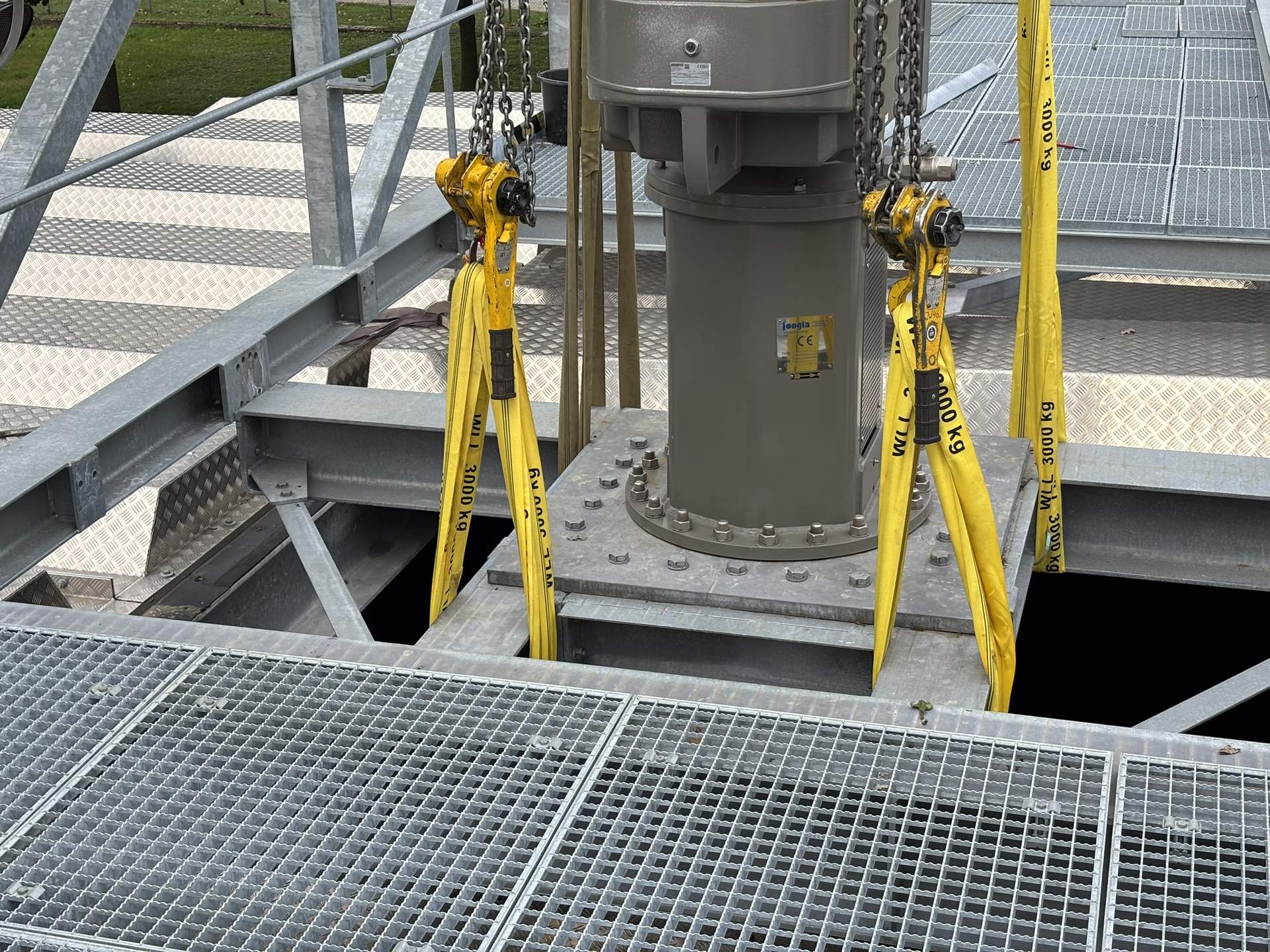
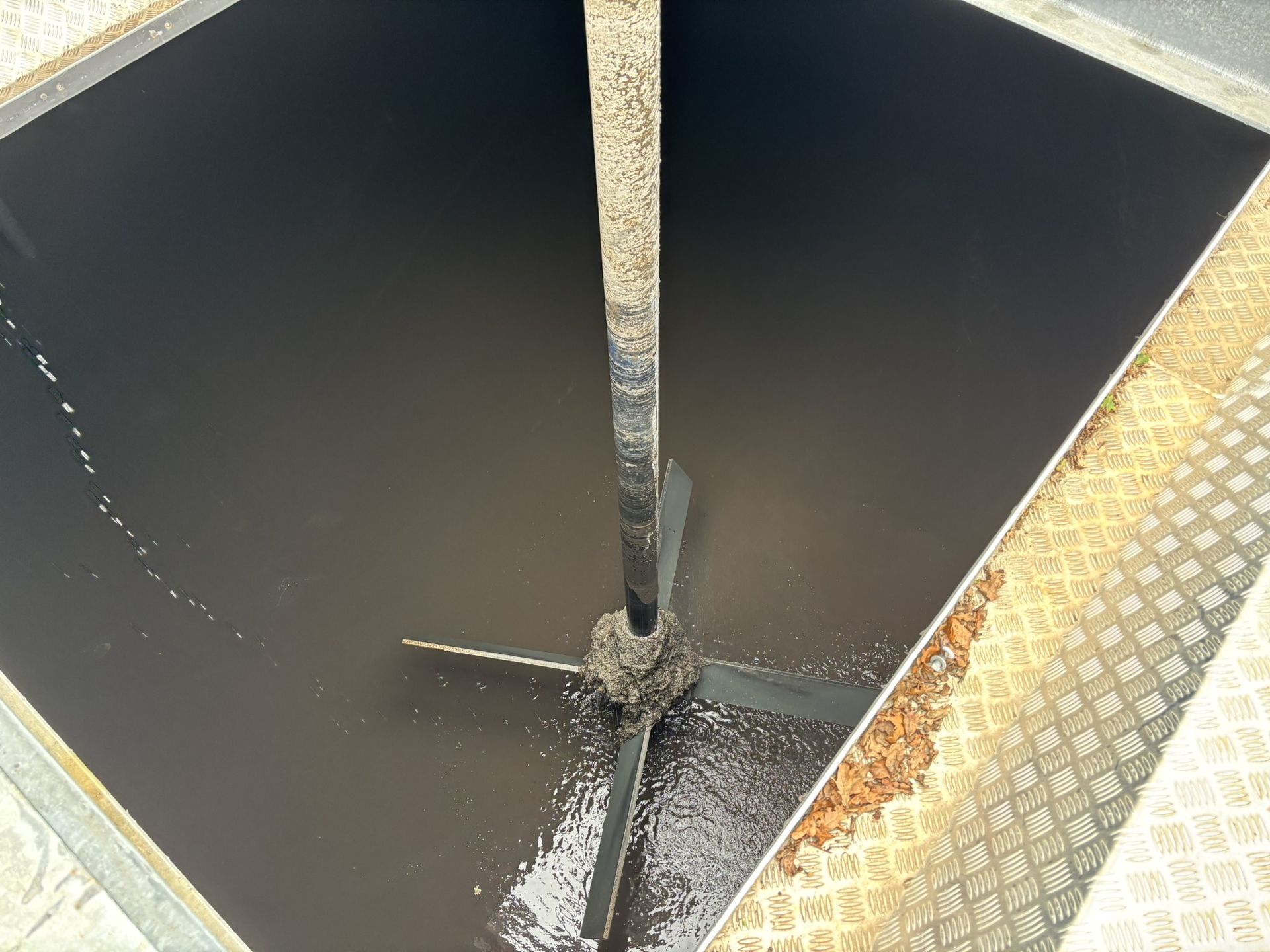
In 2025, Jongia Mixing Technology supplied and installed two agitators on the sludge mixing tank of Waterschap Limburg’s wastewater treatment plant (RWZI) in Venlo, through civil contractor GMB. Both are type LB-125, built entirely in stainless steel 316L. Right from the start of the project, the water board set a clear design requirement: the agitators must be removable from the tank in one piece.
Built to come out
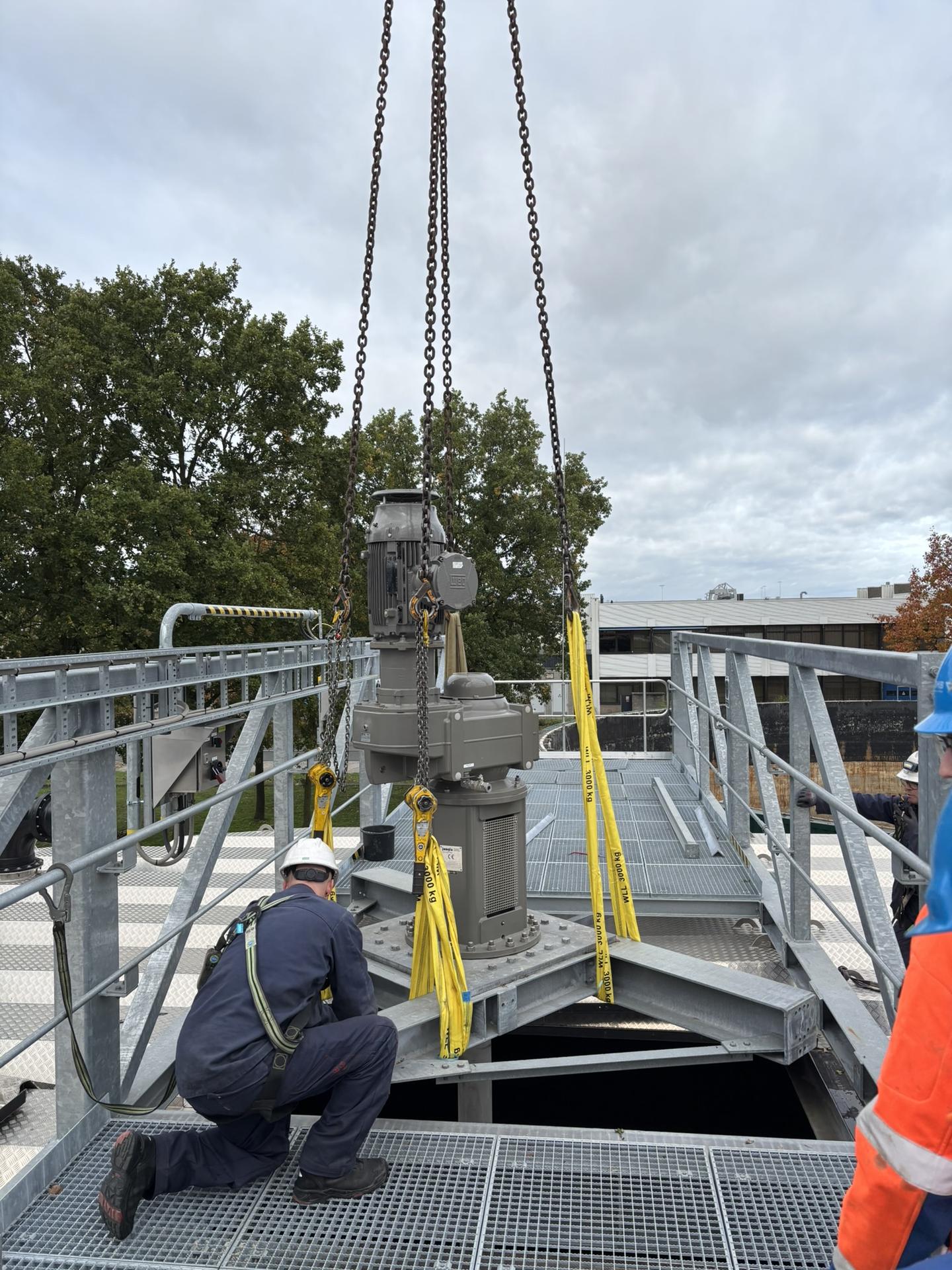
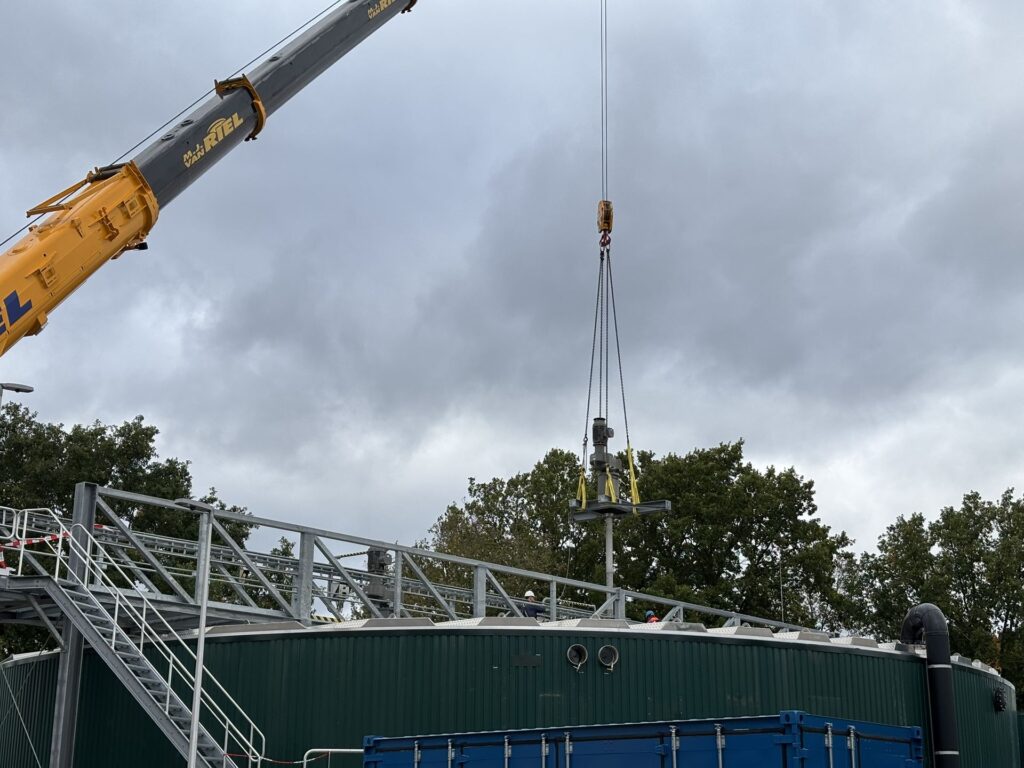
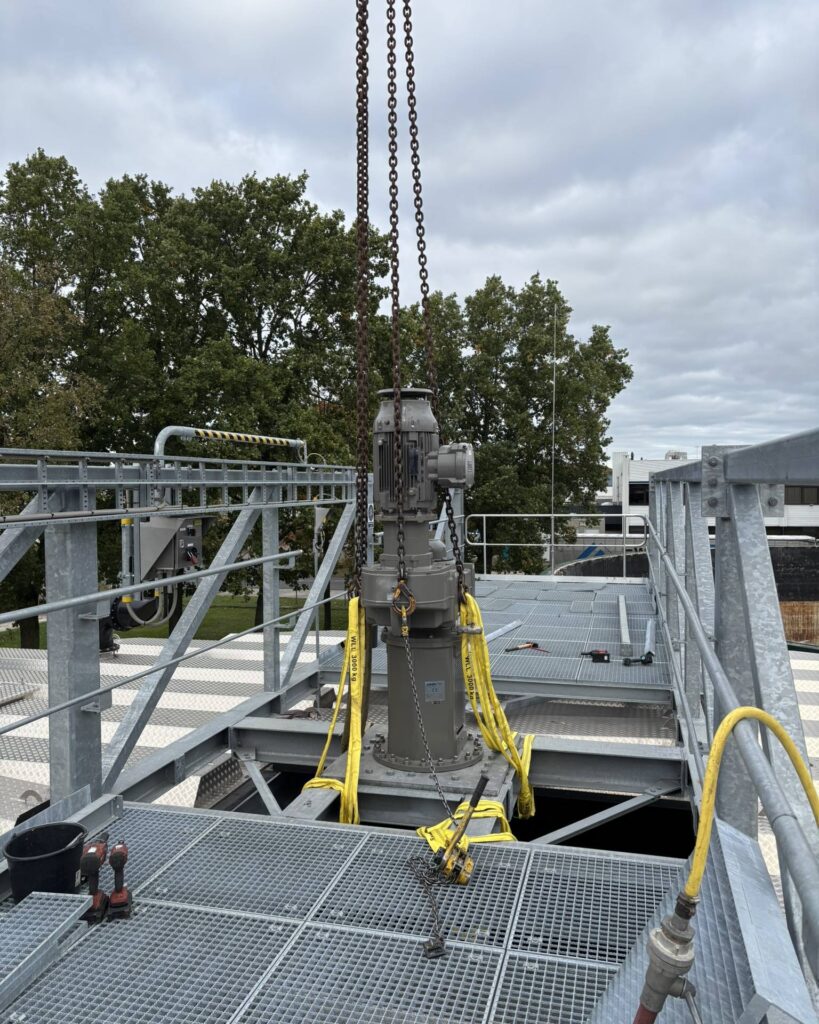
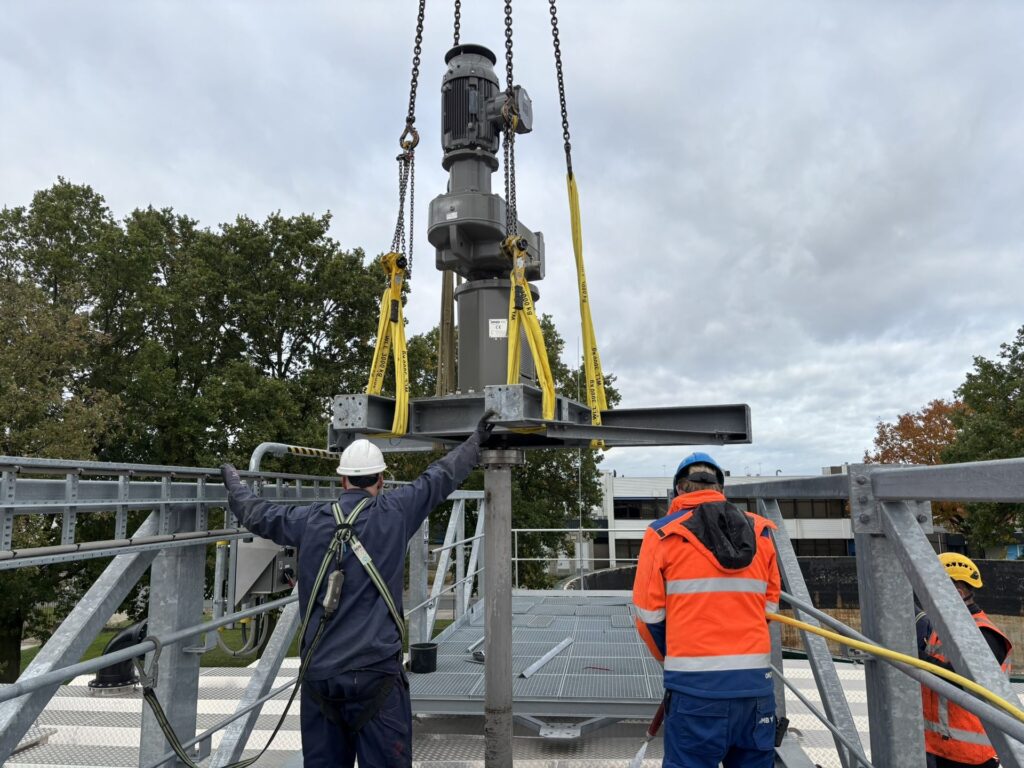
Both agitators stand on a bridge over the tank. That bridge is built so that each agitator can be hoisted out at any time — for regular or preventive maintenance, but also in an emergency. On Tuesday, October 27, 2026, Jongia put that requirement to the test. One agitator came out of the tank in one piece, both as preventive maintenance and as proof that the design works in practice.
Minimal downtime
During the lift, the second agitator stood still only briefly. Apart from that, the mixing process ran without interruption, and the plant kept operating largely undisturbed. That is the redundancy the tank was designed for. With two agitators, one can be out of service for maintenance or after a failure without bringing the process to a standstill.
For the plant, this means preventive maintenance can go ahead while the sludge keeps being mixed. In Venlo, downtime was limited to that one short stop.
- Proof of concept – agitator lifted out in one piece, as the water board required
- Minimal downtime – the second agitator stood still only briefly
- Process continuity – the plant kept running largely undisturbed
Preventive maintenance on both agitators
Once the agitator was back on the tank, Jongia carried out preventive maintenance on both agitators, including vibration checks and a check of the bearing lubrication. Both are ready to keep going until the next scheduled service.
Planned maintenance is central to Jongia’s service approach: it reduces downtime and extends the lifespan of mixing equipment. Jongia tailors its service contracts to the needs of each installation, and after every service intervention the customer receives a detailed digital report on the condition of the equipment. An agitator is the heart of the installation, and it should run smoothly at all times.
Want to know what preventive maintenance can do for your installation? Let Jongia help you and contact: [email protected]
Contact our specialized team for all your questions
Sales Director
Tom Pruymboom
Area Sales Manager
Teun van der Spek
Jongia's History
From the moment Jongia was founded in 1937 we have been evolving structurally over the years. Learn more about our company’s history with the summary of most important moments highlighted in a timeline.
Related News

Jongia Mixing Technology Agitators in Process Installations
This reactor setup from Veenbrink RVS, equipped with Jongia agitators, forms the foundation for polymer production. The system is applied in an ATEX classified zone: the equipment zone 1 IIB T2, whilst the space itself is designated as zone 2

Steinfort Glas chooses Jongia Mixing Technology
Meet Mr. Gerlof Reineker, general manager of Steinfort Glas in Franeker. Steinfort Glass specializes in processing flat glass for various applications. The company purchases large sheets of glass and processes them into products such as shower doors, office glazing, bus
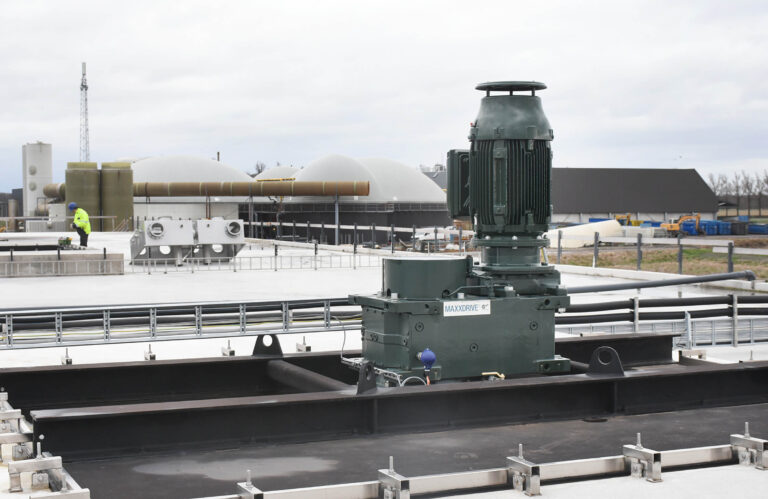
Jongia agitators with Nord Maxxdrive gearboxes for Smits Group biogas plant
Jongia Mixing Technology recently delivered a series of agitators with Nord Maxxdrive gearboxes for the biogas plant of Brabant-based agricultural company Princepeel, part of the Smits Group. These ‘heavy duty’ Agitators optimally withstand the high torques required to move the

VVTI Biogas Tilburg
VTTI Biogas Tilburg is developing a new bio-energy facility, focusing on processing organic waste. The plant is expected to produce approximately 23 million cubic metres of biogas annually. A portion of this will be converted into green gas for the