





Fraud Blocker Waste water treatment - Jongia Mixing Technology
bio based environmental waste water treatment

Waste water treatment

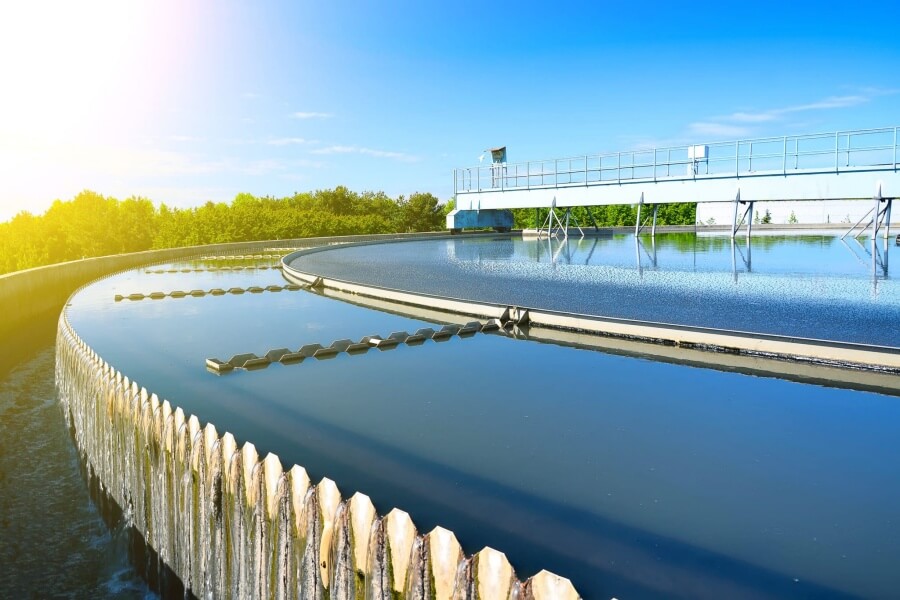
Wastewater treatments involve the treatment of wastewater. This is often the wastewater from households, businesses and often the rainwater from road pavements that is discharged through the sewer system.

bio based environmental circle

We aim for maximum performance at lowest TCO

Industrial Mixers for Food & Beverages

What is wastewater treatment?

In biological wastewater treatment, wastes are filtered out of the water by separating various bacteria. In physical chemical wastewater treatment, it is done by adding chemistry. There are two types of wastes: organic and chemical wastes. Examples of organic wastes are garden waste, leaves, food scraps and so on. Chemical wastes have non-natural origins, such as manufactured substances.

If the chemical waste cannot be purified in the water, it can cause problems to nature. This is because nature cannot break down these substances in the foreseeable future.

Mixing elements for waste water treatments

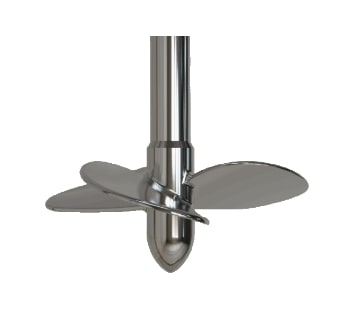
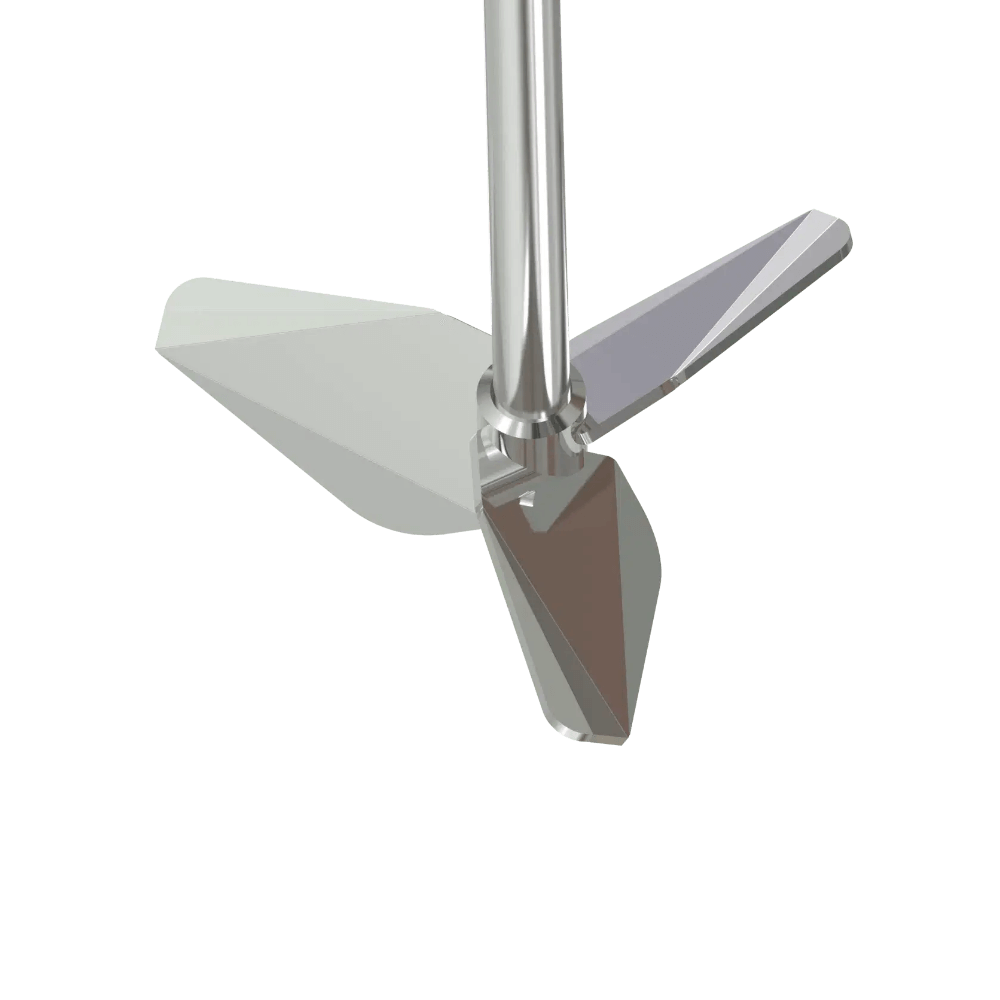
Propeller Mixer for Efficient Wastewater Agitation

The Propeller is a fundamental tool in wastewater treatment for preventing the sedimentation of sludge. Its axial flow ensures that solids remain in suspension, facilitating optimal biological treatment and aeration. By generating a powerful stream at low energy consumption, it is a cost-effective solution for maintaining movement in various treatment basins.

Energy-Saving Hydroprop for Water Treatment Plants

The Hydroprop is engineered for large-scale wastewater facilities where energy efficiency is paramount. As a high-efficiency impeller, it provides maximum pumping capacity to move massive volumes of water with minimal power. This ensures uniform oxygen and nutrient distribution in aeration tanks, optimizing the overall efficiency of the treatment process.

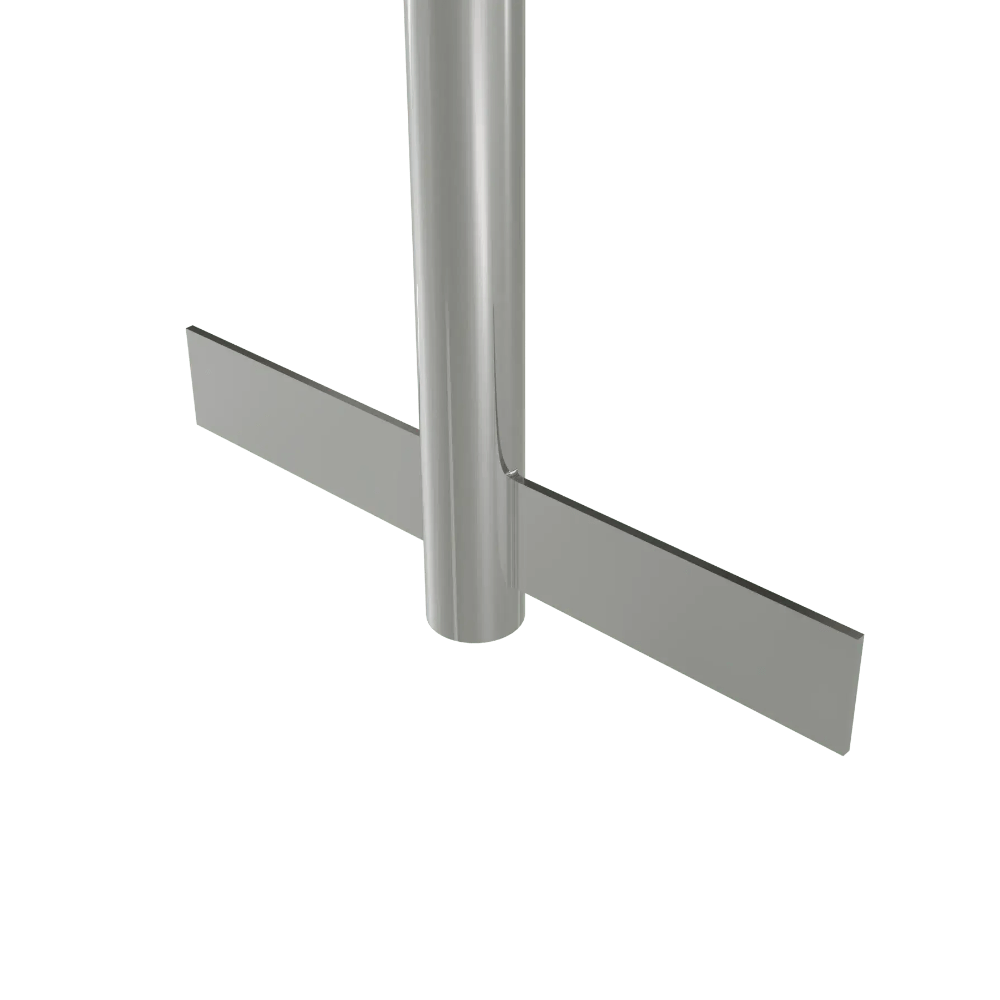
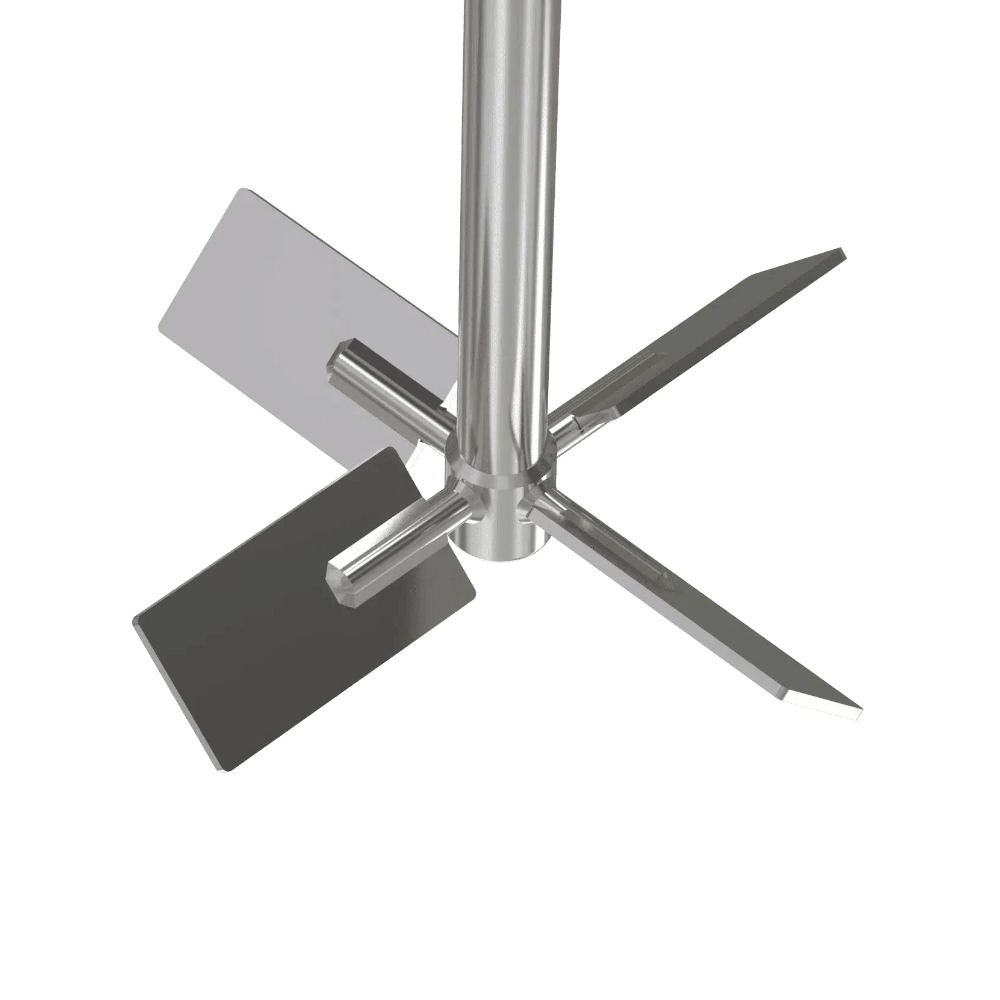
Robust Flatblade Turbine for Sludge Dispersion

The Flatblade turbine is built for the demanding phases of sludge treatment and chemical dosing. It provides the high shear and turbulence needed to break down organic clusters and ensure thorough mixing of additives. This robust design is ideal for intensive wastewater processes where heavy-duty homogenization is required for effective treatment.

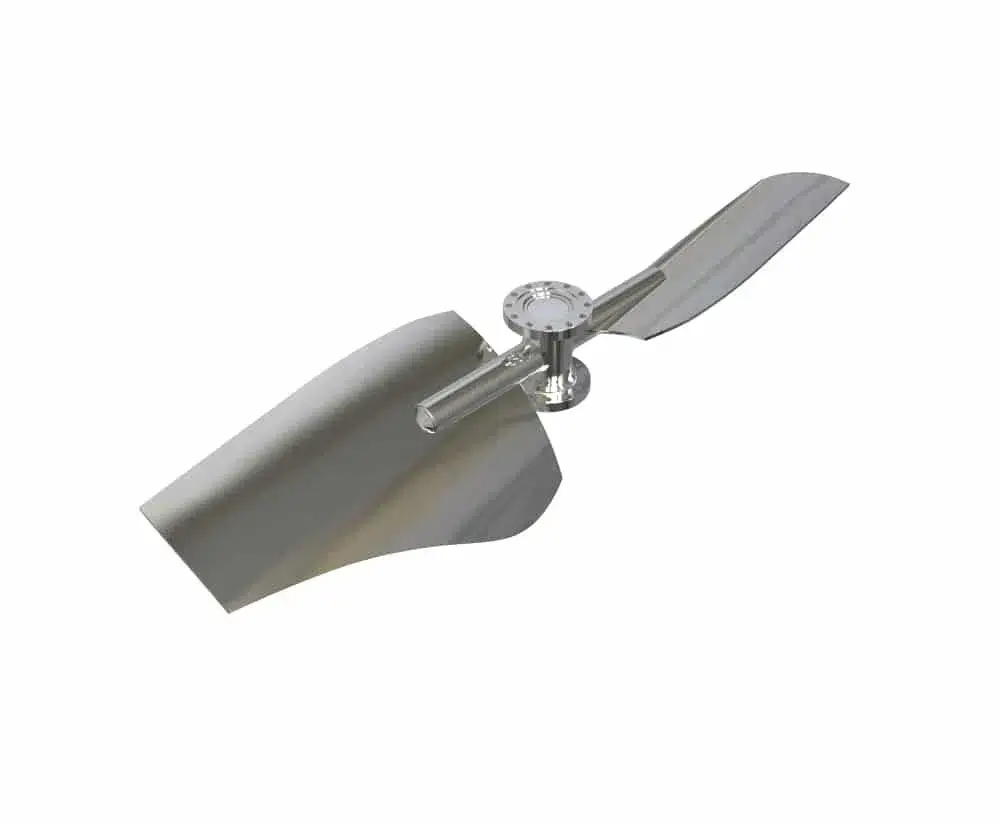
Advanced Biofoil for Gentle Wastewater Mixing

The Biofoil is a high-performance mixer for biological wastewater treatment where delicate bacterial cultures must be protected. It generates massive flow with very low shear forces, ensuring the substrate is mixed without damaging the microorganisms responsible for water purification. It is the ideal choice for efficient agitation with a gentle touch.

High-Flow Hydrofoil for Wastewater Homogenization

The Hydrofoil is a powerhouse for wastewater homogenization, designed to create a high-volume axial flow. It prevents thermal stratification in large tanks and ensures a steady treatment process by maintaining constant turnover. Its sophisticated profile converts power into fluid motion with minimal turbulence, ensuring even distribution of chemicals or air.

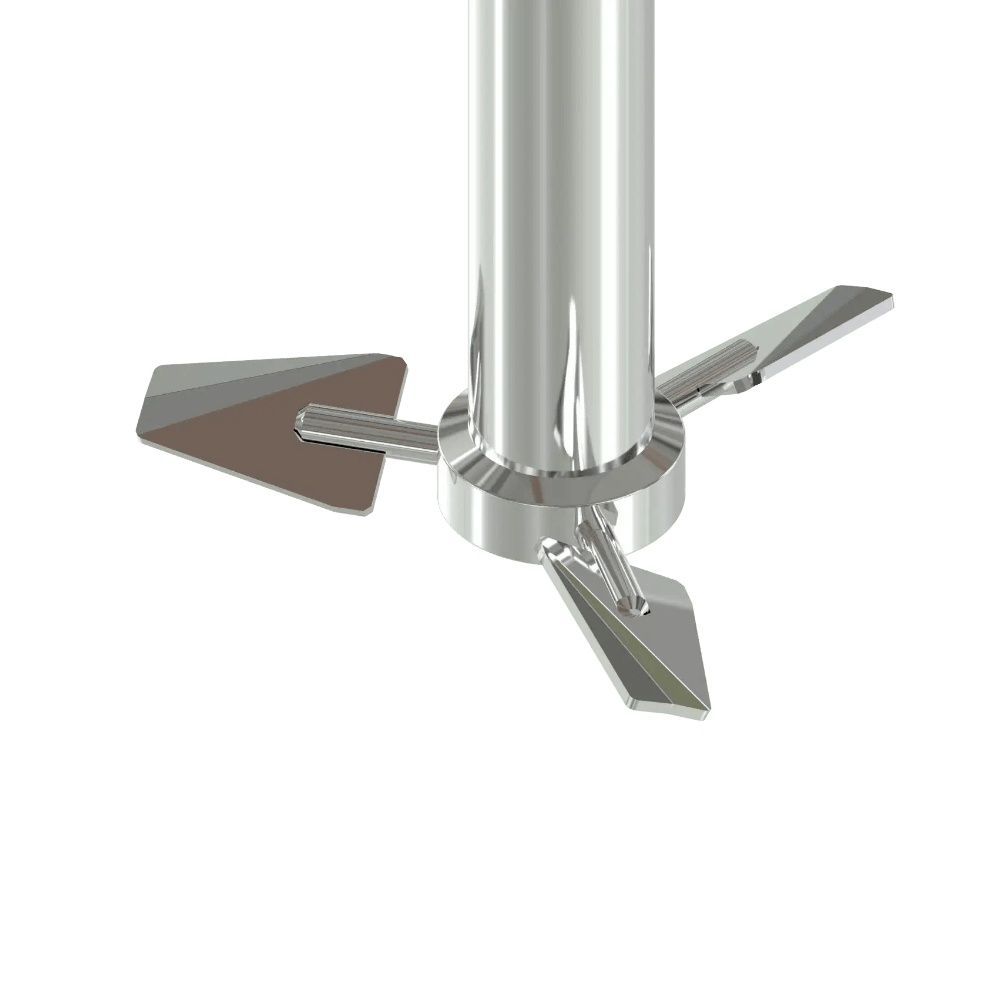
Hydrofoil Pin Mixer for Heavy Sludge Applications

Reinforced for challenging wastewater environments, the Hydrofoil Pin handles sludge with high solids content or fibrous debris. The “Pin” design provides additional structural integrity, allowing the mixer to operate reliably in high-viscosity zones without damage. This makes it an indispensable tool for processing heavy primary sludge where consistent performance is required.

Universal Axial Flow Turbine for Wastewater

This versatile all-rounder ensures uniform distribution of heat and additives across wastewater basins. By generating a strong axial flow, it prevents the formation of stagnant zones that can hinder treatment efficiency. Its reliable and simple design makes it a cost-effective solution for a wide range of water treatment applications.

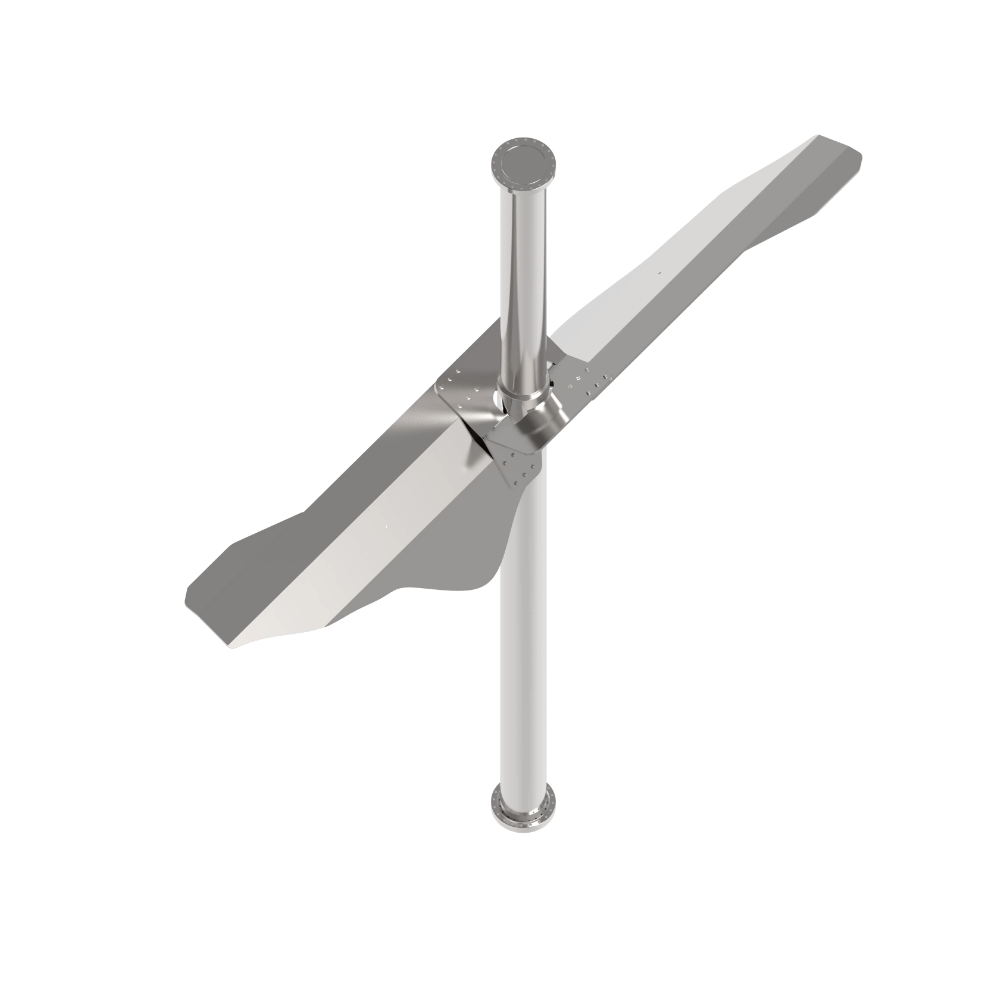
Heavy-Duty Welded Turbine for Water Treatment

Built for maximum durability, the Welded Axial Flow Turbine features a smooth profile that resists material buildup and ragging. By eliminating bolted connections, it simplifies maintenance and offers long-term reliability in corrosive treatment environments. It is the preferred choice for industrial-scale wastewater projects requiring continuous operation and minimal downtime.

Axial Flow Turbine Pin for Fiber-Rich Wastewater

Specifically adapted for wastewater containing fibrous materials, this turbine features reinforced pins to prevent the wrapping of debris around the impeller. It ensures the mixer remains efficient even when influent quality varies. It is particularly effective at preventing the formation of floating layers and maintaining a clean, effective mixing process.

How does wastewater treatment work?

Wastewater can be released in a continuous stream or in batches. Depending on this, wastewater treatment or wastewater treatment must be tailored to it. For example, continuous flows usually involve liquid substances and batch wastewater treatment involves working with compound powder substances. Separating the sludge from the clean water can be done using the continuous or batch method.

It is also the type of wastewater type used in closed recylcing systems. For example, wastewater recycling is encountered in plastic recycling. In plastic recycling, the water used to wash plastic is reused. This wastewater is then contained in a closed system and is treated by bypass at wastewater treatment plants.

For companies that generate wastewater, it is important that if they discharge the water, the set standards are met in wastewater treatment or wastewater purification. It is also important to consider the operating costs involved. These must be in proportion to the result achieved. This includes an effective product with the right dosage, which is appropriate for the type of wastewater. 

Frequently Asked Questions

What is wastewater treatment?

In biological wastewater treatment, wastes are filtered out of water using bacteria. Physical-chemical treatment involves adding chemicals. Wastes can be organic (like food scraps) or chemical (manufactured substances) which nature struggles to decompose, potentially causing environmental issues.

Wastewater can be processed continuously or in batches. Continuous methods focus on liquid waste, while batch methods work with solid or compound wastes. Effective sludge removal is essential. Companies must meet treatment standards for discharge, balancing operational costs with effective results.

Companies must adhere to specific regulations governing the discharge of treated wastewater. These standards ensure that the water released into the environment is safe and does not harm ecosystems, requiring effective treatment and management of various types of waste materials.

Wastewater treatment primarily deals with organic waste, such as food and garden debris, and chemical waste from non-natural sources. Proper treatment is crucial, as failing to manage chemical wastes can lead to long-term ecological problems, since nature cannot break them down quickly.

Wastewater recycling is vital for sustainability, particularly in industries like plastic recycling. By treating and reusing wastewater, businesses can minimize water consumption and environmental impact. Closed-loop systems ensure the recycled water is effectively managed, adhering to necessary treatment standards.

Bio-Based Industry Contacts

Bio-based & Environmental – Related Articles

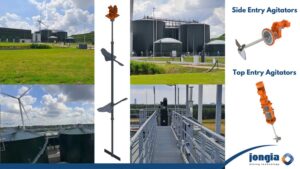
Collage of industrial tanks at a facility, diagrams of side and top entry agitators, close-up images of agitator models, and the Jongia Mixing Technology logo in the corner. Wind turbines are visible in the background.

Jongia Mixing Technology‘s Biogas Production program

Optimizing Biogas Production with Jongia’s Innovative Technology Jongia is leading the way in improving biogas production with its advanced mixing solutions. In the biogas industry, effective mixing is key to maximizing energy output, minimizing power consumption and optimizing system efficiency.
Read More »
BiogasPlus Jongia Mixing Technology

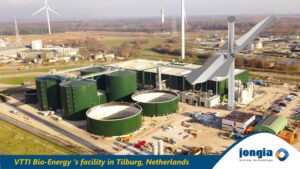
VVTI Biogas Tilburg

VTTI Biogas Tilburg is developing a new bio-energy facility, focusing on processing organic waste. The plant is expected to produce approximately 23 million cubic metres of biogas annually. A portion of this will be converted into green gas for the

Read More »
Scroll to Top

Download
Paint & Coatings Industry Leaflet

We will send the PDF to your email address.

paint & coatings
Paint & Coatings Leaflet

Please visit our Privacy Policy to understand how we manage your data.

Download
Juice Industry Leaflet

We will send the PDF to your email address.

juice industry
Juice Industry Leaflet

Please visit our Privacy Policy to understand how we manage your data.