


Blood plasma
Plasma is a yellow liquid derived from the human body that contains mainly red blood cells, white blood cells and platelets. In addition, plasma has substances such as mineral salts, enzymes, hormones and so on. Plasma acts as a means of transportation through the body. For example, it transports various forms of oxygen, hormones, sugars, fats and carbon dioxide. Hospitals often receive plasma through plasma donors. These are (often) volunteers who donate their plasma for various purposes such as scientific research, pharmaceuticals and sick treatments. A plasma donor may donate about 25 liters of plasma per year.
Scientific research
Given the many substances contained in plasma, it offers enormous value for scientific research. When COVID-19 was in full swing, enormous numbers of people who had been cured of Corona donated their plasma with antibodies to various agencies. This allowed new research into a possible cure for the virus to be started.
Pharmaceuticals
Plasma is desperately needed for the development of various drugs. For example, the proteins in plasma can protect patients with immune disorders. Drugs made from plasma often target people with immune disorders, muscle disorders and various inflammations. Drugs developed from plasma can sometimes cure more than a hundred different conditions.
Mixing elements for Blood Plasma
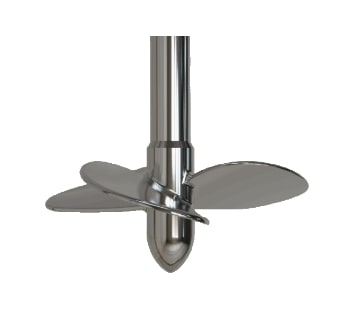
Versatile Propeller Mixer for Blood Plasma
The Propeller is a workhorse in blood plasma processing, keeping plasma fractions and protein solutions in uniform suspension inside fractionation vessels. Its axial flow prevents settling and ensures consistent distribution of every component throughout the batch. Energy-efficient and reliable, it adapts to the viscosity changes typical of blood plasma processing without loss of performance.
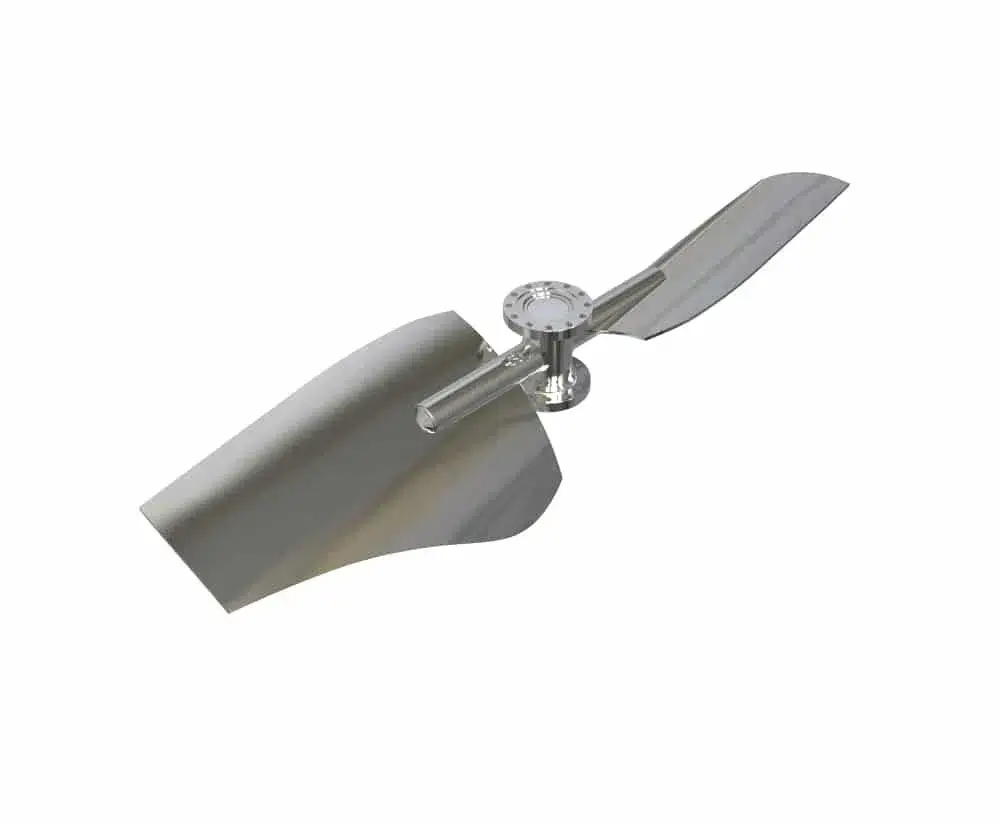
High-Capacity Hydroprop for Blood Plasma
The Hydroprop delivers outstanding pumping capacity with minimal energy input, making it ideal for large fractionation vessels in blood plasma processing. It ensures complete tank turnover, eliminates temperature gradients, and keeps plasma fractions and protein solutions in a stable, homogeneous state. Its streamlined design cuts operating costs while supporting continuous, high-volume blood plasma processing.
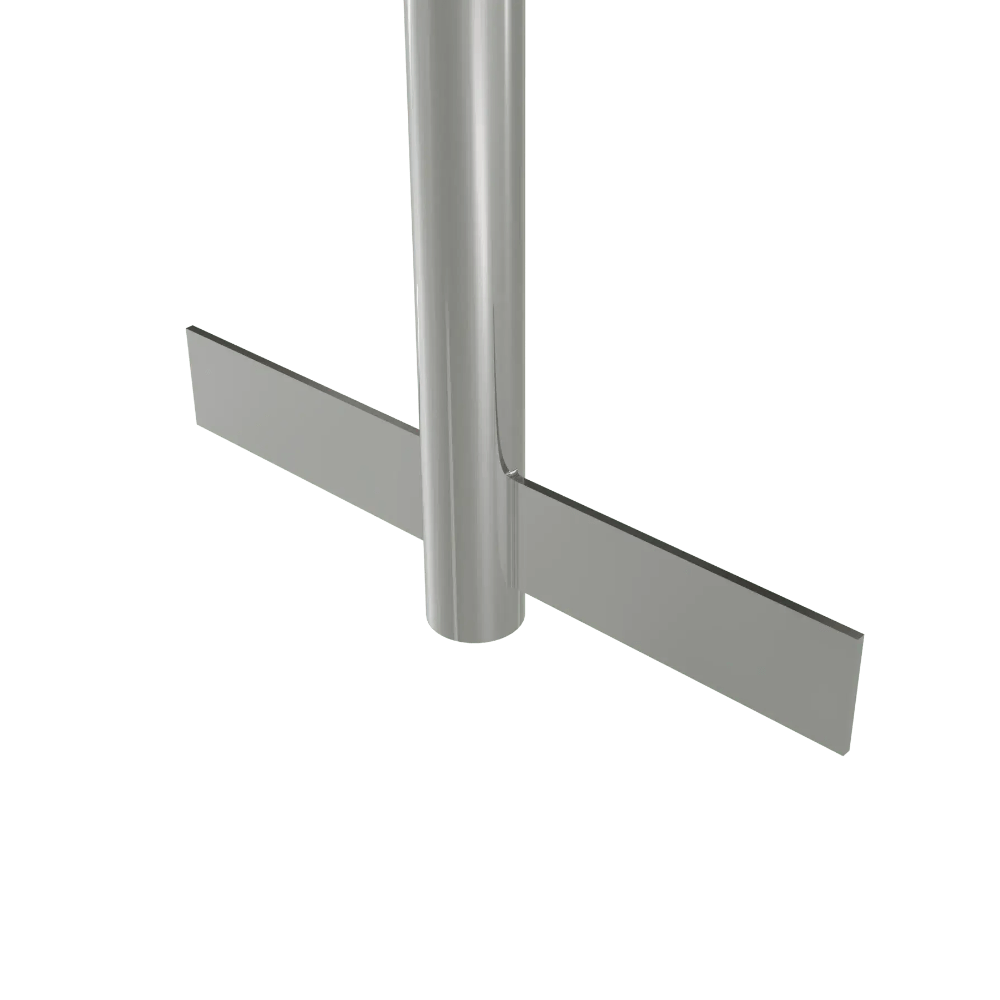
Robust Flatblade Turbine for Blood Plasma
The Flatblade turbine generates strong radial flow and turbulence, tackling preserving fragile proteins without denaturation head-on in blood plasma processing. It breaks up agglomerates, disperses additives, and homogenizes plasma fractions and protein solutions even when viscosity fluctuates. Its rugged construction handles the mechanical demands of industrial blood plasma processing with proven reliability.
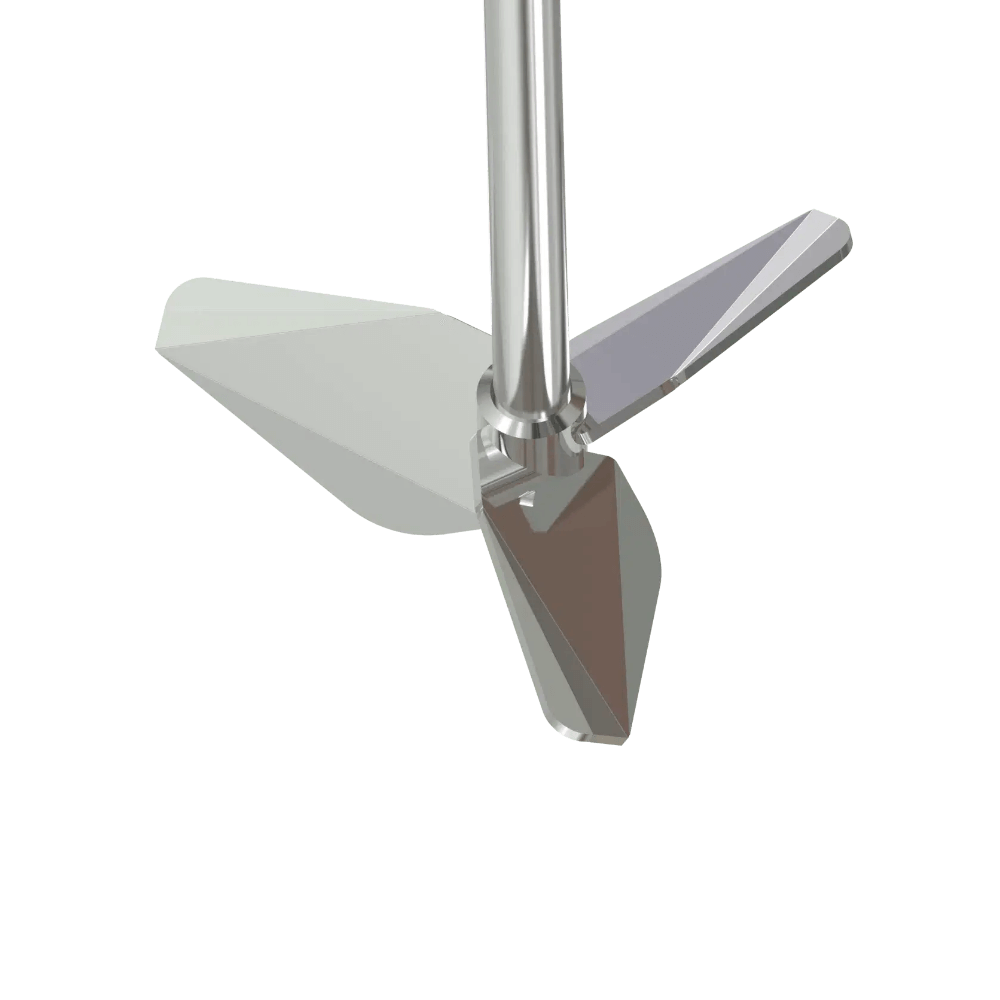
High-Flow Hydrofoil for Blood Plasma
The Hydrofoil generates high-volume axial flow, making it a powerful solution for large fractionation vessels in blood plasma processing. It prevents thermal stratification and keeps plasma fractions and protein solutions in steady motion with minimal turbulence. The optimized blade profile turns drive power into fluid motion efficiently, supporting consistent homogenization at industrial scale.
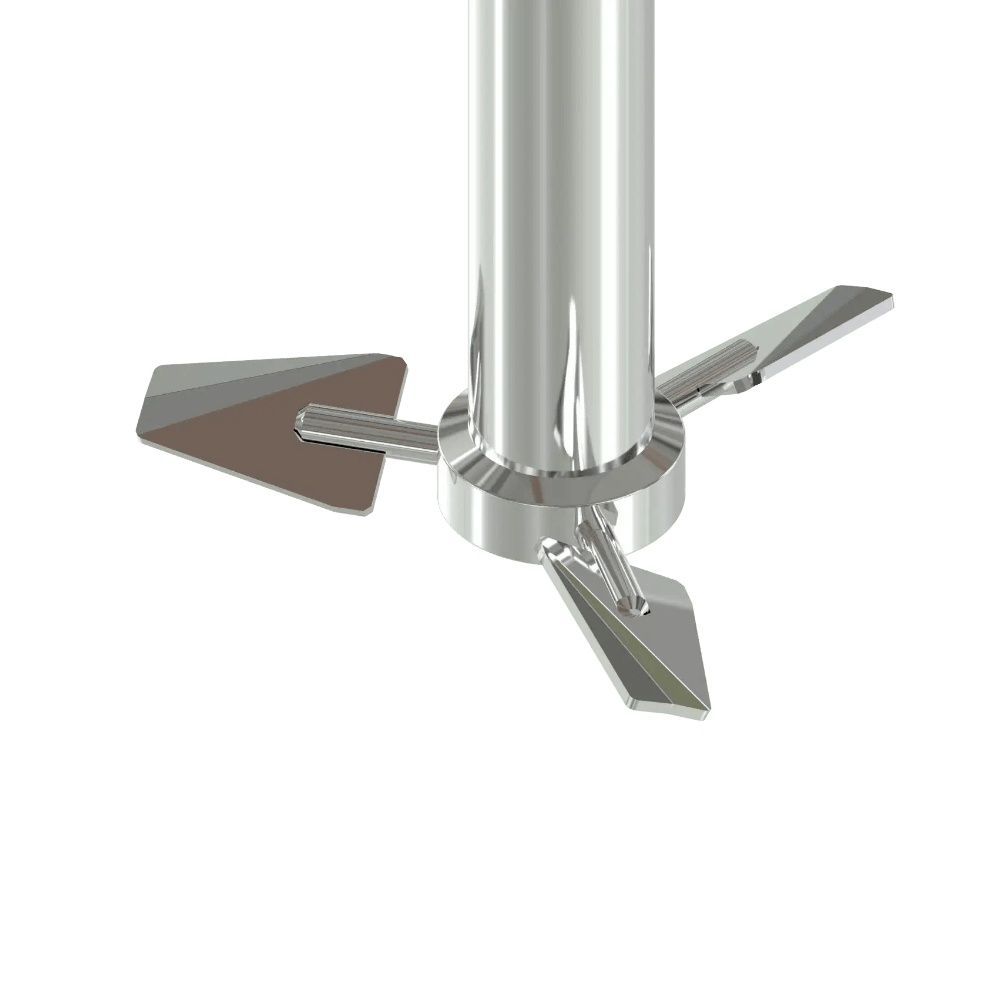
Reinforced Hydrofoil Pin for Demanding Blood Plasma
The Hydrofoil Pin combines proven hydrofoil performance with reinforced pins for tougher substrates encountered in blood plasma processing. Its structural design handles high-viscosity and high-solids zones where standard impellers might struggle, particularly when preserving fragile proteins without denaturation becomes critical. It delivers reliable mixing where plasma fractions and protein solutions are demanding to handle.
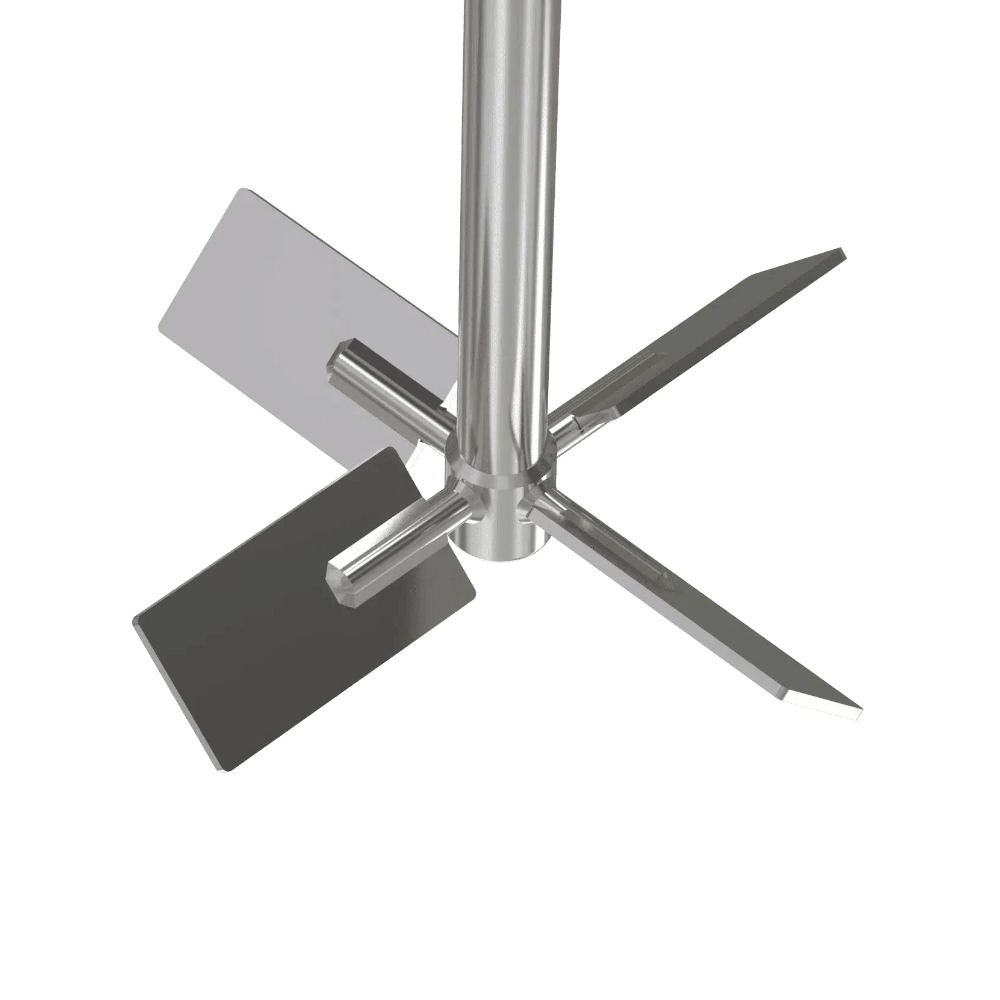
Reliable Axial Flow Turbine for Blood Plasma
The Axial Flow Turbine is a dependable all-rounder for blood plasma processing, ensuring even distribution of heat and additives throughout fractionation vessels. It prevents stagnant zones and keeps plasma fractions and protein solutions in consistent motion across the vessel. Its cost-effective, robust design makes it a go-to choice for stable, continuous operation in blood plasma processing.
Heavy-Duty Welded Turbine for Blood Plasma
Built for maximum durability in continuous blood plasma processing, this welded turbine eliminates bolted connections for superior mechanical integrity. Its smooth profile resists buildup of plasma fractions and protein solutions and simplifies cleaning and maintenance in fractionation vessels. It is the preferred choice for industrial-scale blood plasma processing that demand long service intervals and high reliability.
Axial Flow Turbine Pin for Challenging Blood Plasma
Adapted for blood plasma processing involving fibrous materials or high solids content, this turbine uses reinforced pins to cut through preserving fragile proteins without denaturation. It maintains an effective mixing zone even when the composition of plasma fractions and protein solutions varies from batch to batch. An essential element for facilities handling inconsistent or demanding substrates in blood plasma processing.
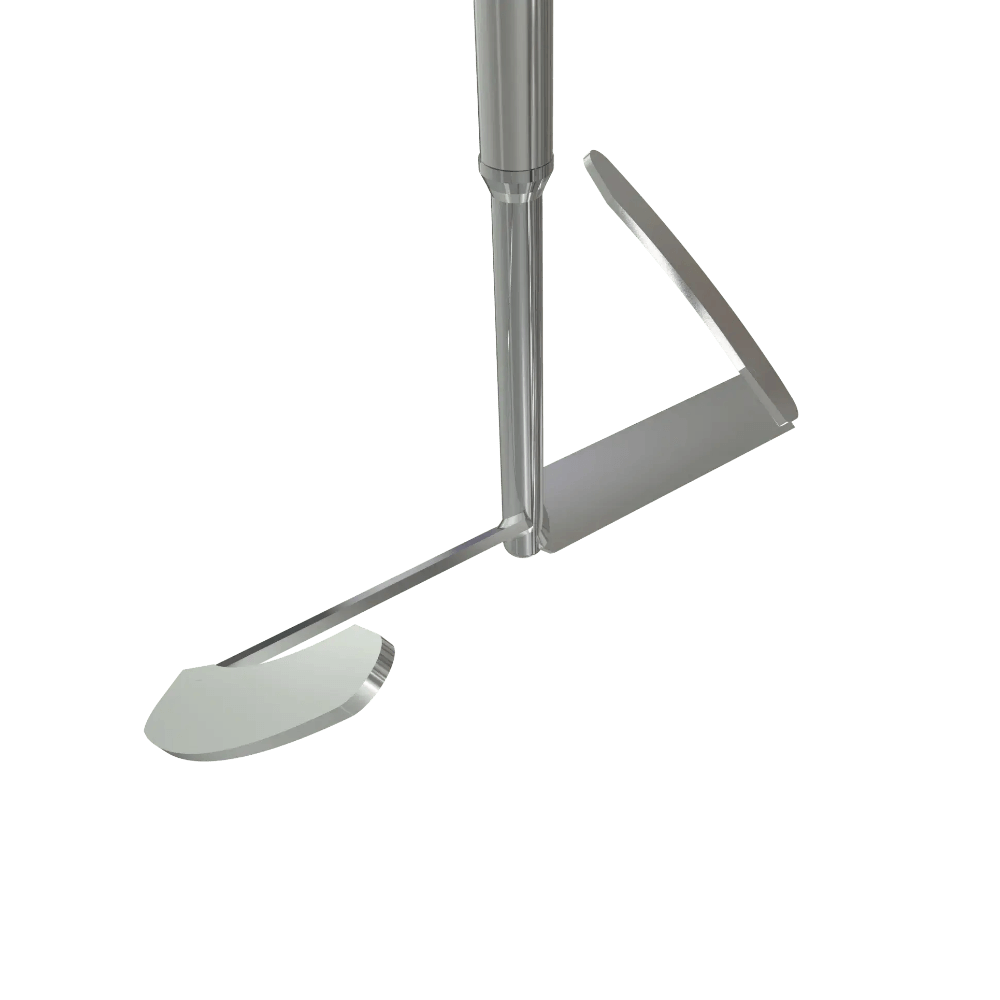
Anchor Mixer for High-Viscosity Blood Plasma
The Anchor mixer is designed for blood plasma processing with high viscosity, where plasma fractions and protein solutions tend to build up on the tank walls. Its close-clearance blades sweep the walls of fractionation vessels, promoting heat transfer and preventing local hot spots or fouling. The ideal solution wherever intensive wall-to-wall homogenization is required.

U-Z Turbine for Thorough Blood Plasma Mixing
The U-Z Turbine combines strong axial flow with a geometry tailored to the demands of blood plasma processing. It ensures complete homogenization of plasma fractions and protein solutions in fractionation vessels while keeping shear forces controlled. A versatile solution for processors who need consistent blending across varying batch sizes and viscosities.
Pharma & Personal Care Applications
Treatments
Much of all plasma is supplied to Dutch hospitals, among others. These hospitals sometimes use the administration of plasma as standard treatment for their patients. Patients who often qualify for this are those with massive blood loss, burns or clotting disorders.
Frequently Asked Questions
What is blood plasma?
Blood plasma is a yellow liquid in the human body, primarily consisting of red and white blood cells, platelets, and various substances like mineral salts and hormones. It serves as a transportation medium for oxygen, hormones, and nutrients throughout the body.
Why is plasma important for scientific research?
Plasma contains numerous substances valuable for scientific studies, aiding research such as COVID-19 antibody studies. Donations from recovered patients enabled research into potential cures and treatments, demonstrating plasma’s significance in advancing medical science.
How is plasma used in pharmaceuticals?
Plasma is essential for developing medications, especially for treating immune disorders. Proteins derived from plasma help produce drugs that can address various health conditions, making it a critical resource for pharmaceutical companies.
Who benefits from plasma treatments?
Plasma treatments are commonly administered in hospitals, particularly for patients with significant blood loss, burns, or clotting disorders. These treatments can be life-saving, showcasing the therapeutic value of plasma in clinical settings.
How much plasma can a donor give?
A plasma donor can contribute approximately 25 liters of plasma per year. Many donors are volunteers who support scientific research and treatment development by donating their plasma for various medical purposes.
Pharma & Personal Care - Contacts

Sales Director
Tom Pruymboom

Area Sales Manager
Teun van der Spek
Pharma & Personal Care - Related Articles
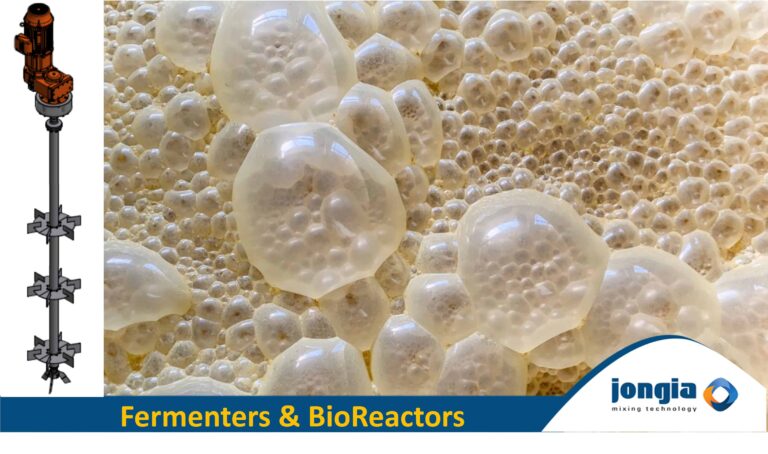
Fermentation & Bioreactor Mixing Process
Bioreactors and Fermenters are culture systems to produce cells or organisms. They are used in various applications, including basic research and development, and the manufacturing of biopharmaceuticals, food and food additives, chemicals, and other products. A broad range of cell types and organisms can be cultivated in bioreactors and Fermenters, including cells (like mammalian cell lines, insect cells, and stem cells), microorganisms (like bacteria, yeasts, and fungi), as well as plant cells and algae. The words “Bioreactor” and “Fermenter” are basically the same thing.
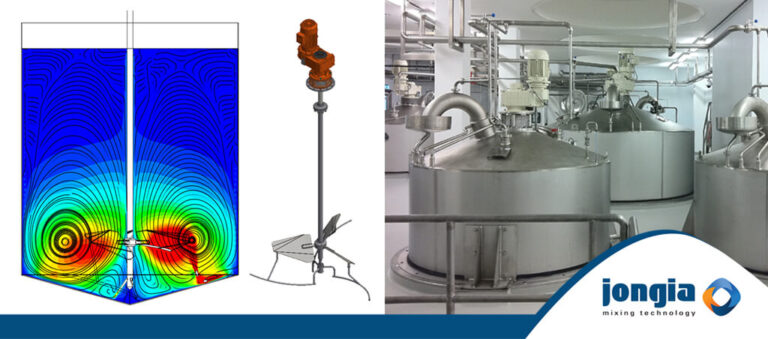
The crystallization process in the pharmaceutical industry
Jongia Mixing Technology has initiated numerous mixing processes all over the world using her agitators. In some of these mixing
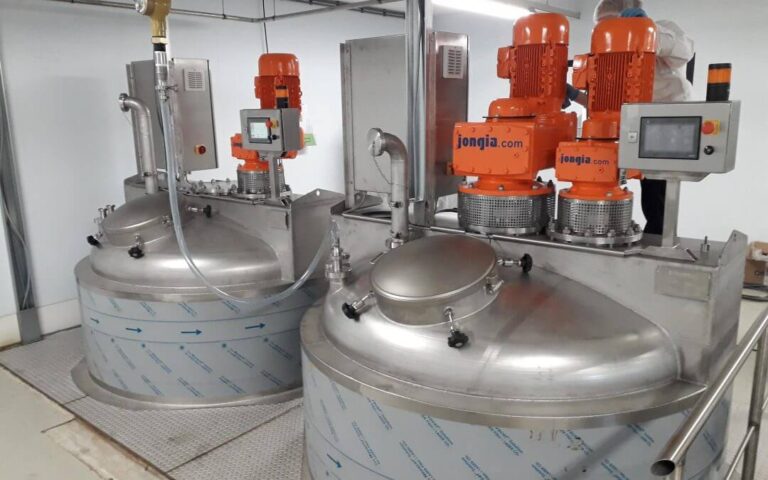
Jongia supplies agitators for expansion of Mades
Mades is a leading manufacturer of personal care products such as shampoos and lotions. The products are sold all over