


Creams & Lotions
Facial creams contain moisturizers that, for example, restore moisture to dry skin. Examples of these hydrating substances are glycerol and hyaluronic acid. There are also fatty substances in it that soften and nourish your skin.
What are Creams & Lotions?
Some ingredients of these are shea butter or various oils derived from flowers and plants. It is very nice for your skin if cream has the same ph value as your skin. To promote this, there are acidity regulators in cream, such as sodium hydroxide. Preservatives in face cream ensure that the cream has a longer shelf life. Day creams and anti-wrinkle creams often contain UV filters to protect you from the sun. These filters reduce the chance of damaged skin and, in most cases, prevent the development of wrinkles. Some skin creams contain dyes, these dyes make you get a certain color on your skin like tanning creams. Lastly, there are many creams that have different fragrances, these fragrances besides keeping your skin healthy also make it smell good.
Mixing elements for Creams & Lotions
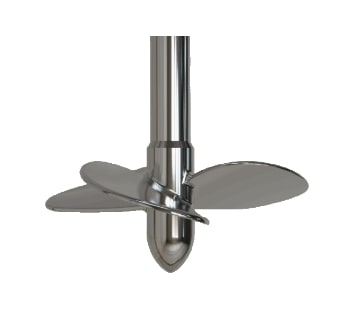
Versatile Propeller Mixer for Creams & Lotions
The Propeller is a workhorse in creams and lotions production, keeping oils, waxes, emulsifiers, and active ingredients in uniform suspension inside emulsion vessels. Its axial flow prevents settling and ensures consistent distribution of every component throughout the batch. Energy-efficient and reliable, it adapts to the viscosity changes typical of creams & lotions without loss of performance.
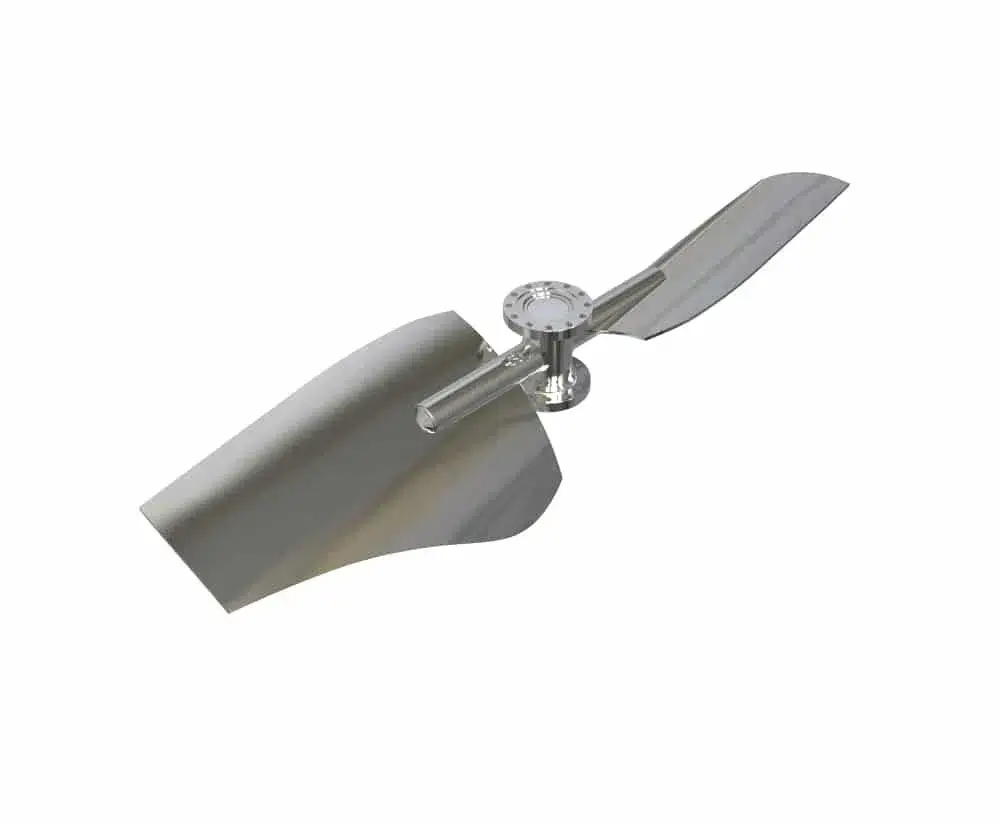
High-Capacity Hydroprop for Creams & Lotions
The Hydroprop delivers outstanding pumping capacity with minimal energy input, making it ideal for large emulsion vessels in creams and lotions production. It ensures complete tank turnover, eliminates temperature gradients, and keeps oils, waxes, emulsifiers, and active ingredients in a stable, homogeneous state. Its streamlined design cuts operating costs while supporting continuous, high-volume creams & lotions.
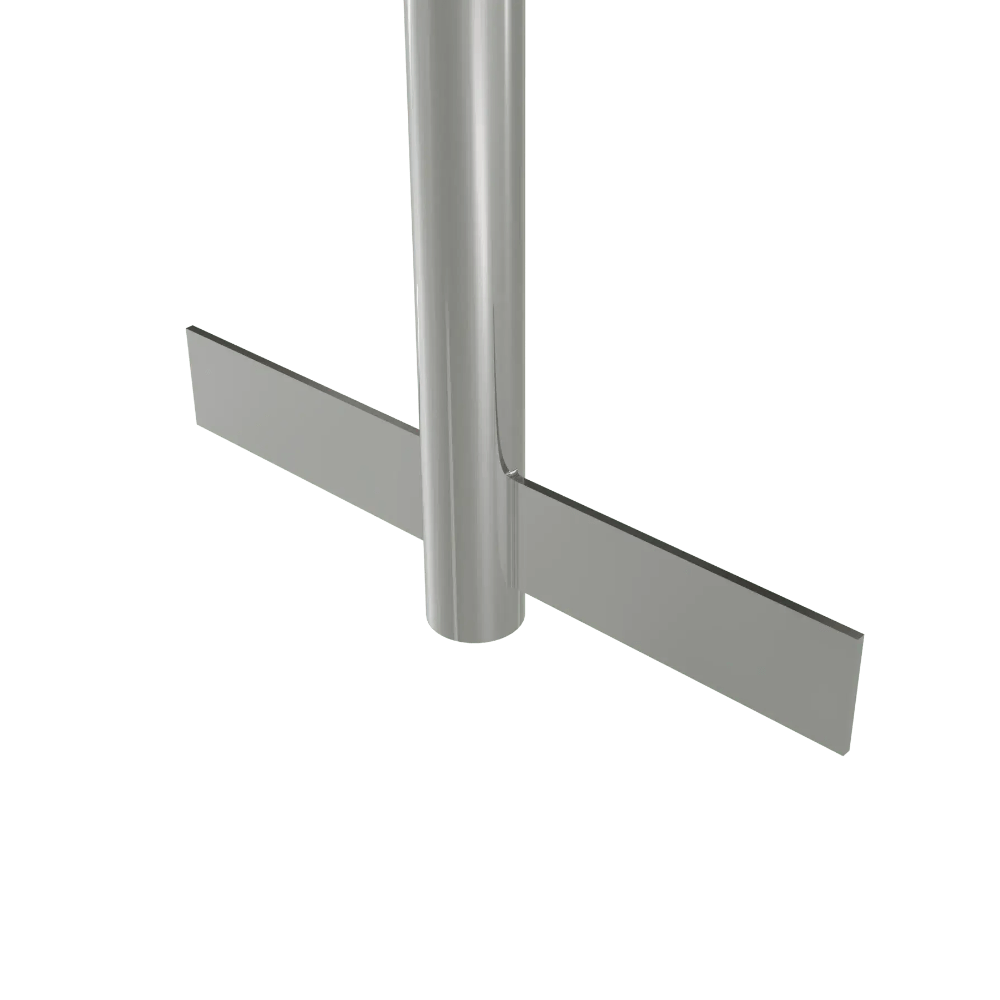
Robust Flatblade Turbine for Creams & Lotions
The Flatblade turbine generates strong radial flow and turbulence, tackling stable emulsions and consistent viscosity head-on in creams and lotions production. It breaks up agglomerates, disperses additives, and homogenizes oils, waxes, emulsifiers, and active ingredients even when viscosity fluctuates. Its rugged construction handles the mechanical demands of industrial creams & lotions with proven reliability.
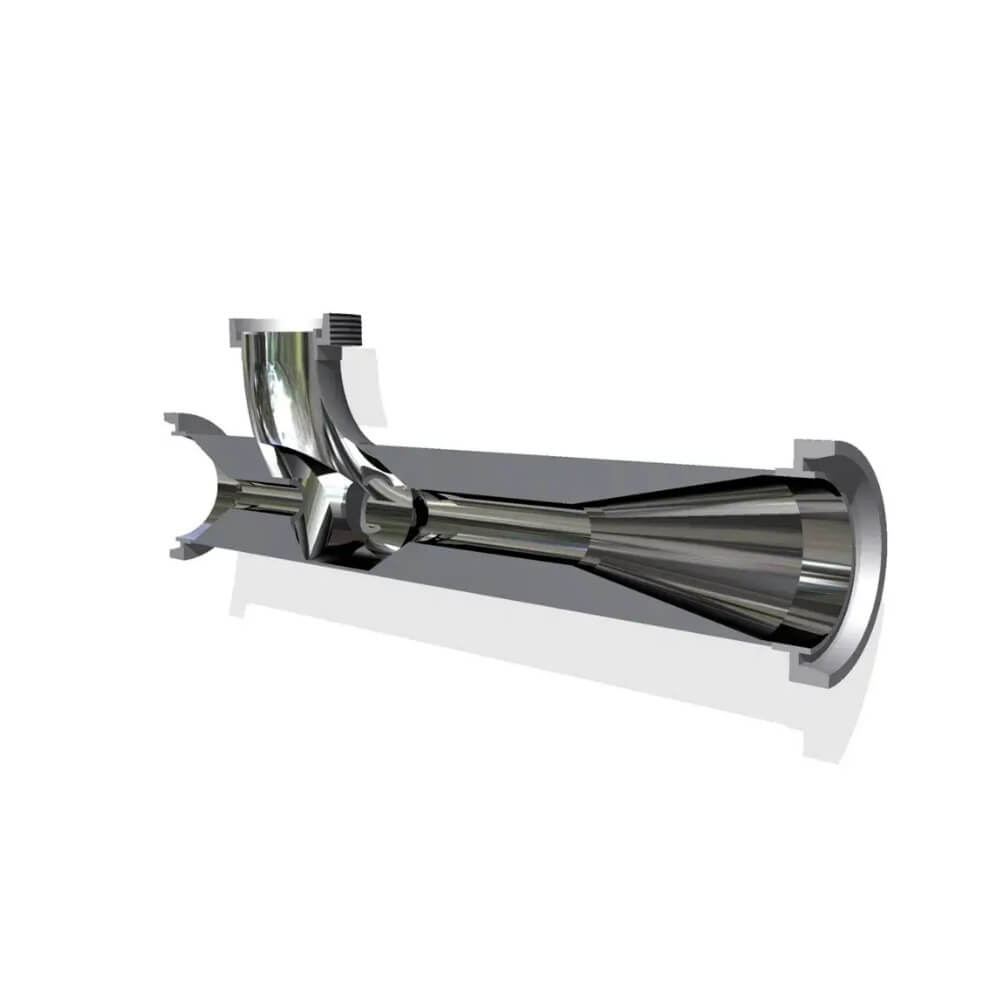
Efficient Jet Mixer for Creams & Lotions
The Jet Mixer uses a high-velocity liquid jet to achieve rapid homogenization in creams and lotions production, without introducing strong mechanical shear. It excels in beverage and liquid-phase tanks where fast blending of oils, waxes, emulsifiers, and active ingredients is required with minimal foaming or air entrainment. Its simple geometry makes it easy to integrate, clean, and maintain in hygienic processing environments.
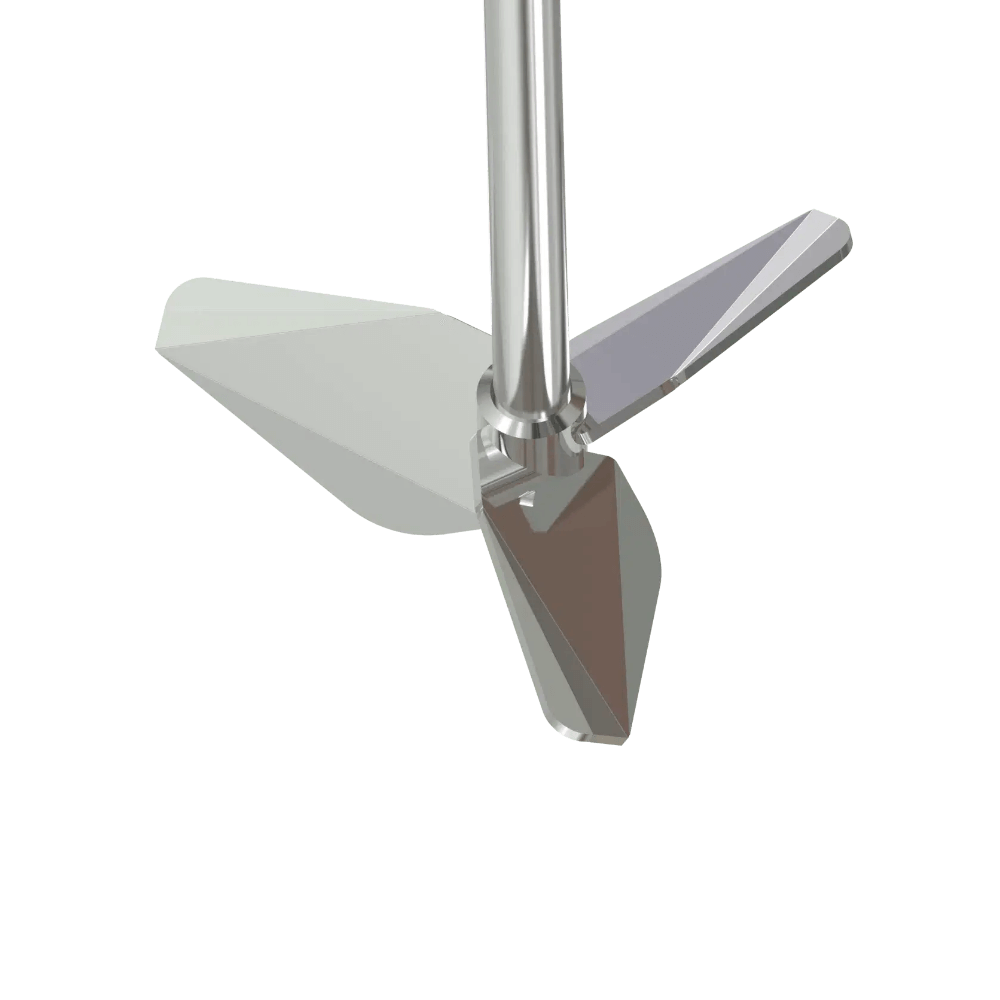
High-Flow Hydrofoil for Creams & Lotions
The Hydrofoil generates high-volume axial flow, making it a powerful solution for large emulsion vessels in creams and lotions production. It prevents thermal stratification and keeps oils, waxes, emulsifiers, and active ingredients in steady motion with minimal turbulence. The optimized blade profile turns drive power into fluid motion efficiently, supporting consistent homogenization at industrial scale.
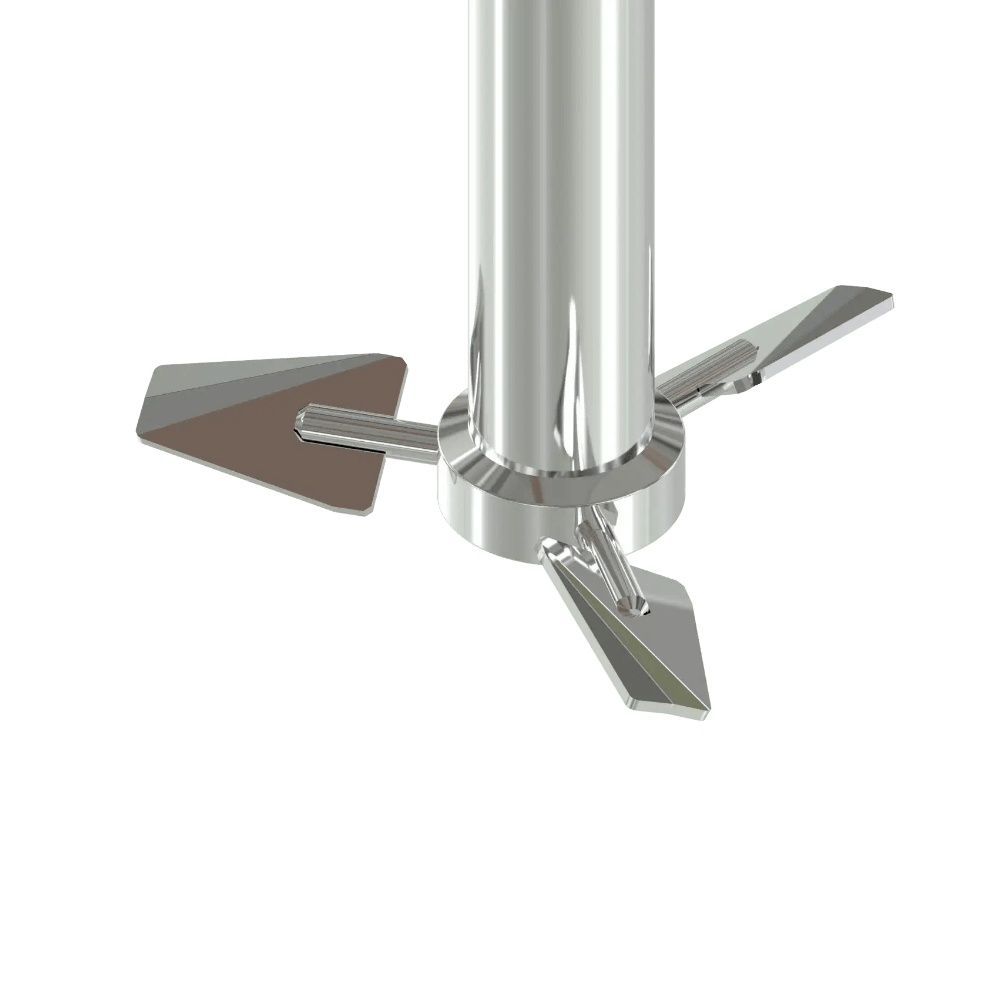
Reinforced Hydrofoil Pin for Demanding Creams & Lotions
The Hydrofoil Pin combines proven hydrofoil performance with reinforced pins for tougher substrates encountered in creams and lotions production. Its structural design handles high-viscosity and high-solids zones where standard impellers might struggle, particularly when stable emulsions and consistent viscosity becomes critical. It delivers reliable mixing where oils, waxes, emulsifiers, and active ingredients are demanding to handle.
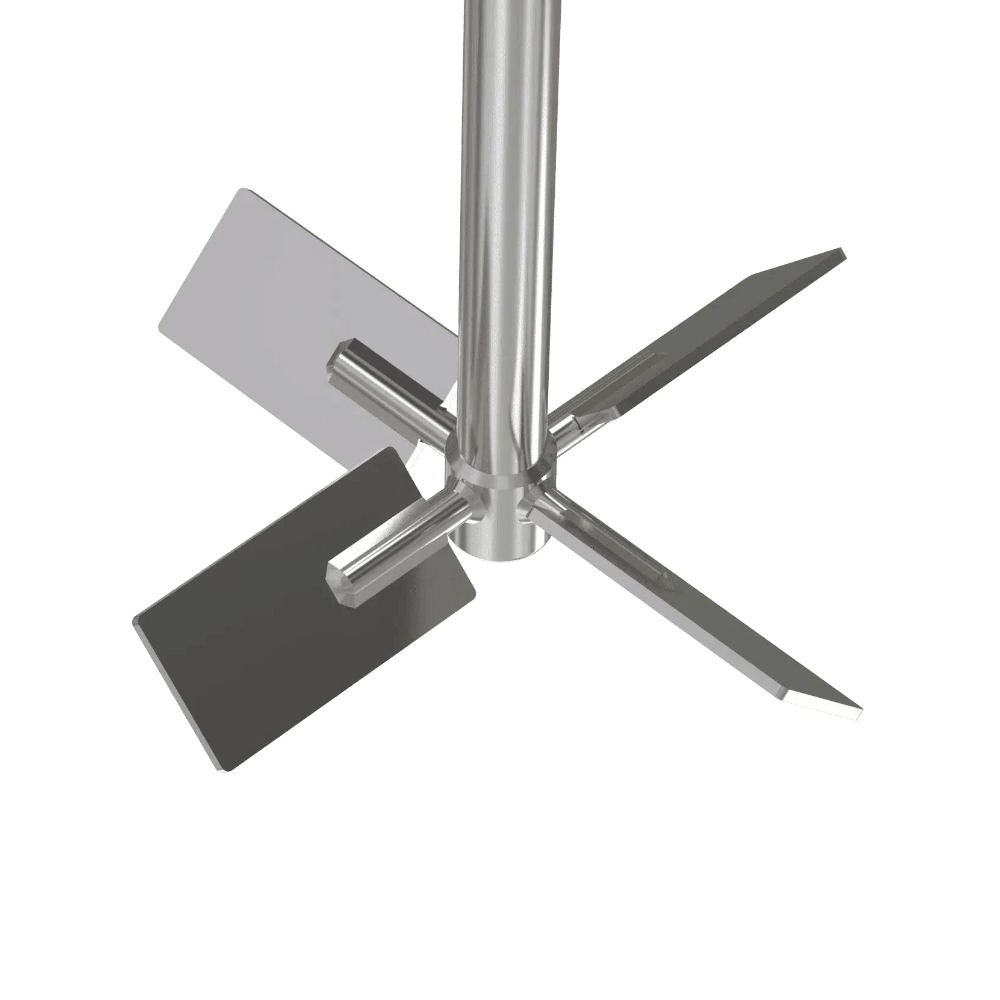
Reliable Axial Flow Turbine for Creams & Lotions
The Axial Flow Turbine is a dependable all-rounder for creams and lotions production, ensuring even distribution of heat and additives throughout emulsion vessels. It prevents stagnant zones and keeps oils, waxes, emulsifiers, and active ingredients in consistent motion across the vessel. Its cost-effective, robust design makes it a go-to choice for stable, continuous operation in creams & lotions.
Heavy-Duty Welded Turbine for Creams & Lotions
Built for maximum durability in continuous creams and lotions production, this welded turbine eliminates bolted connections for superior mechanical integrity. Its smooth profile resists buildup of oils, waxes, emulsifiers, and active ingredients and simplifies cleaning and maintenance in emulsion vessels. It is the preferred choice for industrial-scale creams & lotions that demand long service intervals and high reliability.
Axial Flow Turbine Pin for Challenging Creams & Lotions
Adapted for creams and lotions production involving fibrous materials or high solids content, this turbine uses reinforced pins to cut through stable emulsions and consistent viscosity. It maintains an effective mixing zone even when the composition of oils, waxes, emulsifiers, and active ingredients varies from batch to batch. An essential element for facilities handling inconsistent or demanding substrates in creams & lotions.
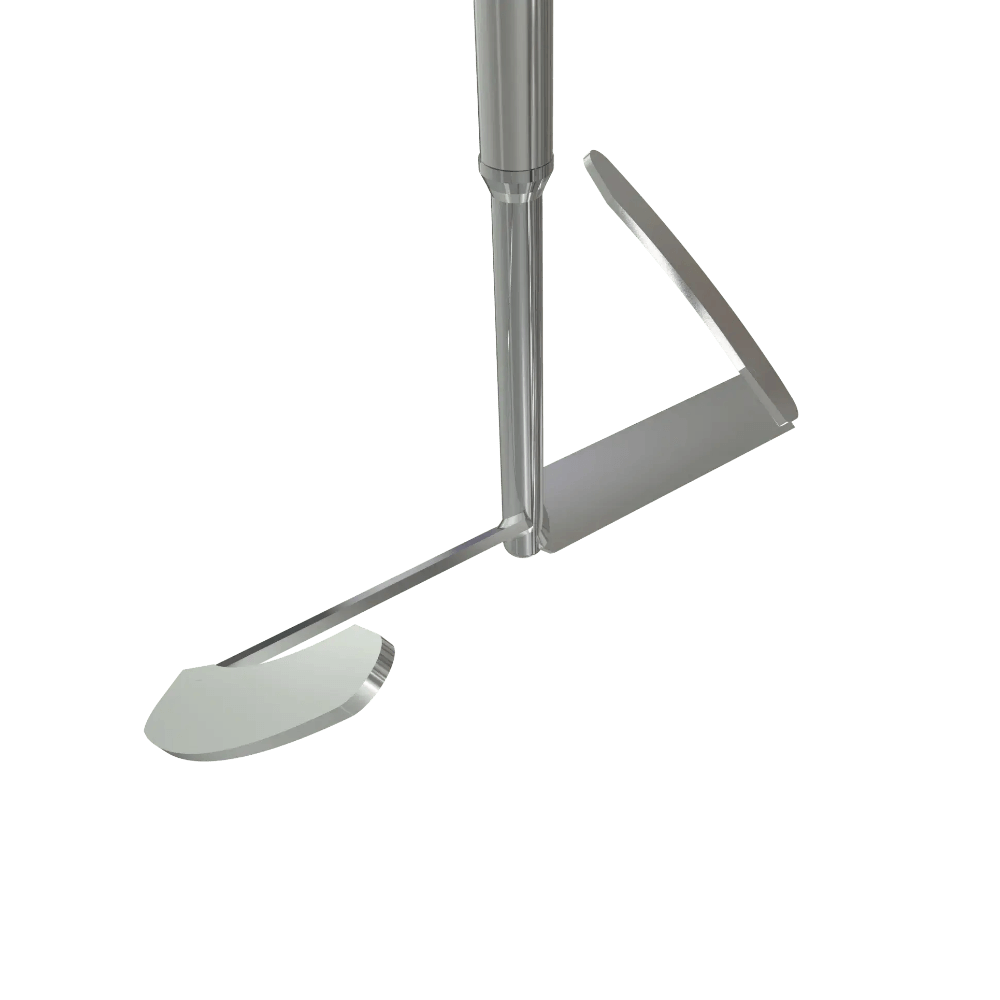
Anchor Mixer for High-Viscosity Creams & Lotions
The Anchor mixer is designed for creams and lotions production with high viscosity, where oils, waxes, emulsifiers, and active ingredients tend to build up on the tank walls. Its close-clearance blades sweep the walls of emulsion vessels, promoting heat transfer and preventing local hot spots or fouling. The ideal solution wherever intensive wall-to-wall homogenization is required.
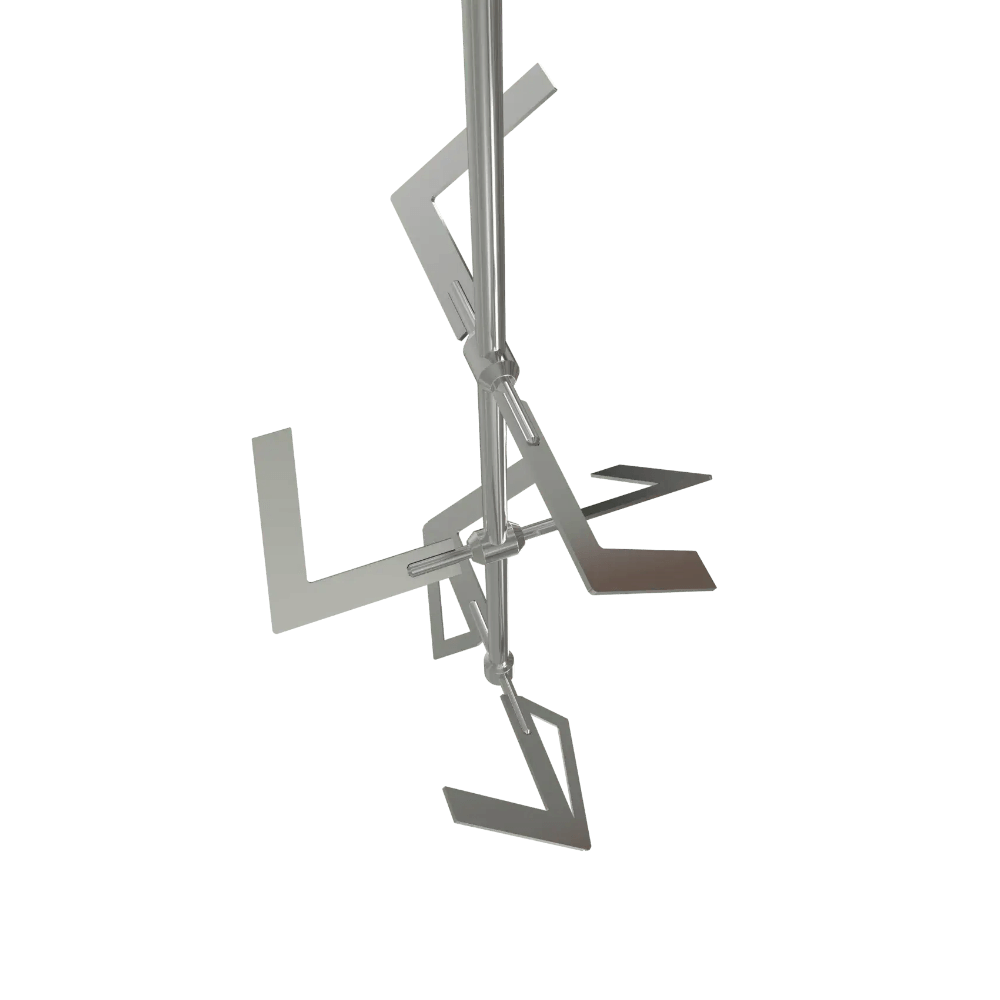
U-Z Turbine for Thorough Creams & Lotions Mixing
The U-Z Turbine combines strong axial flow with a geometry tailored to the demands of creams and lotions production. It ensures complete homogenization of oils, waxes, emulsifiers, and active ingredients in emulsion vessels while keeping shear forces controlled. A versatile solution for processors who need consistent blending across varying batch sizes and viscosities.
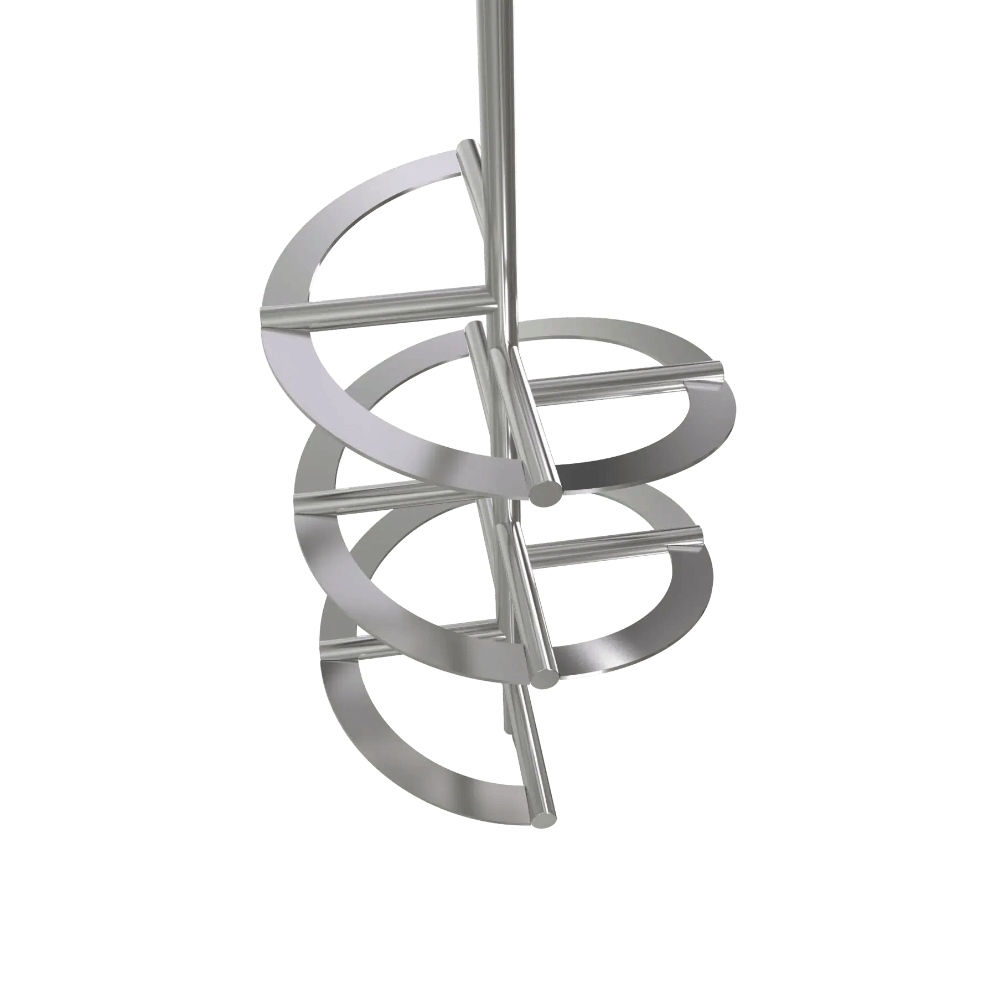
Ribbon Mixer for Intensive Creams & Lotions Blending
The Ribbon mixer is built for the most demanding high-viscosity stages of creams and lotions production. Its double-helical design creates a complex flow pattern that blends additives fully into oils, waxes, emulsifiers, and active ingredients, even when stable emulsions and consistent viscosity comes into play. A critical element for producing creams & lotions with perfectly uniform properties.
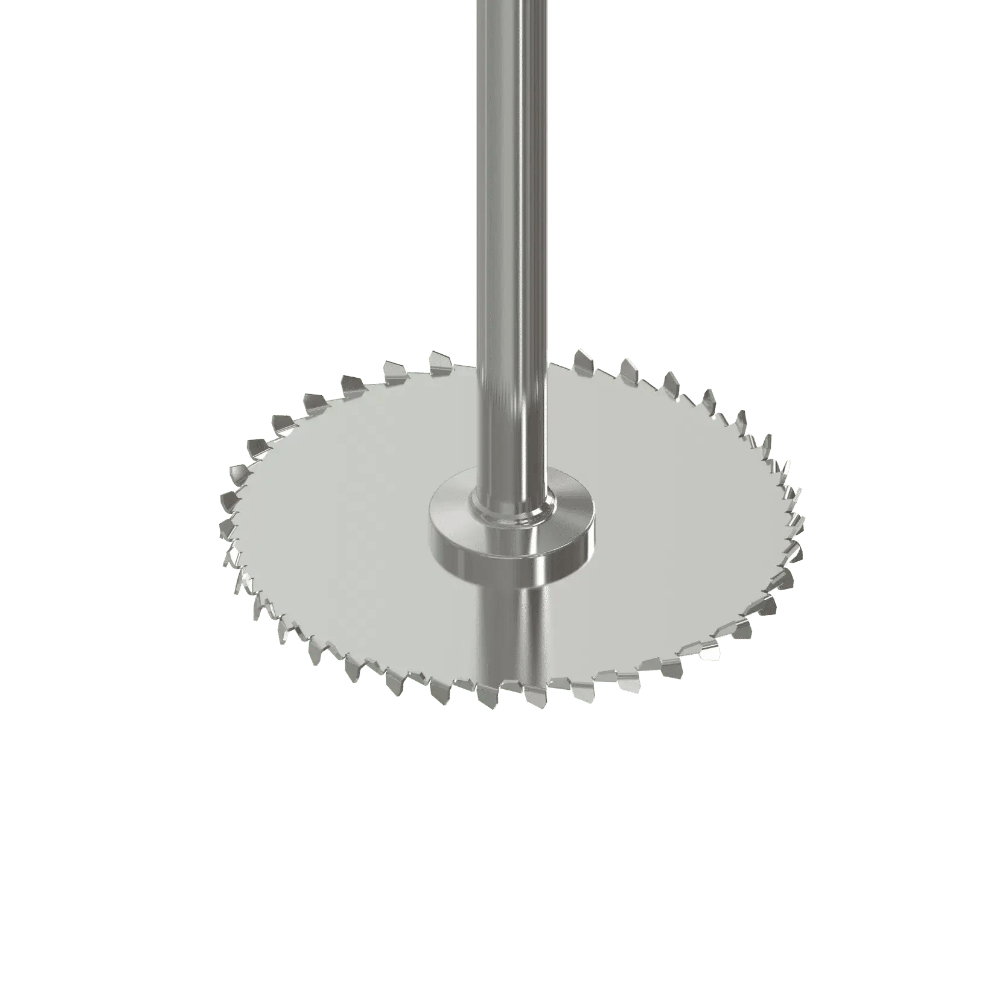
High-Shear Sawblade for Creams & Lotions
The Sawblade disperser generates the extreme shear forces required to break down agglomerates and solid additives in creams and lotions production. It produces a fine, homogeneous dispersion of oils, waxes, emulsifiers, and active ingredients inside emulsion vessels, a step that is vital for consistent product quality. Essential where fine particle distribution makes the difference between good and exceptional creams & lotions.
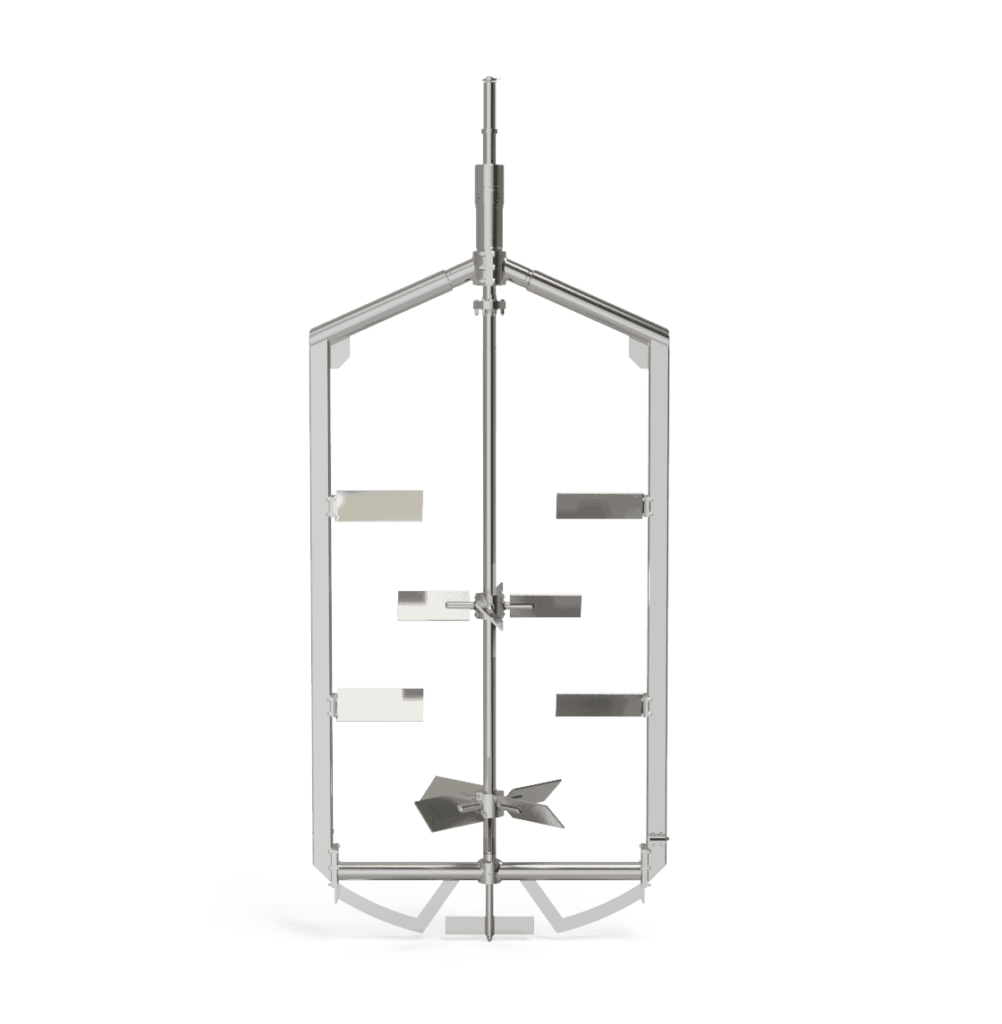
Counter Rotating Mixer for Complex Creams & Lotions
For high-viscosity stages of creams and lotions production, the Counter Rotating Mixer provides intensive homogenization through two impellers turning in opposite directions. It eliminates dead zones in emulsion vessels and creates a highly turbulent environment that fully blends oils, waxes, emulsifiers, and active ingredients. The ultimate solution for thick, challenging batches where standard impellers fall short.
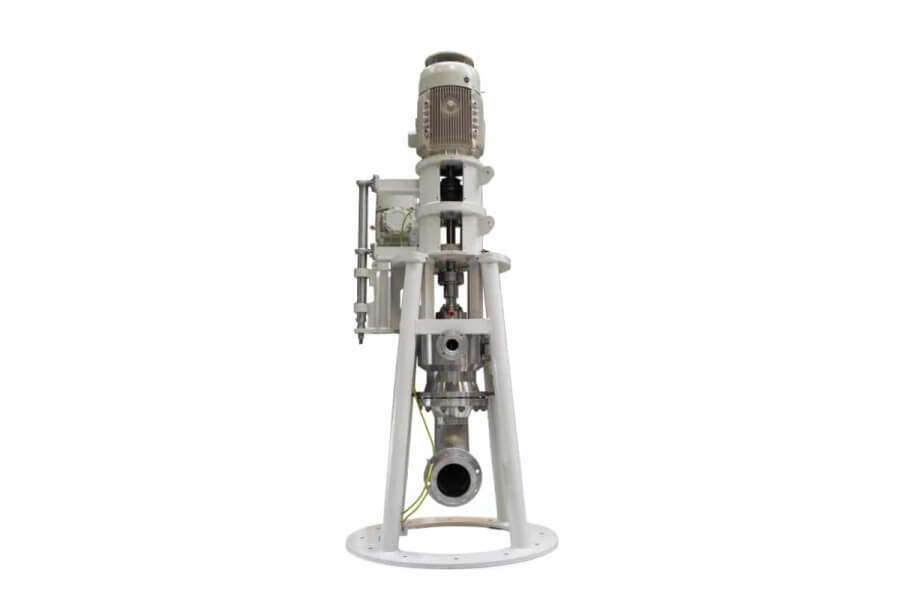
In-line Mixer for Continuous Creams & Lotions
The In-line Mixer blends product as it flows through the pipeline, ideal for continuous stages of creams and lotions production. It delivers fast, reproducible homogenization of oils, waxes, emulsifiers, and active ingredients without the need for an additional batch vessel. A compact solution that saves floor space while maintaining consistent quality in high-throughput creams & lotions.
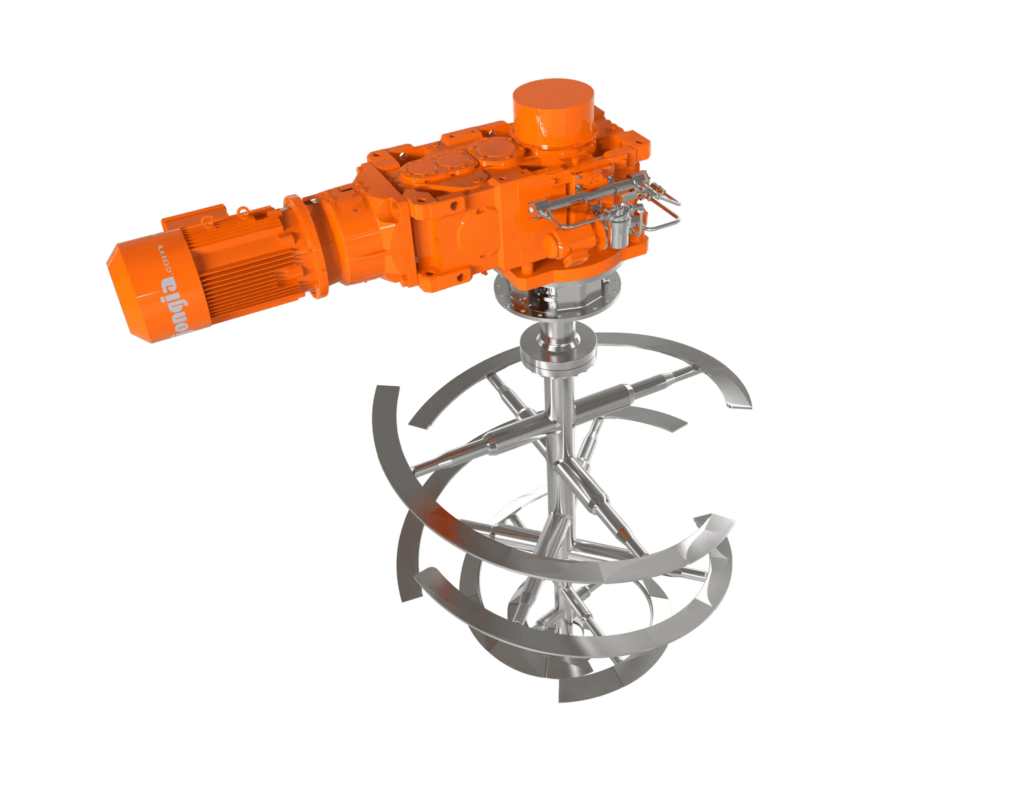
Conical Helix Mixer for High-Viscosity Creams & Lotions
The Conical Helix Mixer is engineered for the most demanding high-viscosity stages of creams and lotions production. Its helical geometry lifts oils, waxes, emulsifiers, and active ingredients from the bottom of emulsion vessels to the top, ensuring full batch circulation even when stable emulsions and consistent viscosity becomes severe. An ideal solution for thick, sticky products that resist conventional impellers.
Pharma & Personal Care Applications
How are creams & lotions made?
Creams can come from an oil-in-water or water-in-oil emulsion. These oils come from emollients that also make the body cream spreadable. Next, perfume, color and preservatives are added to the oil. Depending on the type of cream, additional products are always added. For example, extra essential oil is good for sensitive skin and there are various substances that ensure younger/smooth skin.
Depending on the raw materials and the desired properties of the final product, the active ingredients are dispersed in both stages. A typical manufacturing process looks as follows:
Flakes/powdered ingredients, such as cetyl alcohol and stearic acid, sometimes mixed dry beforehand, are dispersed in the oil phase. The melting of some ingredients may require heating, the temperature for melting these ingredients range between 45-85 degrees. This does depend on the formulation and viscosity. After all these ingredients and substances are added together, it is mixed until the final product is homogeneous.
Although each manufacturer have their own special ways of producing cream and lotions, the process can roughly be divided into two steps:
- Mixing/emulsifying
- storage
Although each manufacturer have their own special ways of producing cream and lotions, the process can roughly be divided into two steps:
- Mixing/emulsifying
- storage
Mixing
The basic product for creams & lotions is generally prepared in premix tanks. The viscosity of the mixture runs from 1-50.000 cP, or even higher.
The general purpose can be split in two;
To mix/dissolve several (difficult to dissolve) powders like thickeners (carbopol, gums etc.) and liquids into a lump free solution. For this Jongia’s “Dual mixing system”, with rotor/stator, supported by a turbine agitator is an excellent choice. The powerful mixing capabilities of the rotor/stator create high shear, necessary to realize the shortest possible time. The turbine agitator is designed for increasing viscosities, to support the rotor/stator during the mixing process.
Mixing/Emulsifing
Of a water phase and an oil based liquid, to get a high viscous and stable emulsion. For this Jongia’s ”anchor/high shear” mixing system is an excellent choice. The high shear mixer is used for emulsification of the liquid. In some cases supported by an external system (an in-line high shear mixer for example).
The anchor stirrer provides the overall homogeneity in the vessel, without damaging the product and/or process.
Storage
Several ingredients need to be kept homogeneous in storage tanks depending on the type of product produced. These in general sensitive (and higher viscous) products requires gentle treatment, low energy input and a minimum of air intake (air may cause problems during filling).
The top entry agitator type LD is fit for this step of the production process.
References:
Unilever, Beiersdorf, Suominen Codi, Americol
Frequently Asked Questions
What are the main benefits of using creams and lotions?
Creams and lotions moisturize the skin, helping restore hydration and nourishment. Ingredients like glycerol and hyaluronic acid draw moisture, while fatty substances soften skin. Additionally, UV filters in certain creams help protect from sun damage, reducing wrinkle formation and maintaining skin health.
How are creams and lotions formulated?
Creams can be oil-in-water or water-in-oil emulsions. Ingredients like shea butter, essential oils, and preservatives are added for function and stability. The production involves melting, mixing powders, and ensuring a homogeneous final product, with variable heating and ingredient inclusion based on formulation needs.
What role do preservatives play in creams?
Preservatives are critical in creams as they extend shelf life by preventing microbial growth. This ensures the creams remain safe and effective for use over time. Proper preservation helps maintain the integrity of the product, allowing consumers to enjoy the benefits without risk.
How does the mixing process affect cream quality?
The mixing process directly impacts the cream’s consistency and effectiveness. High shear mixing creates a lump-free solution, ensuring even distribution of ingredients. Proper emulsification leads to stable, viscous products, while careful handling during storage prevents air contamination and preserves quality.
Can creams contain fragrances and dyes?
Yes, many creams contain fragrances for pleasant scents and dyes for coloring effects, such as tanning. These additives enhance user experience and appearance, while maintaining skin health. The inclusion of such elements is common across various cream formulations, catering to different consumer preferences.
Pharma & Personal Care - Contacts

Sales Director
Tom Pruymboom

Area Sales Manager
Teun van der Spek
Pharma & Personal Care - Related Articles
Fermentation & Bioreactor Mixing Process
Bioreactors and Fermenters are culture systems to produce cells or organisms. They are used in various applications, including basic research and development, and the manufacturing of biopharmaceuticals, food and food additives, chemicals, and other products. A broad range of cell types and organisms can be cultivated in bioreactors and Fermenters, including cells (like mammalian cell lines, insect cells, and stem cells), microorganisms (like bacteria, yeasts, and fungi), as well as plant cells and algae. The words “Bioreactor” and “Fermenter” are basically the same thing.
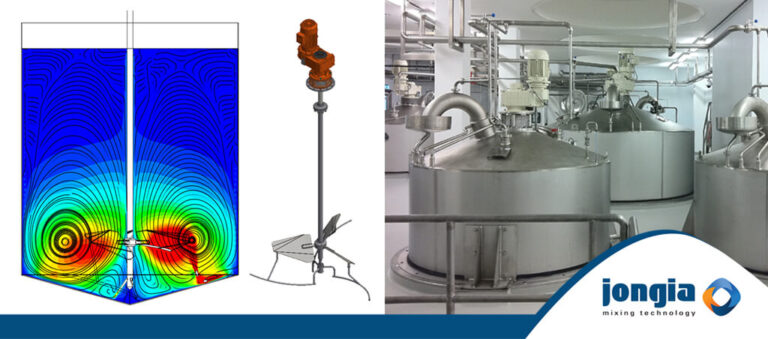
The crystallization process in the pharmaceutical industry
Jongia Mixing Technology has initiated numerous mixing processes all over the world using her agitators. In some of these mixing
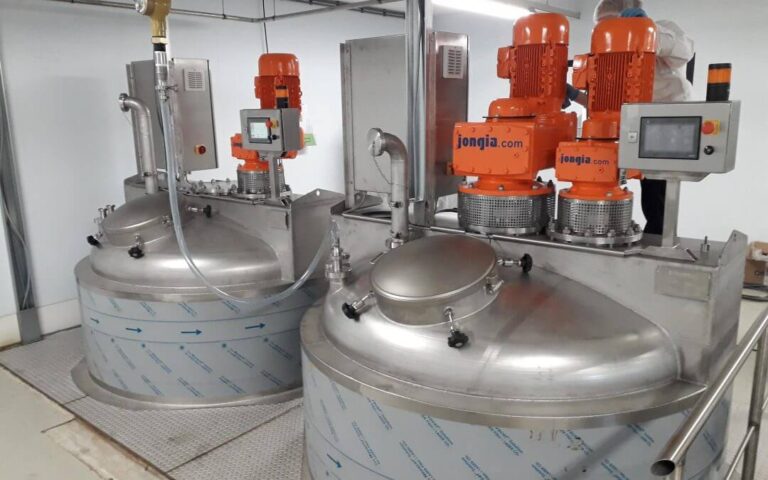
Jongia supplies agitators for expansion of Mades
Mades is a leading manufacturer of personal care products such as shampoos and lotions. The products are sold all over