








Fraud Blocker Industrial Agitators Crude Oil Products - Jongia Mixing Technology
petrochemical crude oil

Crude oil

Crude oil is a naturally occurring liquid petroleum product consisting of hydrocarbon deposits and other organic materials formed from the remains of animals and plants that lived millions of years ago. These organisms were covered by layers of sand, silt and rock, subjected to heat and pressure, and eventually converted into a type of fossil fuel that is refined into useful products such as gasoline, diesel fuel, liquefied petroleum gas and raw materials for the petrochemical industry.

Industrial Mixers Chemical & Petrochemical

Maximum performance at minimum power input

Industrial Mixers for Food & Beverages

Crude oil market trends

The main types of crude oil are transportation, industrial and other types. Industrial refers to a business whose main activity is producing goods. Natural is organic and conventional. The various end users involved food and beverage, personal care and cosmetics, biofuel and energy, pharmaceuticals, and other end users.

The global crude oil market size is expected to grow from $1.35 trillion in 2021 to $1.41 trillion in 2022 at a compound annual growth rate (CAGR) of 4.2%. The global crude oil market is expected to grow to $1.47 trillion in 2026 at a compound annual growth rate (CAGR) of 1.0%.

This can be attributed to the rising demand for fossil fuels to meet energy needs around the world, especially in developing countries such as China and India, and the expected stabilization of oil and gas prices. Fossil fuels are made from decomposing plants and animals. These fuels are found in the Earth’s crust and contain carbon and hydrogen, which can be burned for energy. Crude oil, or petroleum, is a liquid fossil fuel consisting mainly of hydrocarbons (hydrogen and carbon compounds). Oil can be found in underground reservoirs, in the cracks, crevices and pores of sedimentary rocks, or in tar sands near the Earth’s surface. For example, according to the Center for Strategic and International Studies, coal accounted for 56.8% of China’s energy consumption in 2020. The rising demand for fossil fuels to meet energy needs around the world is therefore driving crude oil market growth.

Mixing elements for bitumen

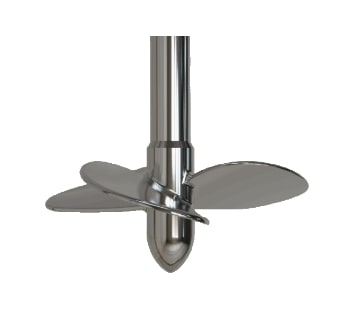
Propeller Mixer for Crude Oil Homogenization

The Propeller is a fundamental tool for preventing BS&W (Basic Sediment and Water) accumulation in crude oil storage tanks. Its axial flow keeps heavy particles and waxes in suspension, ensuring the oil remains uniform for transport and refining. This reliable element is essential for maintaining crude oil quality in large reservoirs.

High-Efficiency Hydroprop for Crude Oil Storage

Designed for massive crude oil tanks, the Hydroprop provides maximum turnover with minimal energy input. It ensures consistent temperature throughout the tank and prevents the formation of sludge layers. Its durable design is built to withstand the harsh conditions of oil terminals and refineries while optimizing operational efficiency.

Advanced Biofoil for Gentle Crude Oil Mixing

The Biofoil is a high-performance mixer for applications where low shear forces are required. It generates massive flow to ensure the crude oil remains perfectly mixed without excessive turbulence. It is the ideal choice for operators looking to balance high turnover rates with a gentle touch in large-scale storage tanks.

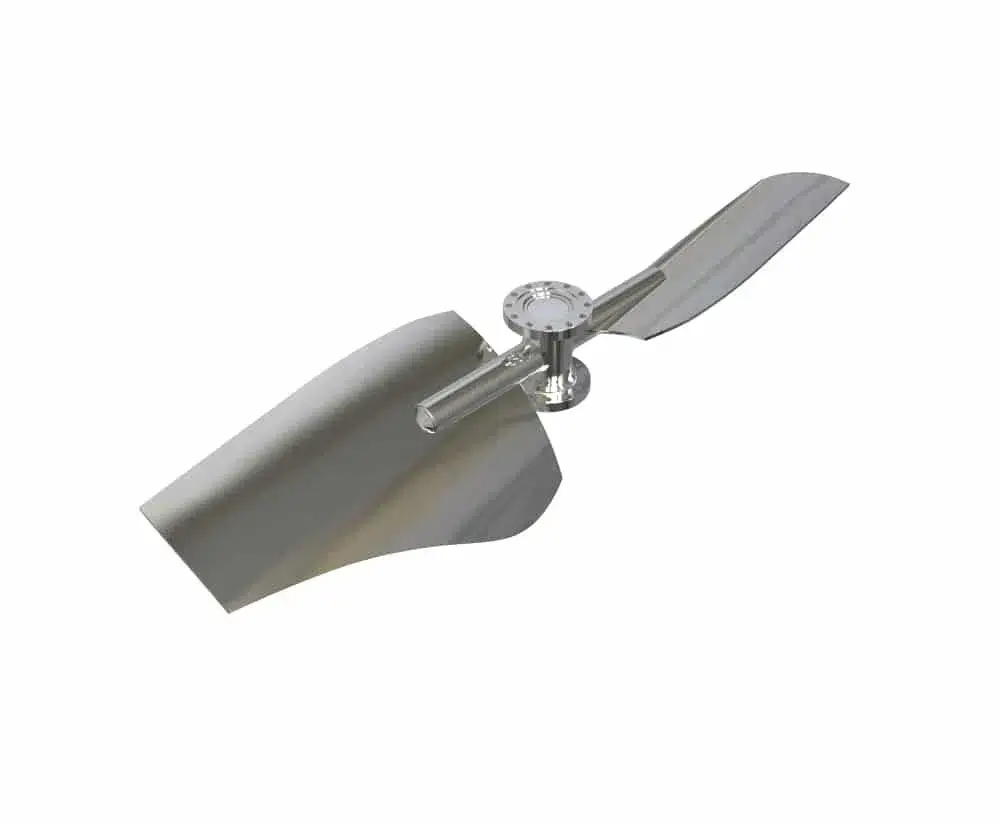
High-Flow Hydrofoil for Crude Oil Homogenization

The Hydrofoil is a powerhouse for crude oil homogenization, designed to create a high-volume axial flow. It prevents thermal stratification in large tanks and ensures a steady process by maintaining constant turnover. Its profile converts power into fluid motion with minimal turbulence, ensuring even distribution of components throughout the tank.

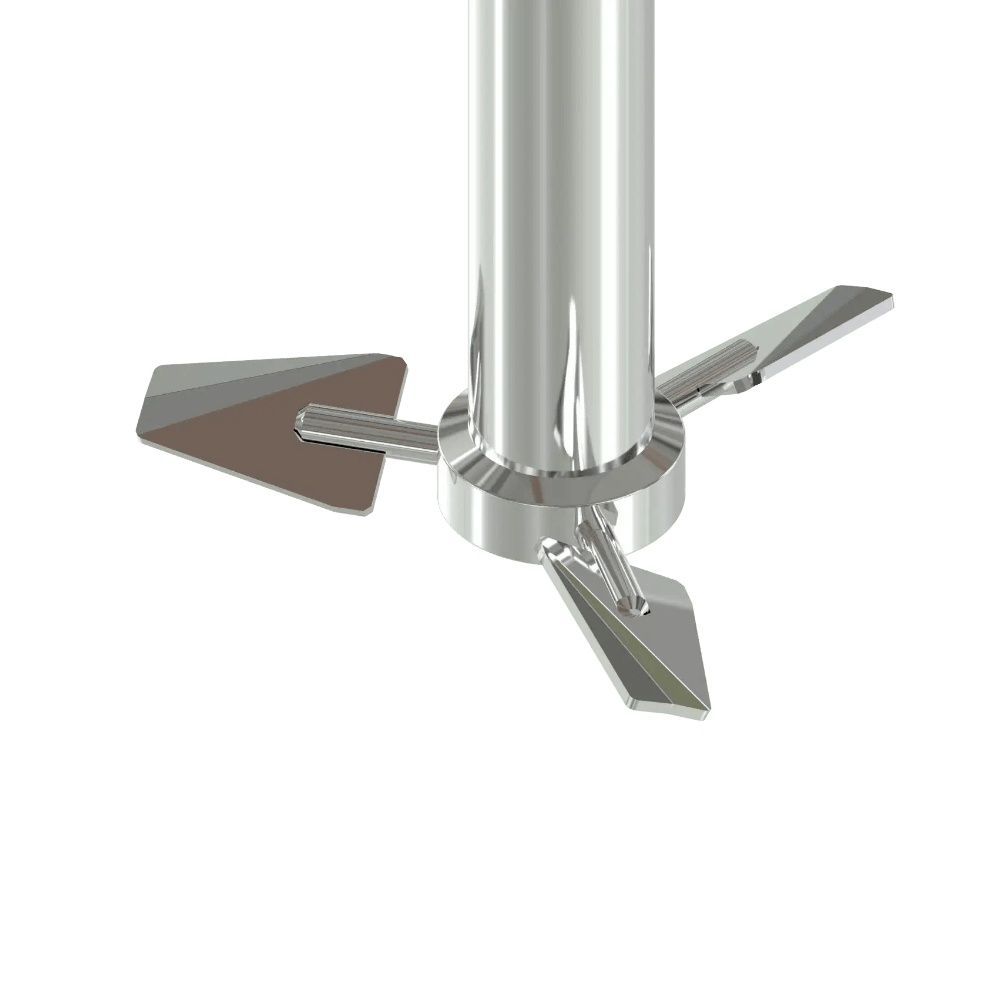
Hydrofoil Pin Mixer for Heavy Crude Oil Applications

Reinforced for challenging environments, the Hydrofoil Pin handles crude oil with high solids content or heavy sediments. The “Pin” design provides additional structural integrity, allowing the mixer to operate reliably in high-viscosity zones. This makes it an indispensable tool for maintaining flow in tanks where heavy sediments might otherwise settle.

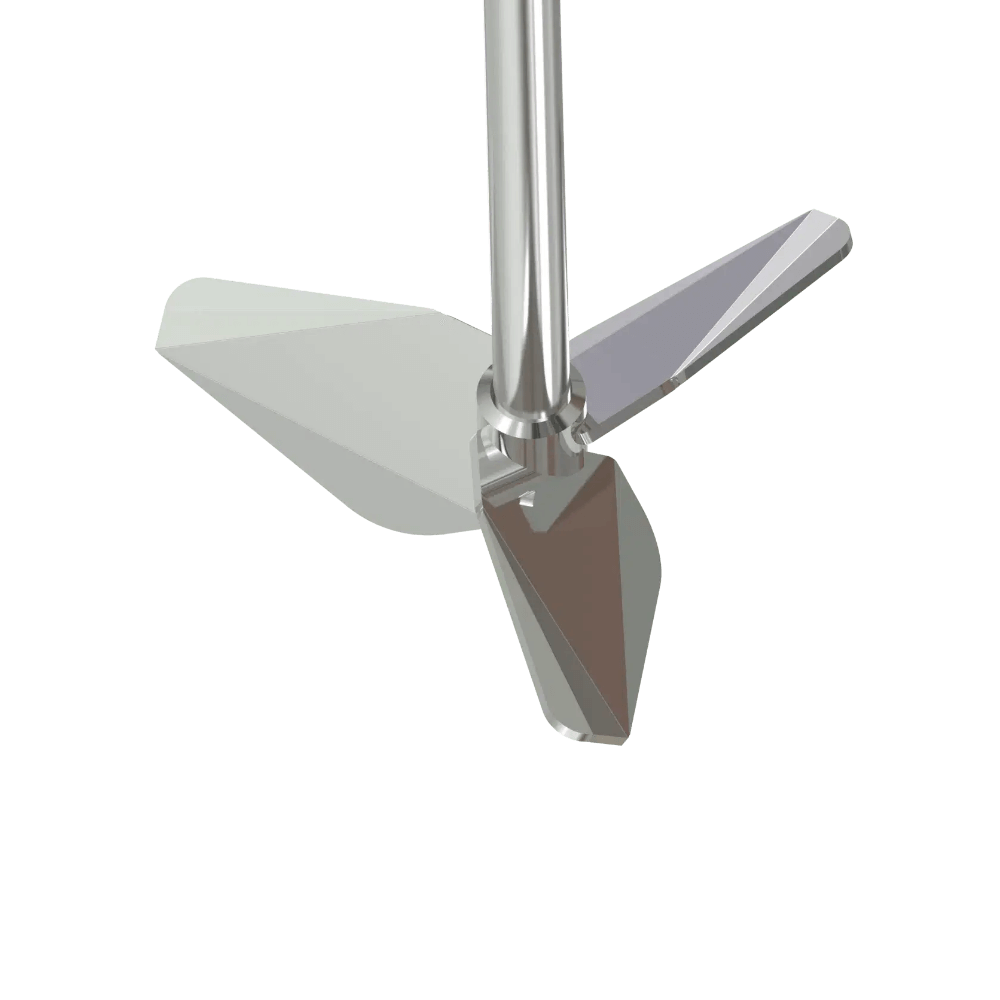
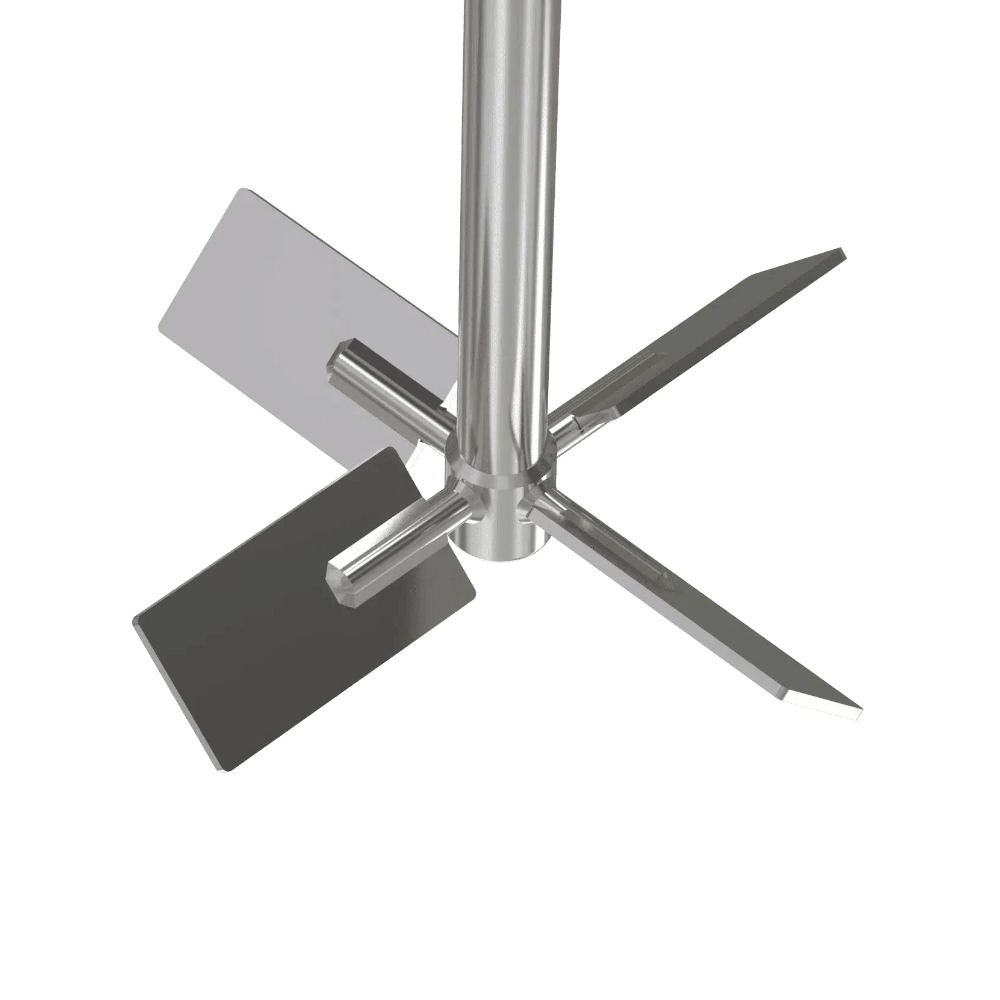
Universal Axial Flow Turbine for Crude Oil

This versatile all-rounder ensures uniform distribution of heat and components across crude oil storage vessels. By generating a strong axial flow, it prevents the formation of stagnant zones and sludge buildup. Its reliable and simple design makes it a cost-effective solution for maintaining crude oil quality in refineries and terminals.

Heavy-Duty Welded Turbine for Crude Oil Processing

Built for maximum durability, the Welded Axial Flow Turbine features a smooth profile that resists material buildup. By eliminating bolted connections, it simplifies maintenance and offers long-term reliability in harsh petrochemical environments. It is the preferred choice for industrial-scale crude oil projects requiring continuous operation and high mechanical integrity.

Axial Flow Turbine Pin for Solid-Rich Crude Oil

Specifically adapted for crude oil processes involving high concentrations of solids, this turbine features reinforced pins. It ensures the mixer remains efficient even when oil quality varies. It is particularly effective at cutting through dense sediment layers and maintaining a clean, effective mixing process in large storage and processing tanks.

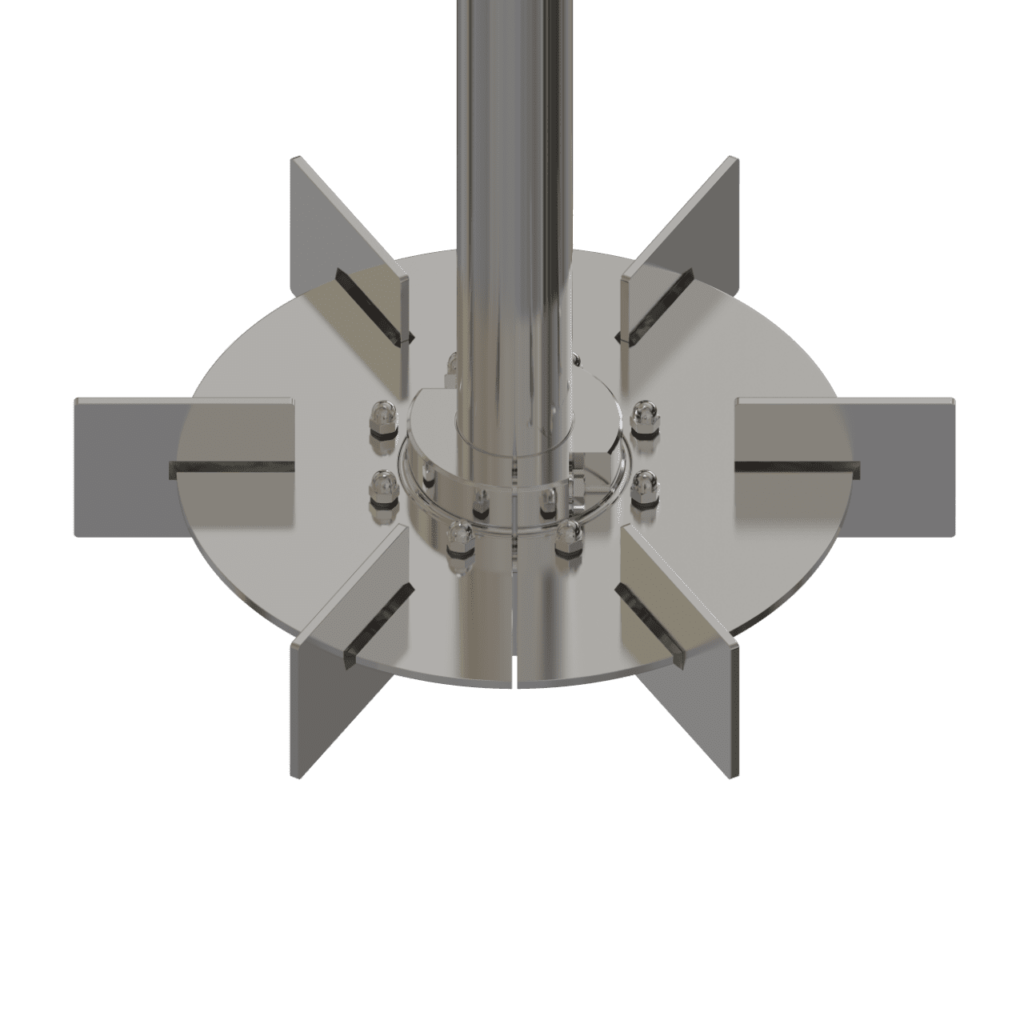
Rushton Turbine for Intensive Crude Oil Dispersion

The Rushton Turbine is the industry standard for high-shear applications in crude oil processing. It provides excellent gas-liquid dispersion and high power input for demanding chemical treatments or gas induction phases. Its design is optimized for maximum mass transfer, making it the preferred choice for intensive industrial crude oil processes.

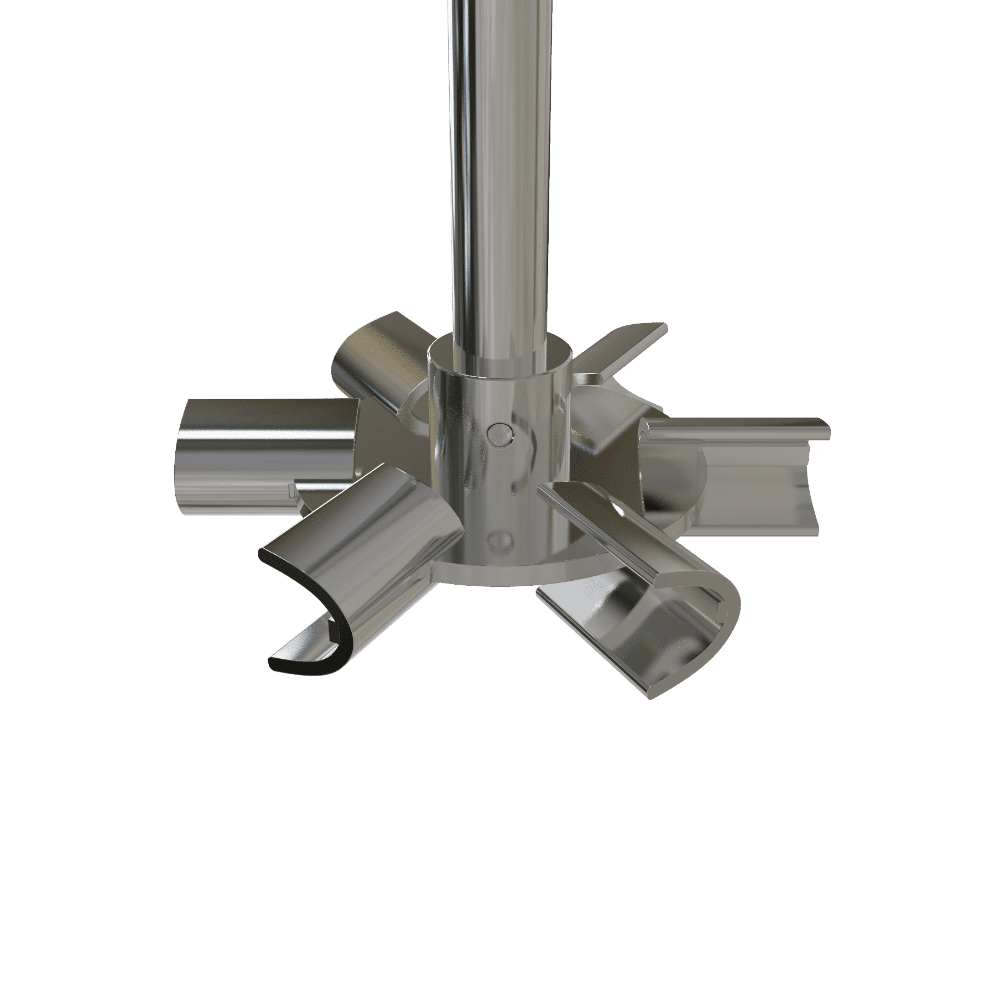
Concave Turbine for Efficient Crude Oil Gas Mixing

The Concave Turbine is an advanced version of the Rushton design, offering improved gas handling capacity in crude oil reactors. Its concave blades prevent gas flooding and ensure consistent power draw even at high gas rates. This makes it ideal for complex processes where stable gas-liquid interaction is paramount for treatment.

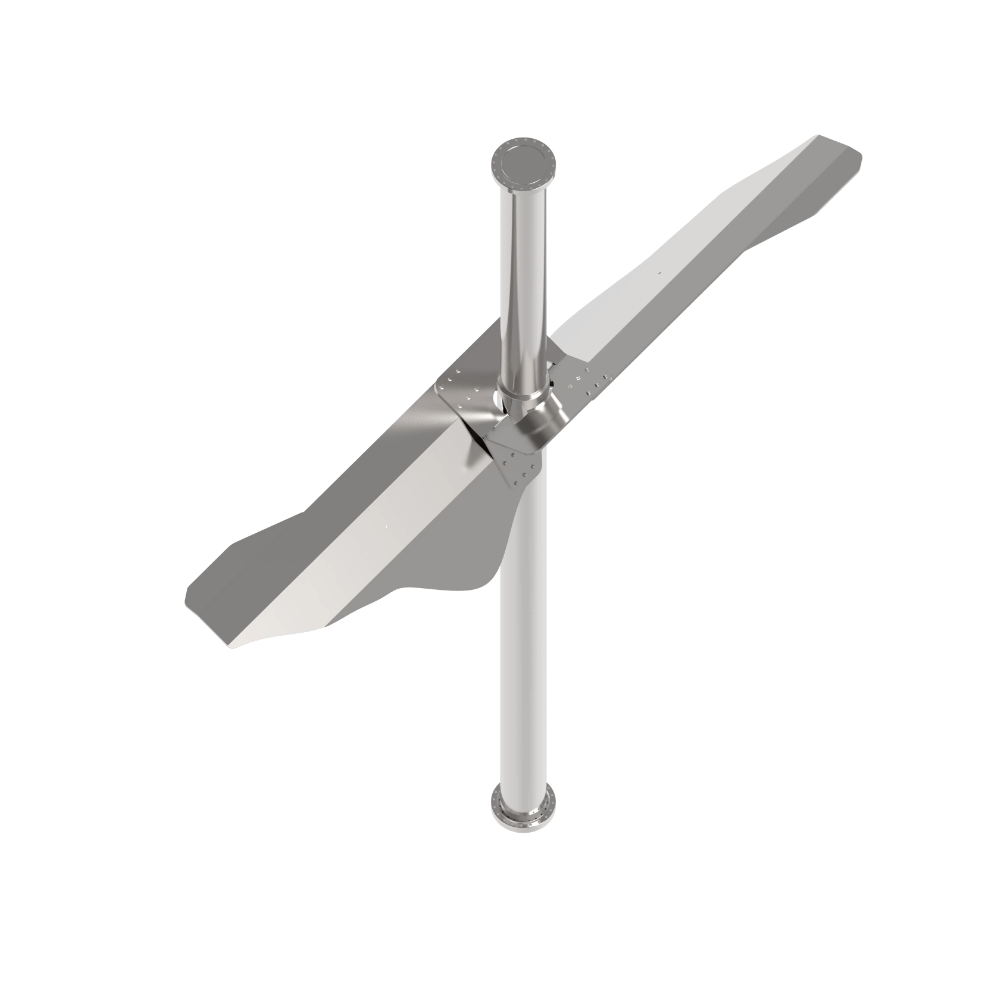
Counter Rotating Mixer for Heavy Crude Oil Blending

For complex crude oil blends with high viscosity, the Counter Rotating Mixer provides intensive homogenization. By using two impellers rotating in opposite directions, it eliminates dead zones and creates a highly turbulent mixing environment. This is the ultimate solution for blending heavy oils and additives into a uniform industrial product.

Crude oil innovations

Digital oilfield technology has recently been used by oil and gas extraction companies to improve oil and gas production. Digital technologies in oil fields include high-performance drilling, advanced electric submersible pumps, and 3D seismic imaging and reservoir modeling. The digitization of oil fields facilitates the efficient use of human resources, thus optimizing the profitability of oil production by ten percentage points.

Major players in the crude oil market include Royal Dutch Shell, Exxon Mobil Corporation, BP Plc, Rosneft and Kuwait Petroleum Corporation.

In May 2109, NRG Energy, an American natural gas and electricity generation company, acquired Stream Energies, for example, for $300 million. Through this acquisition, NRG Energy is buying retail electricity and natural gas companies, which helps strengthen NRG’s position as a growing, customer-focused energy company. Stream Energy is a US-based company that produces electricity and natural gas.

Asia-Pacific was the largest region in the crude oil market. The regions covered in the global crude oil market report are Asia Pacific, Western Europe, Eastern Europe, North America, South America, the Middle East and Africa.

The countries covered in the crude oil market report are Argentina, Australia, Austria, Belgium, Brazil, Canada, Chile, China, Colombia, Czech Republic, Denmark, Egypt, Finland, France, Germany, Hong Kong, India, Indonesia, Ireland, Israel, Italy, Japan, Malaysia, Mexico, Netherlands, New Zealand, Nigeria, Norway, Peru, Philippines, Poland, Portugal, Romania, Russia, Saudi Arabia, Singapore, South Africa, South Korea, Spain, Sweden, Switzerland, Thailand, Turkey, United States, Venezuela and Vietnam. 

Frequently Asked Questions

What is crude oil?

Crude oil is a naturally occurring liquid petroleum product formed from the remains of ancient organisms. Over millions of years, heat and pressure converted these remains into fossil fuels, which are then refined into products like gasoline and diesel fuel.

The main types of crude oil include transportation, industrial, and others. The industrial type refers to businesses that produce goods. These categories serve various end users across sectors like food, pharmaceuticals, and energy.

The global crude oil market is expected to grow due to the rising demand for fossil fuels, particularly in developing countries. The projected market size growth reflects increasing energy needs and stabilizing oil and gas prices worldwide.

Digital oilfield technology enhances production efficiency in oil extraction. Innovations include advanced drilling techniques and 3D modeling, leading to optimized resource use and improved profitability. This technological advancement is crucial for staying competitive in the market.

Asia-Pacific is the largest region in the crude oil market, followed by Western and Eastern Europe, North America, and South America. Key countries include China, the United States, and Russia, among others, underscoring the market’s global scope.

Petrochemical Industry Contacts

Petrochemical – Related Articles

Scroll to Top

Download
Paint & Coatings Industry Leaflet

We will send the PDF to your email address.

paint & coatings
Paint & Coatings Leaflet

Please visit our Privacy Policy to understand how we manage your data.

Download
Juice Industry Leaflet

We will send the PDF to your email address.

juice industry
Juice Industry Leaflet

Please visit our Privacy Policy to understand how we manage your data.