


Medicines
Medications are often tablets, capsules or liquids that make people feel better. These medicines contain an agent called the active ingredient. The active ingredient is a molecule that acts on your body to then make you feel better. It can be molecules derived from natural products such as plants, in addition, these molecules can also be made in labs. Many people use drugs in many different types and volumes. For example, in the United States alone, 66% of adults use prescription drugs.
The usage of medicines
Often when people need a medication they get a medical certificate from the doctor, the pharmacy needs this official certificate to actually supply the medication. This is to prevent the misuse of medicines, for example if someone has an addiction to strong painkillers it would not be good if they were allowed to get this without a doctor’s certificate.
Many drugs work on the basis of cells that are in the body. For example, they can stop pain or lower blood pressure. Other drugs such as antibiotics work by killing bacteria or viruses to stop infections. Throughout history, drugs have been discovered by scientists trying to cure diseases; some have been discovered by accident.
For example, Penicillin was discovered in 1928 because a researcher (Alexander Fleming) saw a solution to combat influenza. During his research, he saw a clear bacteria-free zone in a moldy petri dish. From this it later became known that it contained the antibiotic penicillin. A drug that is still used today.
Mixing elements for Pharmaceutical Production
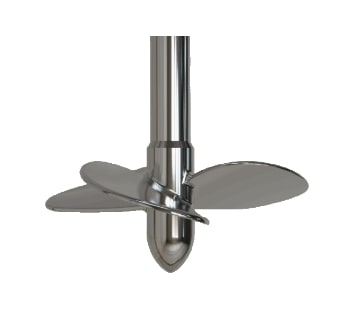
Versatile Propeller Mixer for Pharmaceutical Production
The Propeller is a workhorse in pharmaceutical production, keeping APIs, excipients, and solvents in uniform suspension inside pharmaceutical reactors. Its axial flow prevents settling and ensures consistent distribution of every component throughout the batch. Energy-efficient and reliable, it adapts to the viscosity changes typical of pharmaceutical production without loss of performance.
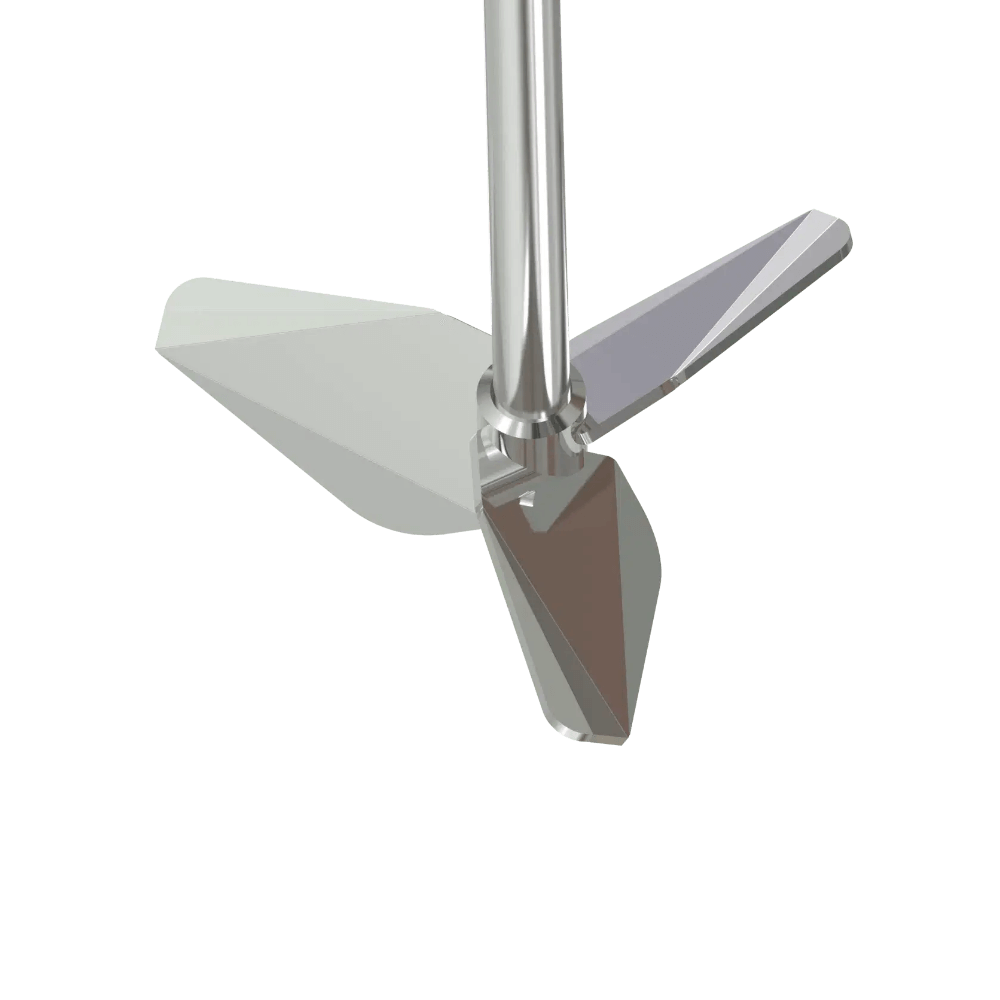
High-Flow Hydrofoil for Pharmaceutical Production
The Hydrofoil generates high-volume axial flow, making it a powerful solution for large pharmaceutical reactors in pharmaceutical production. It prevents thermal stratification and keeps APIs, excipients, and solvents in steady motion with minimal turbulence. The optimized blade profile turns drive power into fluid motion efficiently, supporting consistent homogenization at industrial scale.
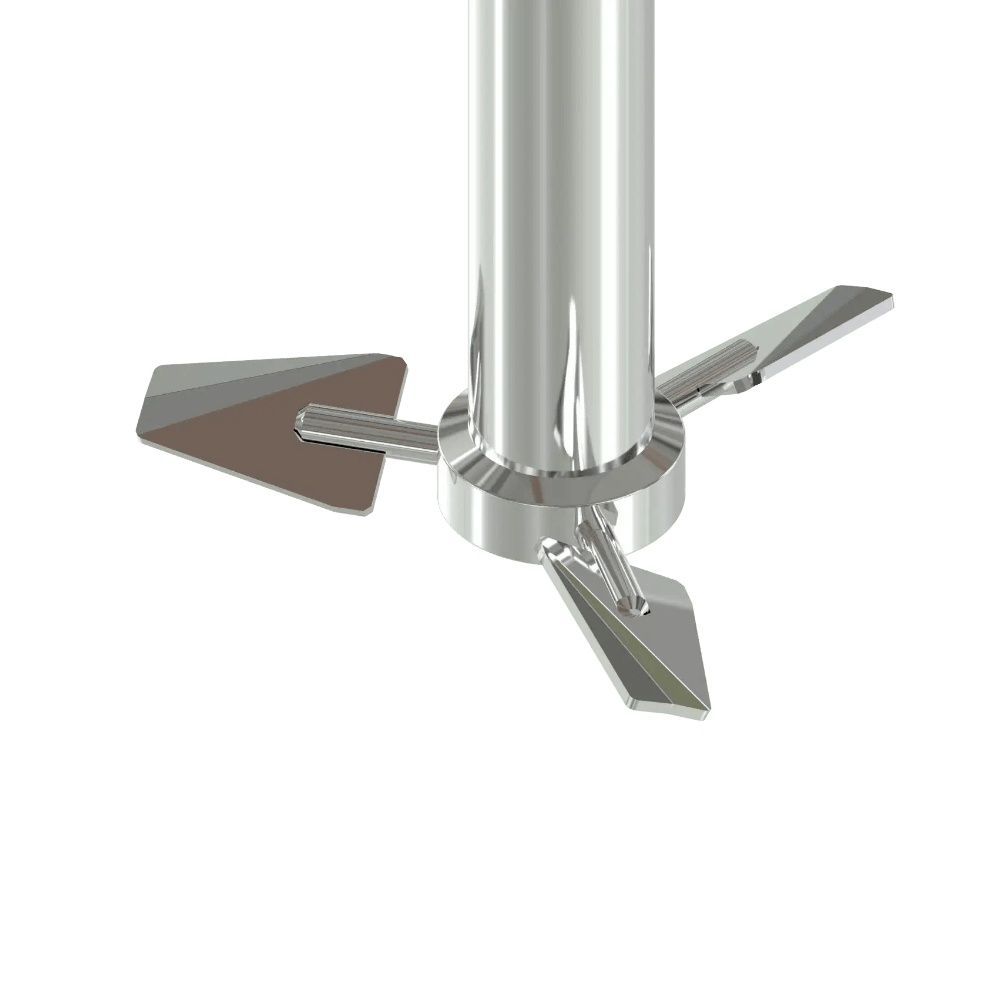
Reinforced Hydrofoil Pin for Demanding Pharmaceutical Production
The Hydrofoil Pin combines proven hydrofoil performance with reinforced pins for tougher substrates encountered in pharmaceutical production. Its structural design handles high-viscosity and high-solids zones where standard impellers might struggle, particularly when GMP-compliant homogeneity and validated mixing becomes critical. It delivers reliable mixing where APIs, excipients, and solvents are demanding to handle.
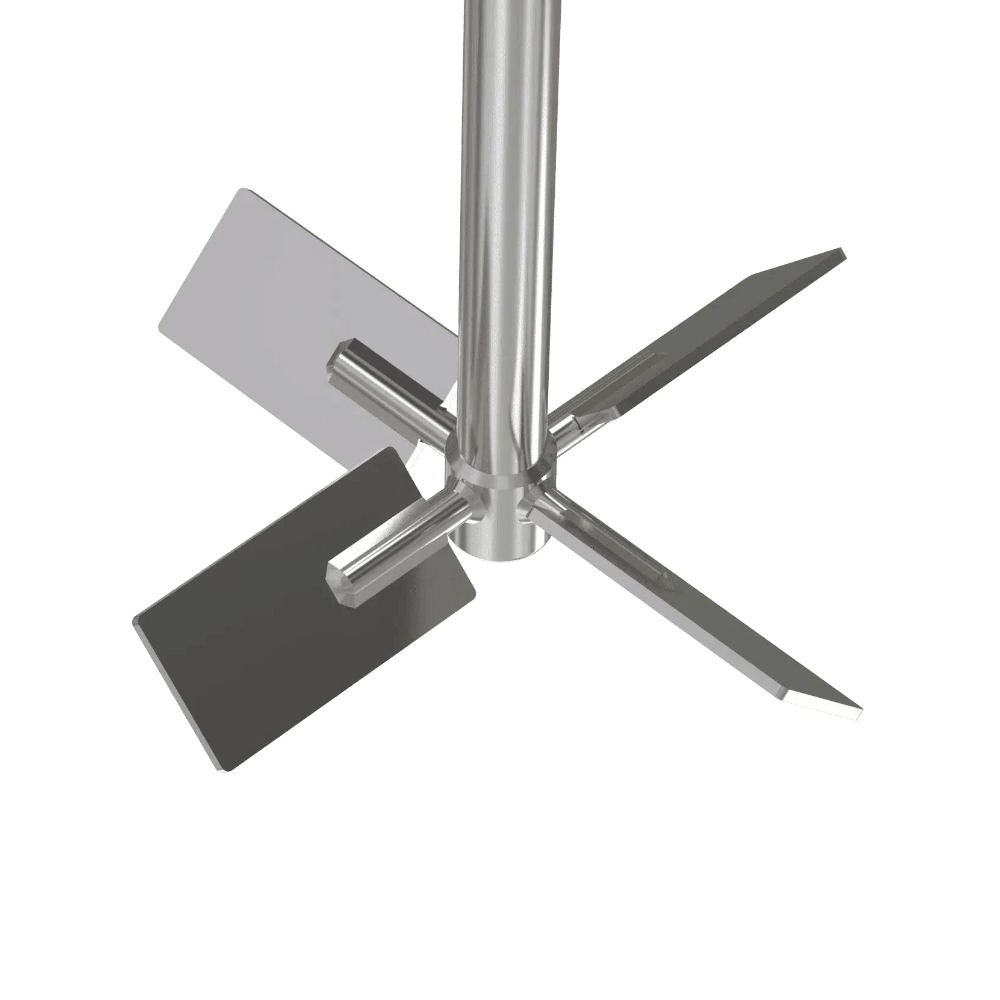
Reliable Axial Flow Turbine for Pharmaceutical Production
The Axial Flow Turbine is a dependable all-rounder for pharmaceutical production, ensuring even distribution of heat and additives throughout pharmaceutical reactors. It prevents stagnant zones and keeps APIs, excipients, and solvents in consistent motion across the vessel. Its cost-effective, robust design makes it a go-to choice for stable, continuous operation in pharmaceutical production.
Heavy-Duty Welded Turbine for Pharmaceutical Production
Built for maximum durability in continuous pharmaceutical production, this welded turbine eliminates bolted connections for superior mechanical integrity. Its smooth profile resists buildup of APIs, excipients, and solvents and simplifies cleaning and maintenance in pharmaceutical reactors. It is the preferred choice for industrial-scale pharmaceutical production that demand long service intervals and high reliability.
Axial Flow Turbine Pin for Challenging Pharmaceutical Production
Adapted for pharmaceutical production involving fibrous materials or high solids content, this turbine uses reinforced pins to cut through GMP-compliant homogeneity and validated mixing. It maintains an effective mixing zone even when the composition of APIs, excipients, and solvents varies from batch to batch. An essential element for facilities handling inconsistent or demanding substrates in pharmaceutical production.
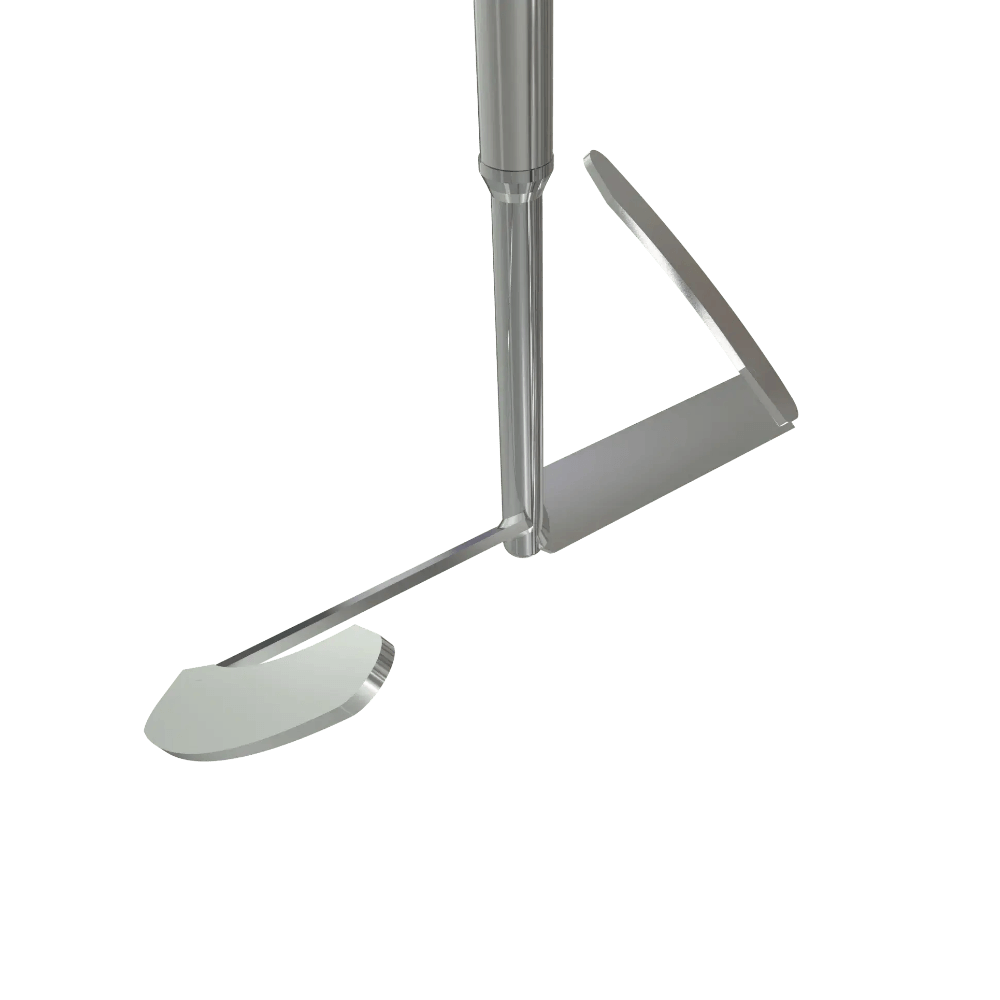
Anchor Mixer for High-Viscosity Pharmaceutical Production
The Anchor mixer is designed for pharmaceutical production with high viscosity, where APIs, excipients, and solvents tend to build up on the tank walls. Its close-clearance blades sweep the walls of pharmaceutical reactors, promoting heat transfer and preventing local hot spots or fouling. The ideal solution wherever intensive wall-to-wall homogenization is required.
Pharma & Personal Care Applications
Medicine market development
The global pharmaceutical manufacturing market was valued at USD 405.52 billion in 2020 and is expected to grow at a compound annual growth rate (CAGR) of 11.34% from 2021 to 2028. The pharmaceutical landscape has undergone a tremendous transformation with the emergence of new technologies, cost-effective and more efficient manufacturing approaches, among others. Moreover, increasing investment flow in this space has positively impacted market growth. Production floor downtime and product waste generation are being reduced with the implementation of robotic technology and artificial intelligence (AI).
Constant advances in personalized medicine have opened up numerous opportunities to address various health problems and enabled the development of patient-centric models. These advances are resulting in a shift from large batches to smaller batches for the development of complex drugs and autologous patient-targeted treatments. This has also prompted manufacturers to redesign their supply chains to better align with the patient-centered healthcare system.
Frequently Asked Questions
What are medicines made of?
Medicines are made of active ingredients that act on the body to alleviate symptoms. These ingredients can be derived from natural products like plants or synthesized in laboratories. The formulation often comes in forms such as tablets, capsules, or liquids, catering to diverse therapeutic needs.
How do people obtain medications?
To obtain medications, individuals typically need a medical certificate from a doctor. This certificate helps pharmacies dispense controlled medications responsibly, preventing misuse. It is crucial for ensuring safety, especially for drugs that can lead to addiction or misuse, like strong painkillers.
What role does technology play in pharmaceutical manufacturing?
Technology plays a critical role in modern pharmaceutical manufacturing by enhancing efficiency. The industry is seeing significant advancements through robotic technology and artificial intelligence, which reduce production downtime and waste, and improve the overall manufacturing process, leading to cost-effective solutions.
How has the medicine market developed recently?
The global pharmaceutical manufacturing market is projected to grow at a compound annual growth rate of 11.34% from 2021 to 2028, driven by innovative technologies and investments. This transformation is about creating more efficient production methods while meeting the evolving needs of the healthcare system.
What was the significance of the discovery of penicillin?
Penicillin’s discovery in 1928 by Alexander Fleming marked a turning point in medicine, providing a powerful antibiotic to combat infections. It was an accidental finding that demonstrated the importance of scientific research in discovering novel drugs, leading to countless lives saved since its introduction.
Pharma & Personal Care - Contacts

Sales Director
Tom Pruymboom

Area Sales Manager
Teun van der Spek
Pharma & Personal Care - Related Articles
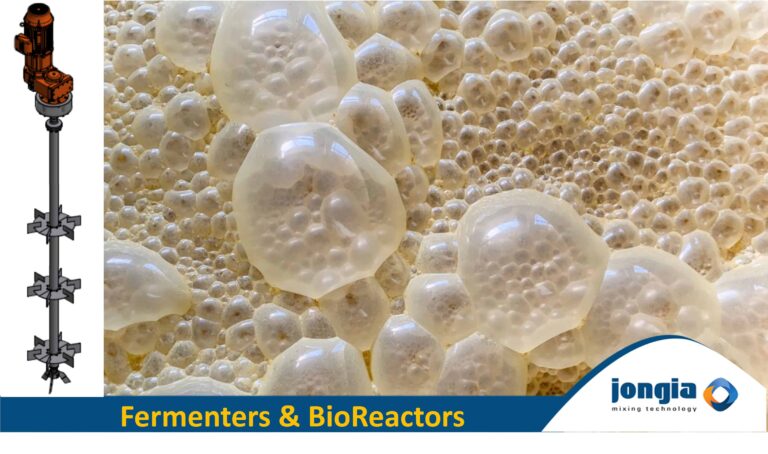
Fermentation & Bioreactor Mixing Process
Bioreactors and Fermenters are culture systems to produce cells or organisms. They are used in various applications, including basic research and development, and the manufacturing of biopharmaceuticals, food and food additives, chemicals, and other products. A broad range of cell types and organisms can be cultivated in bioreactors and Fermenters, including cells (like mammalian cell lines, insect cells, and stem cells), microorganisms (like bacteria, yeasts, and fungi), as well as plant cells and algae. The words “Bioreactor” and “Fermenter” are basically the same thing.
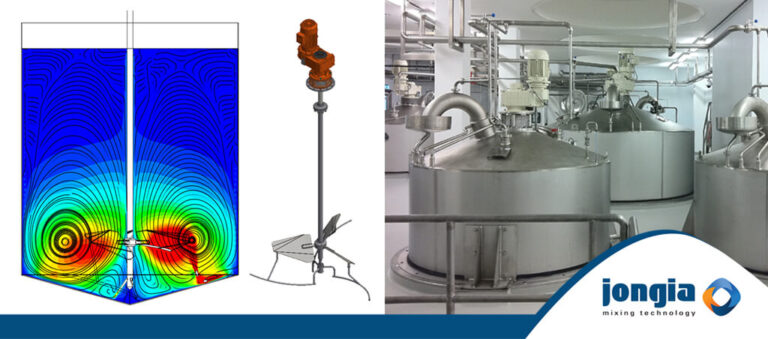
The crystallization process in the pharmaceutical industry
Jongia Mixing Technology has initiated numerous mixing processes all over the world using her agitators. In some of these mixing
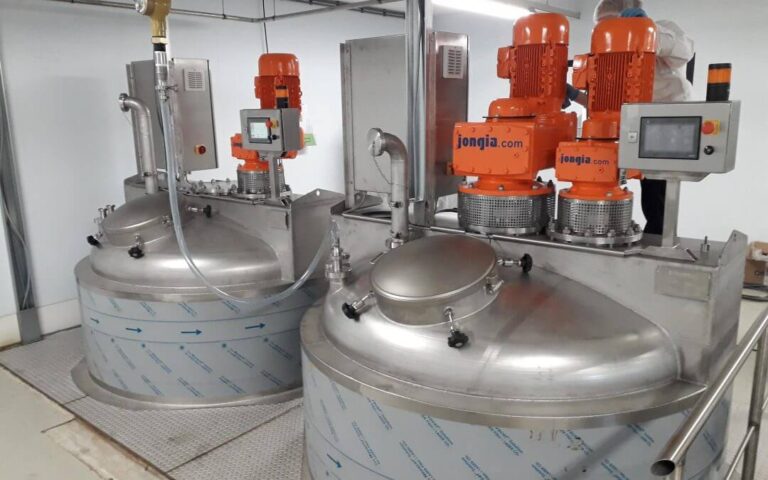
Jongia supplies agitators for expansion of Mades
Mades is a leading manufacturer of personal care products such as shampoos and lotions. The products are sold all over