


Synthetic Fibers
Synthetic fibers are made from synthetic materials, usually formed through a chemical process. The fibers are extracted during the chemical process using a spinneret, a device that takes polymers to form fibers. The textile industry began creating synthetic fibers as cheaper and easier to mass-produce alternatives to natural fibers.
Advantages of synthetic fibers
Since synthetic fabrics are man-made fibers, they have many advantages for everyday use, including their affordability and their stain and water resistance. Some of the advantages of synthetic fibers are:
- Cheaper
Most natural fibers can be incredibly expensive, especially in their pure form, and synthetic fibers offer cheaper alternatives to the natural products. Many synthetic fabrics are imitations of natural fabrics, such as wool and silk.
- Durable fabric
Synthetic fabrics are usually more resistant to stains, and some are even designed to resist stains. This makes synthetic clothing great for daily and regular use. In addition, it is also a tremendously strong fabric which is why most clothing contain synthetic fabrics.
- Waterproof and water resistant
While some natural fibers are resistant to water, synthetic fibers can be designed to be almost completely waterproof.
Mixing elements for Synthetic Fibers
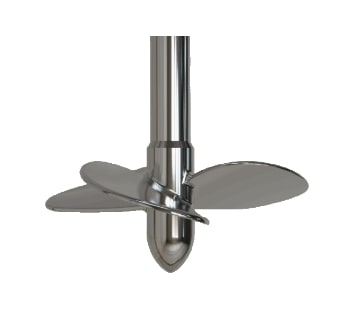
Versatile Propeller Mixer for Synthetic Fibers
The Propeller is a workhorse in synthetic fiber production, keeping spinning dopes and polymer solutions in uniform suspension inside dissolver and dope tanks. Its axial flow prevents settling and ensures consistent distribution of every component throughout the batch. Energy-efficient and reliable, it adapts to the viscosity changes typical of synthetic fibers without loss of performance.
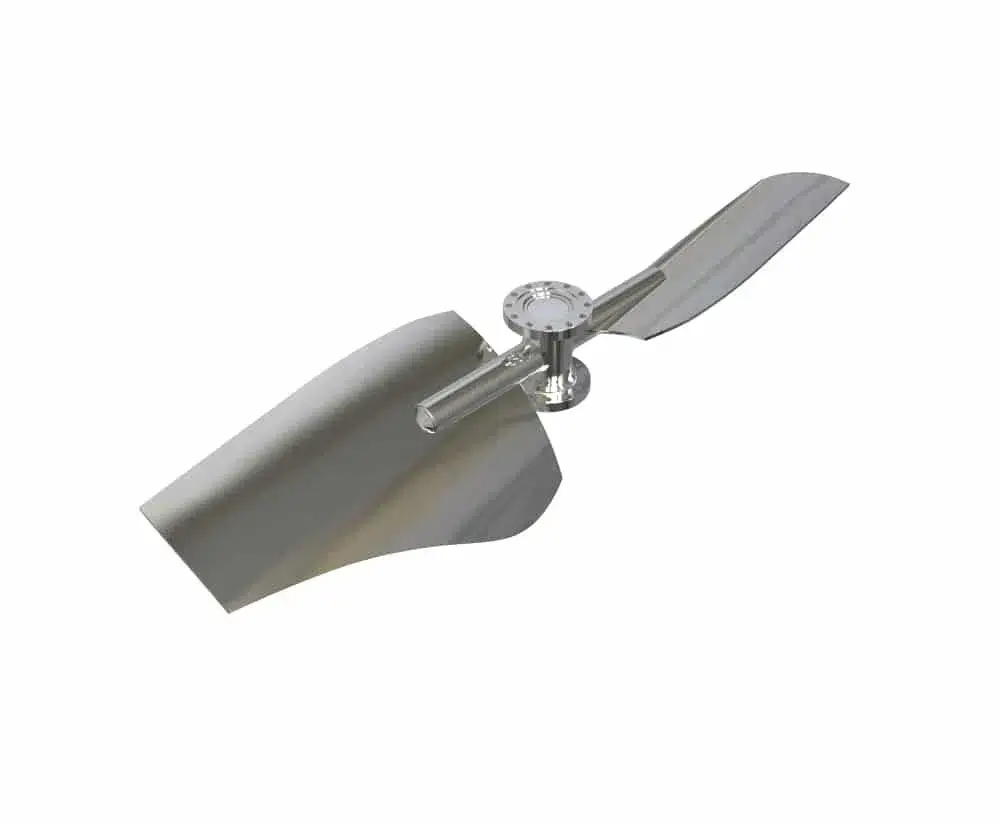
High-Capacity Hydroprop for Synthetic Fibers
The Hydroprop delivers outstanding pumping capacity with minimal energy input, making it ideal for large dissolver and dope tanks in synthetic fiber production. It ensures complete tank turnover, eliminates temperature gradients, and keeps spinning dopes and polymer solutions in a stable, homogeneous state. Its streamlined design cuts operating costs while supporting continuous, high-volume synthetic fibers.
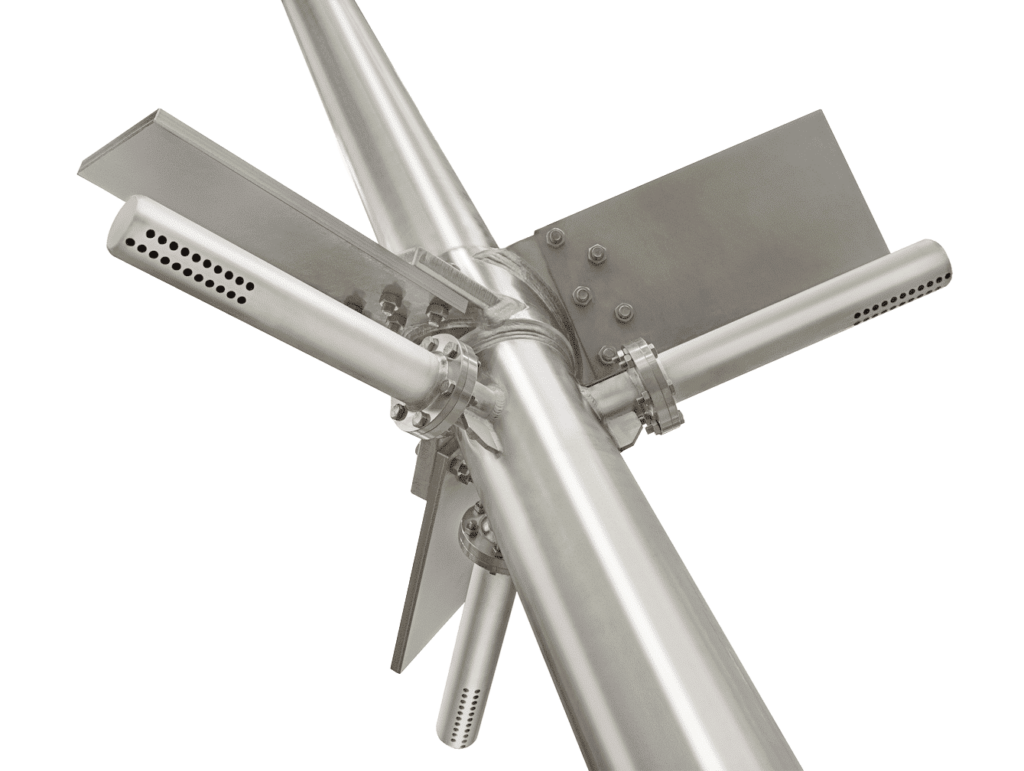
Gas Inducing Mixer for Synthetic Fibers Reactions
The Gas Inducing Mixer draws gas directly from the headspace back into the liquid phase, boosting gas-liquid mass transfer in synthetic fiber production. It is perfectly suited for reactions where oxygen, nitrogen, or process gases must interact efficiently with spinning dopes and polymer solutions. By recirculating gas internally, it raises reaction rates while reducing the need for external sparging systems.
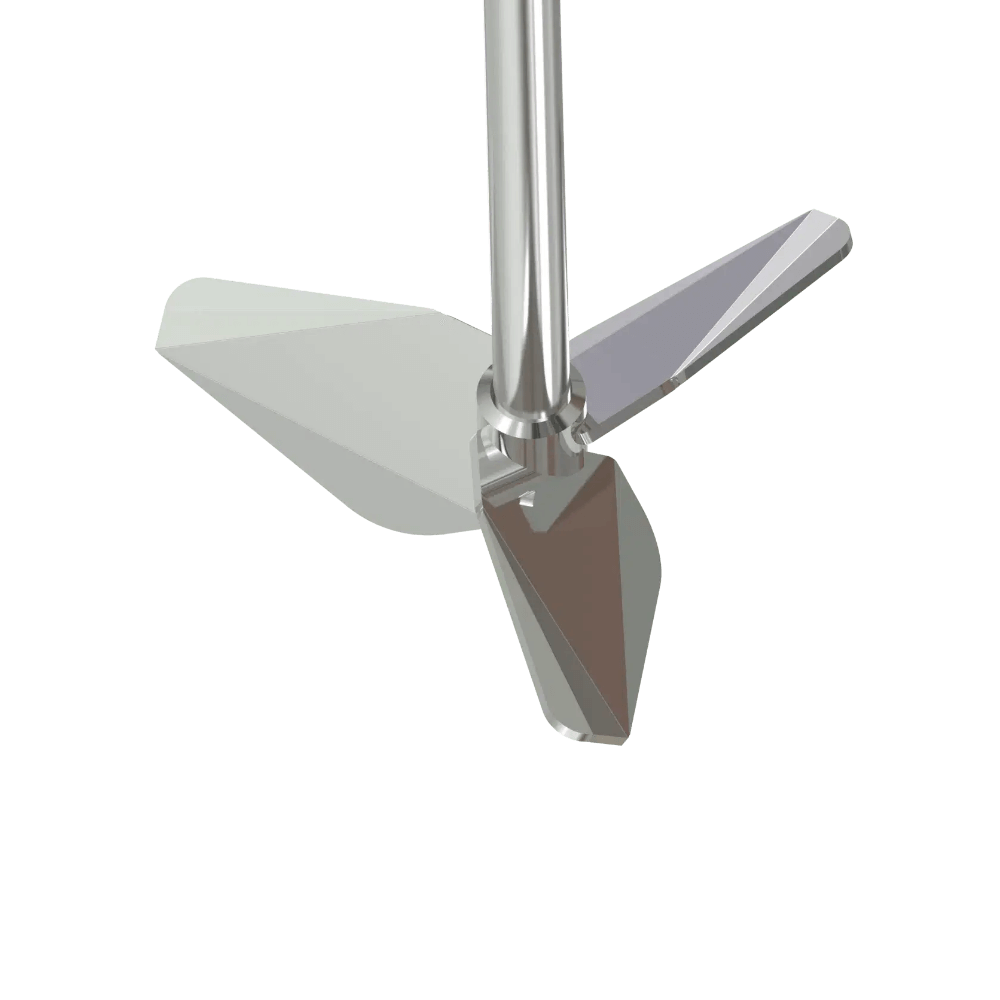
High-Flow Hydrofoil for Synthetic Fibers
The Hydrofoil generates high-volume axial flow, making it a powerful solution for large dissolver and dope tanks in synthetic fiber production. It prevents thermal stratification and keeps spinning dopes and polymer solutions in steady motion with minimal turbulence. The optimized blade profile turns drive power into fluid motion efficiently, supporting consistent homogenization at industrial scale.
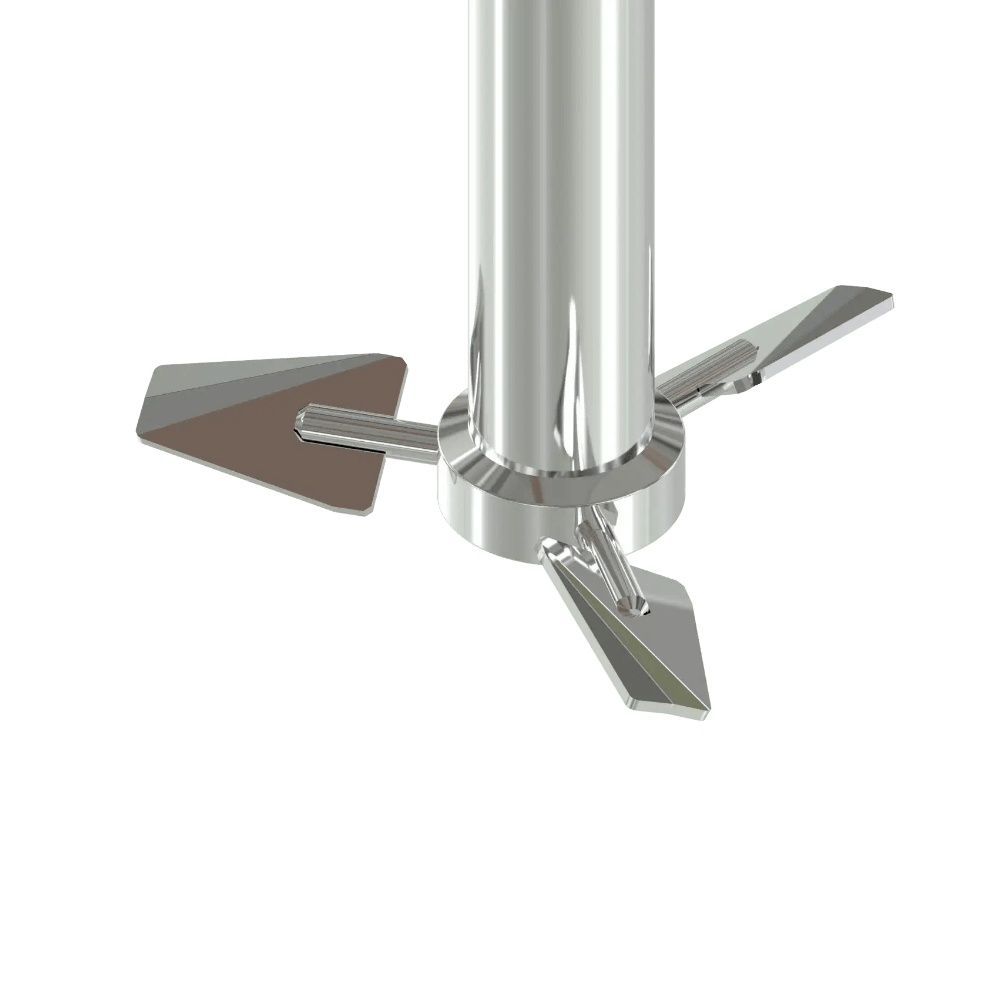
Reinforced Hydrofoil Pin for Demanding Synthetic Fibers
The Hydrofoil Pin combines proven hydrofoil performance with reinforced pins for tougher substrates encountered in synthetic fiber production. Its structural design handles high-viscosity and high-solids zones where standard impellers might struggle, particularly when gel formation and inconsistent dope quality becomes critical. It delivers reliable mixing where spinning dopes and polymer solutions are demanding to handle.
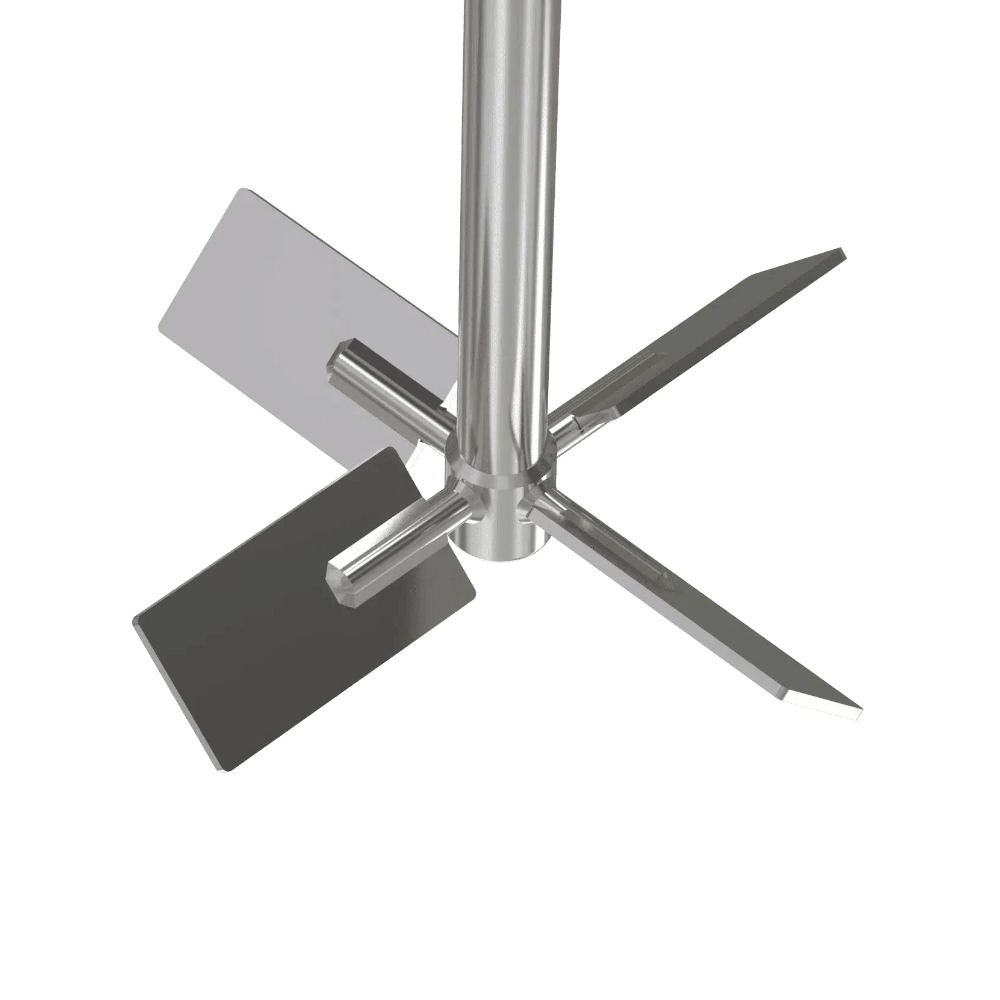
Reliable Axial Flow Turbine for Synthetic Fibers
The Axial Flow Turbine is a dependable all-rounder for synthetic fiber production, ensuring even distribution of heat and additives throughout dissolver and dope tanks. It prevents stagnant zones and keeps spinning dopes and polymer solutions in consistent motion across the vessel. Its cost-effective, robust design makes it a go-to choice for stable, continuous operation in synthetic fibers.
Heavy-Duty Welded Turbine for Synthetic Fibers
Built for maximum durability in continuous synthetic fiber production, this welded turbine eliminates bolted connections for superior mechanical integrity. Its smooth profile resists buildup of spinning dopes and polymer solutions and simplifies cleaning and maintenance in dissolver and dope tanks. It is the preferred choice for industrial-scale synthetic fibers that demand long service intervals and high reliability.
Axial Flow Turbine Pin for Challenging Synthetic Fibers
Adapted for synthetic fiber production involving fibrous materials or high solids content, this turbine uses reinforced pins to cut through gel formation and inconsistent dope quality. It maintains an effective mixing zone even when the composition of spinning dopes and polymer solutions varies from batch to batch. An essential element for facilities handling inconsistent or demanding substrates in synthetic fibers.
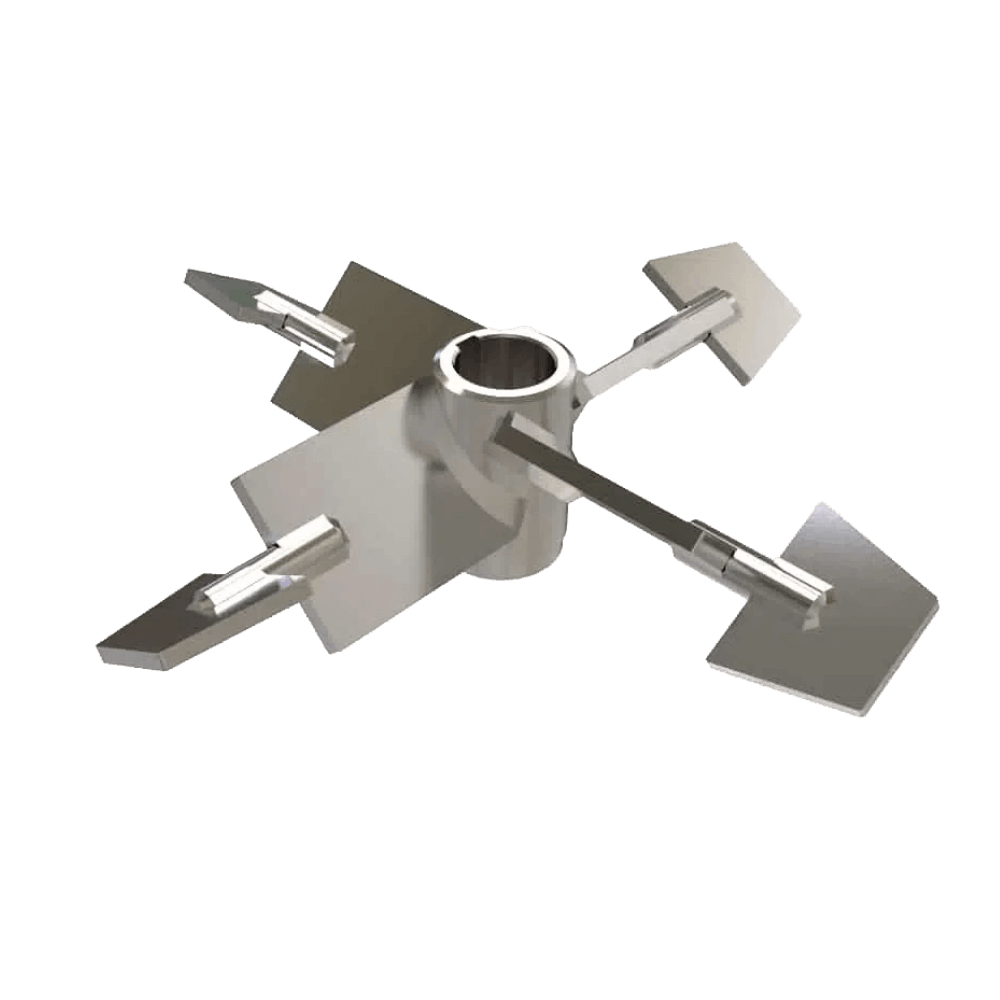
Double Acting Axial Flow Turbine for Synthetic Fibers
The Double Acting Axial Flow Turbine (MTE) generates both upward and downward flow, doubling mixing intensity in dissolver and dope tanks during synthetic fiber production. It eliminates dead zones in vessels with a wide height-to-diameter ratio and ensures complete tank turnover of spinning dopes and polymer solutions. Ideal for operations that demand extra mixing capacity from a single impeller without adding power.
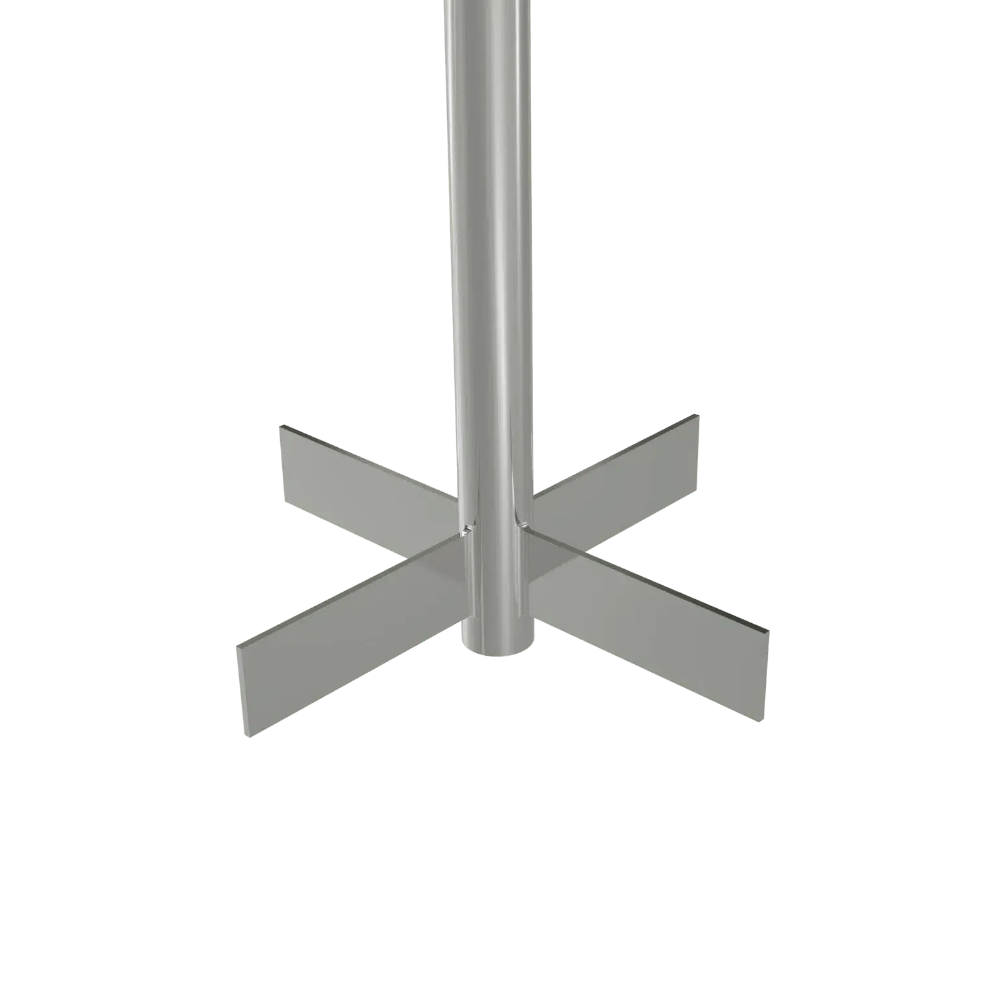
Radial Flow Turbine for Intensive Synthetic Fibers Mixing
The Radial Flow Turbine delivers powerful radial agitation, making it well-suited to synthetic fiber production that need high shear and turbulence. It ensures thorough homogenization of spinning dopes and polymer solutions and prevents phase separation in viscous or reactive systems. A proven choice where intensive mixing drives consistent reaction performance across the vessel.
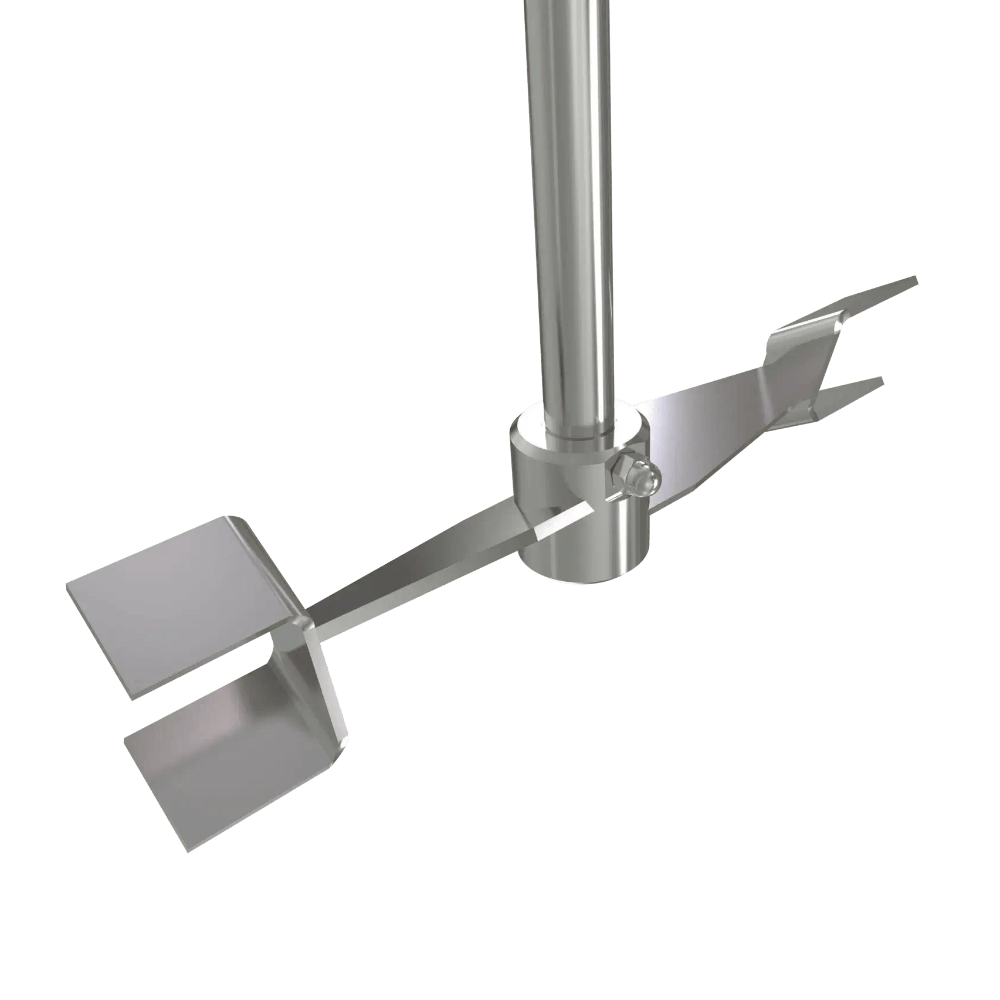
Counterflow Turbine for Complex Synthetic Fibers Homogenization
The Counterflow Turbine creates opposing flow patterns that deliver superior homogenization in synthetic fiber production. It prevents the formation of dead zones in dissolver and dope tanks and fully mixes spinning dopes and polymer solutions, even in high-viscosity regimes. Essential when consistent results require an unusually thorough blend of every component.
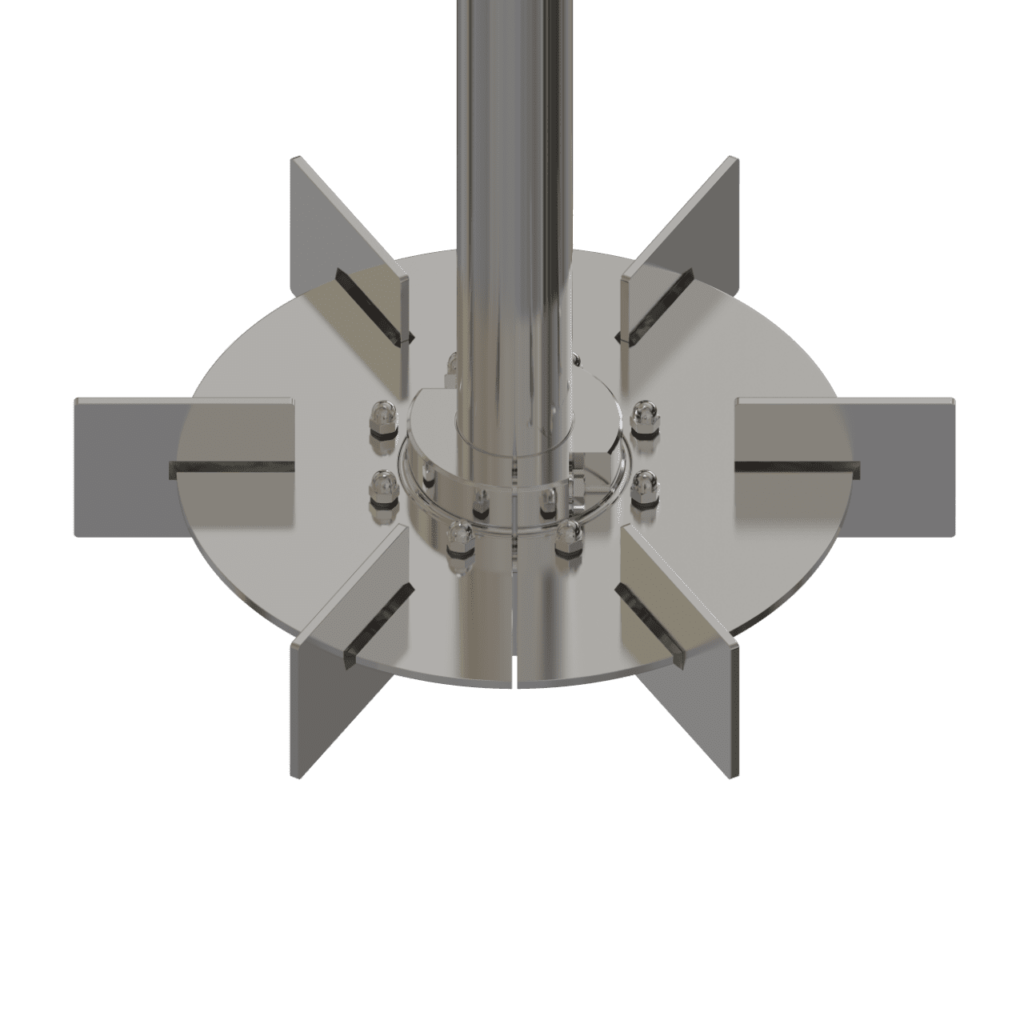
Rushton Turbine for Intensive Synthetic Fibers Dispersion
The Rushton Turbine is the industry standard for high-shear gas-liquid work in synthetic fiber production. It excels at dispersing gases, catalysts, and additives into spinning dopes and polymer solutions inside dissolver and dope tanks, maximizing mass transfer at every stage. The preferred choice when intensive reaction conditions and high power input are needed.
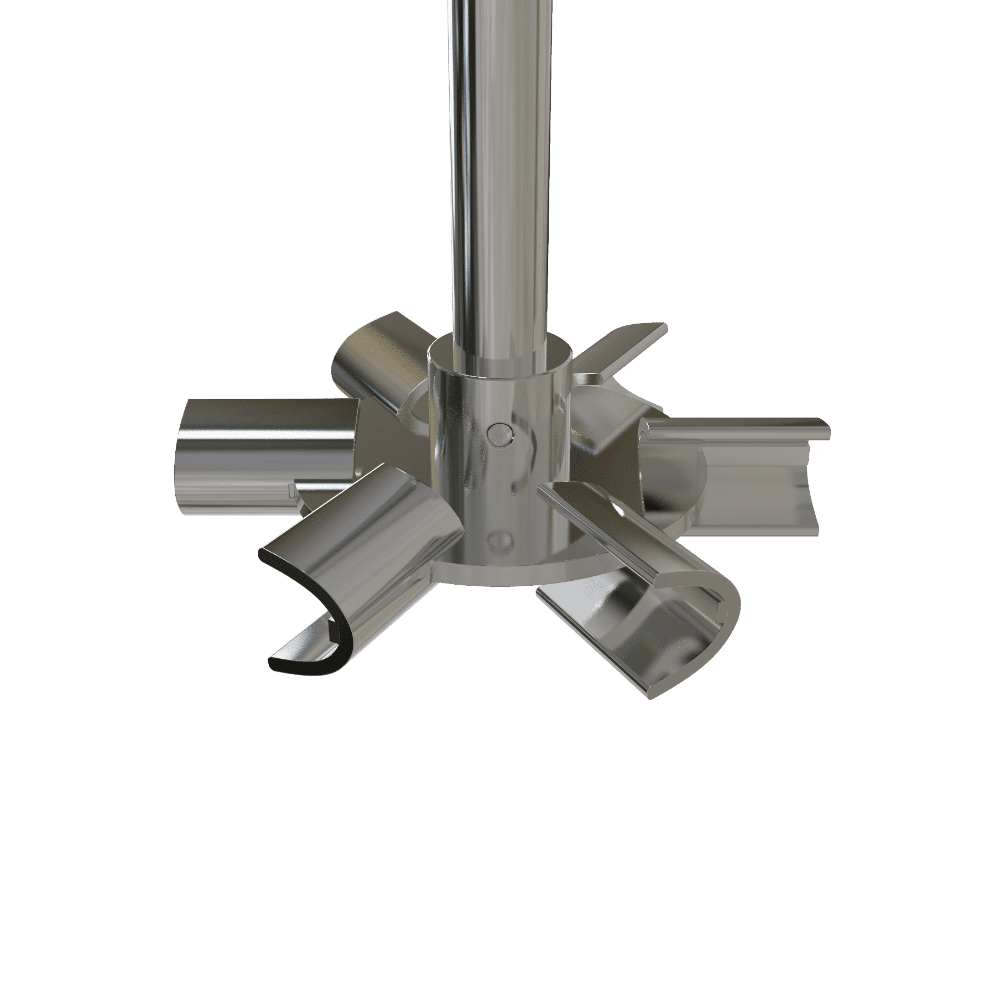
Concave Turbine for Efficient Synthetic Fibers Gas Mixing
The Concave Turbine is an advanced evolution of the Rushton design, delivering improved gas handling in synthetic fiber production. Its concave blades prevent gas flooding in dissolver and dope tanks and ensure stable power draw, even at high gas rates with spinning dopes and polymer solutions. Ideal where reliable gas-liquid interaction is critical to process outcome.
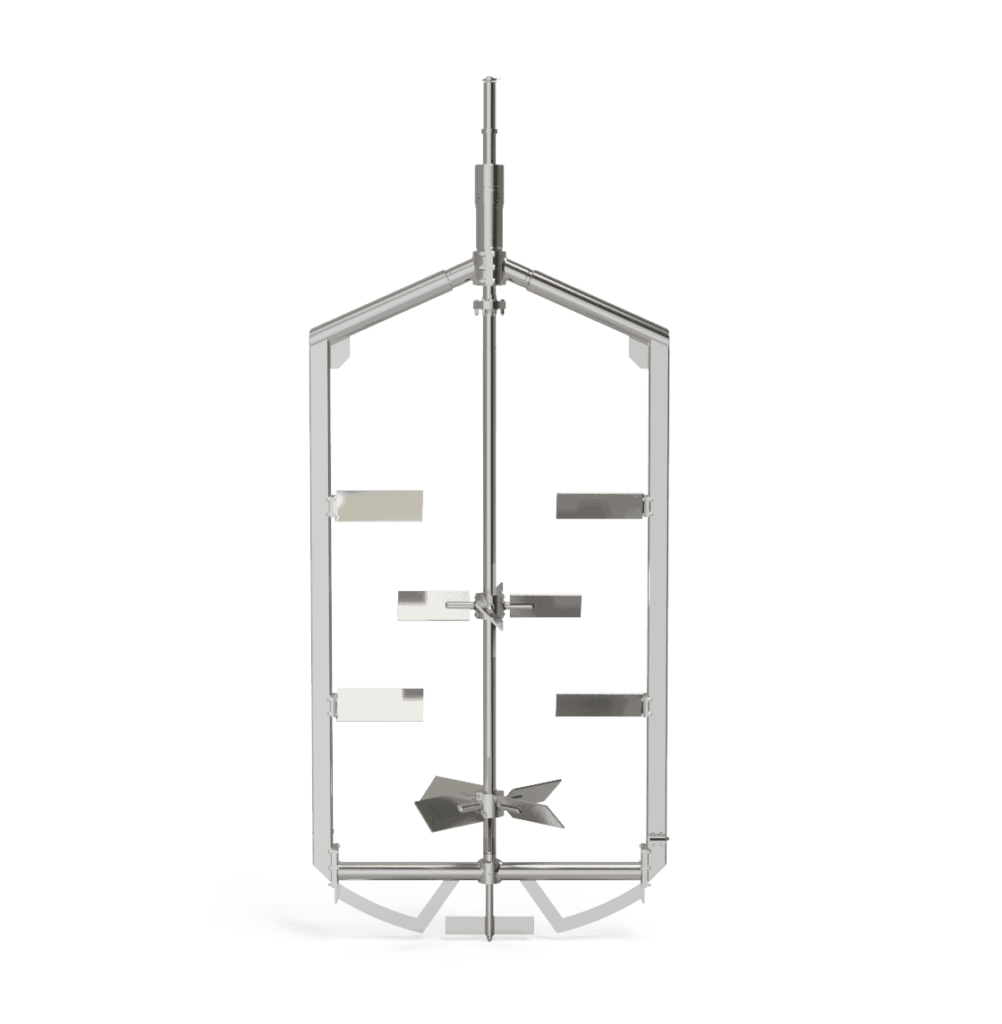
Counter Rotating Mixer for Complex Synthetic Fibers
For high-viscosity stages of synthetic fiber production, the Counter Rotating Mixer provides intensive homogenization through two impellers turning in opposite directions. It eliminates dead zones in dissolver and dope tanks and creates a highly turbulent environment that fully blends spinning dopes and polymer solutions. The ultimate solution for thick, challenging batches where standard impellers fall short.
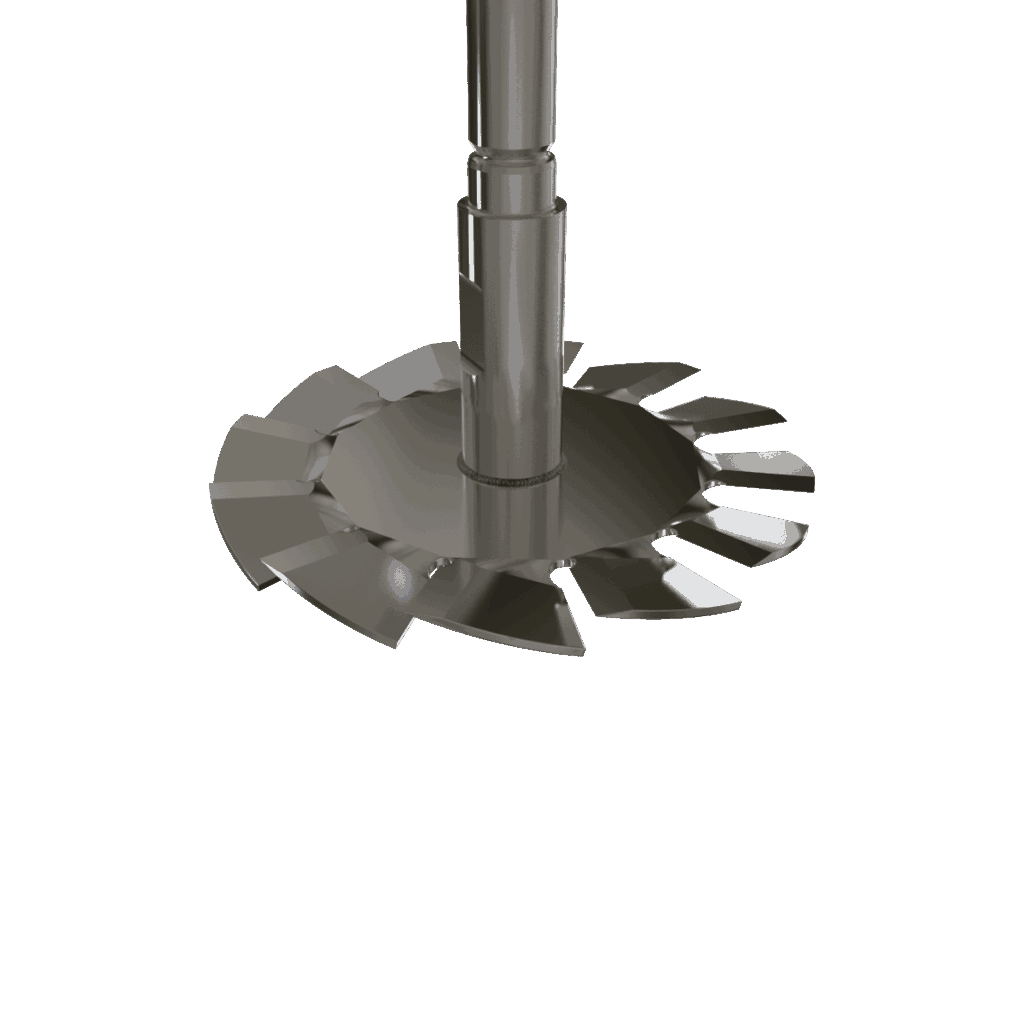
Dispersion Turbine for Synthetic Fibers Emulsions
The Dispersion Turbine provides the high-shear mixing required to create stable dispersions and emulsions in synthetic fiber production. It breaks down agglomerates and ensures fine particle distribution of spinning dopes and polymer solutions throughout dissolver and dope tanks. A key element in producing synthetic fibers with consistent texture and reliable end-use performance.
Synthetic fiber market developments
The global synthetic fiber market was estimated at $62.93 billion in 2021. The increasing application in various industries including apparel, automotive, home furnishing and filtration is expected to drive the market growth. During the COVID-19 pandemic, the synthetic fiber market declined in both volume and revenue due to severe lockdowns that disrupted the supply chain and shut down manufacturing facilities. After the lockdown, however, apparel manufacturers resumed operational activities and are looking for new opportunities such as face masks and personal protective equipment.
The U.S. market saw increased demand for synthetic fibers due to rising demand for medical products such as face masks, aprons, surgical drapes, blankets and personal care wipes. Increasing emphasis on health and fitness coupled with the popularity of outdoor sports in the country is expected to increase the demand for synthetic fibers in the coming years.
The use of polyester fiber has increased in various industries because of its advantages, such as low cost, exceptional strength and flexibility, and recyclability, making it a popular choice in the textile sector. It is used in the production of vehicle carpets, seats, sides, roofs, flooring, door panels, seat belts, tires, airbags, air cleaners, fuel filters, insulators and other components.
Frequently Asked Questions
What are synthetic fibers?
Synthetic fibers are man-made materials created through a chemical process and extracted using a device called a spinneret. They serve as cheaper and easier-to-produce alternatives to natural fibers in the textile industry.
What are the advantages of synthetic fibers?
Synthetic fibers offer affordability, durability, stain resistance, and waterproof properties. They are often imitations of natural fabrics like wool and silk, making them suitable for everyday use.
How is the synthetic fiber market performing?
The global synthetic fiber market was valued at $62.93 billion in 2021. The market saw a decline during COVID-19 but is expected to grow with increasing applications across various industries.
What drives the demand for synthetic fibers?
Demand for synthetic fibers is rising due to their use in medical products, outdoor sports apparel, and general health and fitness-related items. This is particularly evident in the U.S. market.
Why is polyester popular in the textile industry?
Polyester is favored for its low cost, strength, flexibility, and recyclability. It is widely used in different applications, including automotive interiors and personal protective equipment.
Chemical Industry Contacts

Sales Director
Tom Pruymboom

Area Sales Manager
Teun van der Spek

Project Manager
Jan Siert Tjeerdsma
Chemical - Related Articles
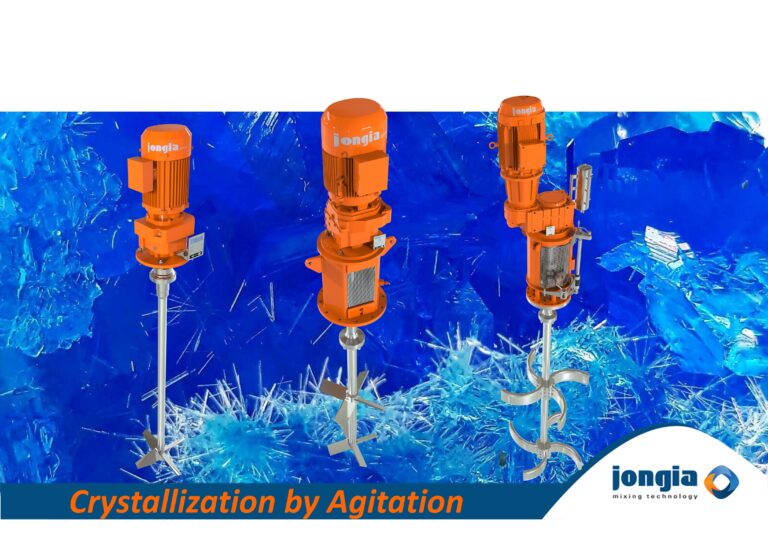
Difference between precipitation and crystallization
Precipitation and crystallization are both processes involved in the formation of solid substances from a solution, but they occur under
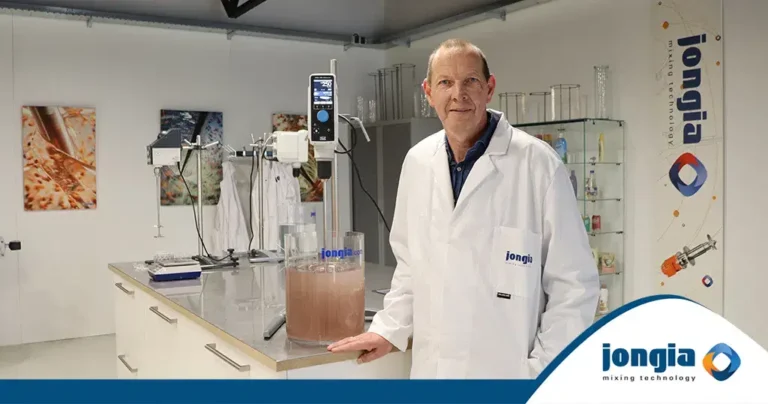
Tutorial: How does the Counterflow work?
The Counterflow is a very suitable mixing element for mixing processes of medium viscous liquid products such as paints, polymers
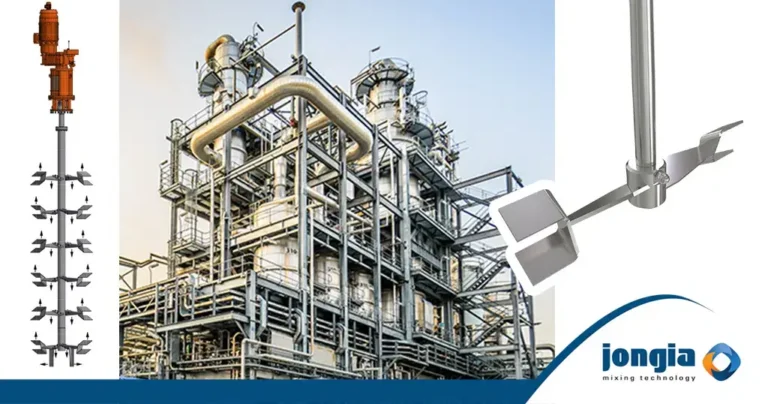
The Counterflow: from request to solution
Mainly in the chemical industry, the Counterflow mixing element is applied in mixing processes of products such as paint, polymers,
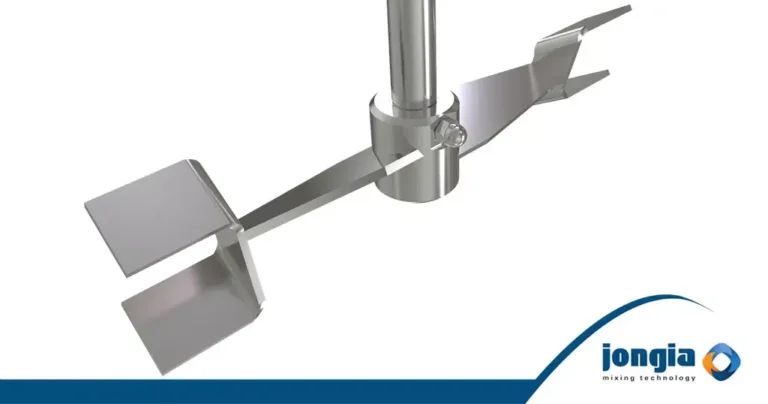
The Counterflow: the top entry mixer for the chemical industry
The Counterflow mixing element doesn’t only move the liquid in the middle or on the outside of the tank, but