



Bitumen
Bitumen is a petroleum-based product obtained from crude oil. By filtering and removing the light elements from the crude oil, bitumen is obtained through refining. The light elements extracted from the oil are usually naphtha, gasoline and diesel fuel. Then the bitumen remaining after distillation forms a hydrocarbon.
The production of bitumen
Despite the fact that bitumen is a solid at standard ambient temperatures. In physics, bitumen is considered a liquid substance.
Bitumen is known for its waterproofing and adhesive properties and is often used in construction, especially for highways and there is a large supply of bitumen roofing material today.
Bitumen is produced by distillation. In this process, lighter components of crude oil, such as gasoline and diesel, are removed and the heavier bitumen remains. Deposits can also form naturally at the bottom of ancient lakes, where prehistoric organisms have decayed and been exposed to heat and pressure.
Mixing elements for Bitumen
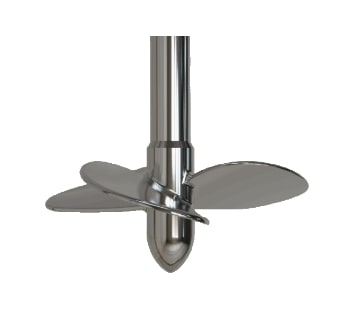
Propeller Mixer for Bitumen Blending
The Propeller is ideal for maintaining heat distribution and preventing settling in bitumen storage and blending tanks. Its axial flow ensures that additives are thoroughly incorporated into the dense bitumen base. Durable and efficient, it provides the constant movement necessary to keep the product in a pumpable and uniform state.
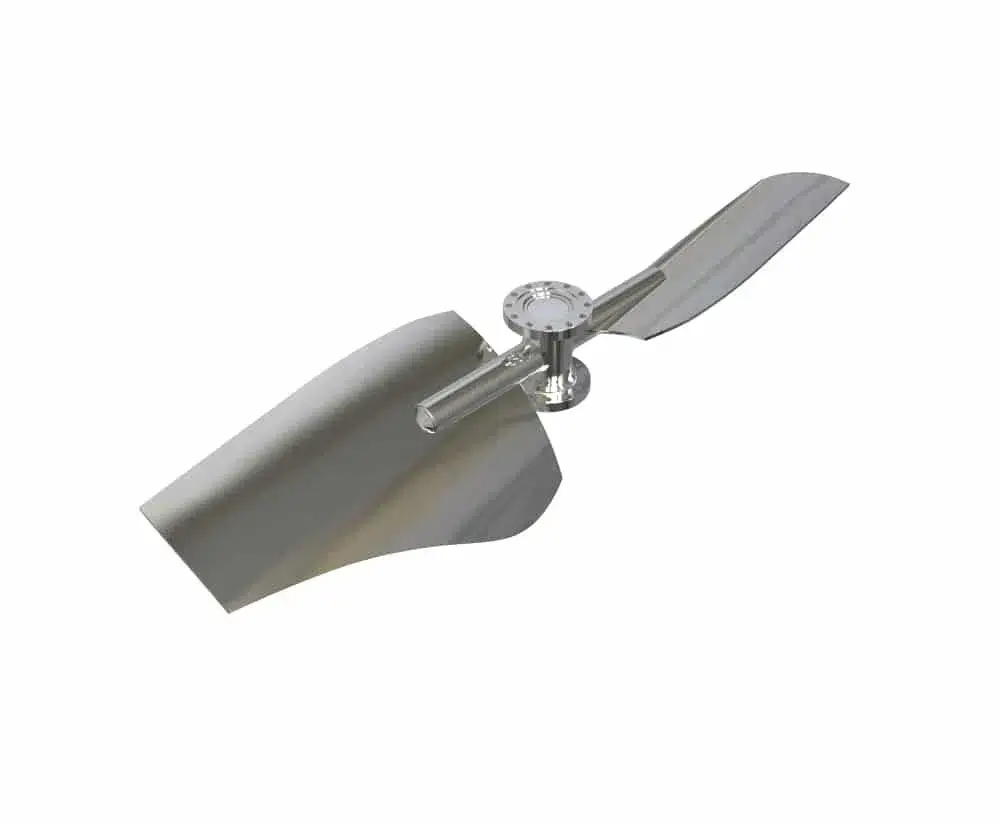
Energy-Efficient Hydroprop for Bitumen Tanks
Designed for large bitumen reservoirs, the Hydroprop offers high turnover with low energy consumption. It facilitates uniform heating and prevents the heavy components of bitumen from stratifying. Its robust construction ensures long-term reliability in the high-temperature environments typical of bitumen processing and distribution facilities.
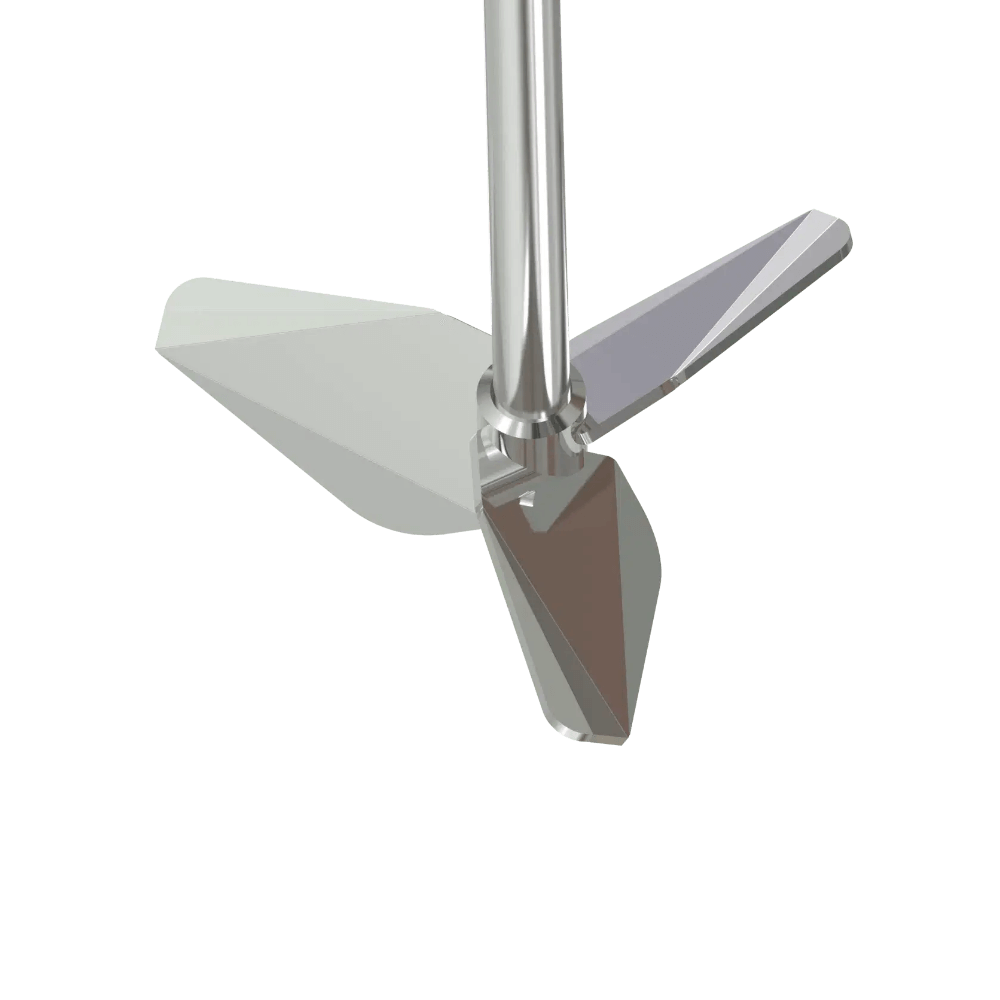
High-Flow Hydrofoil for Bitumen Homogenization
The Hydrofoil is a powerhouse for bitumen homogenization, designed to create a high-volume axial flow. It prevents thermal stratification in large tanks and ensures a steady process by maintaining constant turnover. Its profile converts power into fluid motion with minimal turbulence, ensuring even distribution of additives.
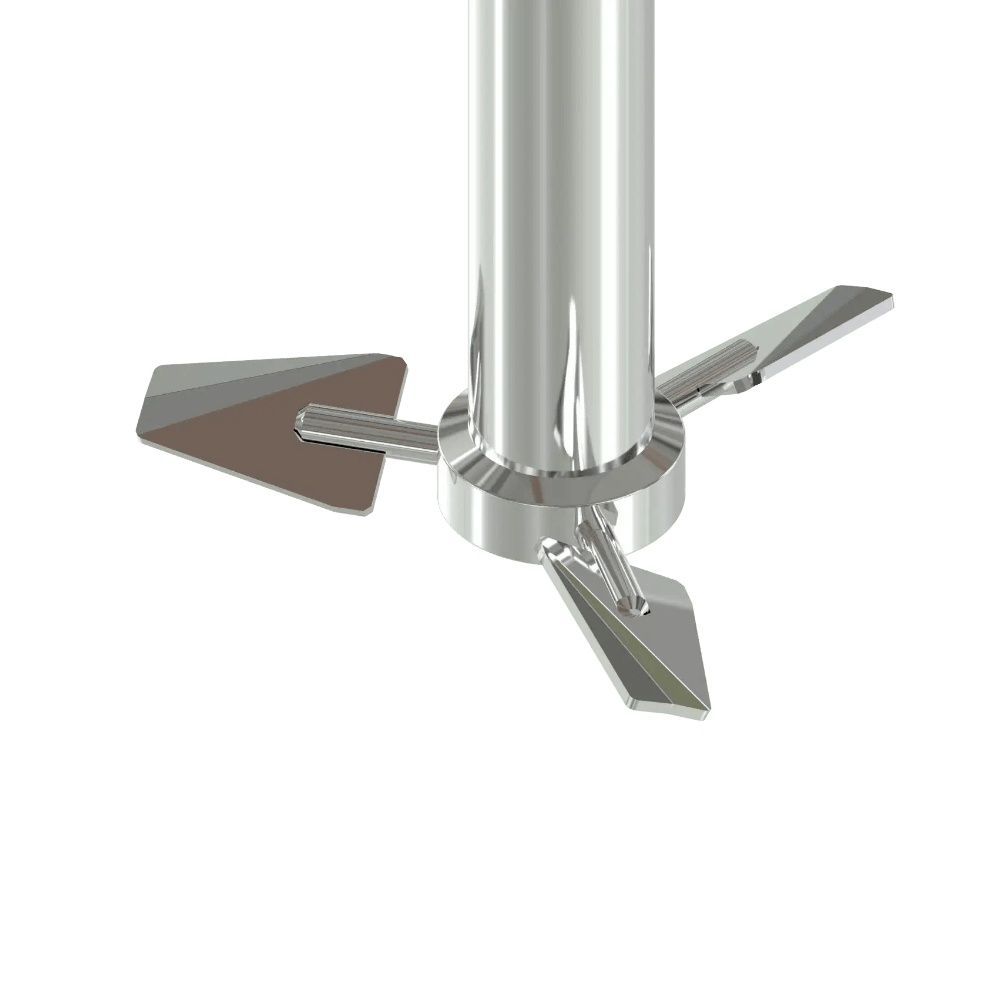
Hydrofoil Pin Mixer for Heavy Bitumen Applications
Reinforced for challenging bitumen environments, the Hydrofoil Pin handles substrates with high solids content. The “Pin” design provides additional structural integrity, allowing the mixer to operate reliably in high-viscosity zones. This makes it an indispensable tool for processing heavy bitumen where consistent performance is required.
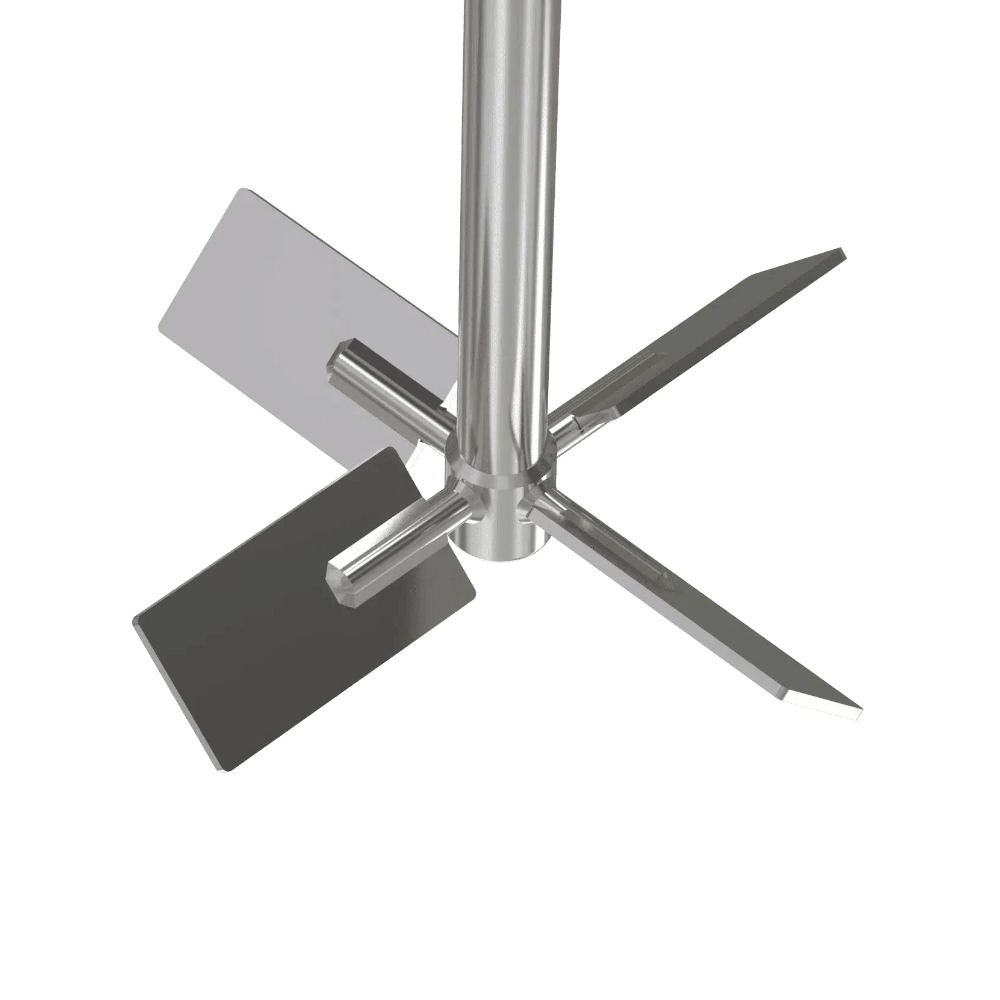
Universal Axial Flow Turbine for Bitumen Blending
This versatile all-rounder ensures uniform distribution of heat and additives across bitumen basins. By generating a strong axial flow, it prevents the formation of stagnant zones that can hinder blending efficiency. Its reliable and simple design makes it a cost-effective solution for a wide range of bitumen storage applications.
Heavy-Duty Welded Turbine for Bitumen Processing
Built for maximum durability, the Welded Axial Flow Turbine features a smooth profile that resists material buildup. By eliminating bolted connections, it simplifies maintenance and offers long-term reliability in high-temperature bitumen environments. It is the preferred choice for industrial-scale projects requiring high mechanical integrity.
Axial Flow Turbine Pin for Solid-Rich Bitumen
Specifically adapted for bitumen containing fibrous materials or heavy solids, this turbine features reinforced pins. It ensures the mixer remains efficient even when substrate quality varies. It is particularly effective at maintaining a clean, effective mixing process by preventing clogs and ensuring powerful agitation.
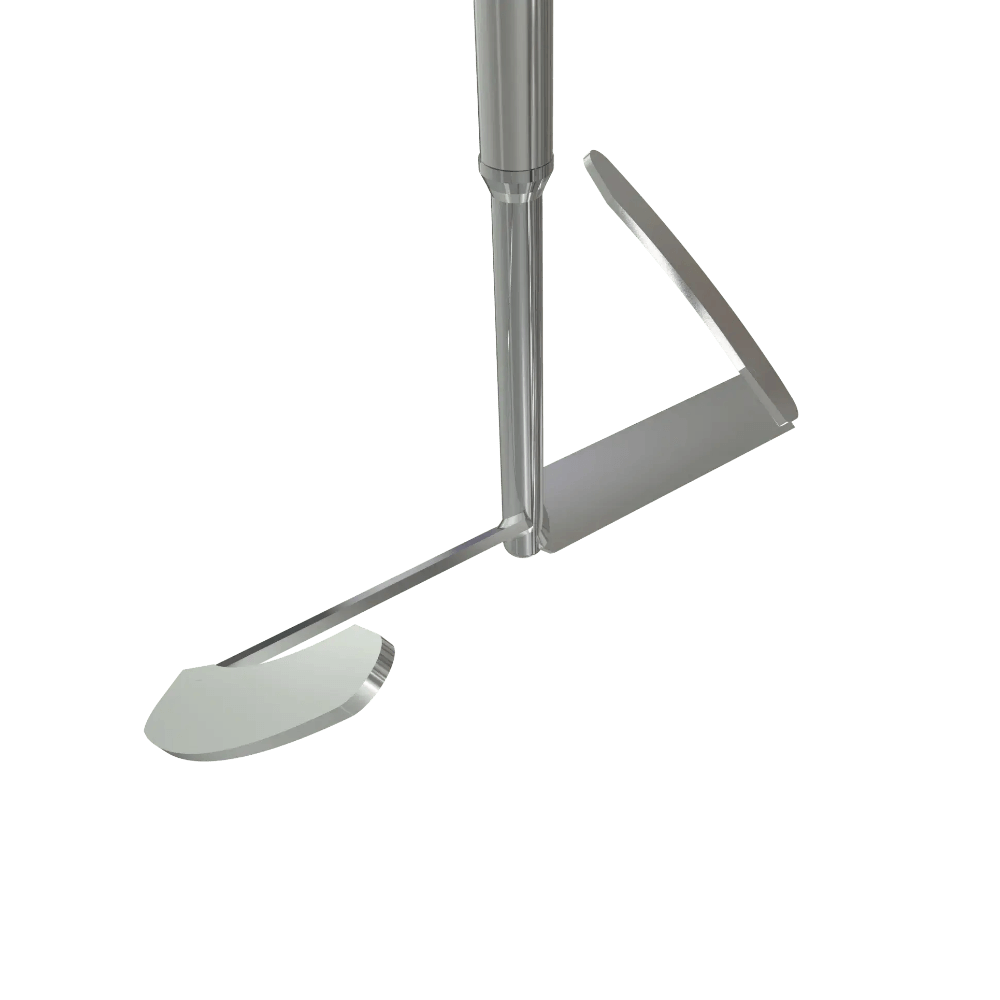
Anchor Mixer for High-Viscosity Bitumen Storage
The Anchor mixer is essential for high-viscosity bitumen applications where material tends to build up on tank walls. Its close-clearance design sweeps the walls, promoting better heat transfer and preventing local overheating. It is the ideal solution for heavy bitumen grades that require intensive wall-to-wall homogenization.

Ribbon Mixer for Intensive Bitumen Blending
The Ribbon mixer is engineered for the most demanding high-viscosity bitumen processes. Its double-helical design creates a complex flow pattern that ensures thorough blending of polymers and additives into the bitumen base. This element is critical for producing high-quality modified bitumen with perfectly uniform properties.
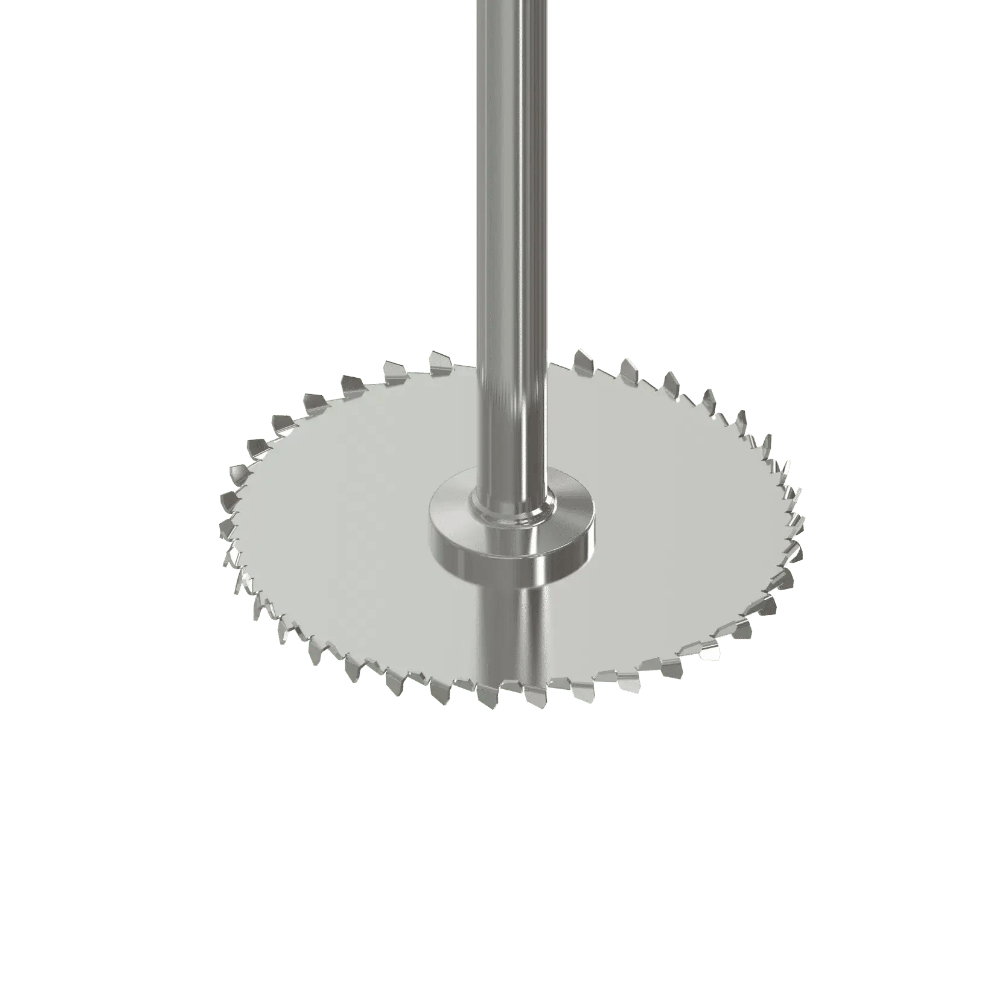
High-Shear Sawblade for Bitumen Additives
The Sawblade disperser is used to break down polymer granules and solid additives into the bitumen base. It generates the extreme shear forces necessary to achieve a homogeneous mixture in polymer-modified bitumen (PMB) production. This element ensures that all additives are fully integrated for optimal performance.
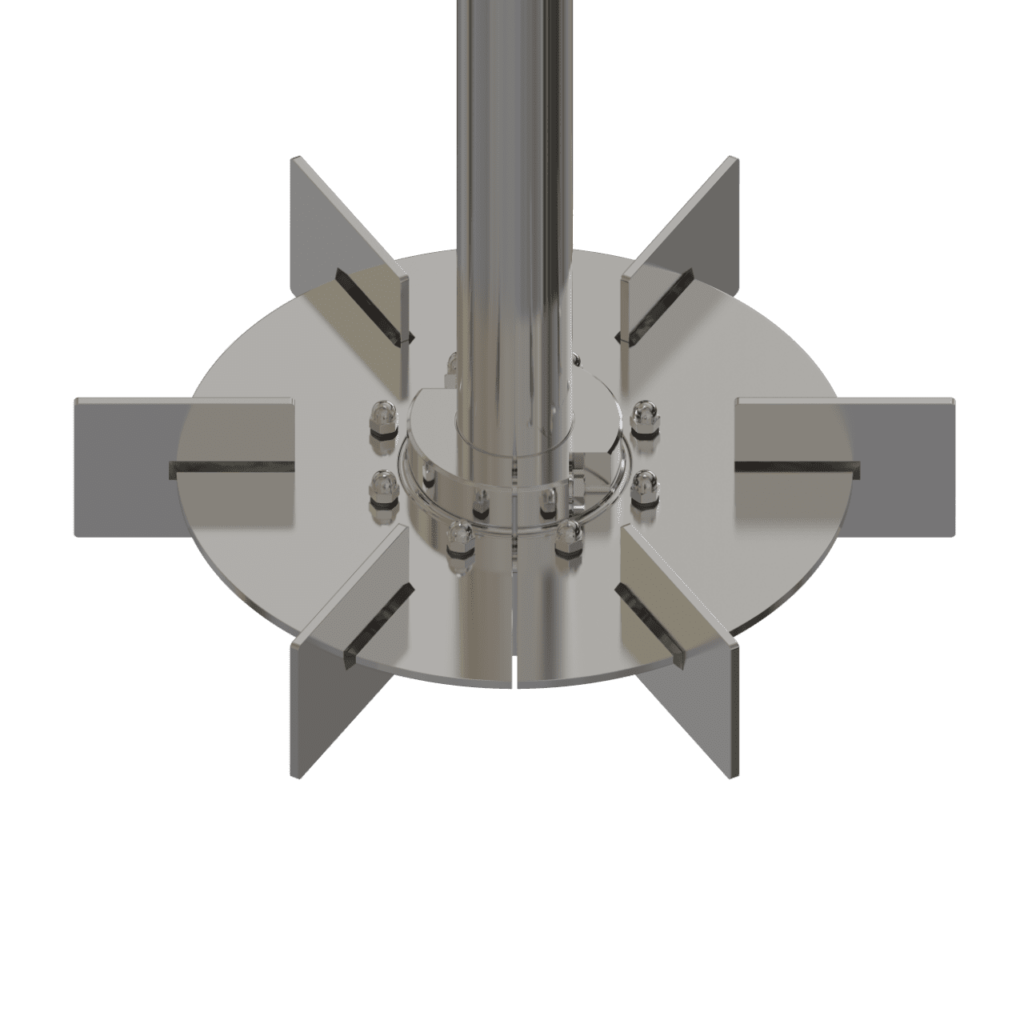
Rushton Turbine for Gas Induction in Bitumen
The Rushton Turbine is the industry standard for high-shear gas-liquid applications, even in bitumen processing. It provides excellent dispersion of gaseous reactants or air into the dense bitumen substrate. Its design is optimized for maximum mass transfer, making it the preferred choice for intensive oxidation or chemical modification.
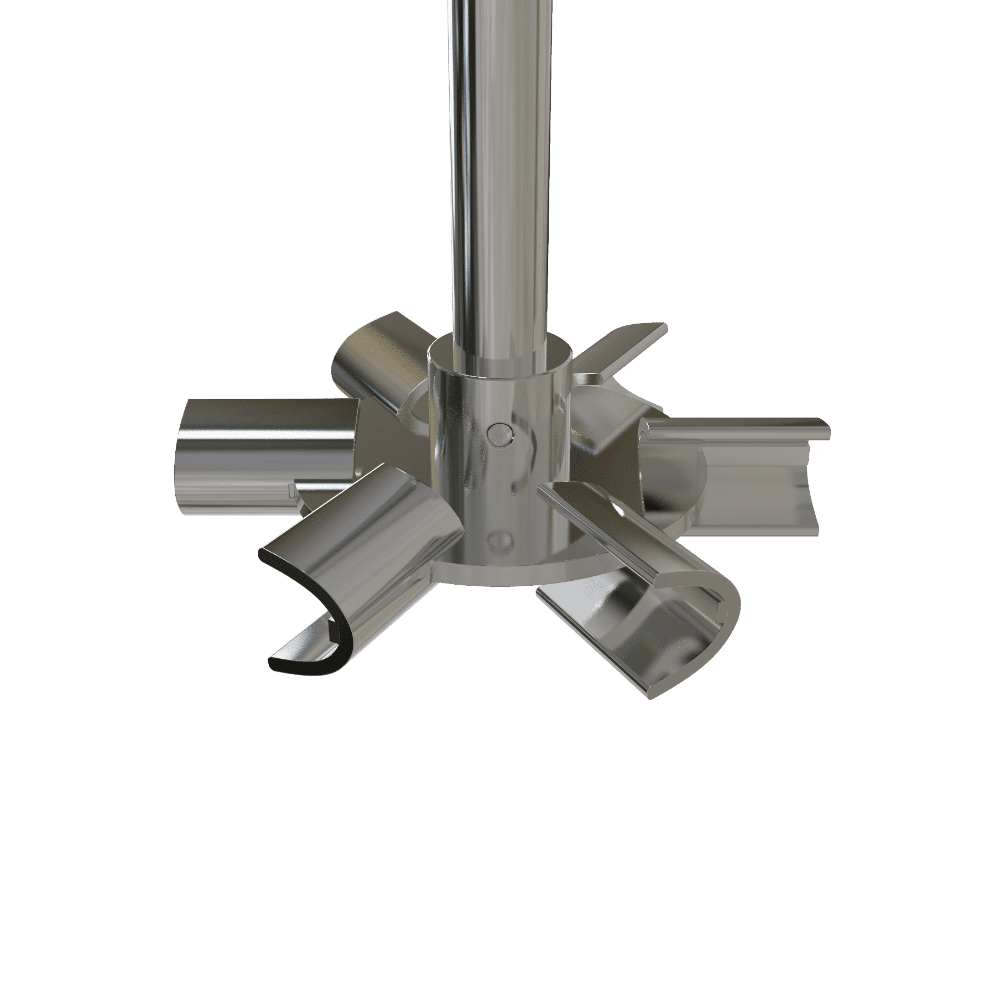
Concave Turbine for Efficient Bitumen Gasification
The Concave Turbine is an advanced version of the Rushton design, offering improved gas handling capacity in bitumen reactors. Its concave blades prevent gas flooding and ensure consistent power draw even in thick substrates. This makes it ideal for complex bitumen processes where stable gas-liquid interaction is paramount.
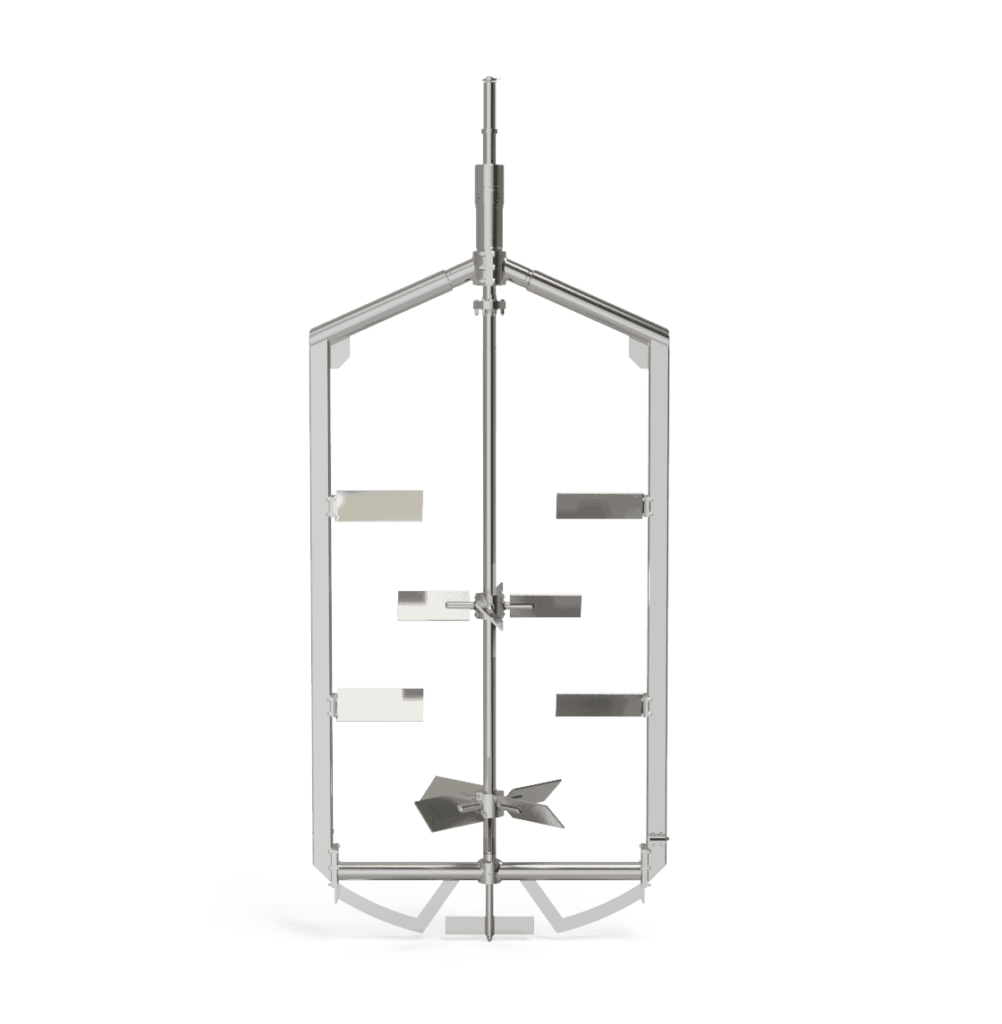
Counter Rotating Mixer for Modified Bitumen
For complex polymer-modified bitumen with extremely high viscosity, the Counter Rotating Mixer provides intensive homogenization. By using two impellers rotating in opposite directions, it eliminates dead zones and creates a highly turbulent environment. This is the ultimate solution for blending heavy additives into a uniform product.
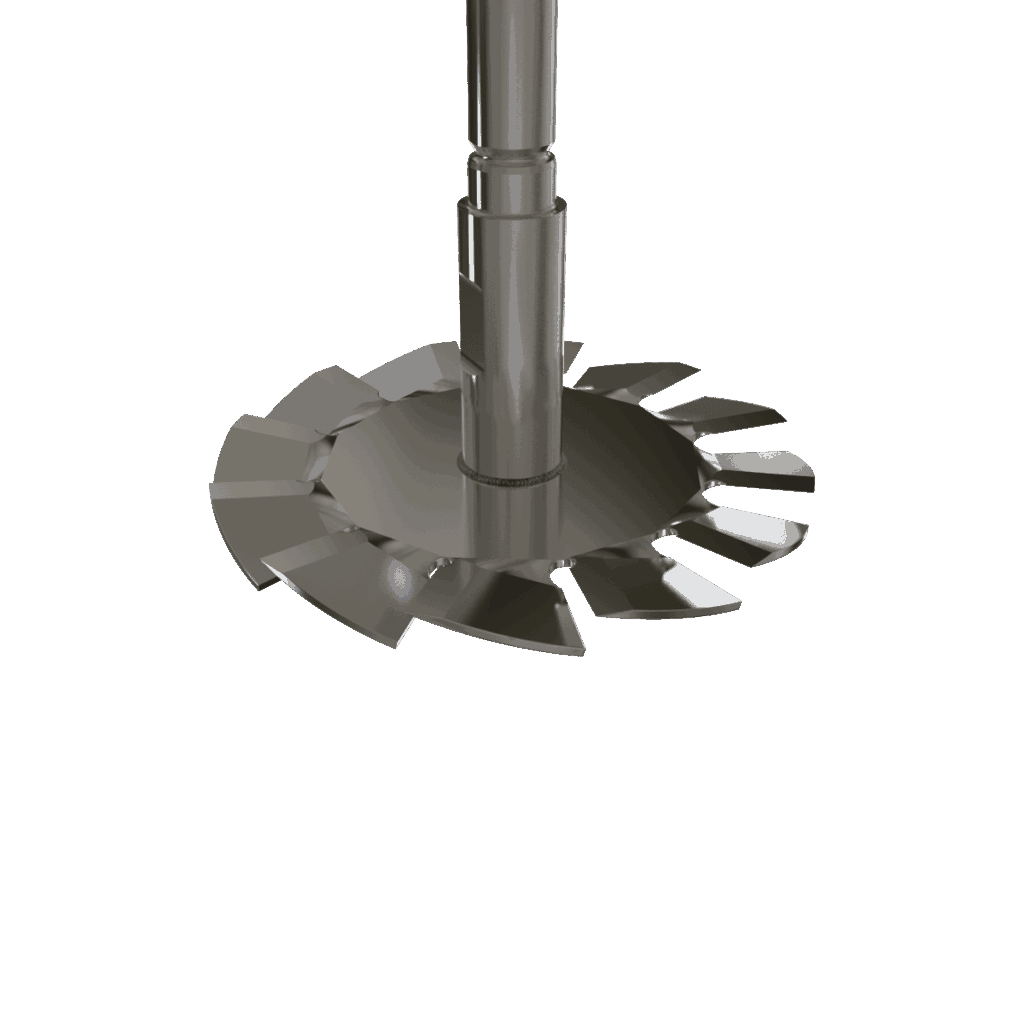
Dispersion Turbine for Bitumen Emulsions
The Dispersion Turbine provides the high-shear mixing required for creating stable bitumen emulsions and chemical dispersions. It ensures that water and emulsifiers remain perfectly suspended within the bitumen base. This robust element is key to producing high-performance bitumen products with consistent application properties.
Petrochemical Applications
Bitumen market trends
The global bitumen market was USD 49.45 billion in 2020. The market is expected to grow from USD 51.69 billion in 2021 to USD 67.14 billion by 2028.
The global market is expected to grow significantly due to the rapid growth in demand in the construction industry. Especially in the areas of roofing and building new roads, bitumen is increasingly being used.
About ten percent of all bitumen made is used for roofing. Bitumen roofing membrane is increasingly used in the Netherlands given its easy installation and high quality. Eighty-five percent of all bitumen produced is used to make asphalt, this in turn eventually results in the making of new (highway) roads.
Finally, bitumen is used for sealing purposes. These can include products such as: primer, paint, coating and sealing products.
Bitumen refining process:
These are the various steps in the refining process:
- Atmospheric Distillation
- Vacuum distillation
- Oxidation
- Blending
- Storage
Atmospheric Distillation
In the first step of this process the crude oil will be heated in furnace up to 350°C and subsequently guided to a distillation column were the lighter fraction (propene, butane) evaporates. The middle fractions such as naphtha, kerosene, gasoil are removed for further treatment in other refinery units. The heavy fraction, non-boiling component, remains at the bottom.
Vacuum Distillation
In the second process step the heavy fraction is, heated up to 425°C. To remove the last traces of the lighter fractions(gasoil), the residue is introduced again into a distillation column, here the vacuum pressure, lowers the boiling temperatures and thermal cracking of the molecules can be avoided.
Oxidation
The bitumen will be further processed in an oxidator reactor, by blowing air through it at elevated temperatures (280°C).
The process of oxidation increases the stiffness and softening point of the bitumen.
Blending
Often all kind of qualities bitumen are being blended to the technical specification required by the end user. These products are mainly used for road construction, roofing, pavements, reservoirs coatings. Bitumen is kept in large storage stanks (Carbon Steel) with capacities ranging from 100.000-1.000.000 liters.
The assumed viscosity of these blends is in the range of 200-3000 cP, depending on the temperature. The purpose of the mixer is to mix several highly viscous liquids, sometimes having almost the character of a solid. Given the tank geometry either a top entry mixer type N is required, whilst the Jongia’s side entry mixer type RWM will be selected for the large volumes.
The mixer type RWM is designed with two heavy duty bearing sections to absorb the power and vibration created during the mixing process. The modified marine type propeller, up to diameters of 850 mm, is creating a maximum forward flow resulting in turnover (cycle) times of 6-12 hours.
Frequently Asked Questions
What is bitumen?
Bitumen is a petroleum-based product derived from crude oil. It is obtained through the refining process, which involves filtering and removing lighter elements like naphtha and gasoline. The remaining material forms a hydrocarbon that is often used in construction and roofing.
How is bitumen produced?
Bitumen is produced through distillation. This process removes lighter components from crude oil, leaving behind the heavier bitumen. Additionally, natural deposits can form in ancient lakes where organic material has decayed and experienced heat and pressure over time.
What are the uses of bitumen?
Bitumen is primarily used for waterproofing and in construction. It is essential for building highways, roofing materials, and sealing products like primers and coatings. Approximately 85% of produced bitumen is utilized to make asphalt for new roads.
What are the current market trends for bitumen?
The global bitumen market was valued at USD 49.45 billion in 2020 and is expected to grow to USD 67.14 billion by 2028. This growth is driven by increased demand in construction, particularly for roofing and road building applications.
What are the steps in the bitumen refining process?
The refining of bitumen includes several steps: atmospheric distillation, vacuum distillation, oxidation, blending, and storage. Each step contributes to the separation and enhancement of bitumen’s properties for various applications in construction and roofing.
Petrochemical Industry Contacts

Sales Director
Tom Pruymboom

Project Manager
Jan Siert Tjeerdsma
Petrochemical - Related Articles
Difference between precipitation and crystallization
Precipitation and crystallization are both processes involved in the formation of solid substances from a solution, but they occur under

Tutorial: How does the Counterflow work?
The Counterflow is a very suitable mixing element for mixing processes of medium viscous liquid products such as paints, polymers
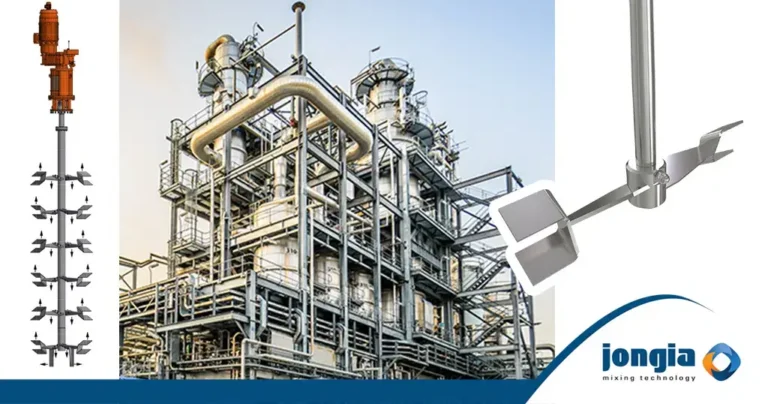
The Counterflow: from request to solution
Mainly in the chemical industry, the Counterflow mixing element is applied in mixing processes of products such as paint, polymers,
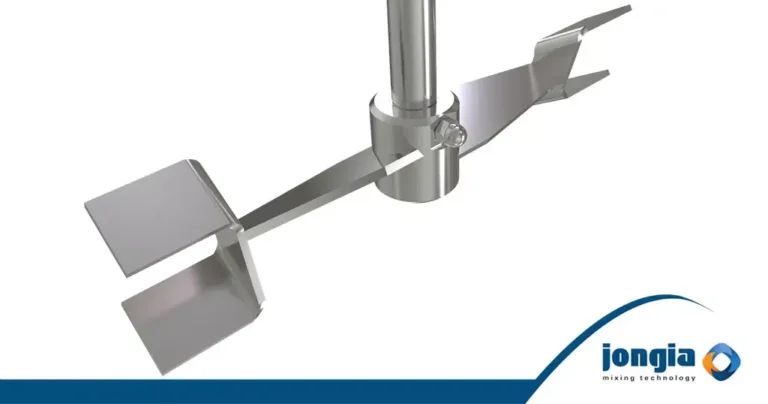
The Counterflow: the top entry mixer for the chemical industry
The Counterflow mixing element doesn’t only move the liquid in the middle or on the outside of the tank, but