



Cream
Cream is a dairy product that consists of the higher layer of yellowish fat that accumulates at the top of non-homogenized milk. This is skimmed off the top of the milk before homogenization.
The amount of butterfat in the cream determines how well the cream whips up and how stable it is. Cream with a higher fat content tastes better, has a richer texture and curdles less quickly when cooked.
Types of cream
There are a huge number of different types of cream; we highlight a few:
- Half-and-half
Half to half cream is a mixture that contains 1/2 whole milk and 1/2 cream. This cream is also often thought of as coffee cream. Half around half cream does not whip up but can be used instead of whipped cream in many recipes. - Single cream
About the same as half and half. Also known as coffee cream or table cream and often comes from semi-skimmed milk or even skim milk. Is whipped if it contains 30% butterfat, but is not very stable. Usually contains only 20% butterfat. Also known as simple cream. - Creme fraiche
It is an aged, thickened cream with a slightly tangy, nutty flavor and a velvety, rich texture. Its thickness can range from that of commercial sour cream to almost as firm as margarine at room temperature. In France, the cream is unpasteurized and therefore contains the bacteria needed to naturally thicken it. In America, where all commercial cream is pasteurized, the necessary fermentation can be obtained by adding buttermilk or sour cream. It is used as a topping in desserts and in cooked sauces and soups, where it has the advantage of not curdling when cooked.
Mixing elements for Cream Processing
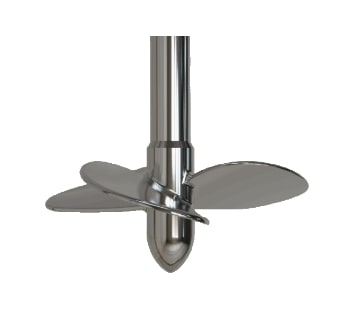
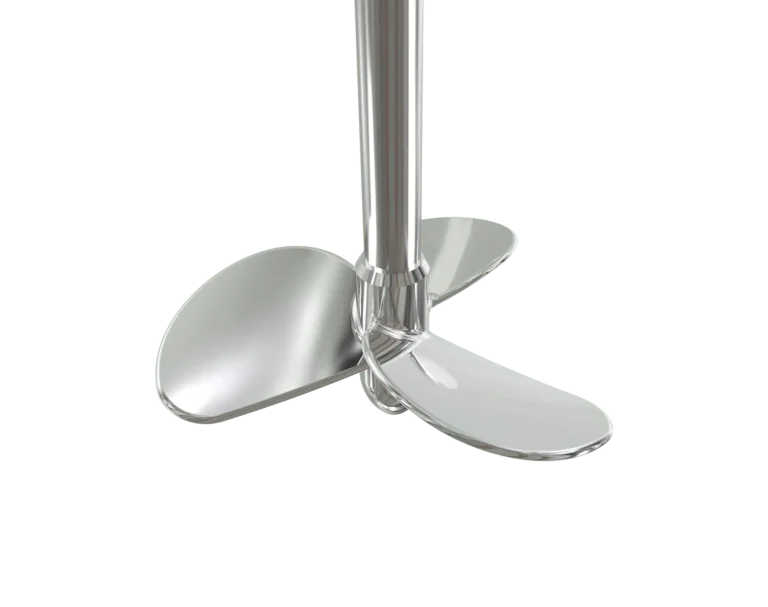
Versatile Propeller Mixer for Cream Processing
The Propeller is a workhorse in cream processing, keeping milk fat and dairy emulsions in uniform suspension inside cream tanks and standardization vessels. Its axial flow prevents settling and ensures consistent distribution of every component throughout the batch. Energy-efficient and reliable, it adapts to the viscosity changes typical of cream processing without loss of performance.
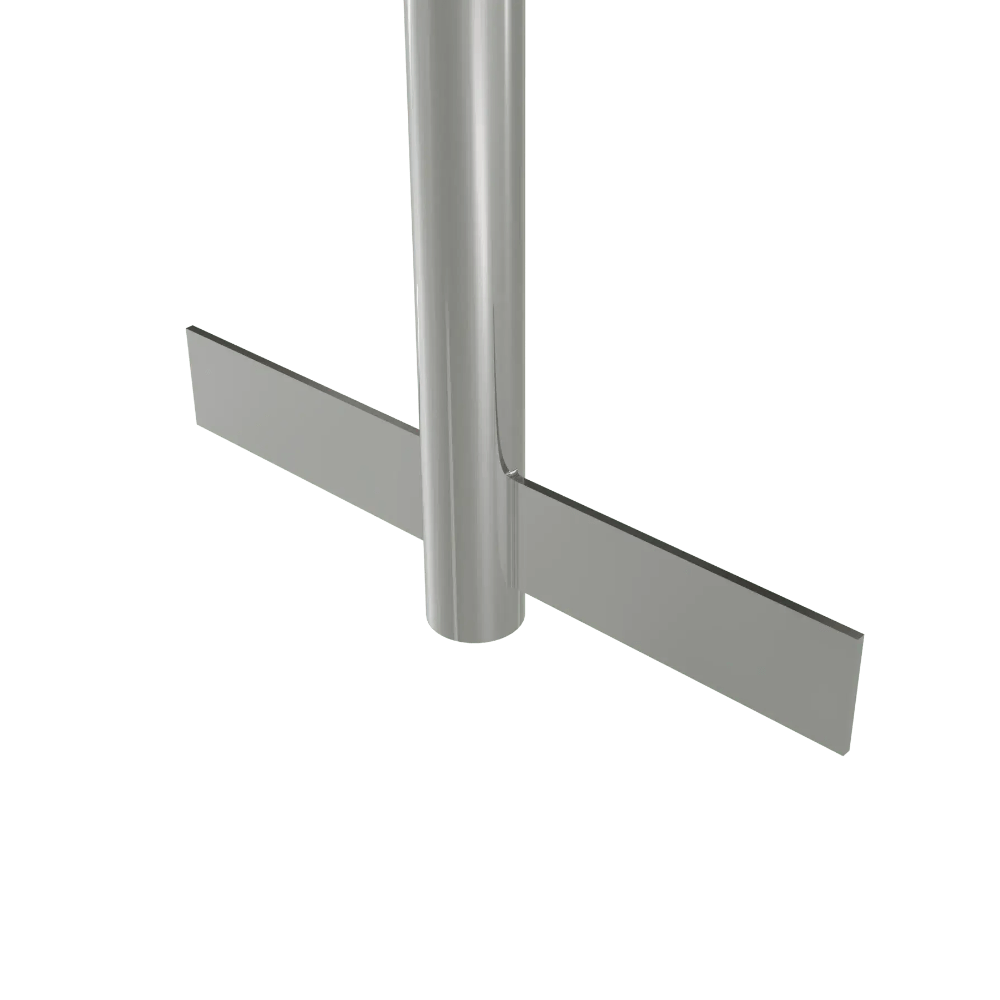
Robust Flatblade Turbine for Cream Processing
The Flatblade turbine generates strong radial flow and turbulence, tackling fat globule integrity and phase stability head-on in cream processing. It breaks up agglomerates, disperses additives, and homogenizes milk fat and dairy emulsions even when viscosity fluctuates. Its rugged construction handles the mechanical demands of industrial cream processing with proven reliability.
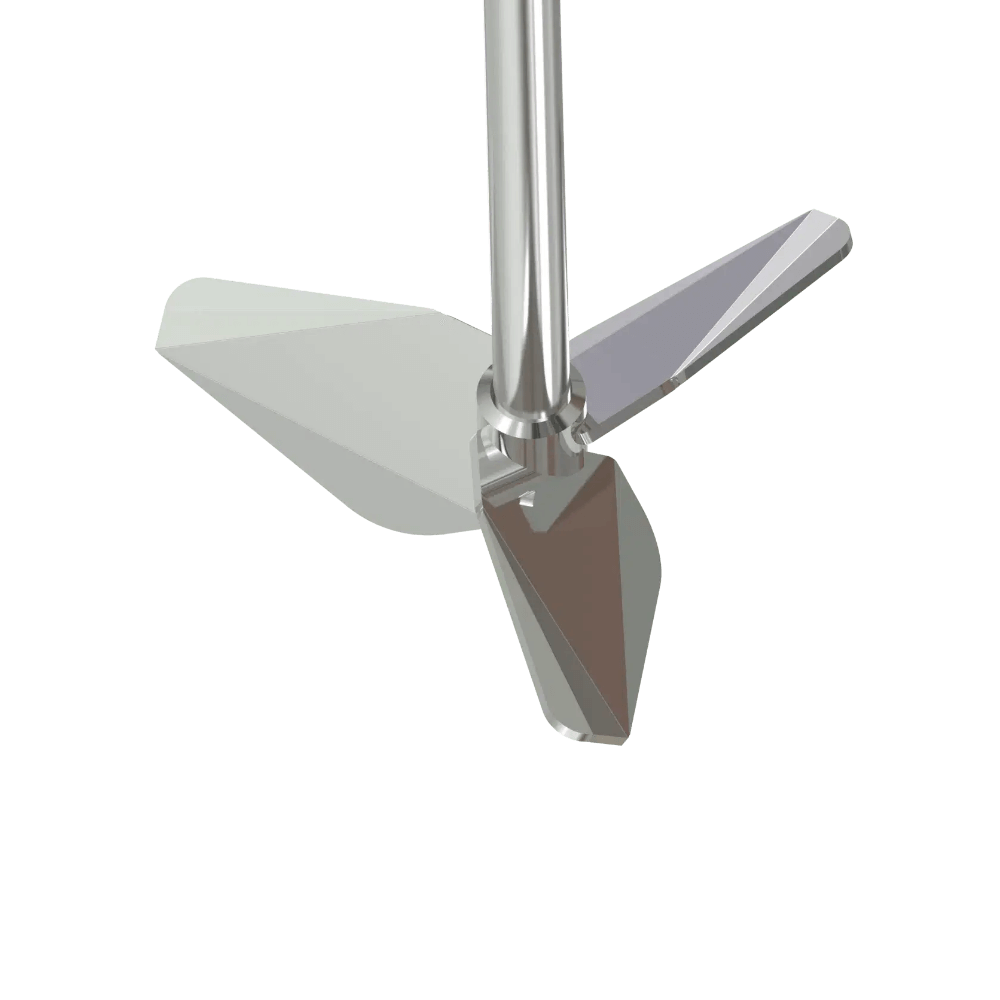
High-Flow Hydrofoil for Cream Processing
The Hydrofoil generates high-volume axial flow, making it a powerful solution for large cream tanks and standardization vessels in cream processing. It prevents thermal stratification and keeps milk fat and dairy emulsions in steady motion with minimal turbulence. The optimized blade profile turns drive power into fluid motion efficiently, supporting consistent homogenization at industrial scale.
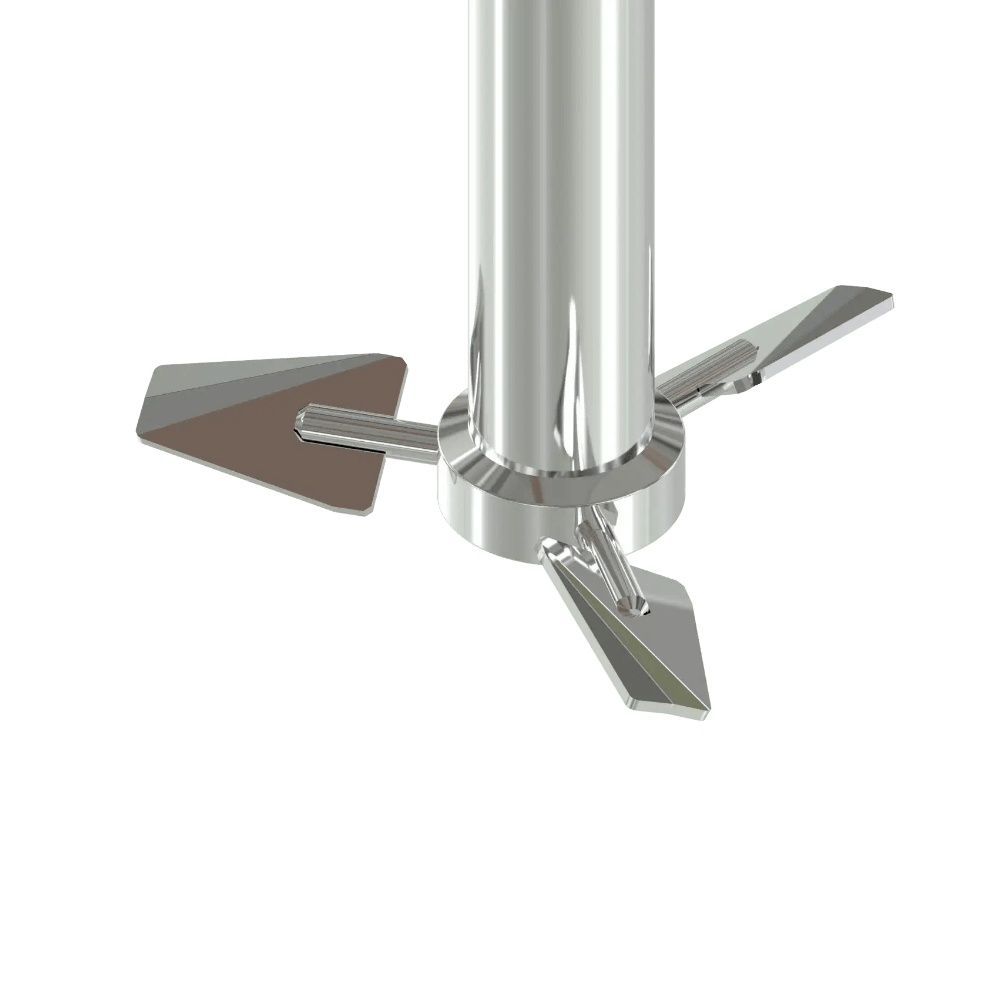
Reinforced Hydrofoil Pin for Demanding Cream Processing
The Hydrofoil Pin combines proven hydrofoil performance with reinforced pins for tougher substrates encountered in cream processing. Its structural design handles high-viscosity and high-solids zones where standard impellers might struggle, particularly when fat globule integrity and phase stability becomes critical. It delivers reliable mixing where milk fat and dairy emulsions are demanding to handle.
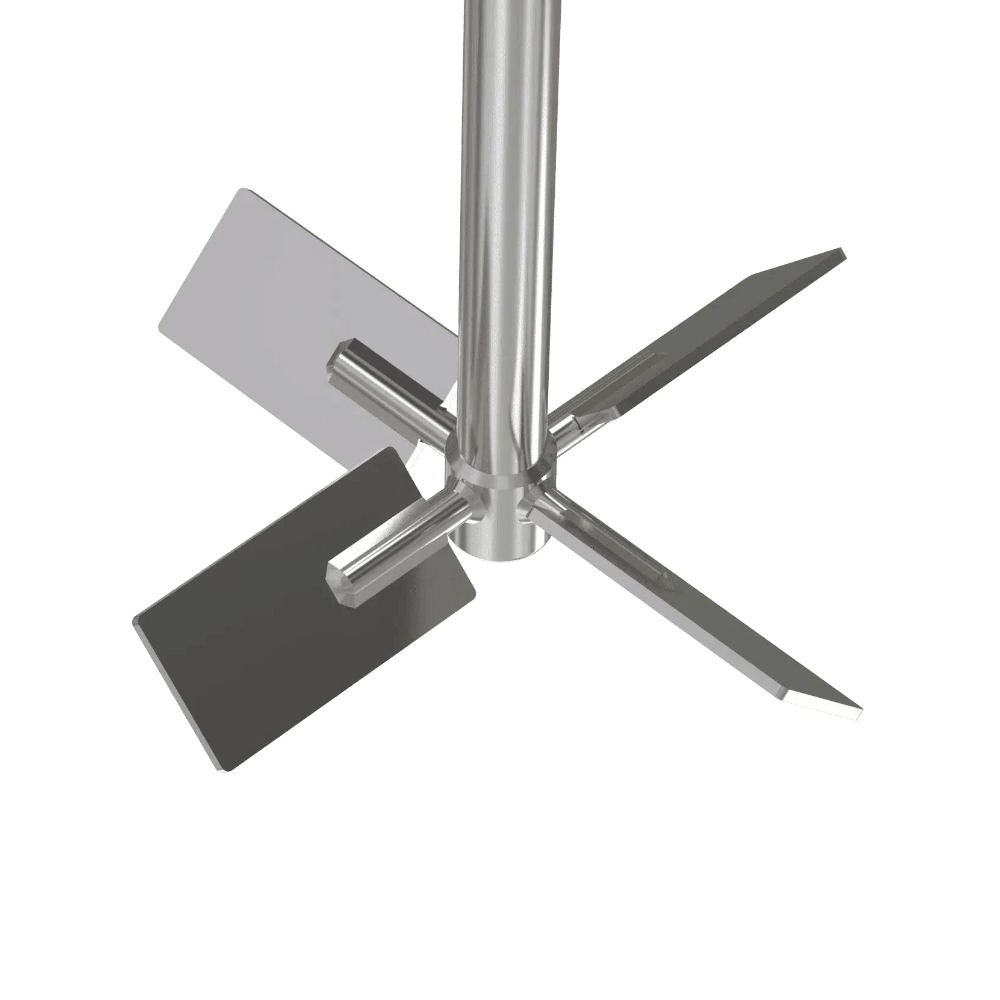
Reliable Axial Flow Turbine for Cream Processing
The Axial Flow Turbine is a dependable all-rounder for cream processing, ensuring even distribution of heat and additives throughout cream tanks and standardization vessels. It prevents stagnant zones and keeps milk fat and dairy emulsions in consistent motion across the vessel. Its cost-effective, robust design makes it a go-to choice for stable, continuous operation in cream processing.
Heavy-Duty Welded Turbine for Cream Processing
Built for maximum durability in continuous cream processing, this welded turbine eliminates bolted connections for superior mechanical integrity. Its smooth profile resists buildup of milk fat and dairy emulsions and simplifies cleaning and maintenance in cream tanks and standardization vessels. It is the preferred choice for industrial-scale cream processing that demand long service intervals and high reliability.
Axial Flow Turbine Pin for Challenging Cream Processing
Adapted for cream processing involving fibrous materials or high solids content, this turbine uses reinforced pins to cut through fat globule integrity and phase stability. It maintains an effective mixing zone even when the composition of milk fat and dairy emulsions varies from batch to batch. An essential element for facilities handling inconsistent or demanding substrates in cream processing.
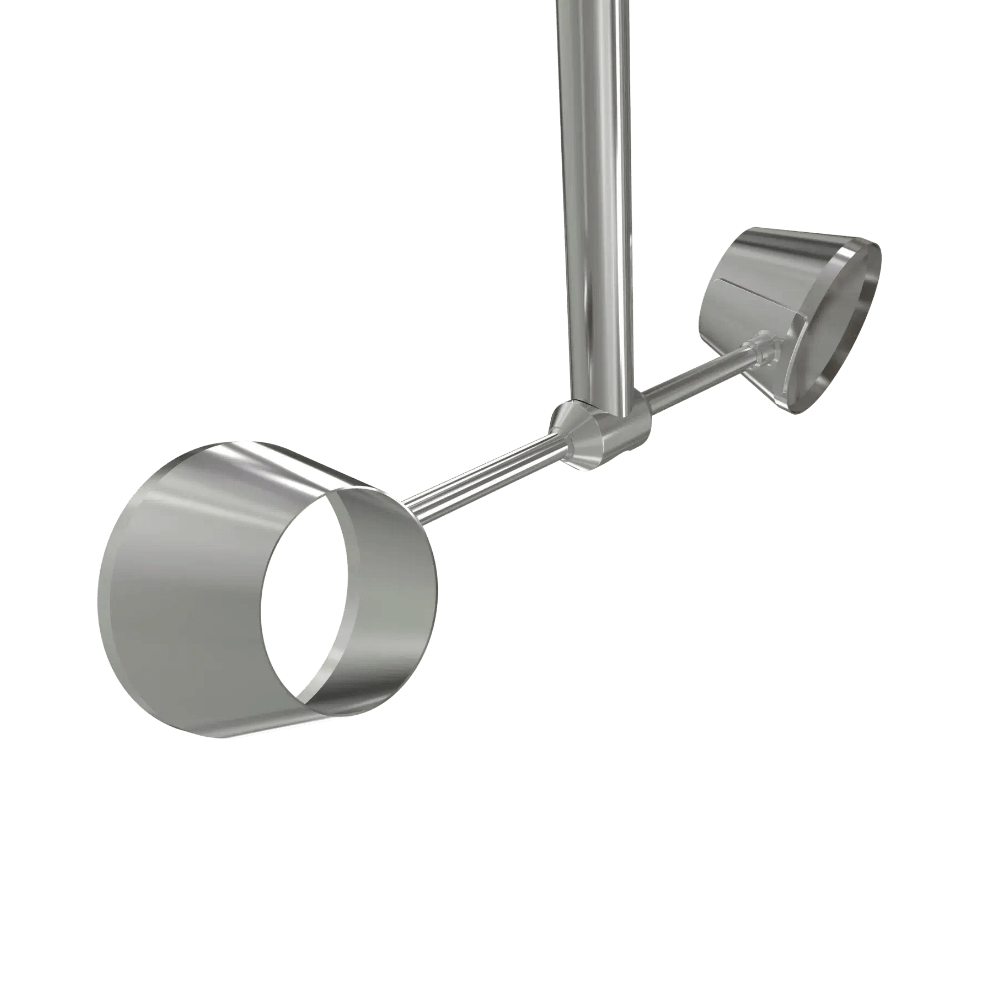
Cup Mixer for Gentle Cream Processing Blending
The Cup Mixer creates a controlled, enclosed flow pattern that is ideal for cream processing where gentle handling is key. It homogenizes milk fat and dairy emulsions without introducing excessive shear or air, protecting delicate emulsions and suspensions in cream tanks and standardization vessels. A trusted element where product quality depends on minimal mechanical stress.
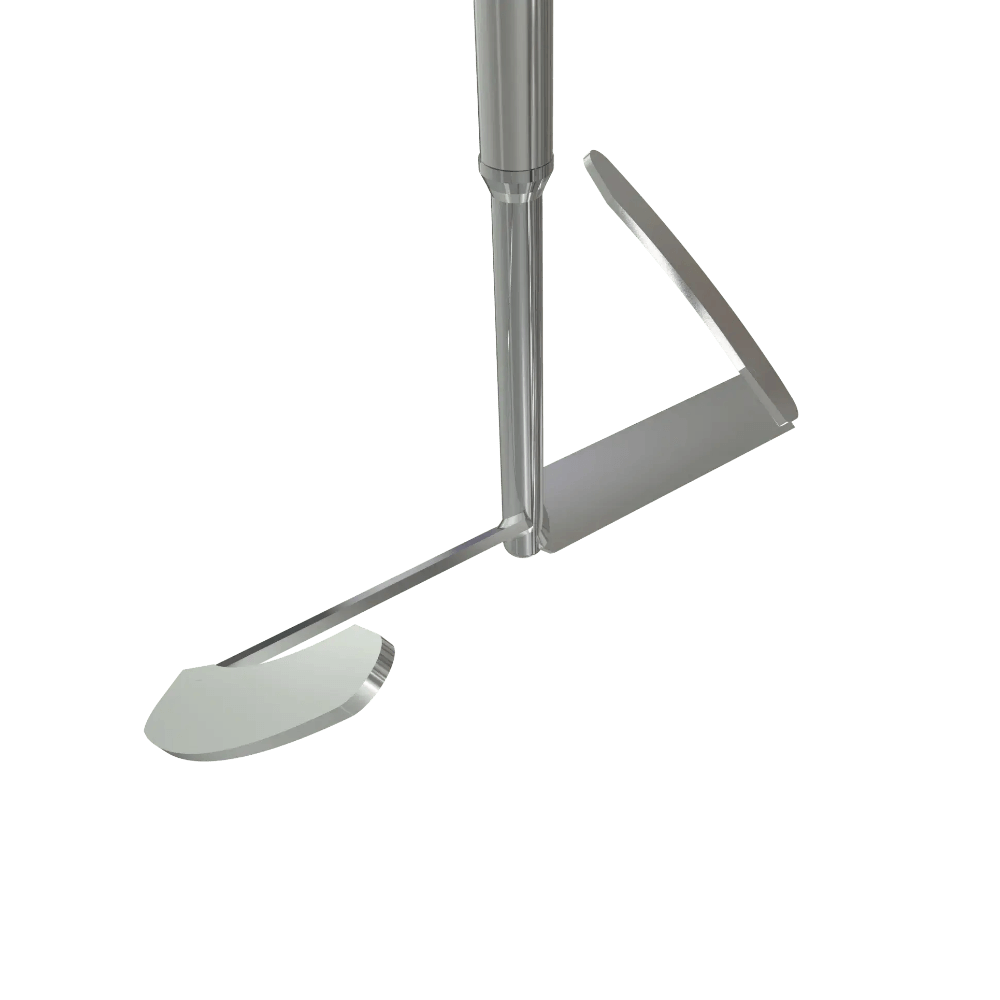
Anchor Mixer for High-Viscosity Cream Processing
The Anchor mixer is designed for cream processing with high viscosity, where milk fat and dairy emulsions tend to build up on the tank walls. Its close-clearance blades sweep the walls of cream tanks and standardization vessels, promoting heat transfer and preventing local hot spots or fouling. The ideal solution wherever intensive wall-to-wall homogenization is required.
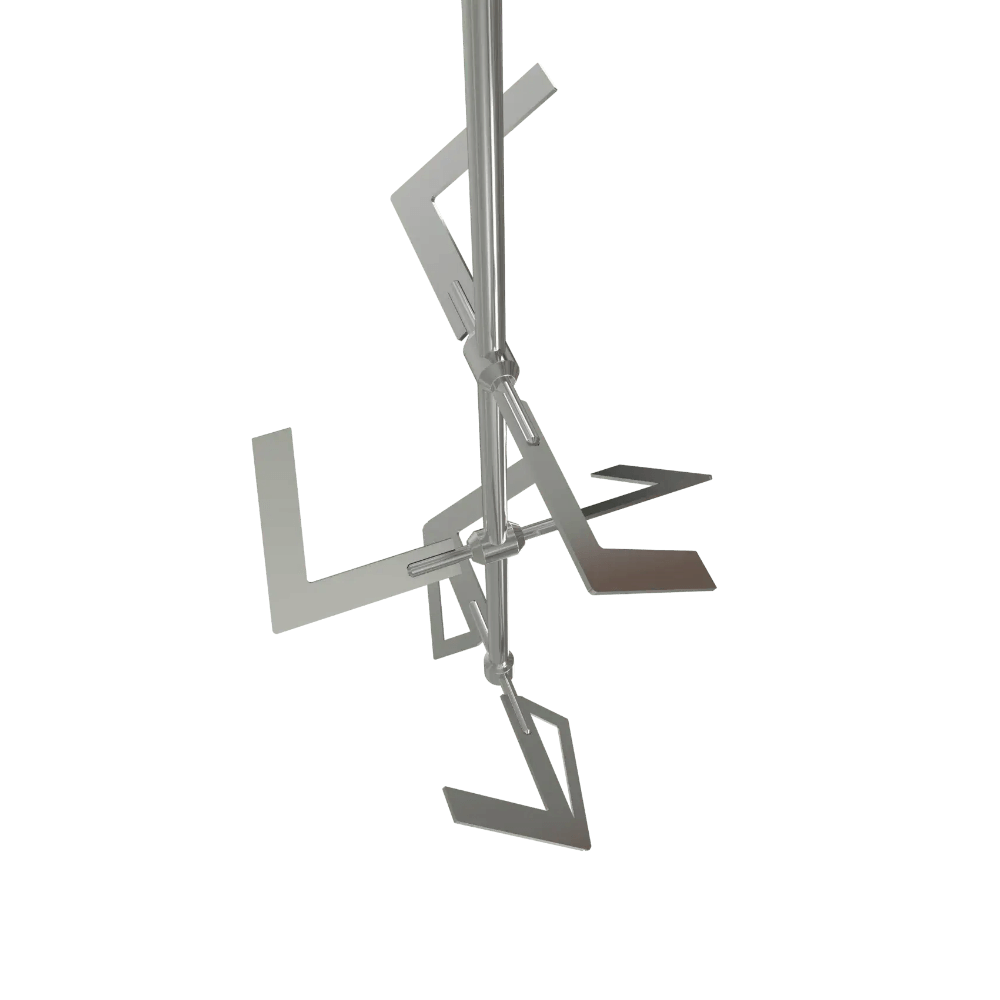
U-Z Turbine for Thorough Cream Processing Mixing
The U-Z Turbine combines strong axial flow with a geometry tailored to the demands of cream processing. It ensures complete homogenization of milk fat and dairy emulsions in cream tanks and standardization vessels while keeping shear forces controlled. A versatile solution for processors who need consistent blending across varying batch sizes and viscosities.
Cream market trends
The global cream market was valued at USD 17.21 billion in 2020. The market is expected to grow from USD 17.56 billion in 2021 to USD 23.11 billion by 2028.
The growth is related to the improvement in the dairy cream development process. Companies are trying to increase their market share by adding new products and expanding their product range. Product innovation in particular plays a crucial role, as some consumers say they are satisfied with the taste of plant-based alternatives.
The ability to market a sustainable, environmentally friendly, green brand image can attract consumers. And it is an incentive for both producers and farmers to adopt more sustainable practices, and organic milk is used, for example. Companies operating in countries where the feed system is predominantly pasture-based have particular opportunities to capitalize on their green brand image when marketing their products. Moreover, several prominent companies operating in this field are focusing on launching organic products to attract more consumers.
Frequently Asked Questions
What is cream?
Cream is a dairy product formed from the higher layer of fat that separates from non-homogenized milk. It is skimmed off before homogenization and contains varying amounts of butterfat, which affects its taste and texture.
What are the different types of cream?
There are several types of cream, including half-and-half, single cream, and crème fraîche. Each type has different butterfat content and uses in cooking, with varying textures and flavors suitable for diverse recipes.
How does butterfat content affect cream?
The butterfat content in cream influences how well it whips and its stability in cooking. Higher fat content generally leads to better taste, richer texture, and reduced curdling during cooking, making it a preferred choice for many recipes.
What are the current trends in the cream market?
The global cream market is expected to grow significantly, driven by innovations in dairy cream production and the demand for organic and sustainable products. Companies focus on expanding their ranges to attract consumers, especially considering the taste of plant-based alternatives.
Why is sustainable branding important for cream producers?
Sustainable branding is essential for cream producers as it attracts environmentally conscious consumers and encourages adoption of sustainable practices. A green brand image can be leveraged to market organic products effectively, particularly in regions with pasture-based feed systems, enhancing marketability.
Food & Beverages Contacts

Sales Director
Tom Pruymboom

Area Sales Manager
Teun van der Spek

Application Engineer
Sijko van der Veen
Dairy - Related Articles

Homogenization and Cooling in Diary Cream Production
Utilizing Jongia’s Cup Mixer Homogenization is a standard procedure employed in dairy cream production to ensure the consistent distribution of
The Jongia UZ-Mixing element: from application to solution
The Jongia U-Z Mixing element, from application to solution Using the UZ-Mixing Element is not the solution for every application.

Foaming and air entrapment common to mixing processes
Jongia Mixing Technology has initiated many mixing processes worldwide with its agitators. In some of these mixing processes, the elimination
Jongia propellers are a valuable addition to the mixing process
Product friendly propellers are an indispensable part of our customers’ mixing process. Especially in the dairy industry, where slightly viscous