Fraud Blocker Milk - Jongia Mixing Technology
Dairy Milk

Milk

Milk is the liquid produced by the mammary glands of mammals. Milk can come from any mammal but cows, goats, buffalo and sheep are the most common and well-known producers.

Industrial Mixers for Food & Beverages

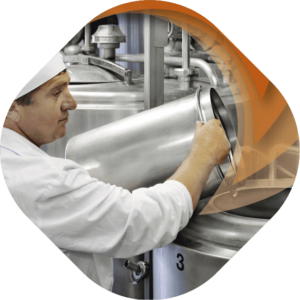
For the best mixing solution we rely on our process knowledge of more than 80 years and our high quality sanitary design

Industrial Mixers for Food & Beverages

What is milk?

Whole milk (also often called plain milk) contains about 87% water. The remaining 13% contains protein, fat, carbohydrates, vitamins and minerals. Within the production of milk, there are several techniques that ensure the milk contains less fat. These techniques make it possible to produce skimmed and semi-skimmed milk.

Between these three types of milk, skimmed milk contains the least fat, semi-skimmed milk contains slightly more fat than skimmed milk, and whole milk has the most fat.

Mixing elements for Milk Processing

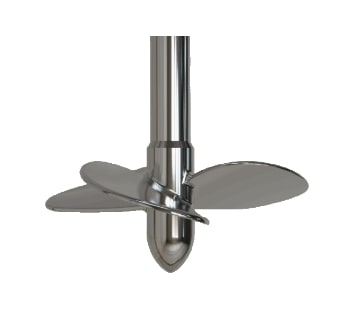
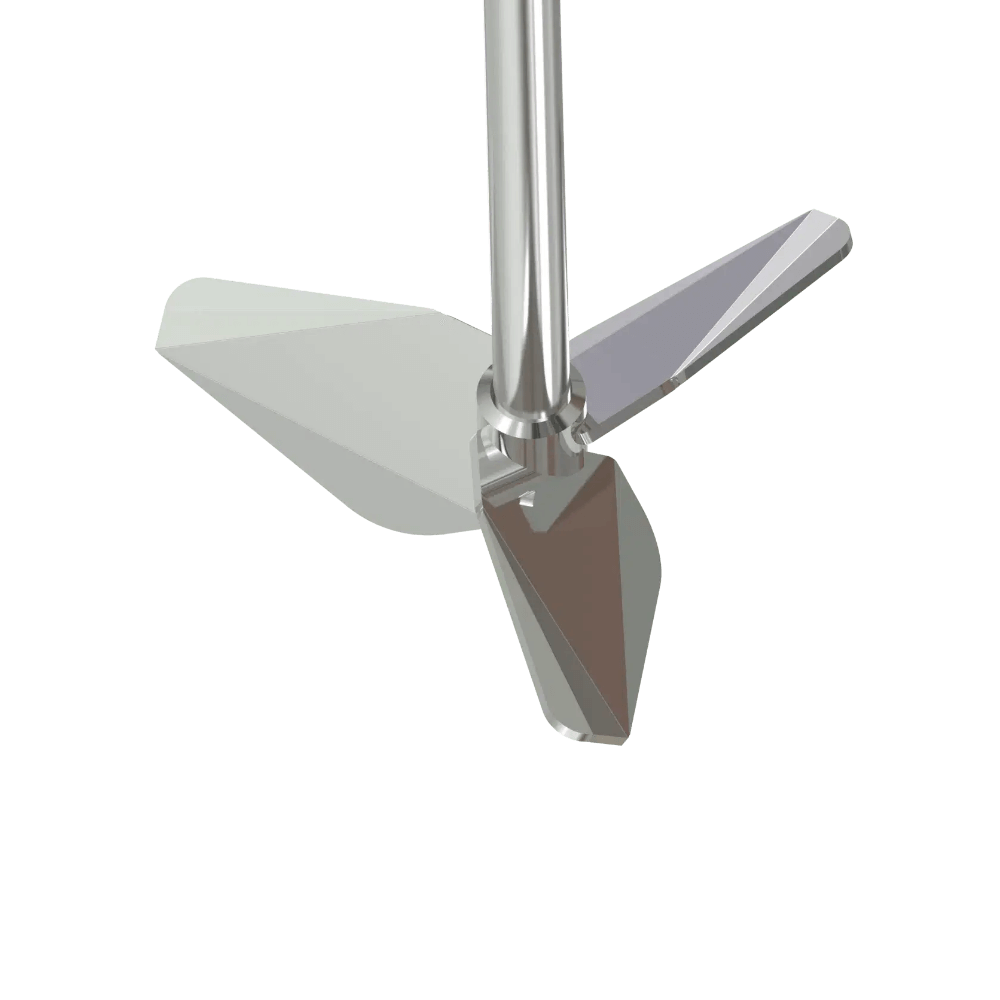
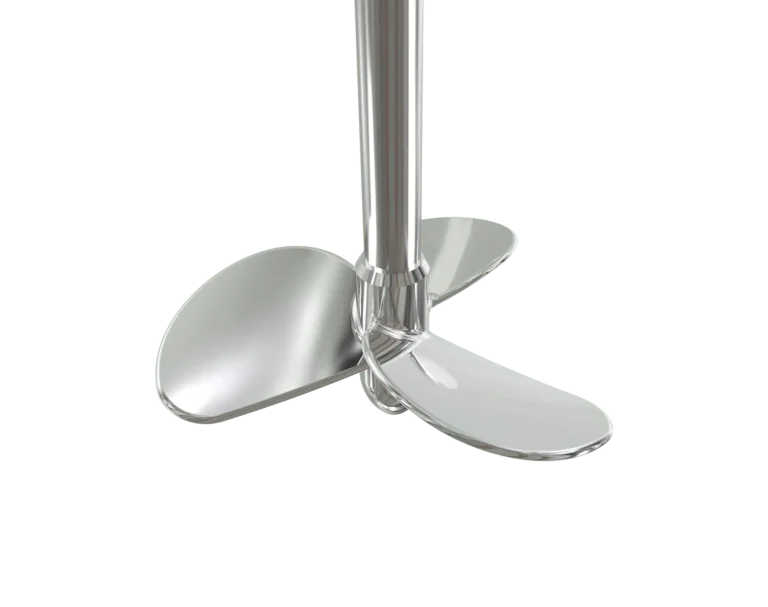
Versatile Propeller Mixer for Milk Processing

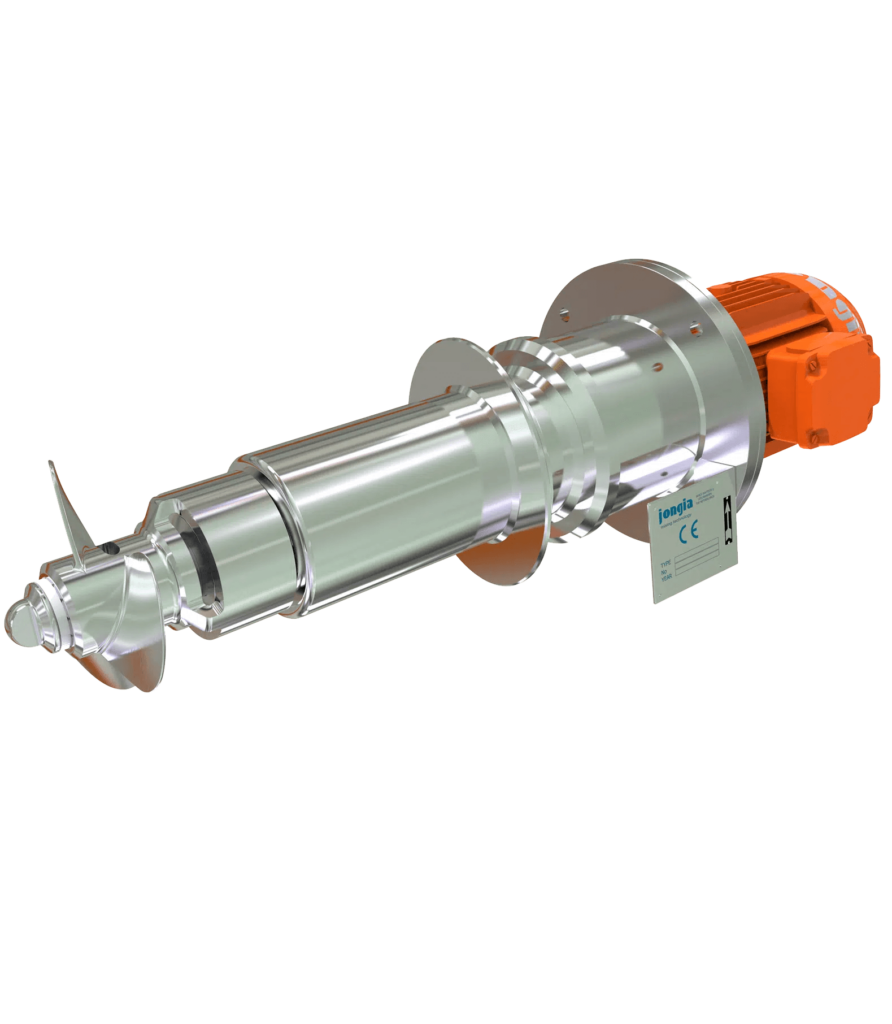
The Propeller is a workhorse in milk processing, keeping raw and pasteurized milk in uniform suspension inside milk silos and standardization tanks. Its axial flow prevents settling and ensures consistent distribution of every component throughout the batch. Energy-efficient and reliable, it adapts to the viscosity changes typical of milk processing without loss of performance.

High-Capacity Hydroprop for Milk Processing

The Hydroprop delivers outstanding pumping capacity with minimal energy input, making it ideal for large milk silos and standardization tanks in milk processing. It ensures complete tank turnover, eliminates temperature gradients, and keeps raw and pasteurized milk in a stable, homogeneous state. Its streamlined design cuts operating costs while supporting continuous, high-volume milk processing.

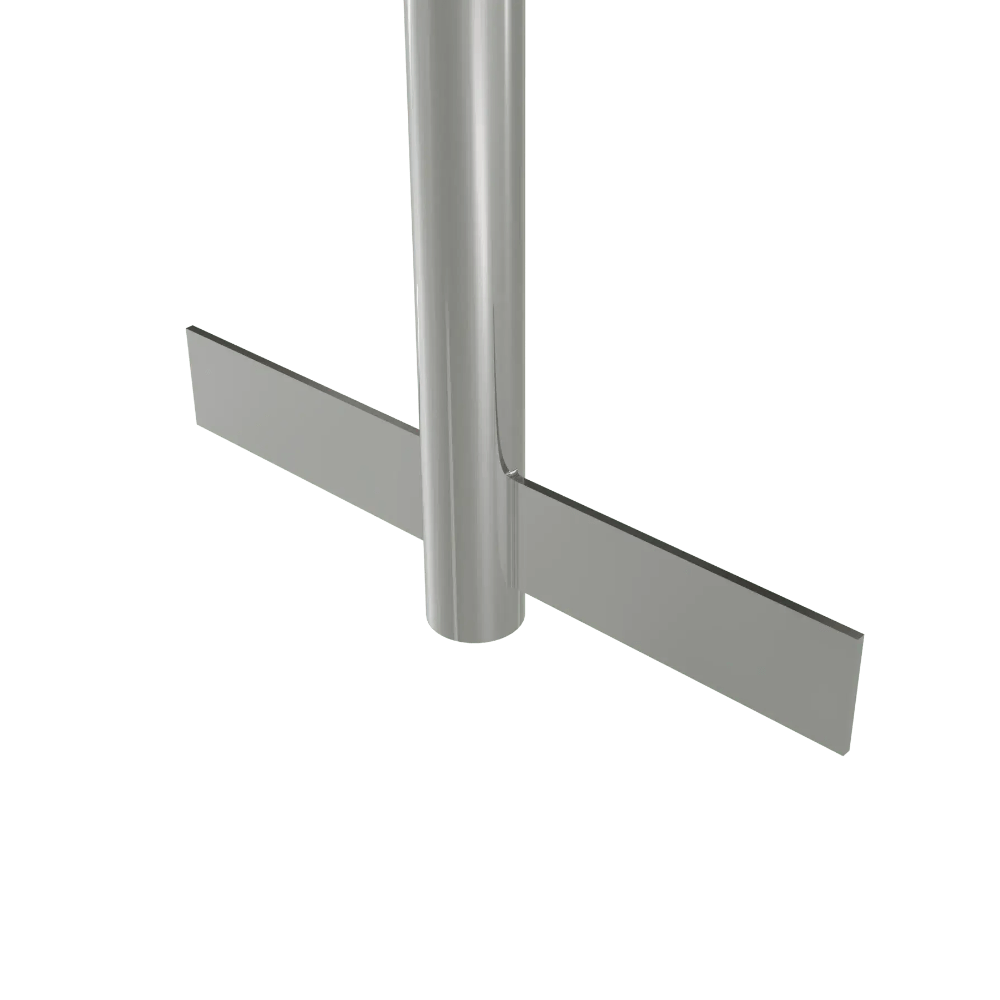
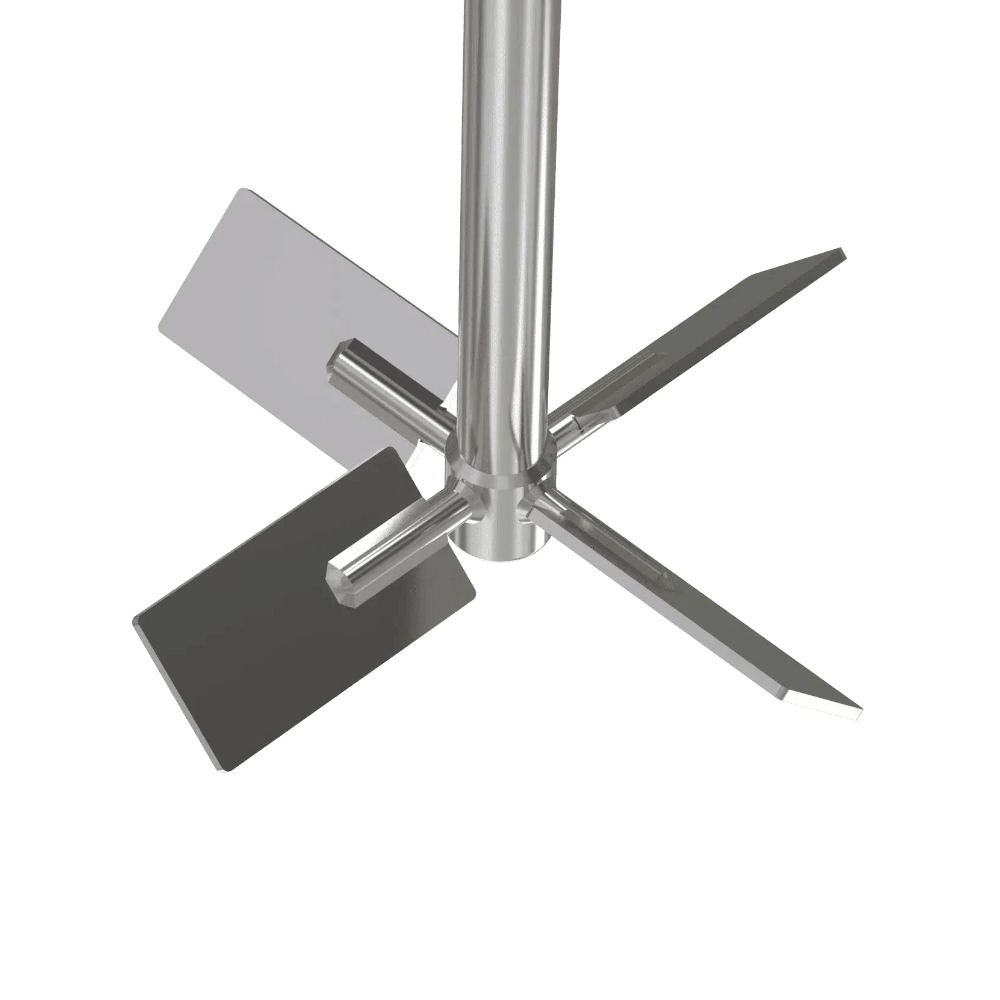
Robust Flatblade Turbine for Milk Processing

The Flatblade turbine generates strong radial flow and turbulence, tackling temperature uniformity and gentle handling head-on in milk processing. It breaks up agglomerates, disperses additives, and homogenizes raw and pasteurized milk even when viscosity fluctuates. Its rugged construction handles the mechanical demands of industrial milk processing with proven reliability.

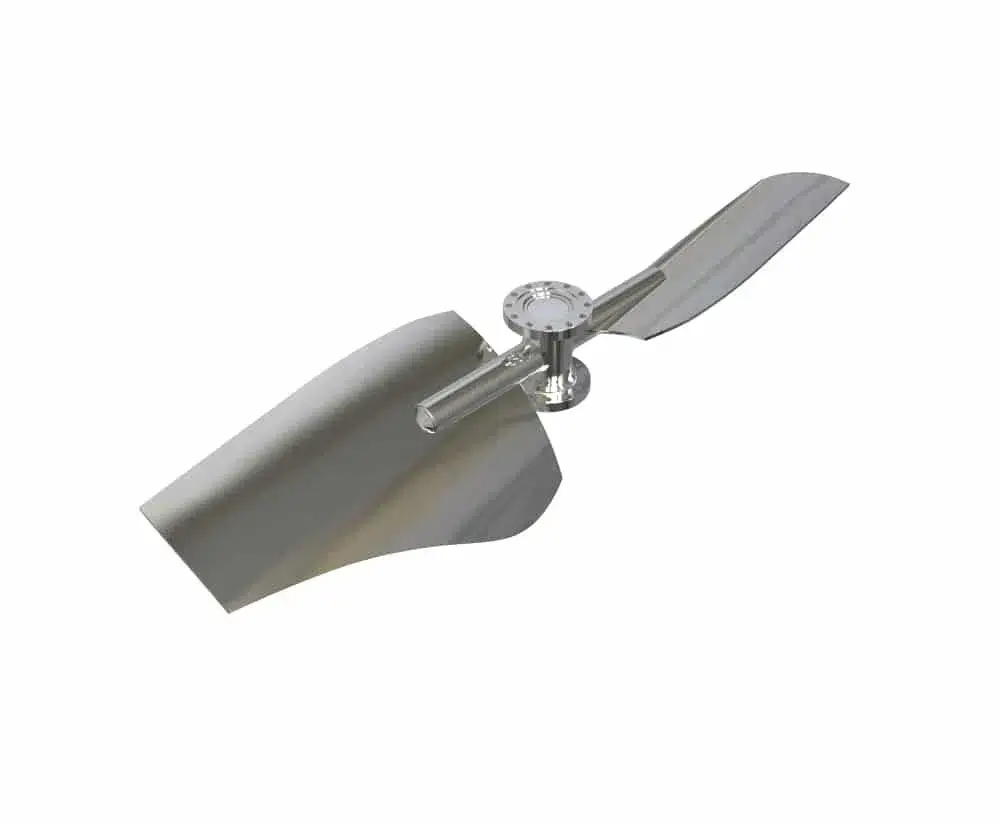
High-Flow Hydrofoil for Milk Processing

The Hydrofoil generates high-volume axial flow, making it a powerful solution for large milk silos and standardization tanks in milk processing. It prevents thermal stratification and keeps raw and pasteurized milk in steady motion with minimal turbulence. The optimized blade profile turns drive power into fluid motion efficiently, supporting consistent homogenization at industrial scale.

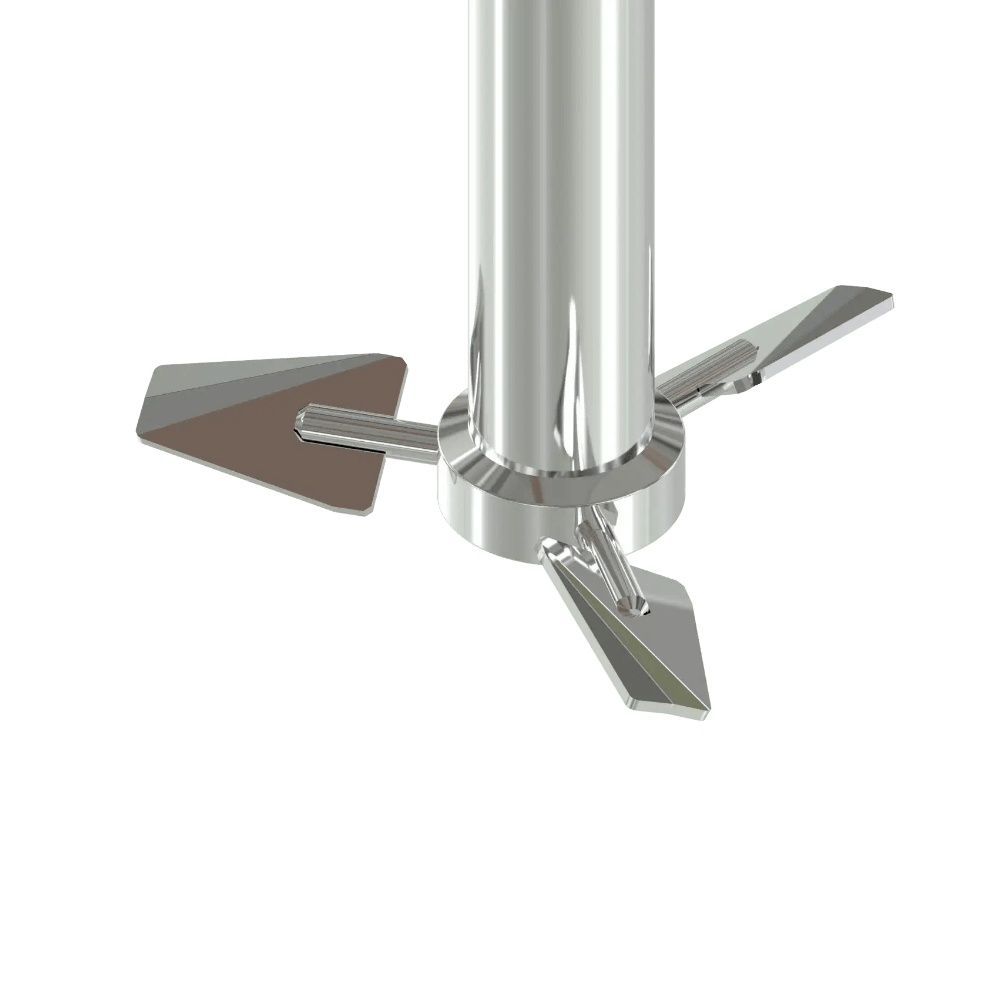
Reinforced Hydrofoil Pin for Demanding Milk Processing

The Hydrofoil Pin combines proven hydrofoil performance with reinforced pins for tougher substrates encountered in milk processing. Its structural design handles high-viscosity and high-solids zones where standard impellers might struggle, particularly when temperature uniformity and gentle handling becomes critical. It delivers reliable mixing where raw and pasteurized milk are demanding to handle.

Reliable Axial Flow Turbine for Milk Processing

The Axial Flow Turbine is a dependable all-rounder for milk processing, ensuring even distribution of heat and additives throughout milk silos and standardization tanks. It prevents stagnant zones and keeps raw and pasteurized milk in consistent motion across the vessel. Its cost-effective, robust design makes it a go-to choice for stable, continuous operation in milk processing.

Heavy-Duty Welded Turbine for Milk Processing

Built for maximum durability in continuous milk processing, this welded turbine eliminates bolted connections for superior mechanical integrity. Its smooth profile resists buildup of raw and pasteurized milk and simplifies cleaning and maintenance in milk silos and standardization tanks. It is the preferred choice for industrial-scale milk processing that demand long service intervals and high reliability.

Axial Flow Turbine Pin for Challenging Milk Processing

Adapted for milk processing involving fibrous materials or high solids content, this turbine uses reinforced pins to cut through temperature uniformity and gentle handling. It maintains an effective mixing zone even when the composition of raw and pasteurized milk varies from batch to batch. An essential element for facilities handling inconsistent or demanding substrates in milk processing.

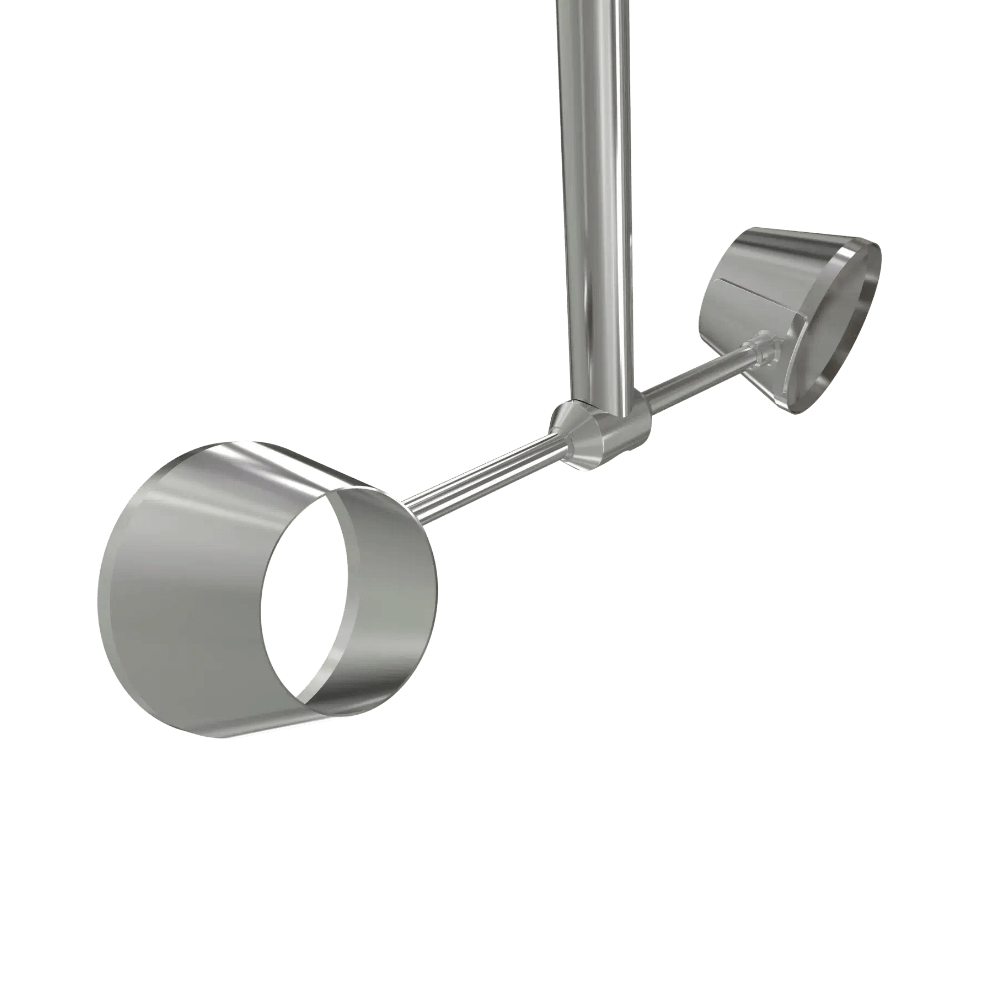
Cup Mixer for Gentle Milk Processing Blending

The Cup Mixer creates a controlled, enclosed flow pattern that is ideal for milk processing where gentle handling is key. It homogenizes raw and pasteurized milk without introducing excessive shear or air, protecting delicate emulsions and suspensions in milk silos and standardization tanks. A trusted element where product quality depends on minimal mechanical stress.

Anchor Mixer for High-Viscosity Milk Processing

The Anchor mixer is designed for milk processing with high viscosity, where raw and pasteurized milk tend to build up on the tank walls. Its close-clearance blades sweep the walls of milk silos and standardization tanks, promoting heat transfer and preventing local hot spots or fouling. The ideal solution wherever intensive wall-to-wall homogenization is required.

Hermetic Magnetic Mixer for Safe Milk Processing

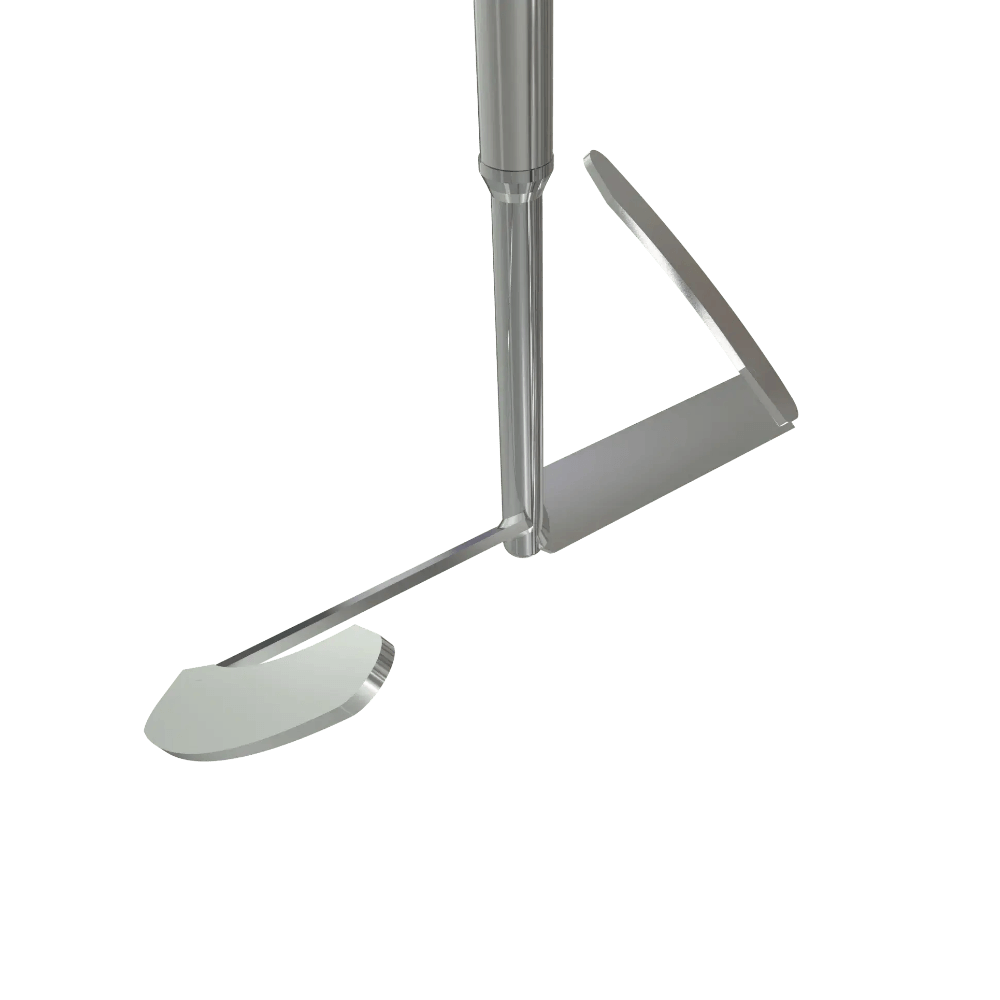
The Magnetic Mixer delivers a completely sealed mixing process, making it the preferred choice in milk processing where leak-tight operation is essential. By eliminating mechanical seals, it prevents contamination of raw and pasteurized milk inside milk silos and standardization tanks and keeps the batch fully enclosed. The ultimate solution for hygienic, hazardous, or zero-leakage requirements in milk processing.

Pasteurized, sterilized and raw milk

Pasteurized milk is raw milk that has been heated to a certain temperature and time to kill pathogens in the raw milk. Pathogens are microorganisms such as bacteria that make us sick. Raw milk can contain pathogens such as Campylobacter, E. coli O157:H7, Salmonella, Listeria and other bacteria.

With sterilized milk, all bacteria are killed because the milk is heated to temperatures above one hundred degrees. As a result, sterilized milk also has a much longer shelf life and can be left outside the refrigerated section. Long heating gives the milk a different taste than pasteurized milk.

Raw cow’s milk is milk that is completely unprocessed, it still contains various bacteria and fats and no fats have been extracted yet.

Frequently Asked Questions

What is the composition of milk?

Milk is primarily made of about 87% water, while the remaining 13% consists of proteins, fats, carbohydrates, vitamins, and minerals. Different techniques in production allow for variations, resulting in skimmed milk with the least fat, semi-skimmed with more, and whole milk containing the most fat.

Pasteurized milk is raw milk that has undergone heating to a specific temperature for a set duration to eliminate harmful pathogens. This process improves safety, reducing the risk of illness caused by bacteria commonly found in raw milk.

Sterilized milk is heated to temperatures exceeding 100 degrees Celsius, killing all bacteria, resulting in a much longer shelf life. Unlike pasteurized milk, sterilized milk may have a different taste due to the extended heating process.

Organic milk is produced with a focus on the welfare of cows and minimal environmental impact. This method promotes better animal conditions and aims to reduce detrimental effects on the planet, making it a sustainable choice for consumers.

Milk serves as a base for various products, including cheese, yogurt, butter, and ice cream. Each product varies in composition and treatment, showcasing the versatility of milk in creating numerous consumer goods and ingredients for culinary use.

Food & Beverages Contacts

Dairy – Related Articles

Types of milk products

Consuming milk can be done in many different ways. Besides the packs of liters of milk you find in the super market, there are also very many other milk products.

  • Chocolate milk comes from skimmed, semi-skimmed and whole milk. This milk is mixed with cocoa, sugar and various aromatic and flavoring substances. For fresh milk, cocoa powder is often added.
  • Organic milk is produced in a better and kinder way for the cow. It has a lower impact on the animal and environment which in turn is better for the planet.
  • Condensed milk is milk with sugar added because of these sugars, condensed milk is a very long-lasting milk. This milk can be kept unrefrigerated and is often found in cans.
  • Ice cream consists mainly of skimmed milk and cream. There is also ice cream made from yogurt or buttermilk.
  • Butter milk is created by the acidification of milk. Buttermilk contains live lactic acid bacteria and contains less than 1% fat.

Dairy products

Milk is the basis for many different products. Roughly divided in the following product groups;

  • Consumer products (milk, yoghurt, desserts etc)
  • Cheese & butter
  • Ingredients

Jongia agitators are used for all these different dairy applications with a clear focus on sanitary design and product knowledge. 

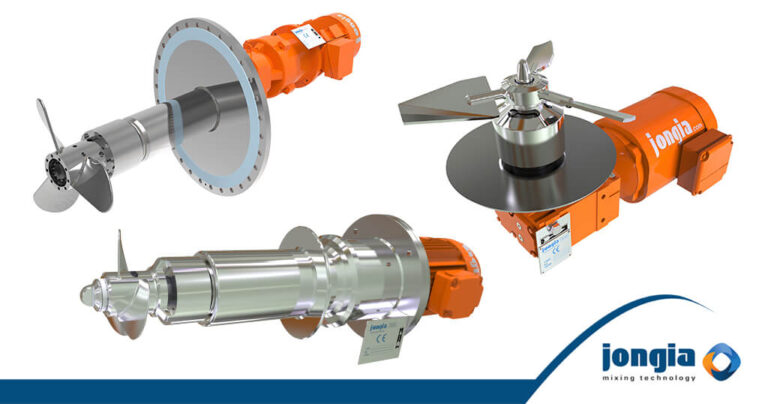
It already starts at the (raw) product storage silos, required at every production facility. Mainly milk, cream and whey concentrate products. The majority of these tanks is agitated by means of a Jongia side entry agitator type JDRW. An efficient, low budget solution for product storage.

Some of the most important products at the moment are whey and cream products. Both can be seen as a by-product from cheese production, but with a very important economic value. Specially whey products are booming business at the moment.

The whey liquid is separated from the cheese curd at the final stage, just before putting it in the cheese moulds. This product (with a rather low dry solids concentration) is stored in tank silos, agitated by a side entry type JDRW. In following steps the whey is concentrated further to a higher ds content by means of separation and/or evaporation. At this stage the product is agitated by means of a slow running agitator type LD, in order to keep a good suspension. 

In the past whey concentrate was mainly used as animal feed. This is still one of the applications (base material for animal feed). But it can also be used for numerous other products (with higher economic value), like lactose and whey powders. These powders are used in for instance baby food, drinks, soups, pharmaceutical applications etc. Jongia LD type agitators are used for storage and/or blending applications in all kinds of applications.

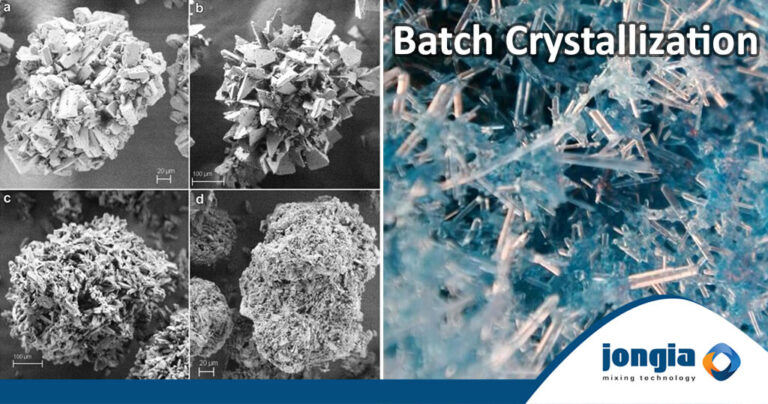
A special application is crystallization of whey/lactose liquids. This requires close consultancy with the clients product specialist, In order to get the required crystallization results. 


Cream, an other cheese by-product, is separated from the (raw) milk, in order to get a standardized milk quality for the cheese production. It is stored in cooled silos, and in general agitated by means of a slow running agitator type LD. Fat content in general 30-42%. Large, slow running mixing blades provide an optimal cooling (for taking away possible crystallization heat) without damaging the cream.

Cream used for butter production may also require a crystallization step, called cream ripening. The cream is slowly heated and cooled to the required temperature, and the agitator gently homogenizes the bulk liquid. The required agitator is a special type LD agitator, optimized for this ripening process. Once again close consultancy with the clients product specialist is required, to get the desired results.

Cream is not only used for butter production. Other applications are food products, like culinary creams, and butter oil/serum. These last are agitated by means of a Jongia agitator type JDR.

References for above mentioned processes are amongst others:

FrieslandCampina, DOC/Volac Nutrition, Arla Foods UK, Glanbia Ireland, VIV Zelhem

Scroll to Top

Download
Paint & Coatings Industry Leaflet

We will send the PDF to your email address.

paint & coatings
Paint & Coatings Leaflet

Please visit our Privacy Policy to understand how we manage your data.

Download
Juice Industry Leaflet

We will send the PDF to your email address.

juice industry
Juice Industry Leaflet

Please visit our Privacy Policy to understand how we manage your data.