


Yoghurt
Yoghurt is an acidic, often sweetened or flavored dairy product prepared by homogenization and fermentation of pasteurized milk. It is consumed in various forms, including beverages, snacks, meal replacements, desserts and protein-rich sports drinks. Health benefits of yogurt include healthy digestion, low risk of type 2 diabetes, protection against colon cancer, prevention and treatment of osteoporosis, enhancement of weight and fat loss, improvement of the immune system and reduction of high blood pressure.
Yoghurt types
There are many different types of yoghurt, we go over the most commonly sold yoghurt types with you.
- Greek yoghurt
Greek yoghurt often contains more fat and calories than regular yoghurt. It is a thick yoghurt with often a milder taste, this is partly because cream is added to Greek yoghurt. Greek yoghurt often contains 3x the number of calories as a serving of low-fat yoghurt. - Bulgarian yoghurt
Bulgarian yoghurt is often a bit softer in taste than regular full-fat yoghurt. The difference between Bulgarian and Greek yoghurt is that Bulgarian yoghurt contains milk powder and condensed milk. The yogurt is relatively high in saturated fats, thus Bulgarian yogurt is often fattier than full-fat yoghurt. - Skimmed yoghurt
Skim yoghurt (also called Dutch Yoghurt) contains barely any fat, semi-skimmed yoghurt usually contains about 1.5% fat and full-fat yogurt usually contains 3% fat. Furthermore, skimmed yoghurt is almost exactly the same as half-fat yoghurt and full-fat yoghurt.
Mixing elements for Yoghurt Production
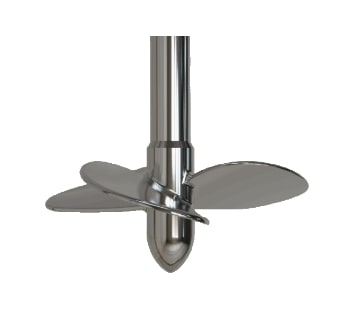
Versatile Propeller Mixer for Yoghurt Production
The Propeller is a workhorse in yoghurt production, keeping milk, cultures, and stabilizers in uniform suspension inside fermentation tanks. Its axial flow prevents settling and ensures consistent distribution of every component throughout the batch. Energy-efficient and reliable, it adapts to the viscosity changes typical of yoghurt production without loss of performance.
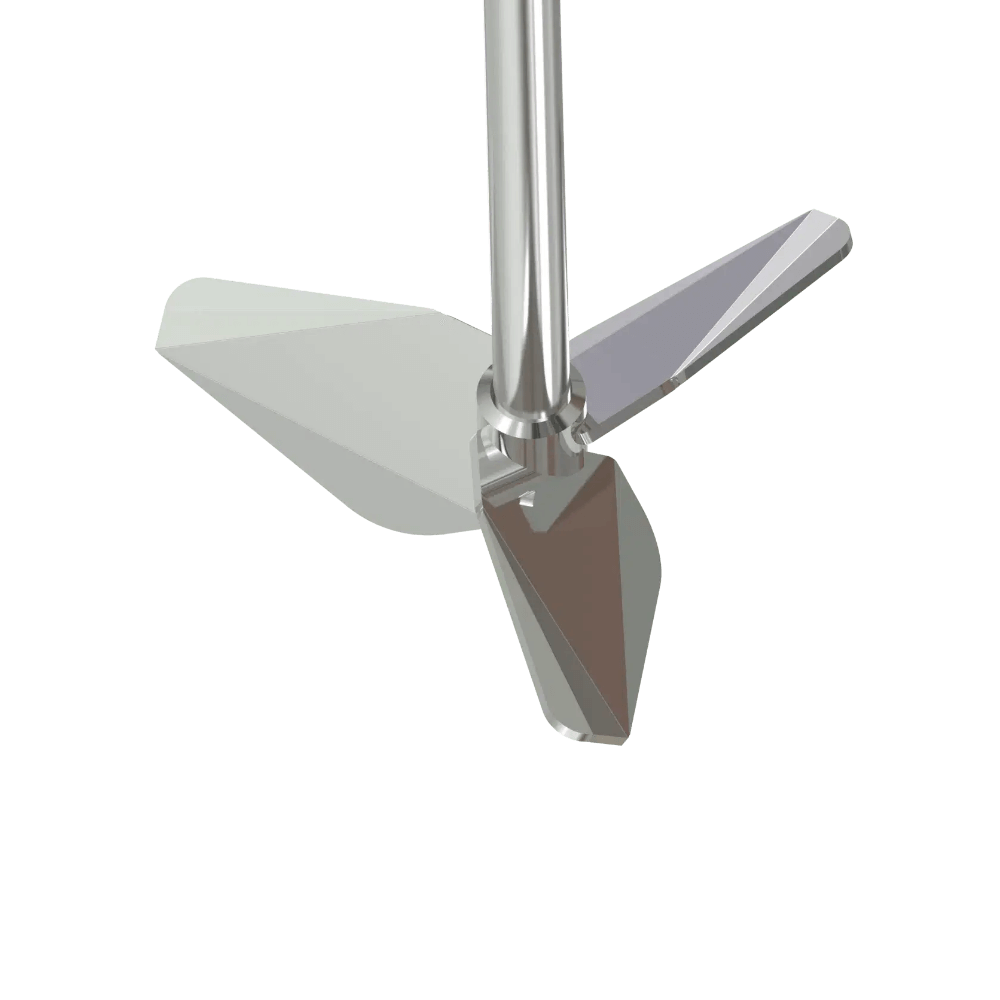
High-Flow Hydrofoil for Yoghurt Production
The Hydrofoil generates high-volume axial flow, making it a powerful solution for large fermentation tanks in yoghurt production. It prevents thermal stratification and keeps milk, cultures, and stabilizers in steady motion with minimal turbulence. The optimized blade profile turns drive power into fluid motion efficiently, supporting consistent homogenization at industrial scale.
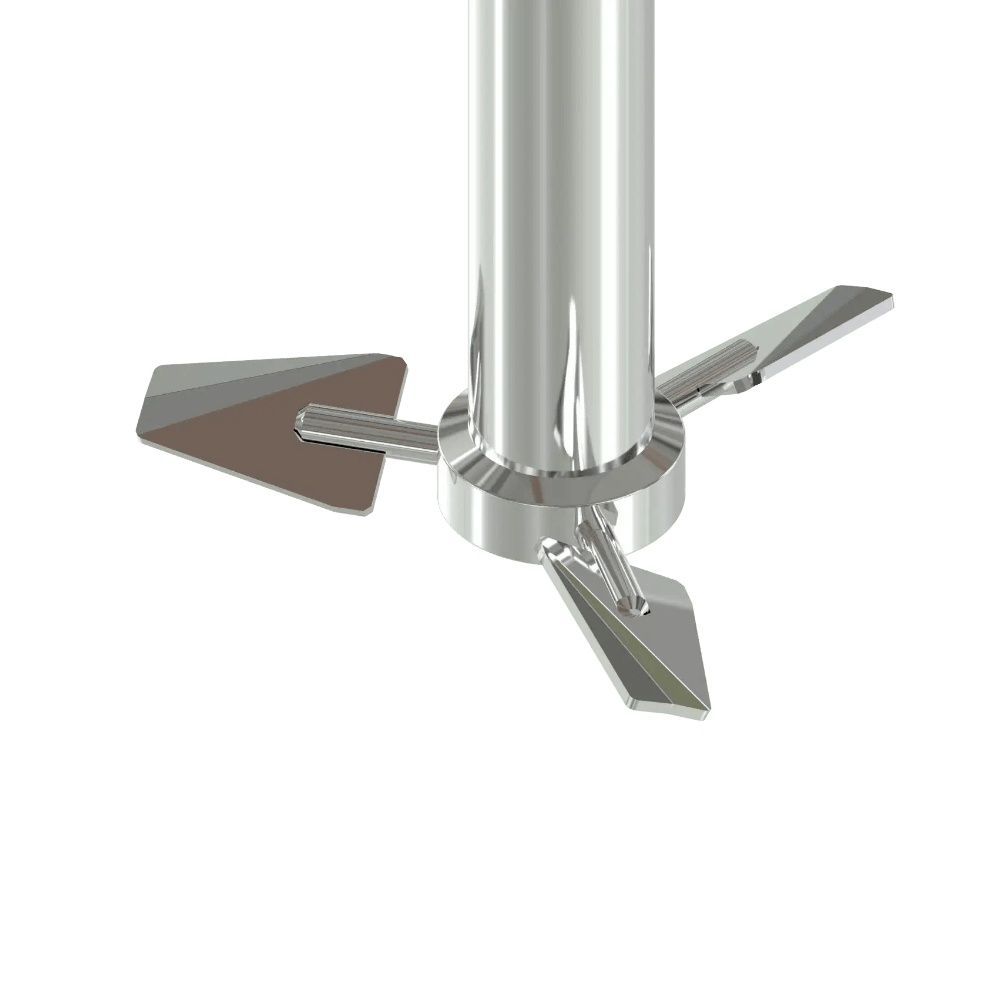
Reinforced Hydrofoil Pin for Demanding Yoghurt Production
The Hydrofoil Pin combines proven hydrofoil performance with reinforced pins for tougher substrates encountered in yoghurt production. Its structural design handles high-viscosity and high-solids zones where standard impellers might struggle, particularly when uniform culture distribution with minimal texture damage becomes critical. It delivers reliable mixing where milk, cultures, and stabilizers are demanding to handle.
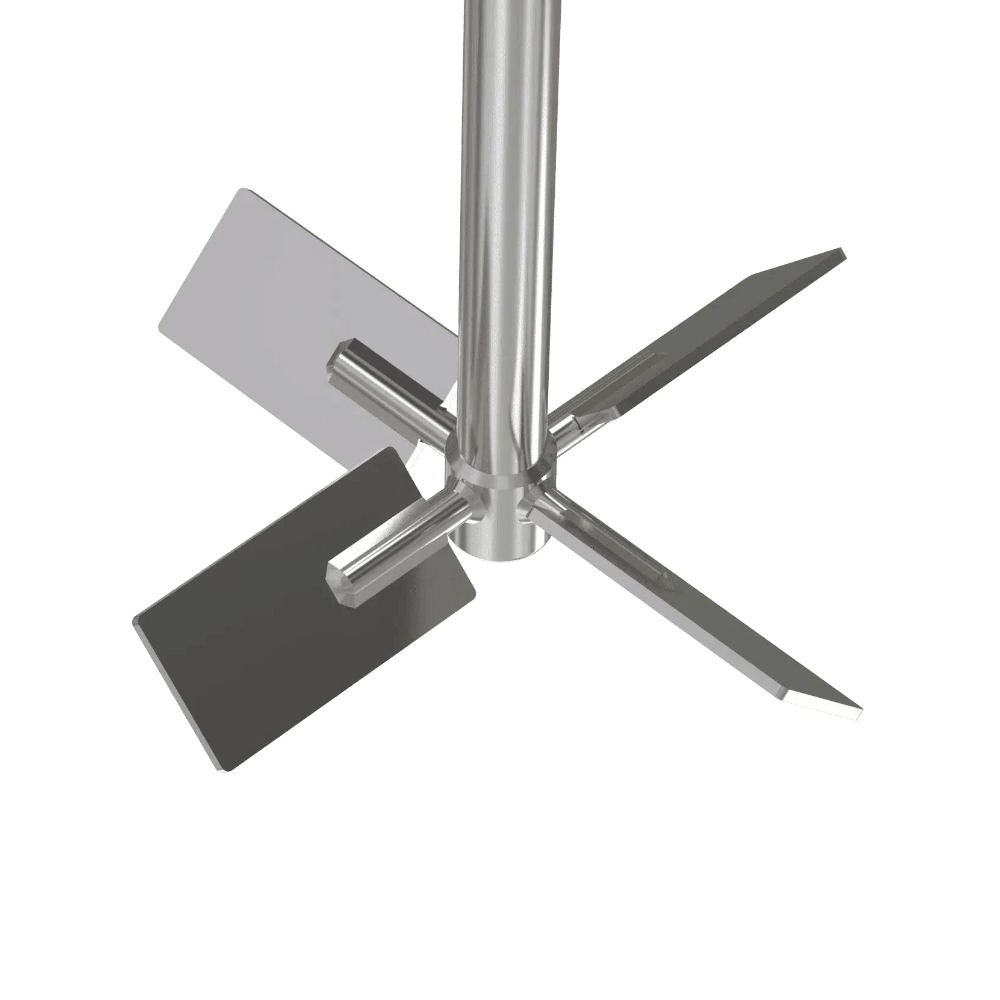
Reliable Axial Flow Turbine for Yoghurt Production
The Axial Flow Turbine is a dependable all-rounder for yoghurt production, ensuring even distribution of heat and additives throughout fermentation tanks. It prevents stagnant zones and keeps milk, cultures, and stabilizers in consistent motion across the vessel. Its cost-effective, robust design makes it a go-to choice for stable, continuous operation in yoghurt production.
Heavy-Duty Welded Turbine for Yoghurt Production
Built for maximum durability in continuous yoghurt production, this welded turbine eliminates bolted connections for superior mechanical integrity. Its smooth profile resists buildup of milk, cultures, and stabilizers and simplifies cleaning and maintenance in fermentation tanks. It is the preferred choice for industrial-scale yoghurt production that demand long service intervals and high reliability.
Axial Flow Turbine Pin for Challenging Yoghurt Production
Adapted for yoghurt production involving fibrous materials or high solids content, this turbine uses reinforced pins to cut through uniform culture distribution with minimal texture damage. It maintains an effective mixing zone even when the composition of milk, cultures, and stabilizers varies from batch to batch. An essential element for facilities handling inconsistent or demanding substrates in yoghurt production.
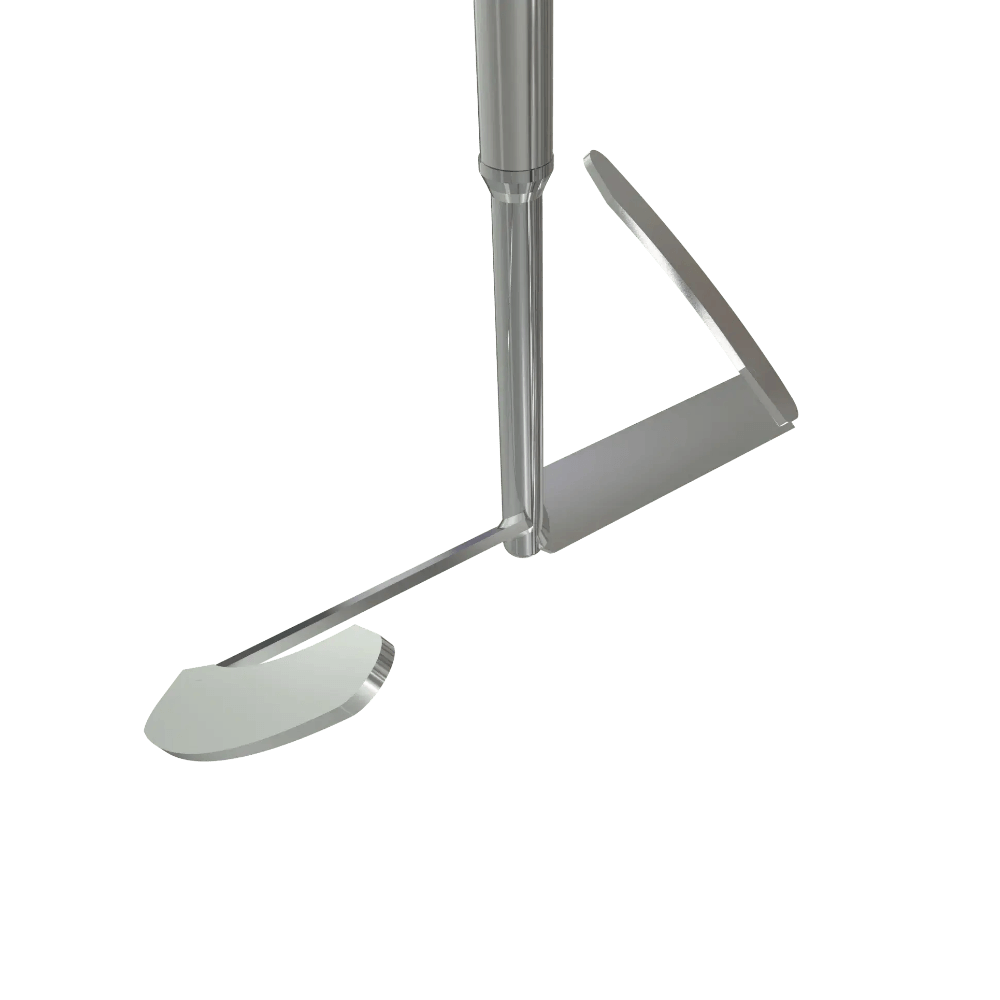
Anchor Mixer for High-Viscosity Yoghurt Production
The Anchor mixer is designed for yoghurt production with high viscosity, where milk, cultures, and stabilizers tend to build up on the tank walls. Its close-clearance blades sweep the walls of fermentation tanks, promoting heat transfer and preventing local hot spots or fouling. The ideal solution wherever intensive wall-to-wall homogenization is required.
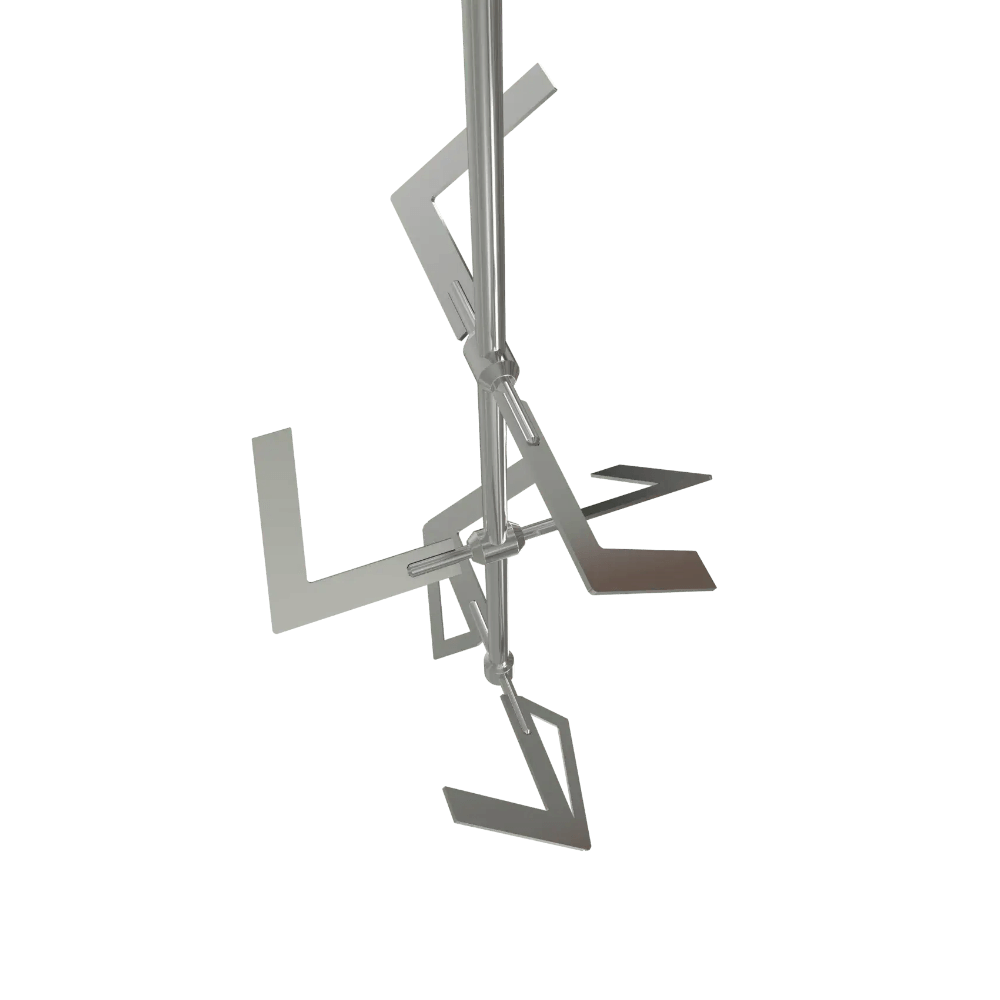
U-Z Turbine for Thorough Yoghurt Production Mixing
The U-Z Turbine combines strong axial flow with a geometry tailored to the demands of yoghurt production. It ensures complete homogenization of milk, cultures, and stabilizers in fermentation tanks while keeping shear forces controlled. A versatile solution for processors who need consistent blending across varying batch sizes and viscosities.
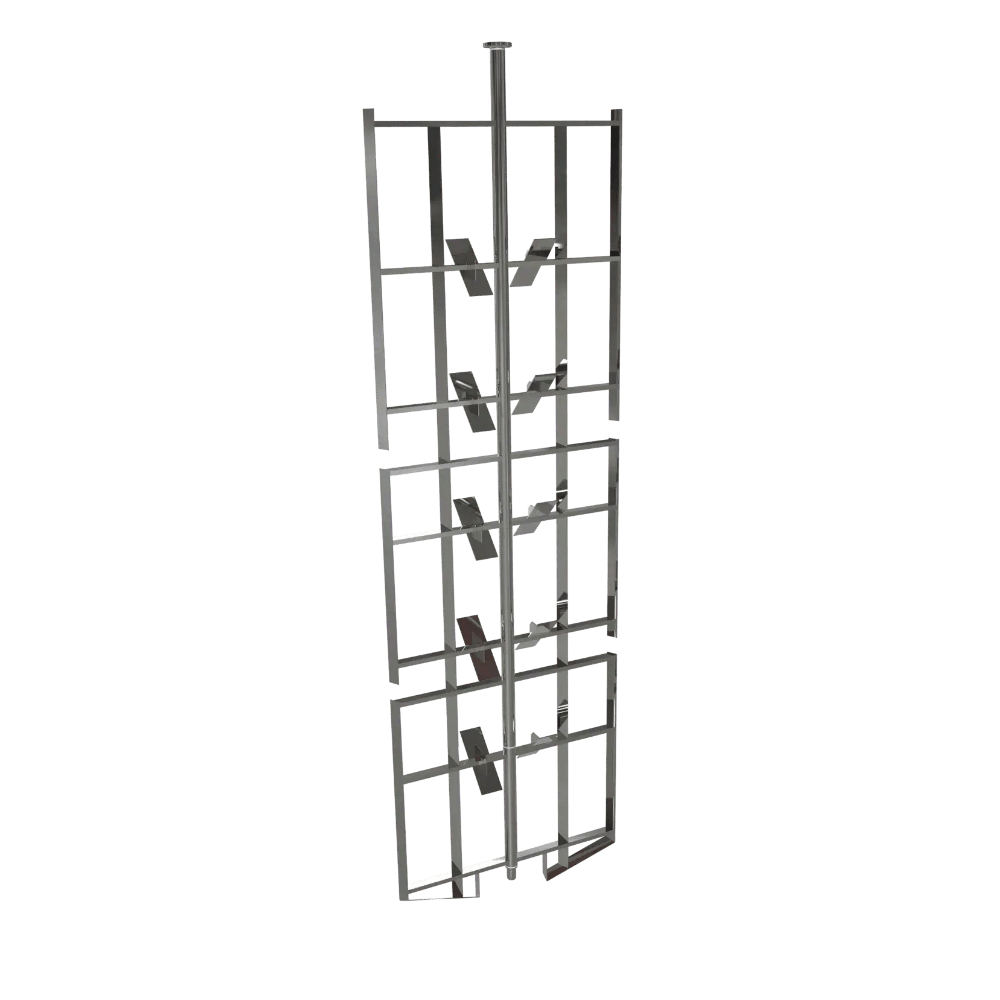
Gate Mixer for Viscous Yoghurt Production
The Gate mixer is purpose-built for slow, thorough agitation of high-viscosity batches in yoghurt production. Its open frame design moves milk, cultures, and stabilizers through fermentation tanks without trapping product or damaging structure. An ideal choice for gentle yet complete mixing where fast impellers would be too aggressive.
Yoghurt market trends
The global yoghurt market was valued at $97,999.5 million in 2020 and is expected to reach $171,826.1 million by 2031, growing at a CAGR of 5.5% from 2022 to 2031.
The global yoghurt market is mainly driven by the health benefits that yogurt brings. Other factors supporting the market growth are the expansion of the retail market in different regions and the lower lactose content for lactose intolerant people who want to eat dairy products.
Some of the key producers spreading awareness and promoting yogurt consumption include Yakult, Danone, Nestlé and Chobani. However, artificial additives and ingredients added to yoghurt and harmful hormonal treatment of milk-producing cows keep people from consuming yogurt.
Frequently Asked Questions
What is yogurt?
Yogurt is an acidic, often sweetened or flavored dairy product made from the fermentation of pasteurized milk. It’s enjoyed in various forms, such as drinks, snacks, and dairy products. Health benefits include promoting digestion, lowering diabetes risks, and improving the immune system.
What are the different types of yogurt?
Common types of yogurt include Greek, Bulgarian, and skimmed yogurt. Greek yogurt is thicker and creamier, while Bulgarian yogurt has a softer taste and is higher in saturated fats. Skimmed yogurt has little fat and comes in various fat percentages like 1.5% or 3% fat options.
What are the health benefits of yogurt?
Yogurt offers numerous health benefits, such as aiding digestion, reducing the risk of type 2 diabetes, protecting against colon cancer, and helping in weight loss. It also improves immune function and may lower high blood pressure, making it a healthy addition to your diet.
What is the current trend in the yogurt market?
The global yogurt market was valued at approximately $98 billion in 2020 and is anticipated to reach around $172 billion by 2031, with a growth rate of 5.5% CAGR. Health benefits and low lactose content drive market growth, while awareness campaigns from leading brands support it.
Who are the key players in the yogurt industry?
Major yogurt producers include Yakult, Danone, Nestlé, and Chobani. These companies promote yogurt consumption through awareness campaigns. However, concerns about artificial additives and hormonal treatments in dairy production can deter some consumers from yogurt consumption.
Food & Beverages Contacts

Sales Director
Tom Pruymboom

Area Sales Manager
Teun van der Spek

Application Engineer
Sijko van der Veen
Dairy - Related Articles
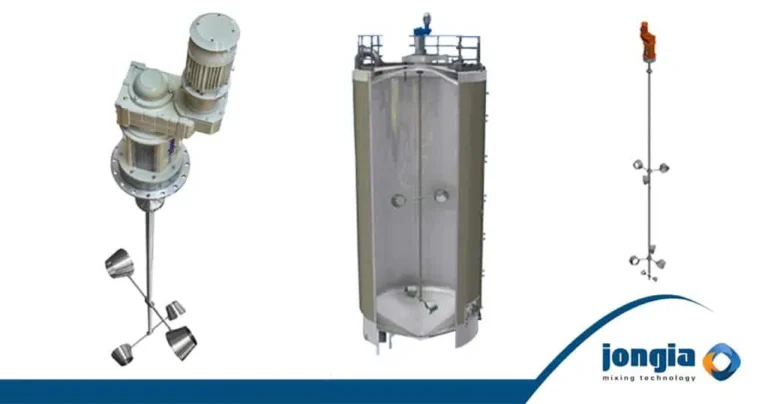
Homogenization and Cooling in Diary Cream Production
Utilizing Jongia’s Cup Mixer Homogenization is a standard procedure employed in dairy cream production to ensure the consistent distribution of
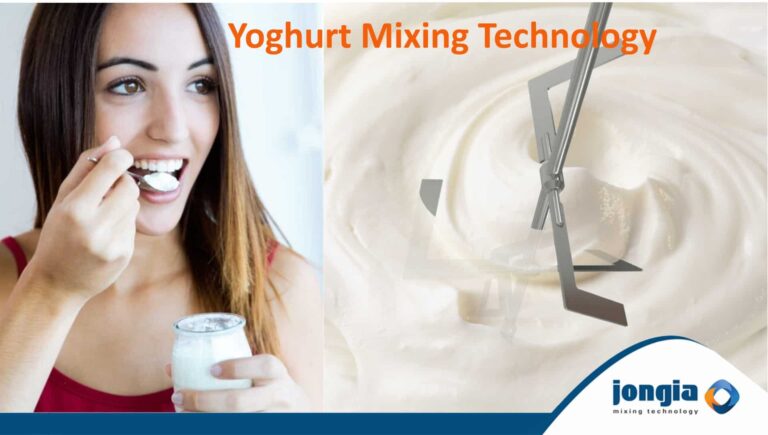
The Jongia UZ-Mixing element: from application to solution
The Jongia U-Z Mixing element, from application to solution Using the UZ-Mixing Element is not the solution for every application.

Foaming and air entrapment common to mixing processes
Jongia Mixing Technology has initiated many mixing processes worldwide with its agitators. In some of these mixing processes, the elimination
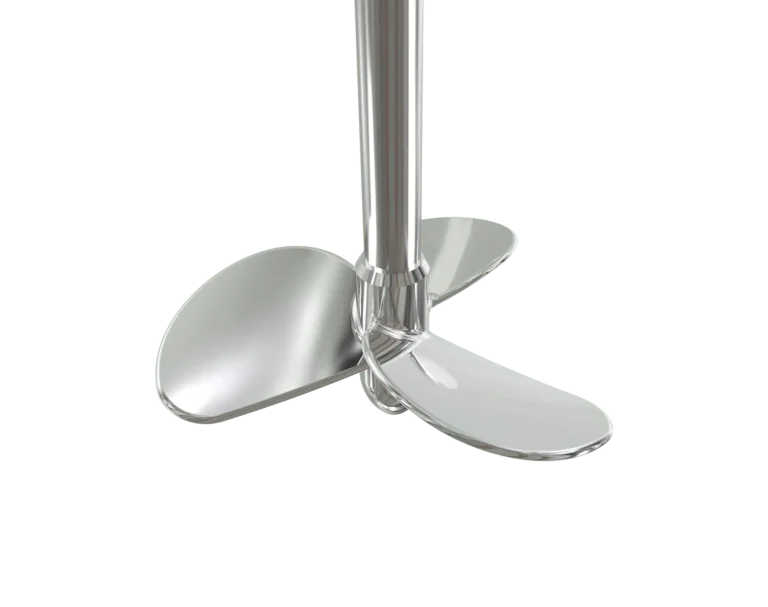
Jongia propellers are a valuable addition to the mixing process
Product friendly propellers are an indispensable part of our customers’ mixing process. Especially in the dairy industry, where slightly viscous