



Cheese
To make cheese, you mainly need curd. Curd is a semi-solid substance formed when milk curdles. Curdling happens naturally if the milk is not used in time: the raw milk sours and forms an acidic curd. This releases whey, an aqueous liquid that contains soluble components. In addition, semi-solid curd or fresh cheese remains. In some areas, cheese is still made “simply” by allowing milk to curdle naturally or by mixing milk with juices or extracts that reduce the milk to curds and whey. One kilogram of cheese requires about 9 liters of milk.
The market development of cheese
The global cheese market was valued at USD 120.63 billion in 2020. The market is expected to grow from USD 123.87 billion in 2021 to USD 161.23 billion by 2028.
The market developments of cheese is witnessing gradual growth due to increasing demand for different types of cheese in various food products. Due to increasing consumption of fast foods such as pizza, pasta and burgers. There has been a growing demand for mozzarella, parmesan cheese and cheddar. The rapidly evolving foodservice industry and new food preparations may fuel the demand for these products in the coming years.
Mixing elements for Cheese Production
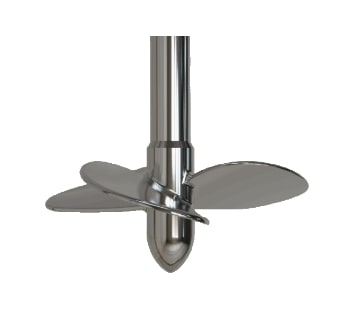
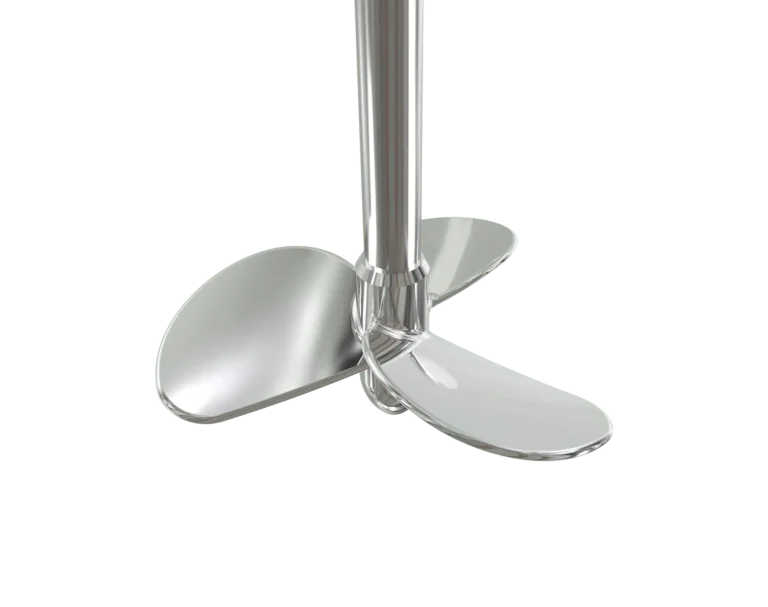
Versatile Propeller Mixer for Cheese Production
The Propeller is a workhorse in cheese production, keeping milk, curd, and cultures in uniform suspension inside cheese vats and curd tanks. Its axial flow prevents settling and ensures consistent distribution of every component throughout the batch. Energy-efficient and reliable, it adapts to the viscosity changes typical of cheese production without loss of performance.
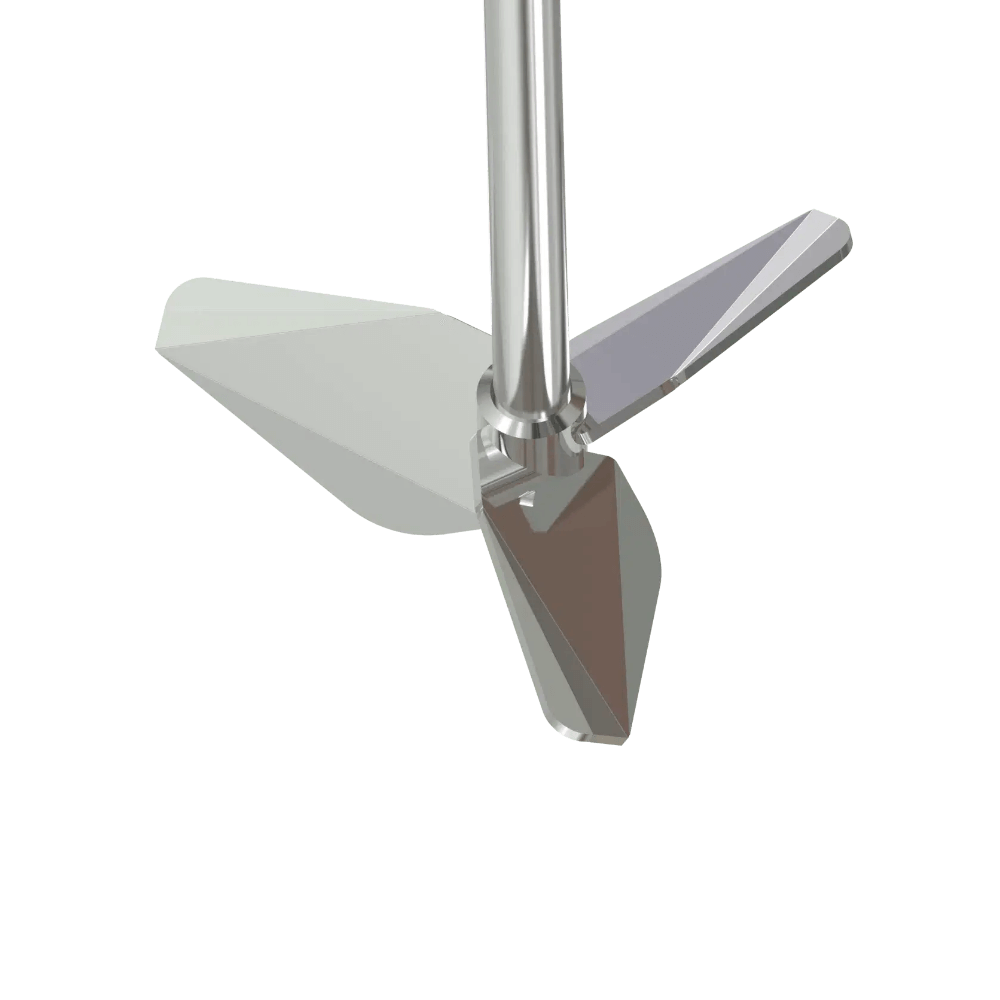
High-Flow Hydrofoil for Cheese Production
The Hydrofoil generates high-volume axial flow, making it a powerful solution for large cheese vats and curd tanks in cheese production. It prevents thermal stratification and keeps milk, curd, and cultures in steady motion with minimal turbulence. The optimized blade profile turns drive power into fluid motion efficiently, supporting consistent homogenization at industrial scale.
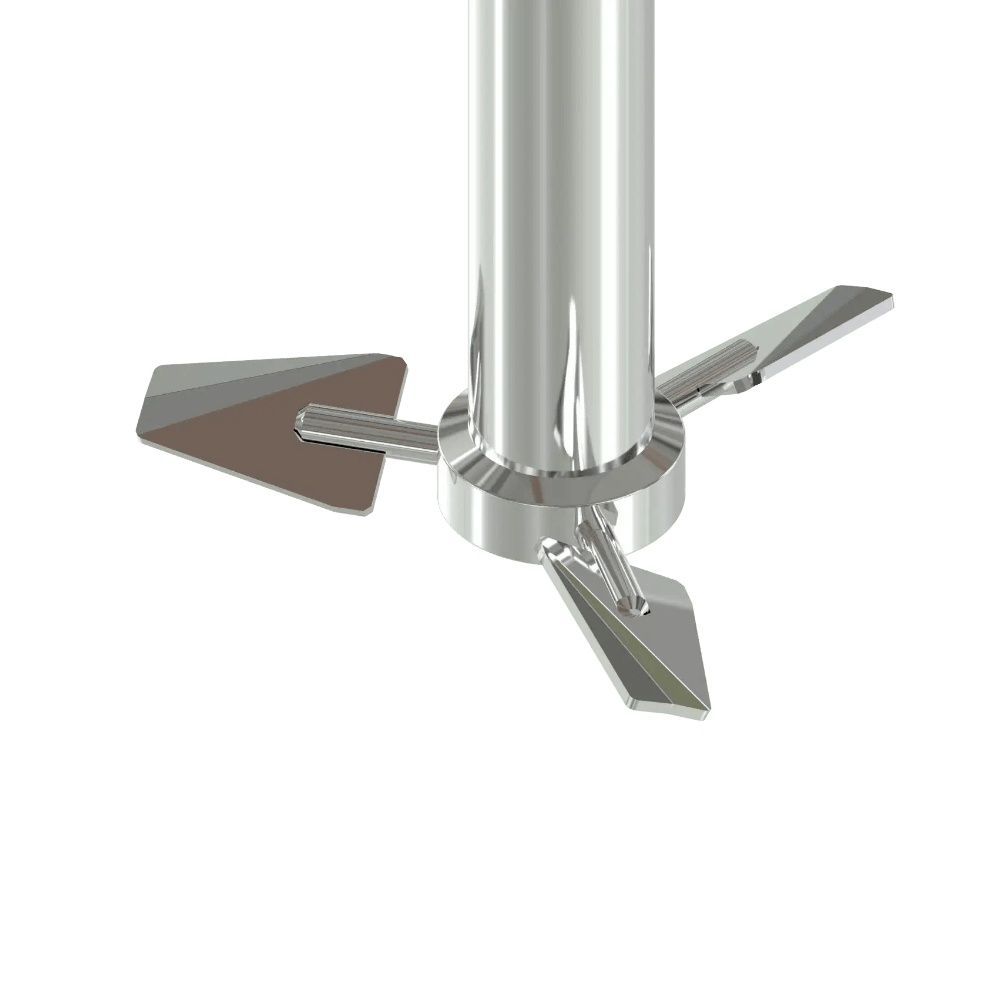
Reinforced Hydrofoil Pin for Demanding Cheese Production
The Hydrofoil Pin combines proven hydrofoil performance with reinforced pins for tougher substrates encountered in cheese production. Its structural design handles high-viscosity and high-solids zones where standard impellers might struggle, particularly when gentle curd handling without breakage becomes critical. It delivers reliable mixing where milk, curd, and cultures are demanding to handle.
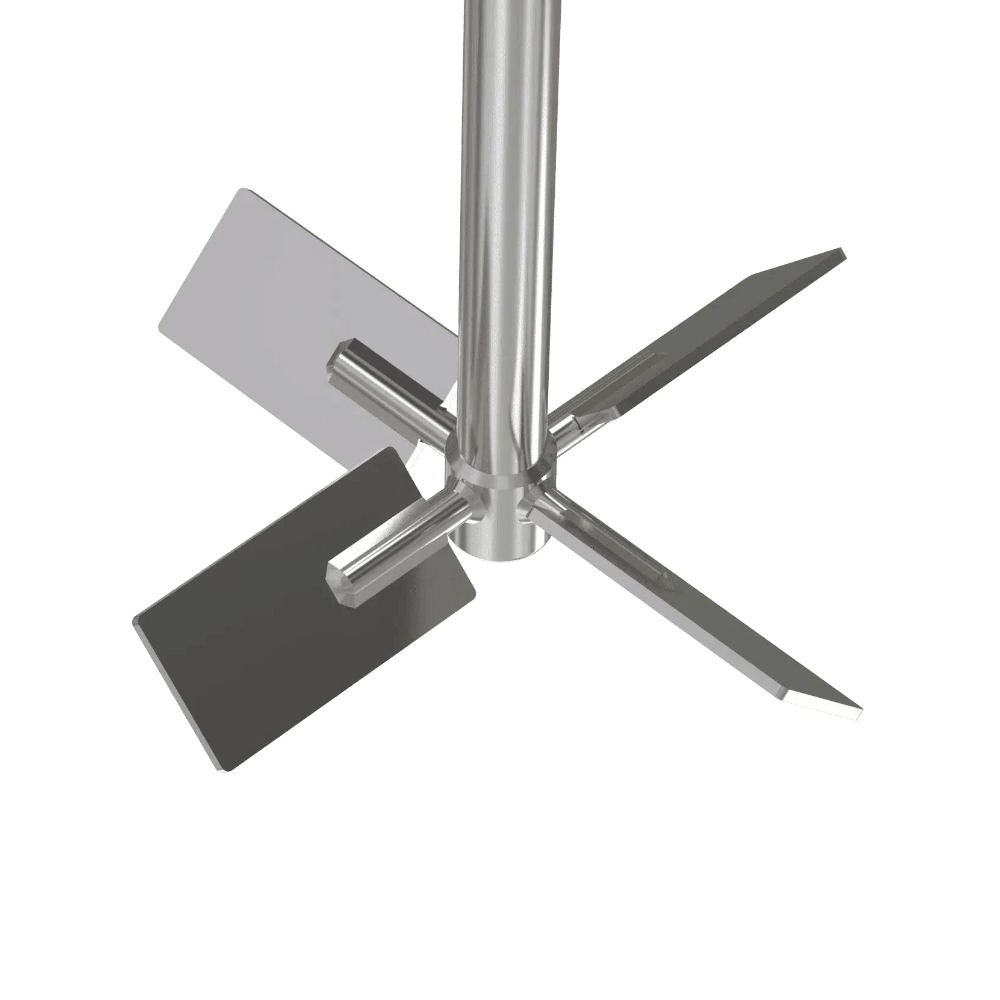
Reliable Axial Flow Turbine for Cheese Production
The Axial Flow Turbine is a dependable all-rounder for cheese production, ensuring even distribution of heat and additives throughout cheese vats and curd tanks. It prevents stagnant zones and keeps milk, curd, and cultures in consistent motion across the vessel. Its cost-effective, robust design makes it a go-to choice for stable, continuous operation in cheese production.
Heavy-Duty Welded Turbine for Cheese Production
Built for maximum durability in continuous cheese production, this welded turbine eliminates bolted connections for superior mechanical integrity. Its smooth profile resists buildup of milk, curd, and cultures and simplifies cleaning and maintenance in cheese vats and curd tanks. It is the preferred choice for industrial-scale cheese production that demand long service intervals and high reliability.
Axial Flow Turbine Pin for Challenging Cheese Production
Adapted for cheese production involving fibrous materials or high solids content, this turbine uses reinforced pins to cut through gentle curd handling without breakage. It maintains an effective mixing zone even when the composition of milk, curd, and cultures varies from batch to batch. An essential element for facilities handling inconsistent or demanding substrates in cheese production.
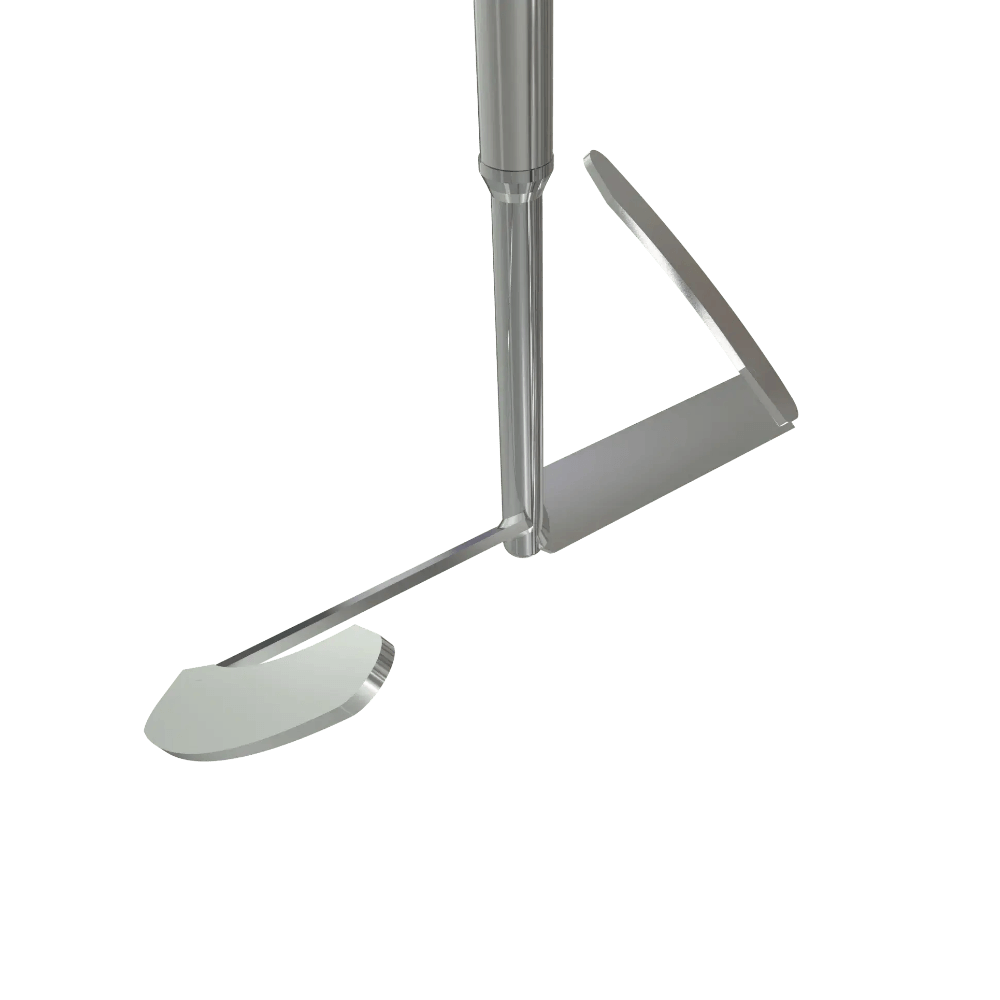
Anchor Mixer for High-Viscosity Cheese Production
The Anchor mixer is designed for cheese production with high viscosity, where milk, curd, and cultures tend to build up on the tank walls. Its close-clearance blades sweep the walls of cheese vats and curd tanks, promoting heat transfer and preventing local hot spots or fouling. The ideal solution wherever intensive wall-to-wall homogenization is required.
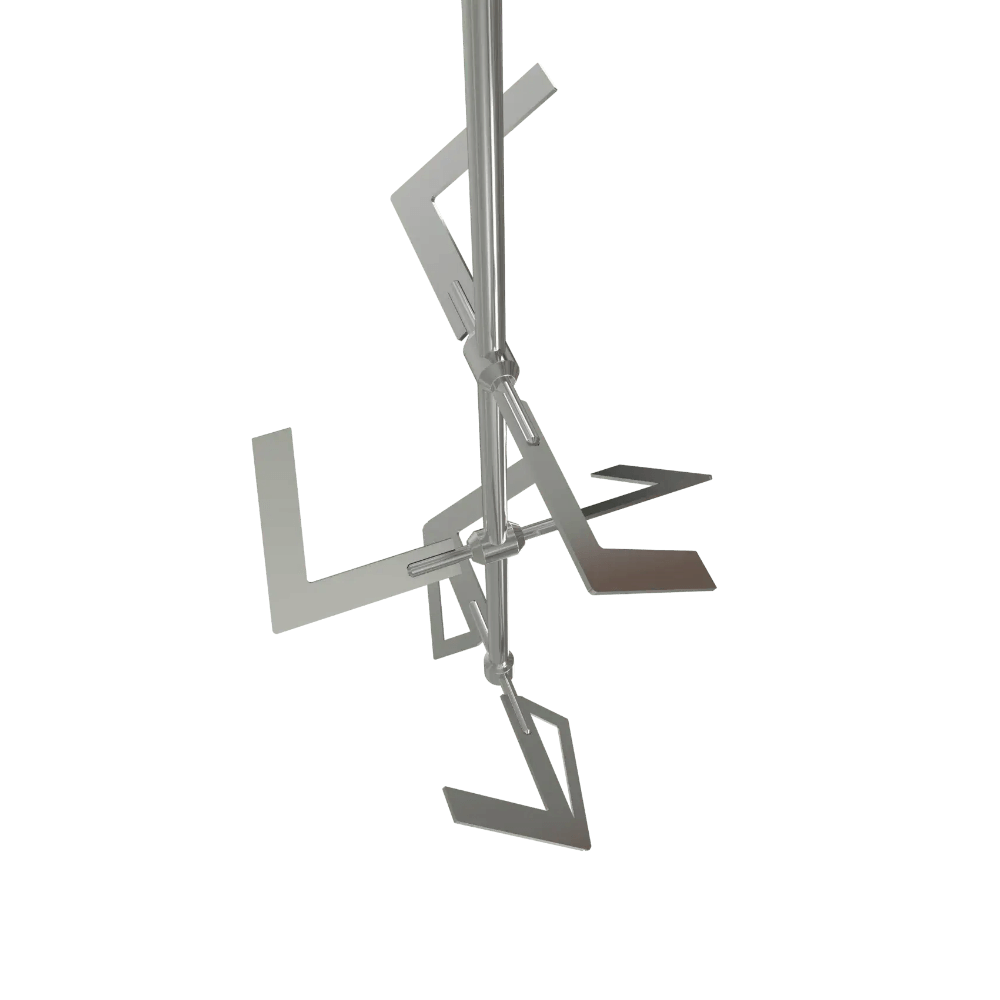
U-Z Turbine for Thorough Cheese Production Mixing
The U-Z Turbine combines strong axial flow with a geometry tailored to the demands of cheese production. It ensures complete homogenization of milk, curd, and cultures in cheese vats and curd tanks while keeping shear forces controlled. A versatile solution for processors who need consistent blending across varying batch sizes and viscosities.
Cheese trends
In recent years, consumer preference for trying new exotic flavors and cuisines has increased significantly. The growing popularity of cheese flavor combinations in various cuisines, such as Italian and Mexican, has accelerated the use of different varieties in these cuisines.
The rapid growth of the foodservice sector has forced leading product processors to develop innovative products, such as powders and creamers, which is a driving factor.
Flavored cheese is one of the emerging categories, meeting modern consumer demand for innovative flavors such as herbs, spices and fruits. This type of cheese is also very popular with young children. The industry is thriving globally with developments and innovations bringing new products to the retail platform.
Frequently Asked Questions
What is the main ingredient needed to make cheese?
The primary ingredient for cheese production is curd, which is a semi-solid substance formed when milk curdles. This occurs naturally when milk becomes sour, leading to the release of whey and the formation of curd.
How much milk is required to make one kilogram of cheese?
To produce one kilogram of cheese, approximately nine liters of milk are needed. This ratio highlights the significant amount of milk necessary for cheese production.
What is the projected growth of the global cheese market?
The global cheese market, valued at USD 123.87 billion in 2021, is projected to grow to approximately USD 161.23 billion by 2028, indicating a robust growth trend.
What type of cheese has seen increased demand due to fast food consumption?
The demand for mozzarella, parmesan, and cheddar cheese has risen due to the growing popularity of fast foods like pizza, pasta, and burgers in various cuisines.
What recent trends are emerging in cheese flavor preferences?
Consumers have shown a strong preference for exotic flavors and innovative combinations, leading to the rise of flavored cheeses with herbs, spices, and even fruits, especially popular among children.
Food & Beverages Contacts

Sales Director
Tom Pruymboom

Area Sales Manager
Teun van der Spek

Application Engineer
Sijko van der Veen
Dairy - Related Articles
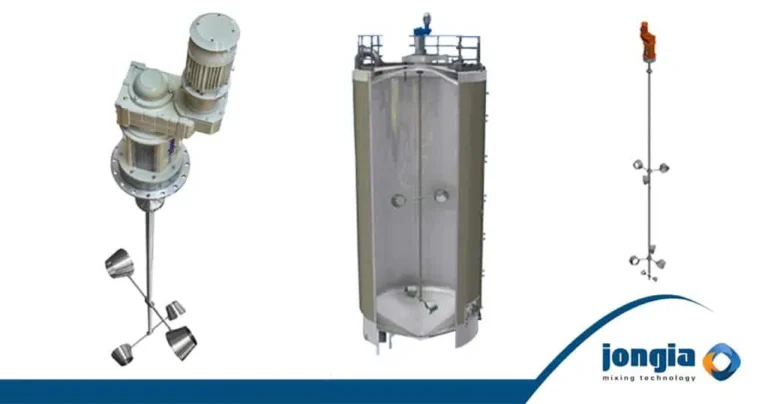
Homogenization and Cooling in Diary Cream Production
Utilizing Jongia’s Cup Mixer Homogenization is a standard procedure employed in dairy cream production to ensure the consistent distribution of
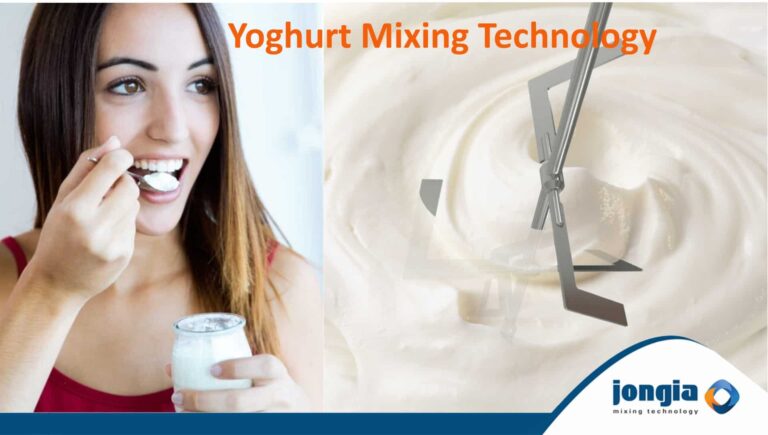
The Jongia UZ-Mixing element: from application to solution
The Jongia U-Z Mixing element, from application to solution Using the UZ-Mixing Element is not the solution for every application.

Foaming and air entrapment common to mixing processes
Jongia Mixing Technology has initiated many mixing processes worldwide with its agitators. In some of these mixing processes, the elimination
Jongia propellers are a valuable addition to the mixing process
Product friendly propellers are an indispensable part of our customers’ mixing process. Especially in the dairy industry, where slightly viscous