


Animal nutrition
The increasing trend of adopting dogs as companions for families is expected to boost the demand for animal nutrition. Especially with dogs, there is an increasing trend in the concept of humanizing pets. This has led to an increase in the number of people owning dogs and feeding them natural animal nutrition.
Animal nutrition market development
The COVID-19 pandemic negatively impacted the supply of animal nutrition. The animal nutrition sector suffered from restrictions in the transportation of raw materials in terms of supply and cash flow. In contrast to the difficult supplies of animal nutrition, the demand for pet food continued to grow. This was also partly because many people started adopting pets, and of course they also need animal nutrition. Many people sat home alone during the lockdown and needed personal contact from a pet.
To meet the pet food demand, many e-commerce stores regarding pet food were set up. With these e-commerce stores the customer was helped quickly, due to good customer service and direct contact this was a godsend for the consumer. Also the large range of food was very popular, from long-life sausages to the pet food luxury segment, everything was available online!
Mixing elements for Animal Nutrition
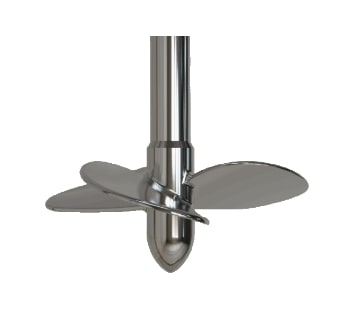
Versatile Propeller Mixer for Animal Nutrition
The Propeller is a workhorse in animal nutrition production, keeping molasses, vitamins, and feed concentrates in uniform suspension inside liquid feed tanks. Its axial flow prevents settling and ensures consistent distribution of every component throughout the batch. Energy-efficient and reliable, it adapts to the viscosity changes typical of animal nutrition without loss of performance.
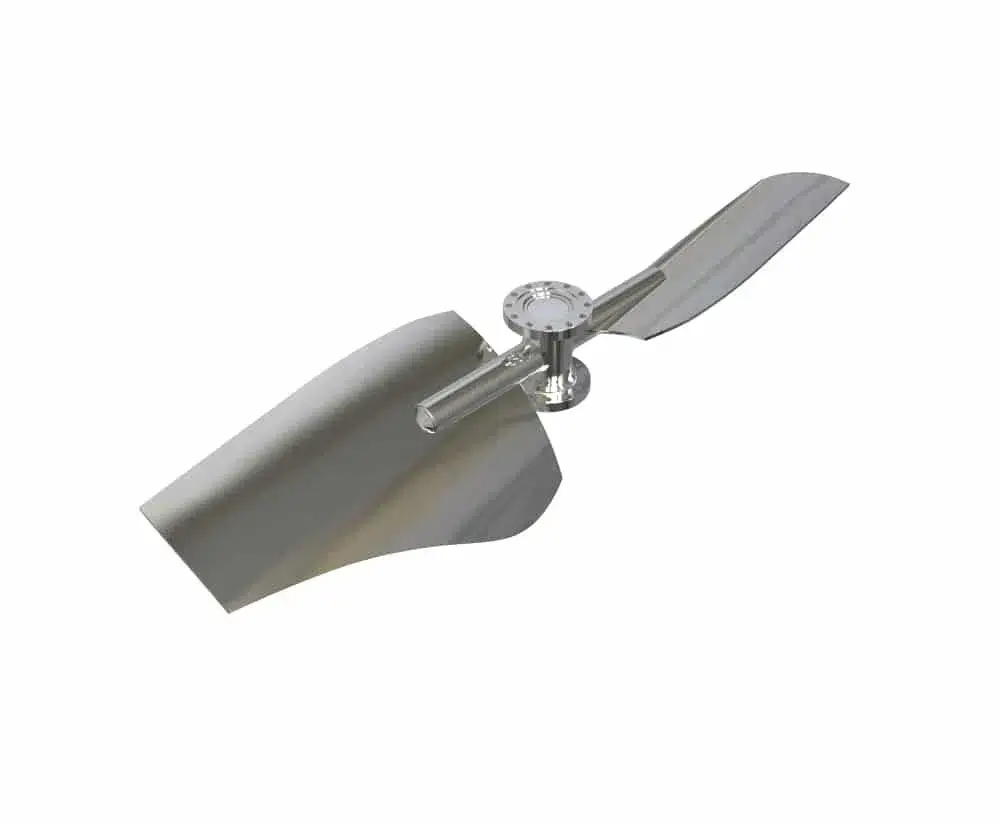
High-Capacity Hydroprop for Animal Nutrition
The Hydroprop delivers outstanding pumping capacity with minimal energy input, making it ideal for large liquid feed tanks in animal nutrition production. It ensures complete tank turnover, eliminates temperature gradients, and keeps molasses, vitamins, and feed concentrates in a stable, homogeneous state. Its streamlined design cuts operating costs while supporting continuous, high-volume animal nutrition.
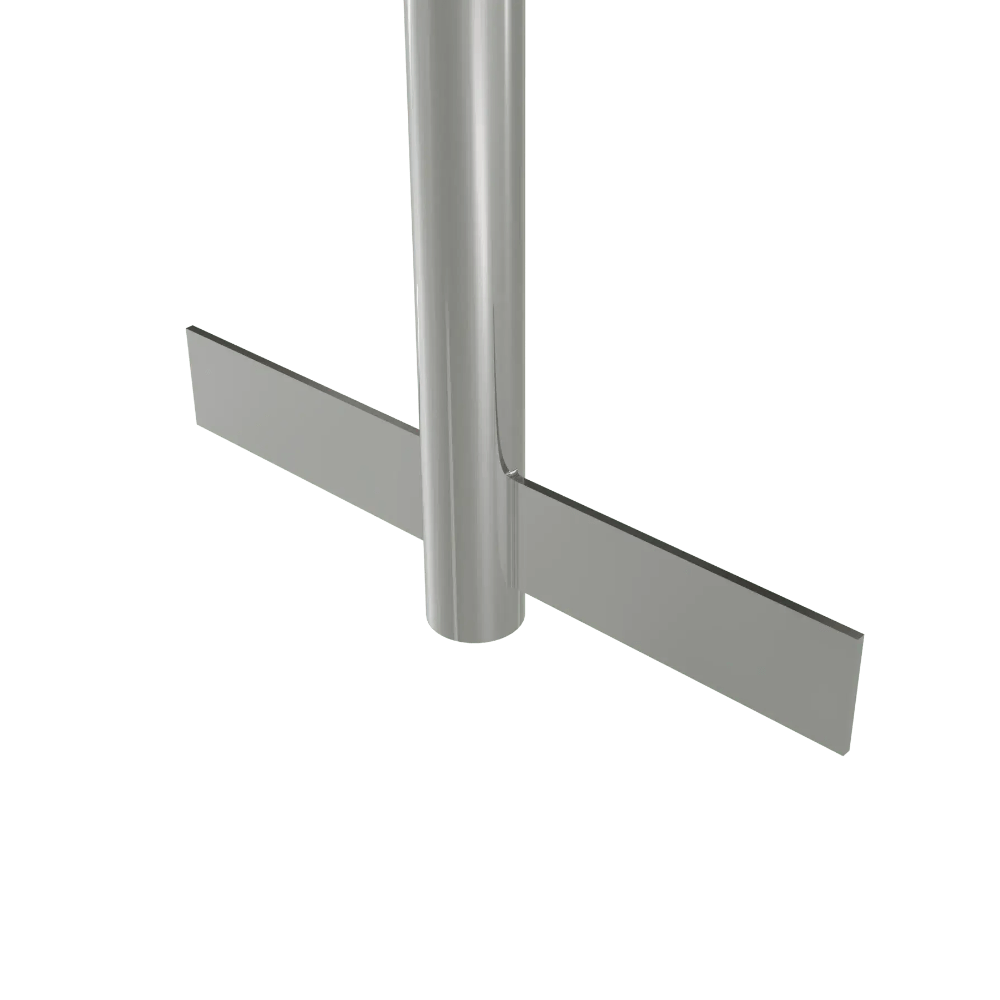
Robust Flatblade Turbine for Animal Nutrition
The Flatblade turbine generates strong radial flow and turbulence, tackling homogeneous nutrient distribution in viscous feed head-on in animal nutrition production. It breaks up agglomerates, disperses additives, and homogenizes molasses, vitamins, and feed concentrates even when viscosity fluctuates. Its rugged construction handles the mechanical demands of industrial animal nutrition with proven reliability.
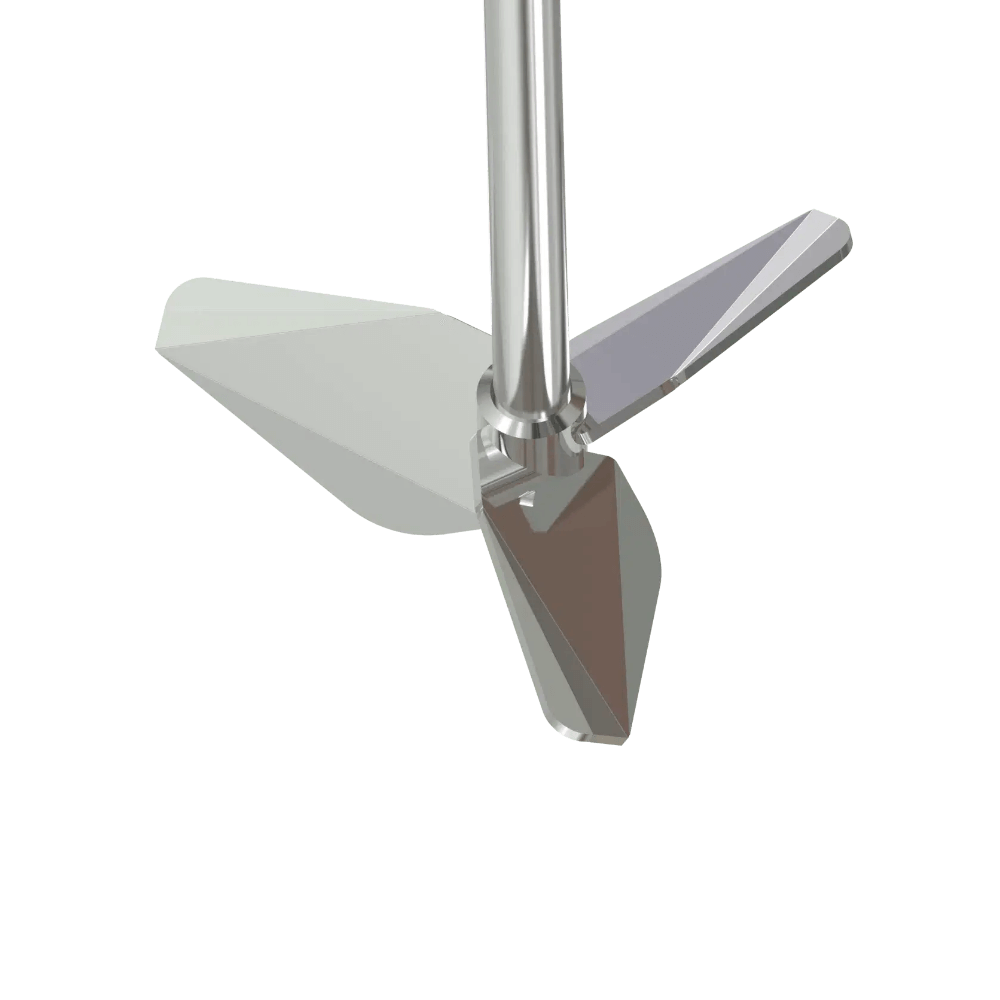
High-Flow Hydrofoil for Animal Nutrition
The Hydrofoil generates high-volume axial flow, making it a powerful solution for large liquid feed tanks in animal nutrition production. It prevents thermal stratification and keeps molasses, vitamins, and feed concentrates in steady motion with minimal turbulence. The optimized blade profile turns drive power into fluid motion efficiently, supporting consistent homogenization at industrial scale.
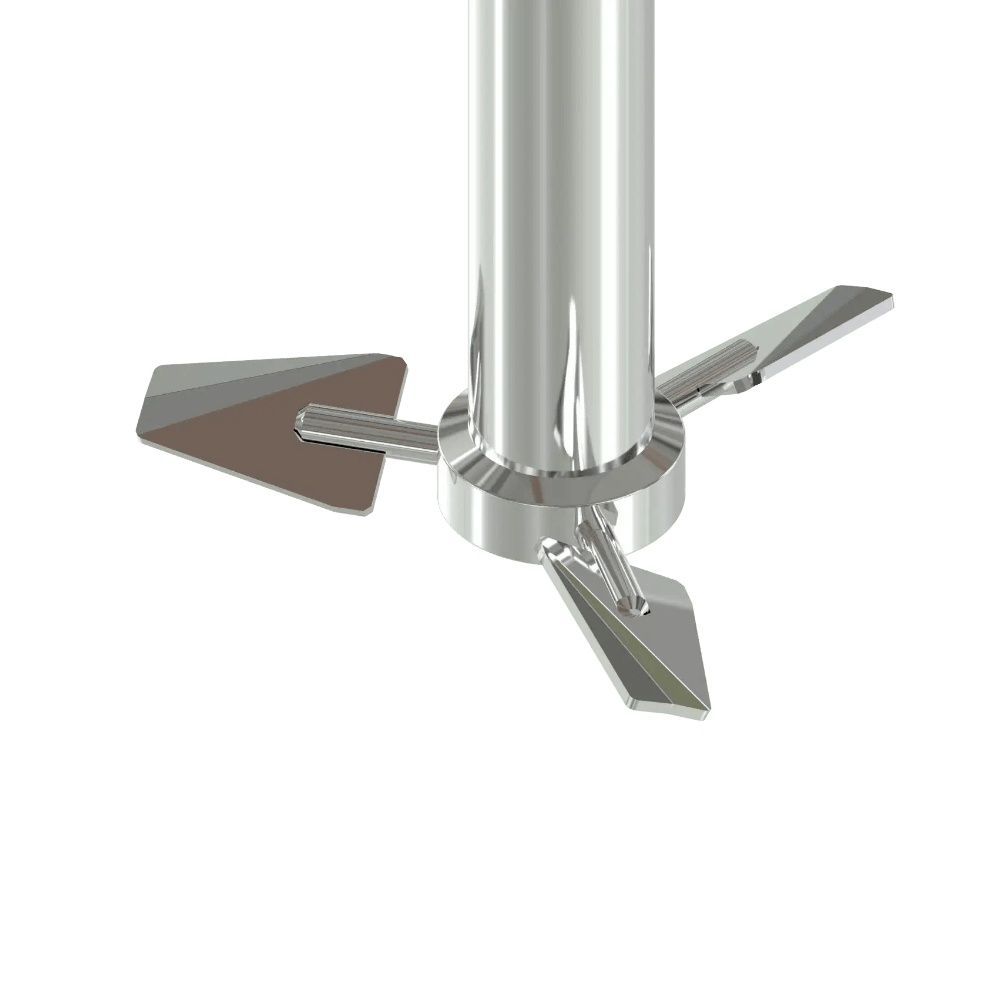
Reinforced Hydrofoil Pin for Demanding Animal Nutrition
The Hydrofoil Pin combines proven hydrofoil performance with reinforced pins for tougher substrates encountered in animal nutrition production. Its structural design handles high-viscosity and high-solids zones where standard impellers might struggle, particularly when homogeneous nutrient distribution in viscous feed becomes critical. It delivers reliable mixing where molasses, vitamins, and feed concentrates are demanding to handle.
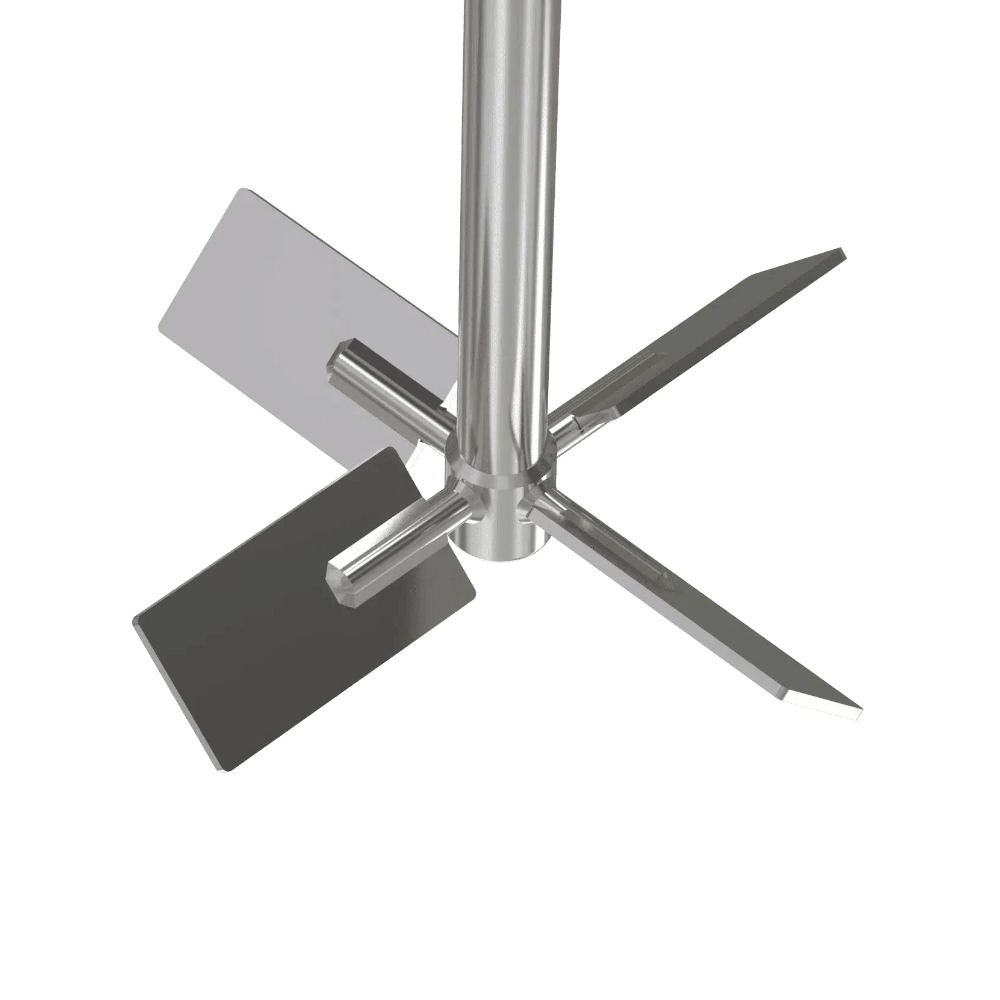
Reliable Axial Flow Turbine for Animal Nutrition
The Axial Flow Turbine is a dependable all-rounder for animal nutrition production, ensuring even distribution of heat and additives throughout liquid feed tanks. It prevents stagnant zones and keeps molasses, vitamins, and feed concentrates in consistent motion across the vessel. Its cost-effective, robust design makes it a go-to choice for stable, continuous operation in animal nutrition.
Heavy-Duty Welded Turbine for Animal Nutrition
Built for maximum durability in continuous animal nutrition production, this welded turbine eliminates bolted connections for superior mechanical integrity. Its smooth profile resists buildup of molasses, vitamins, and feed concentrates and simplifies cleaning and maintenance in liquid feed tanks. It is the preferred choice for industrial-scale animal nutrition that demand long service intervals and high reliability.
Axial Flow Turbine Pin for Challenging Animal Nutrition
Adapted for animal nutrition production involving fibrous materials or high solids content, this turbine uses reinforced pins to cut through homogeneous nutrient distribution in viscous feed. It maintains an effective mixing zone even when the composition of molasses, vitamins, and feed concentrates varies from batch to batch. An essential element for facilities handling inconsistent or demanding substrates in animal nutrition.
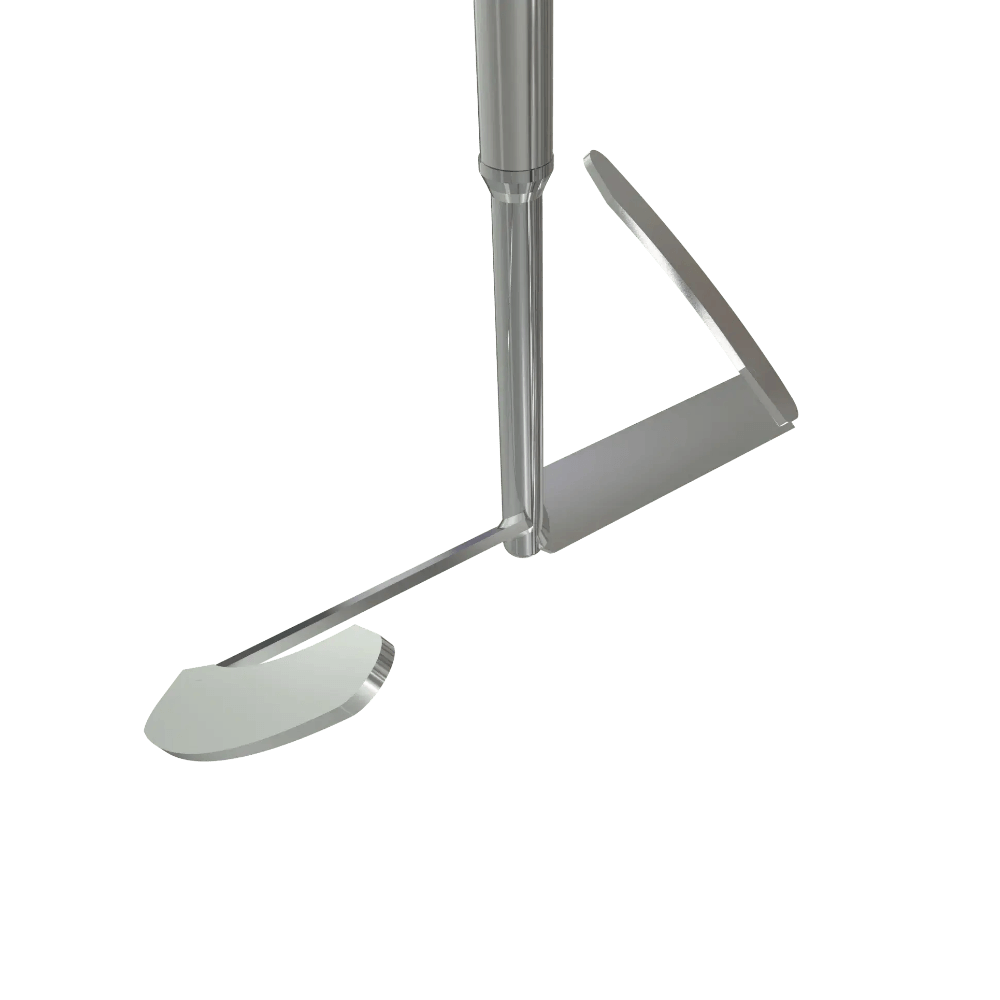
Anchor Mixer for High-Viscosity Animal Nutrition
The Anchor mixer is designed for animal nutrition production with high viscosity, where molasses, vitamins, and feed concentrates tend to build up on the tank walls. Its close-clearance blades sweep the walls of liquid feed tanks, promoting heat transfer and preventing local hot spots or fouling. The ideal solution wherever intensive wall-to-wall homogenization is required.
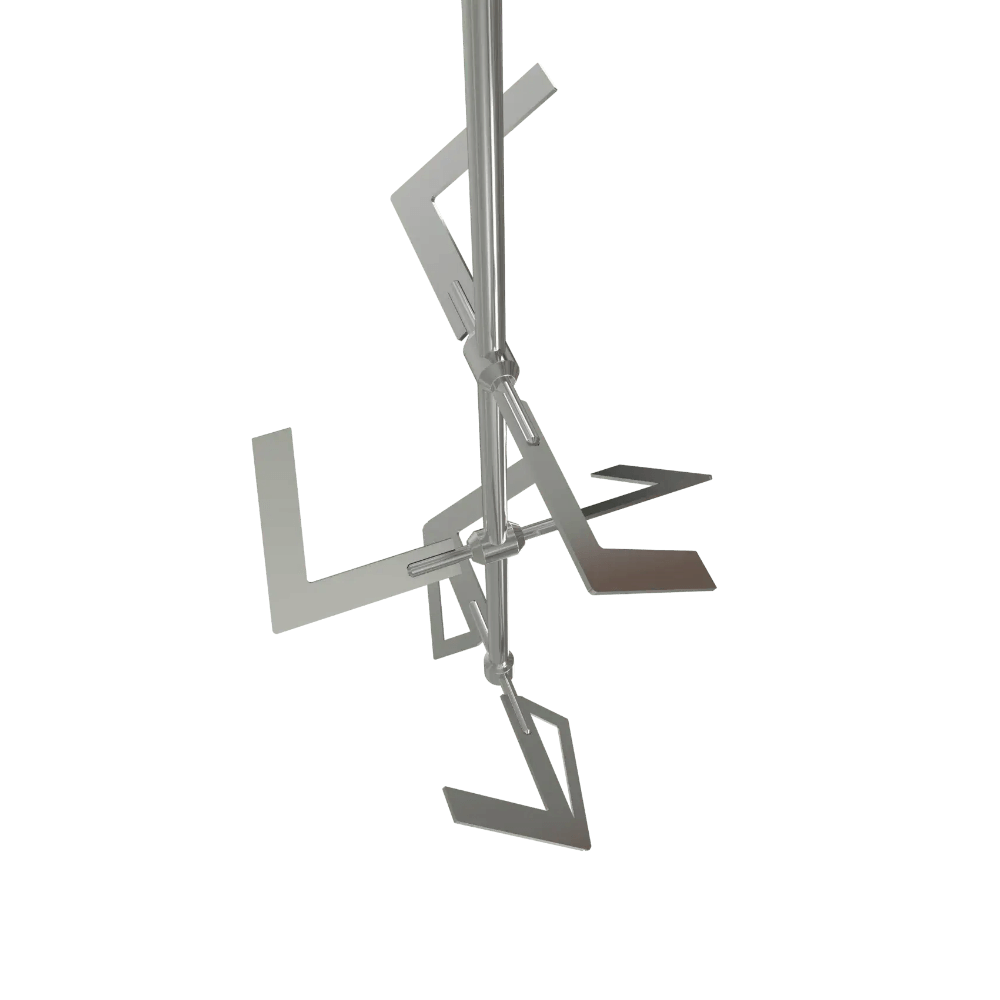
U-Z Turbine for Thorough Animal Nutrition Mixing
The U-Z Turbine combines strong axial flow with a geometry tailored to the demands of animal nutrition production. It ensures complete homogenization of molasses, vitamins, and feed concentrates in liquid feed tanks while keeping shear forces controlled. A versatile solution for processors who need consistent blending across varying batch sizes and viscosities.
Organic animal nutrition
The expectation of the convenience benefits of organic and natural pet food is expected to increase in demand. These foods are often slightly more expensive but consumers are willing to pay more for it when it is in the interest of animal health. Meanwhile, organic and natural pet foods are already widely used.
Canned food is more palatable for dogs and cats because this product type contains protein, fats and some carbohydrates. Wet food/canned food is easily digestible and minimizes backyard cleanup. The higher digestibility of wet food makes it more suitable for sick cats and dogs and picky eaters.
Frequently Asked Questions
What is the current trend in animal nutrition?
The increasing trend in adopting dogs as family companions is expected to boost demand for animal nutrition. More people are humanizing their pets, resulting in a growing number of dog owners feeding their pets natural animal nutrition.
How has the COVID-19 pandemic affected animal nutrition?
The pandemic negatively impacted the supply of animal nutrition due to transportation restrictions. Despite difficulties, the demand for pet food increased as more people adopted pets during lockdowns, leading to a greater need for animal nutrition.
What role do e-commerce stores play in the animal nutrition market?
E-commerce stores that specialize in pet food have emerged to meet growing demand. They provide quick customer service and direct contact, making it easier for consumers to access a wide range of pet food options online.
What are the benefits of organic animal nutrition?
Consumers are increasingly interested in organic and natural pet food due to perceived health benefits. Though slightly more expensive, these foods are widely used and valued for their positive impact on animal health.
What makes canned food suitable for pets?
Canned food is palatable for dogs and cats as it contains protein, fats, and carbohydrates. It’s easily digestible and preferred for sick pets or picky eaters, minimizing backyard cleanup due to its higher digestibility.
Food & Beverages Contacts

Sales Director
Tom Pruymboom

Area Sales Manager
Teun van der Spek

Application Engineer
Sijko van der Veen
Food & Beverages - Related Articles
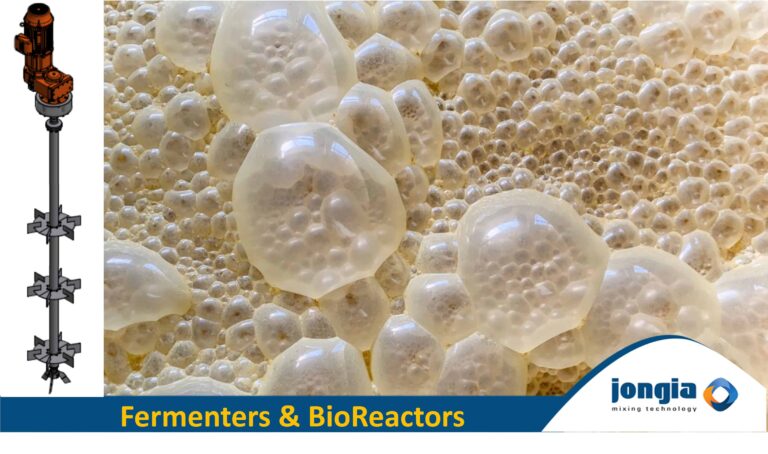
Fermentation & Bioreactor Mixing Process
Bioreactors and Fermenters are culture systems to produce cells or organisms. They are used in various applications, including basic research and development, and the manufacturing of biopharmaceuticals, food and food additives, chemicals, and other products. A broad range of cell types and organisms can be cultivated in bioreactors and Fermenters, including cells (like mammalian cell lines, insect cells, and stem cells), microorganisms (like bacteria, yeasts, and fungi), as well as plant cells and algae. The words “Bioreactor” and “Fermenter” are basically the same thing.
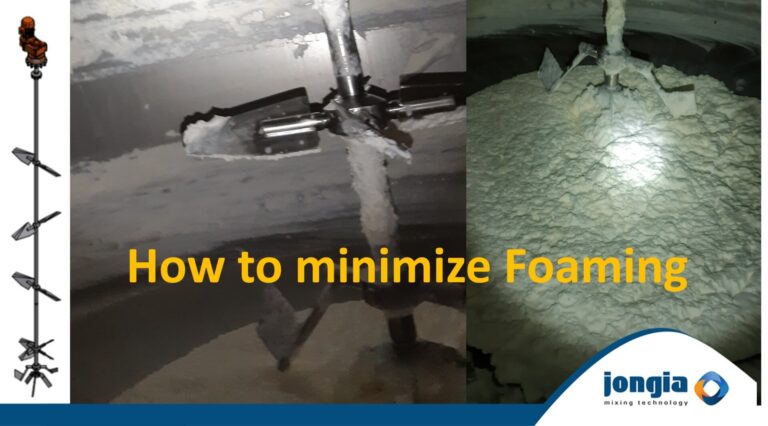
How to avoid foaming in your mixing process?
Through years of experience, Jongia Mixing Technology knows the correct application to many mixing processes. So too with mixing processes
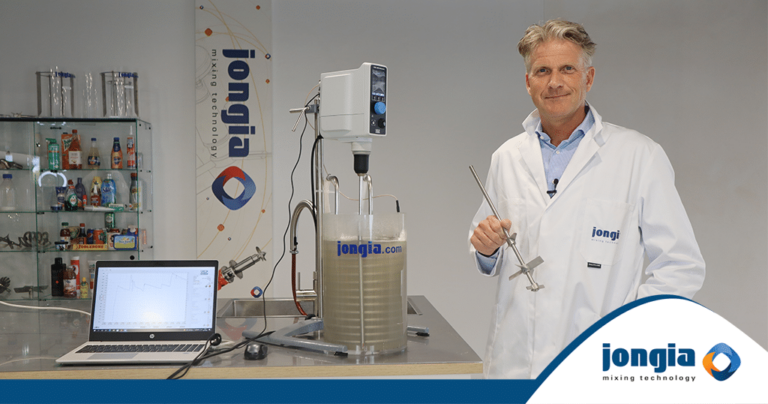
Tutorial: starch gelatinization – from raw starch to glucose syrup
Around the world, Jongia Mixing Technology has initiated numerous mixing processes using its agitators to produce modifications from raw starch
Starch gelatinization: corn starch as base for marshmallows
Jongia Mixing Technology is active within various fields with a great number of process solutions. One of these fields is