


Chocolate
Chocolate is a food made from the fruit of the cacao tree (Theobroma cacao). Raw, unprocessed chocolate has a bitter taste. But when you have chocolate that has been fermented, dried and roasted you soon get the beloved right taste that chocolate is known for.
Chocolate consumption
The use of sustainable cocoa has become hugely important, one of the Dutch instigators of this is the company Tony’s Chocolonely. Tony’s Chocolonely is committed to the sustainability of chocolate production. For example, they ensure that there is fair trade between the farmer and the producers of chocolate. This means that there is a good price for the cocoa the farmer sells. They also ensure that the impact on the environment is reduced and that, among other things, the Tropical Rainforests are no longer taxed for chocolate production.
According to trulyexperiences.com, 67% of consumers who buy chocolate want to know exactly where the chocolate comes from and whether farmers and the environment do not suffer at the expense of obtaining cocoa. Companies such as Tony’s Chocolonely have had a very positive impact on this.
Chocolate market trends
The production of cocoa takes place mainly in the tropical zones around the equator. Here the climate is very suitable for growing cocoa trees. About 70 percent of the world’s cocoa beans come from four West African countries: Ivory Coast, Ghana, Nigeria and Cameroon. Ivory Coast and Ghana are by far the two largest producers of cocoa. Together, they account for more than 50 percent of the world’s cocoa. In 2019, Ivory Coast alone produced about 2.1 million tons of cocoa beans. The country is expected to produce a similar amount of cocoa beans in the 2021/2022 crop year. By the way, the production of chocolate is often not done in the countries where cocoa beans are harvested; the vast majority is exported abroad.
The four main countries responsible for producing chocolate in the world are: Germany, Belgium, Italy and Poland. These four countries know how to produce cocoa mass into basically any kind of chocolate. They turn a thick paste derived from cocoa into basically anything chocolate related. Like the traditional flavors of milk, dark and white chocolate. But additionally liquid chocolate and drinkable chocolate. As a result, the aforementioned European countries together also account for more than 40% of the world’s total chocolate exports.
Mixing elements for Chocolate Production
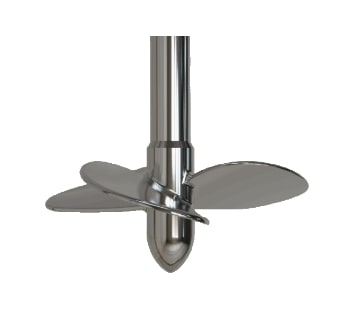
Versatile Propeller Mixer for Chocolate Production
The Propeller is a workhorse in chocolate production, keeping cocoa mass, cocoa butter, and sugar in uniform suspension inside conches and storage tanks. Its axial flow prevents settling and ensures consistent distribution of every component throughout the batch. Energy-efficient and reliable, it adapts to the viscosity changes typical of chocolate production without loss of performance.
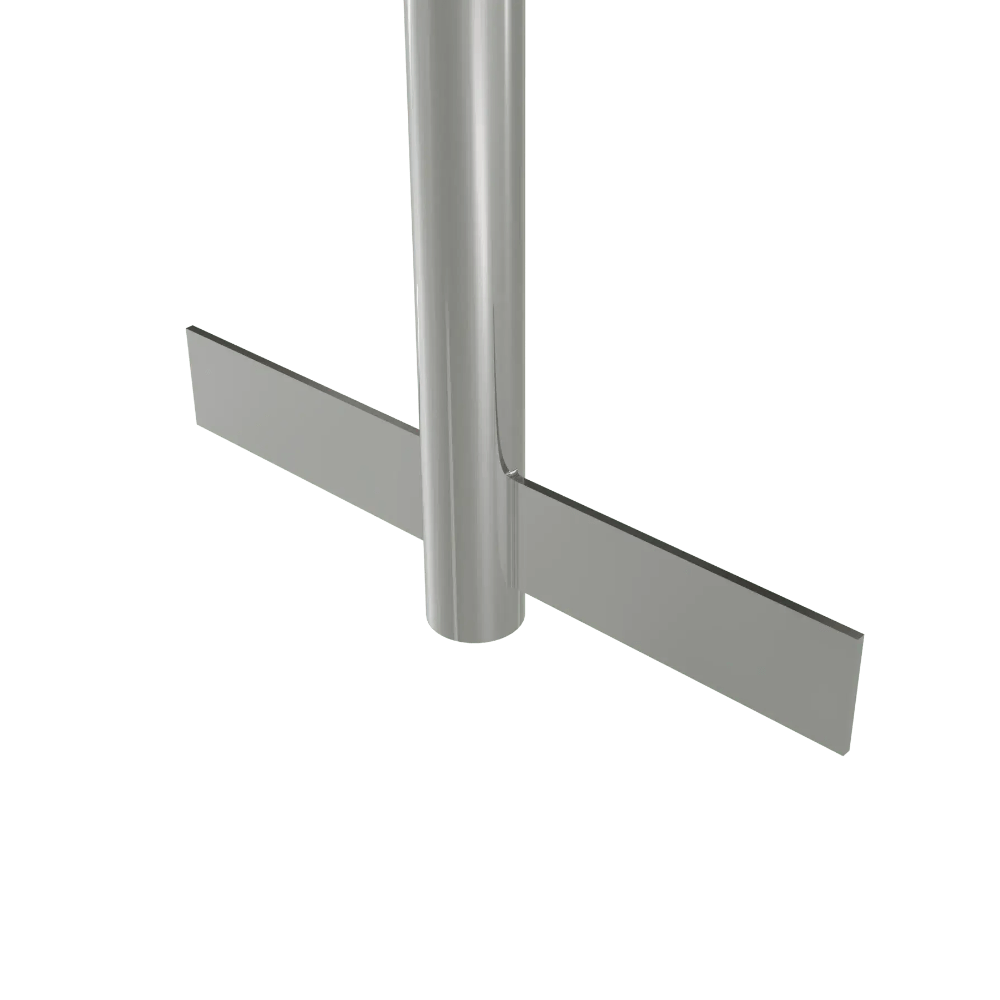
Robust Flatblade Turbine for Chocolate Production
The Flatblade turbine generates strong radial flow and turbulence, tackling high viscosity and temperature-sensitive tempering head-on in chocolate production. It breaks up agglomerates, disperses additives, and homogenizes cocoa mass, cocoa butter, and sugar even when viscosity fluctuates. Its rugged construction handles the mechanical demands of industrial chocolate production with proven reliability.
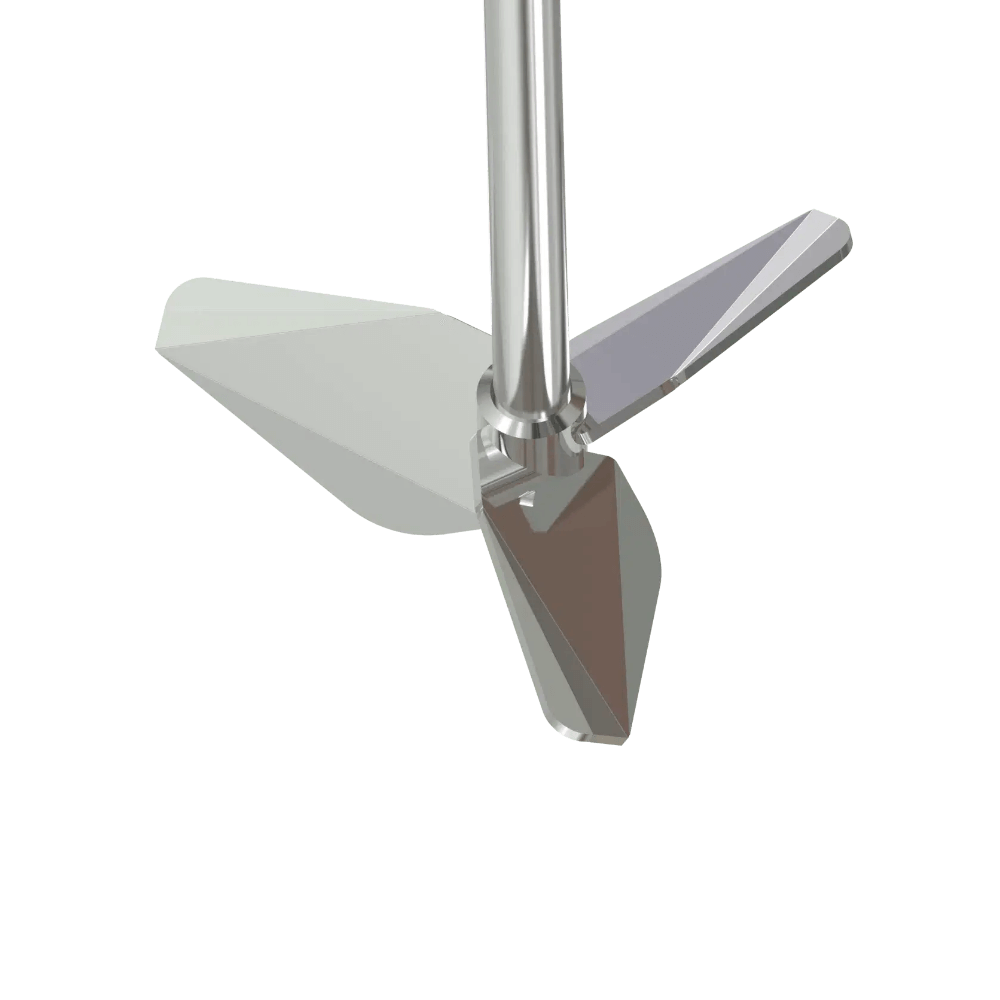
High-Flow Hydrofoil for Chocolate Production
The Hydrofoil generates high-volume axial flow, making it a powerful solution for large conches and storage tanks in chocolate production. It prevents thermal stratification and keeps cocoa mass, cocoa butter, and sugar in steady motion with minimal turbulence. The optimized blade profile turns drive power into fluid motion efficiently, supporting consistent homogenization at industrial scale.
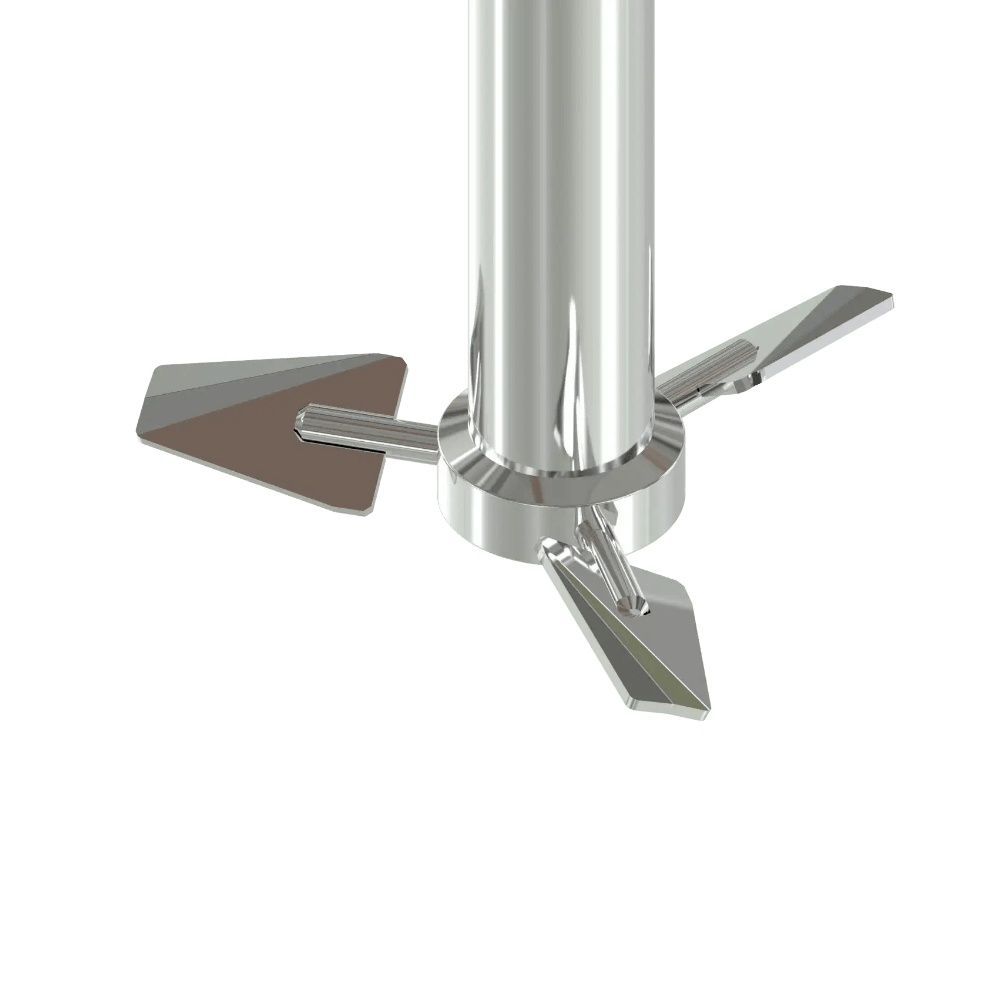
Reinforced Hydrofoil Pin for Demanding Chocolate Production
The Hydrofoil Pin combines proven hydrofoil performance with reinforced pins for tougher substrates encountered in chocolate production. Its structural design handles high-viscosity and high-solids zones where standard impellers might struggle, particularly when high viscosity and temperature-sensitive tempering becomes critical. It delivers reliable mixing where cocoa mass, cocoa butter, and sugar are demanding to handle.
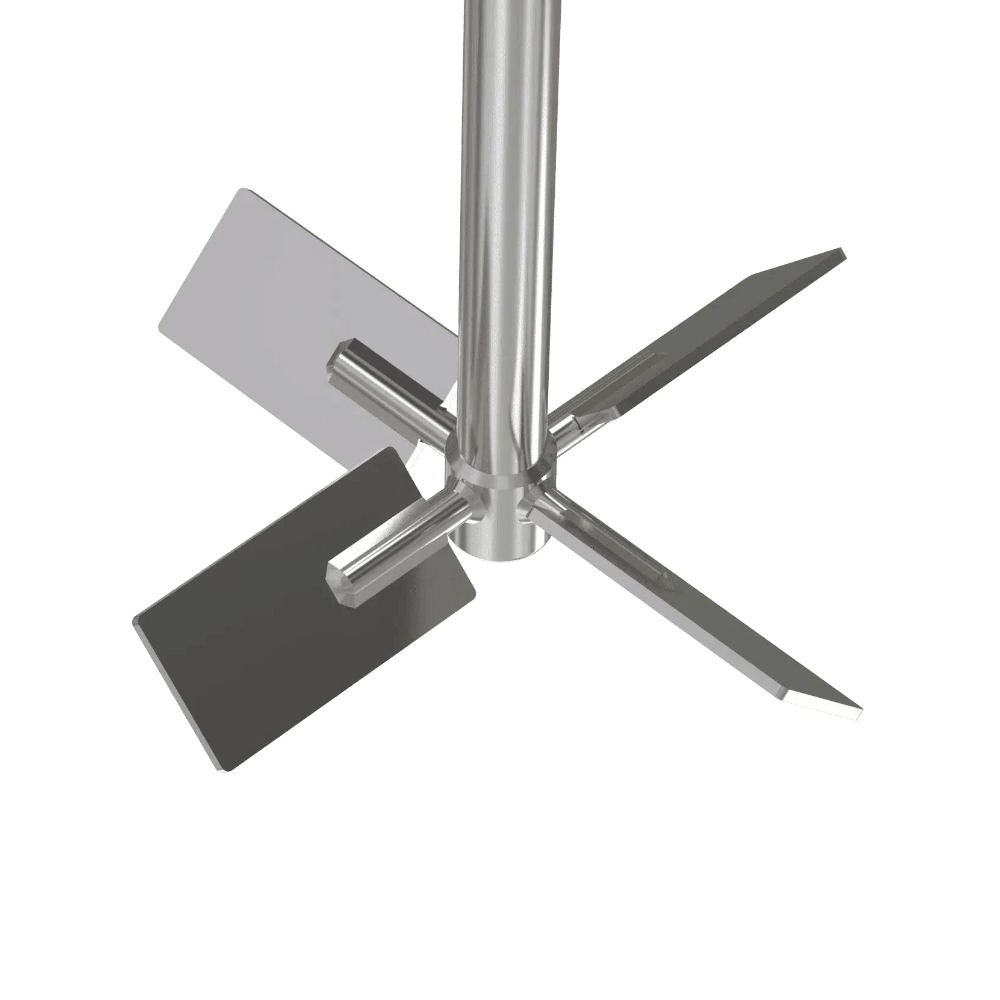
Reliable Axial Flow Turbine for Chocolate Production
The Axial Flow Turbine is a dependable all-rounder for chocolate production, ensuring even distribution of heat and additives throughout conches and storage tanks. It prevents stagnant zones and keeps cocoa mass, cocoa butter, and sugar in consistent motion across the vessel. Its cost-effective, robust design makes it a go-to choice for stable, continuous operation in chocolate production.
Heavy-Duty Welded Turbine for Chocolate Production
Built for maximum durability in continuous chocolate production, this welded turbine eliminates bolted connections for superior mechanical integrity. Its smooth profile resists buildup of cocoa mass, cocoa butter, and sugar and simplifies cleaning and maintenance in conches and storage tanks. It is the preferred choice for industrial-scale chocolate production that demand long service intervals and high reliability.
Axial Flow Turbine Pin for Challenging Chocolate Production
Adapted for chocolate production involving fibrous materials or high solids content, this turbine uses reinforced pins to cut through high viscosity and temperature-sensitive tempering. It maintains an effective mixing zone even when the composition of cocoa mass, cocoa butter, and sugar varies from batch to batch. An essential element for facilities handling inconsistent or demanding substrates in chocolate production.
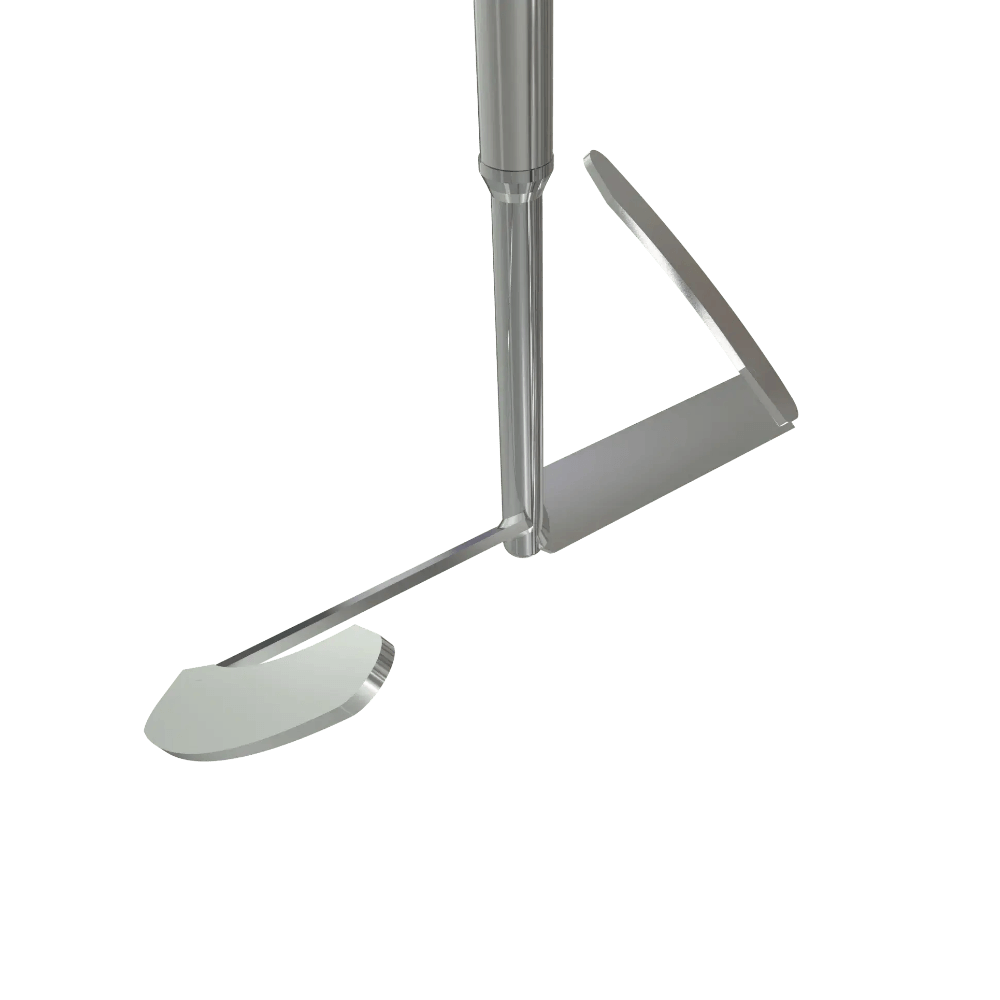
Anchor Mixer for High-Viscosity Chocolate Production
The Anchor mixer is designed for chocolate production with high viscosity, where cocoa mass, cocoa butter, and sugar tend to build up on the tank walls. Its close-clearance blades sweep the walls of conches and storage tanks, promoting heat transfer and preventing local hot spots or fouling. The ideal solution wherever intensive wall-to-wall homogenization is required.
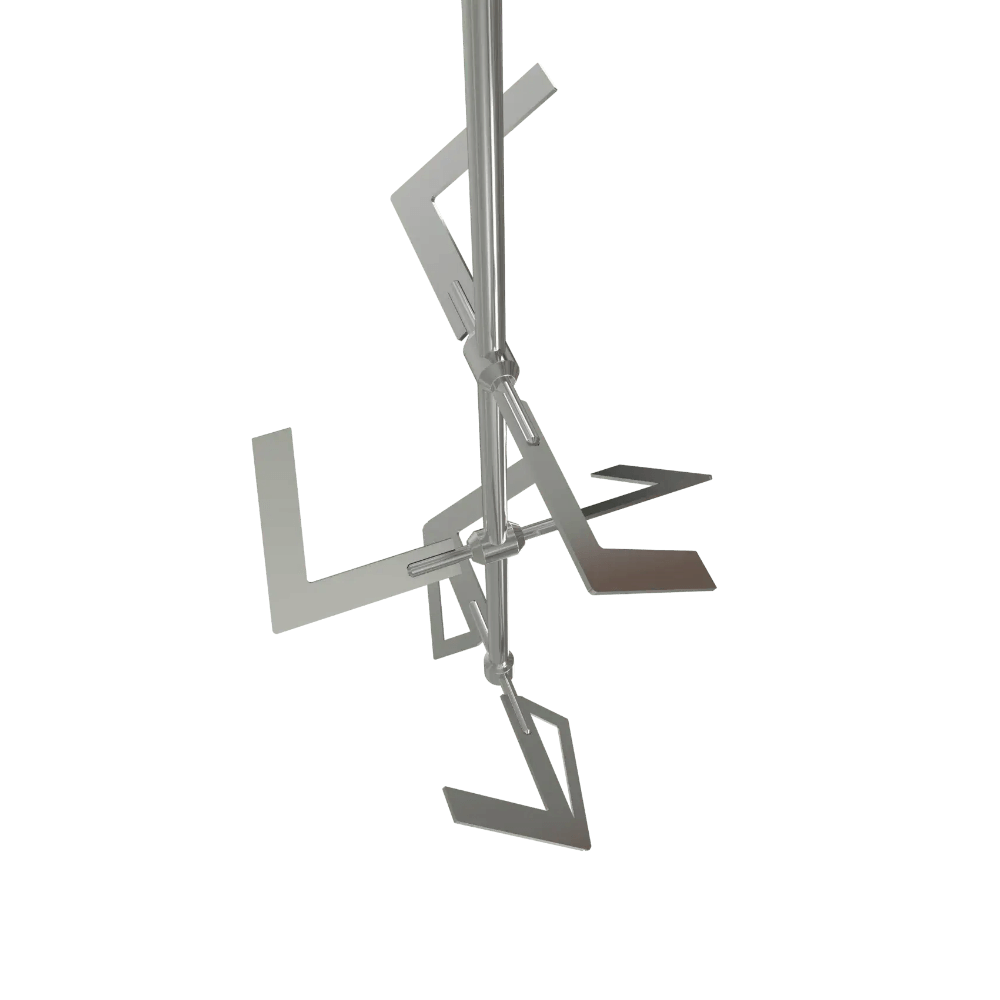
U-Z Turbine for Thorough Chocolate Production Mixing
The U-Z Turbine combines strong axial flow with a geometry tailored to the demands of chocolate production. It ensures complete homogenization of cocoa mass, cocoa butter, and sugar in conches and storage tanks while keeping shear forces controlled. A versatile solution for processors who need consistent blending across varying batch sizes and viscosities.

Ribbon Mixer for Intensive Chocolate Production Blending
The Ribbon mixer is built for the most demanding high-viscosity stages of chocolate production. Its double-helical design creates a complex flow pattern that blends additives fully into cocoa mass, cocoa butter, and sugar, even when high viscosity and temperature-sensitive tempering comes into play. A critical element for producing chocolate production with perfectly uniform properties.
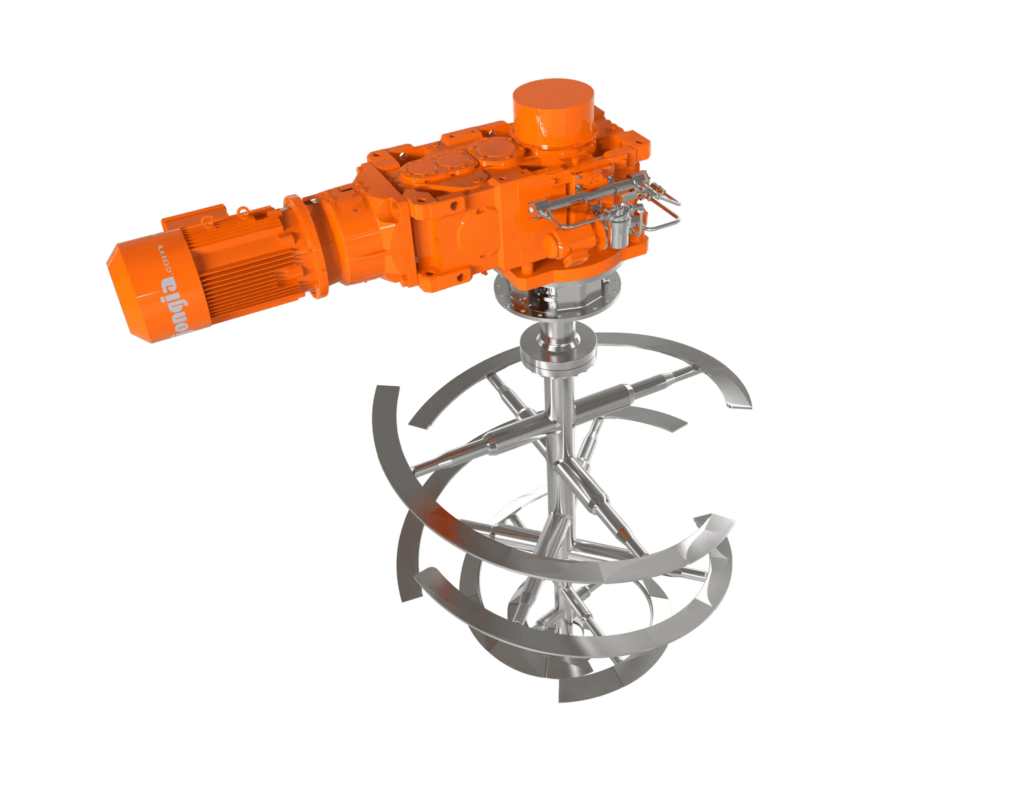
Conical Helix Mixer for High-Viscosity Chocolate Production
The Conical Helix Mixer is engineered for the most demanding high-viscosity stages of chocolate production. Its helical geometry lifts cocoa mass, cocoa butter, and sugar from the bottom of conches and storage tanks to the top, ensuring full batch circulation even when high viscosity and temperature-sensitive tempering becomes severe. An ideal solution for thick, sticky products that resist conventional impellers.
Frequently Asked Questions
What is chocolate made from?
Chocolate is made from the fruit of the cacao tree, known scientifically as Theobroma cacao. Raw chocolate has a bitter taste, but once it is fermented, dried, and roasted, it develops the rich flavors we associate with chocolate today.
Where is cocoa primarily produced?
Cocoa is mainly produced in tropical zones around the equator. About 70% of the world’s cocoa beans come from four West African countries: Ivory Coast, Ghana, Nigeria, and Cameroon, with Ivory Coast and Ghana being the largest producers.
Which countries lead in chocolate production?
The four main countries responsible for chocolate production are Germany, Belgium, Italy, and Poland. They transform cocoa mass into a wide variety of chocolate products, including traditional flavors such as milk, dark, and white chocolate. However, they are not cocoa producers themselves; the majority of cocoa beans are sourced from countries in West Africa, such as Côte d’Ivoire and Ghana.
How important is sustainable cocoa production?
Sustainable cocoa production is crucial, with initiatives led by companies like Tony’s Chocolonely. They advocate for fair trade practices, ensuring that farmers receive a good price for cocoa and minimizing environmental impact by protecting tropical rainforests.
What do consumers want to know about chocolate?
A significant 67% of chocolate consumers want transparency about the origins of their chocolate and the conditions under which it is produced. Companies promoting sustainable practices, such as Tony’s Chocolonely, are positively influencing consumer confidence and expectations.
Food & Beverages - Contacts

Sales Director
Tom Pruymboom

Project Manager
Jan Siert Tjeerdsma

Application Engineer
Sijko van der Veen
Food & Beverages - Related Articles
How to avoid foaming in your mixing process?
Through years of experience, Jongia Mixing Technology knows the correct application to many mixing processes. So too with mixing processes
The mixing process of starch gelatinization
Starch is one of the most important polysaccharides that exists and is also an important component in many food crops,
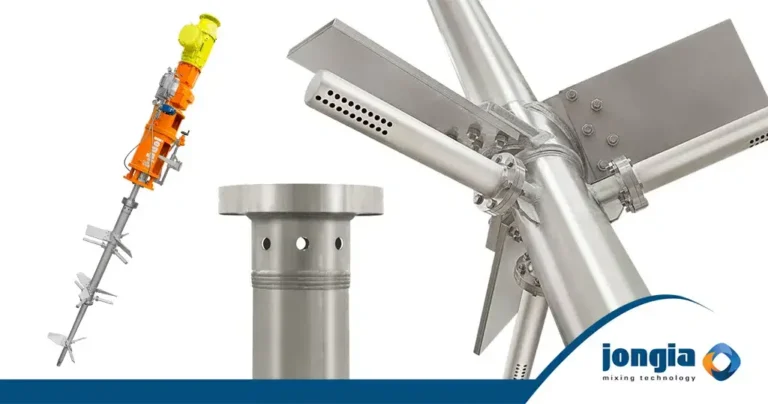
The Gas Inducing Mixer: from request to solution
When gas/liquid reactions with pure gases have to be created, the Gas Inducing Mixer is used. However, what type of
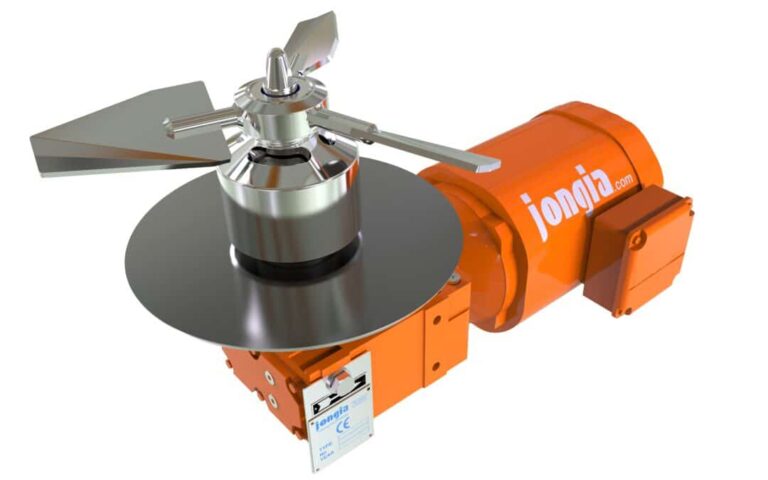
Case Sonac Vuren: Tailor-made advice for the best result
What Jongia sells is not boring uniformity, but a sophisticated process solution that meets the requirements in all areas. This