


Animal nutrition
The global alcoholic beverages market was valued at $1,448.2 billion in 2021. This is expected to grow at an average rate of 10.3% through 2028.
Market trends
This is due to the increasing consumption of spirits in developed economies such as the US and the UK. Moreover, rising popularity of pubs, bars and restaurants is expected to further drive market growth during the period. The increasing acceptance of the consumption of spirits is a key factor for the growth in the market.
Moreover, rising demand for craft spirits in developing economies such as China and India is expected to drive the growth of the liquor market. The rising demand for value-added hard seltzer products at an affordable price is a new opportunity for the market. On the other hand, the growing demand for non-alcoholic beverages is hindering the explosive growth of the market. Currently, as a result, even the major product agents are focusing on developing non-alcoholic products.
Nevertheless, people continue to consume alcoholic beverages in large numbers. For example, during the COVID-19 period, fewer liters of beer were consumed in the European Union but more bottles of beverages where more alcohol was present were consumed.
During the COVID-19 pandemic, the demand for beer and spirits increased. The main players in the alcoholic beverage market were the e-commerce platforms that could sell a huge amount of alcohol products. From ordinary wine to a large Vodka bottle, everything is available online today!
Mixing elements for Spirits & Liquor
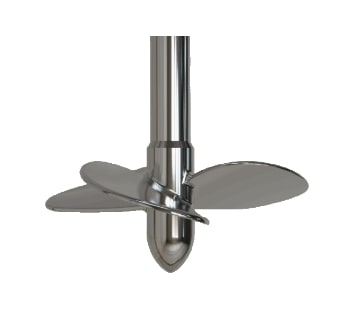
Versatile Propeller Mixer for Spirits & Liquor
The Propeller is a workhorse in spirits and liquor production, keeping neutral alcohol, flavor extracts, and water in uniform suspension inside blending and maturation tanks. Its axial flow prevents settling and ensures consistent distribution of every component throughout the batch. Energy-efficient and reliable, it adapts to the viscosity changes typical of spirits & liquor without loss of performance.
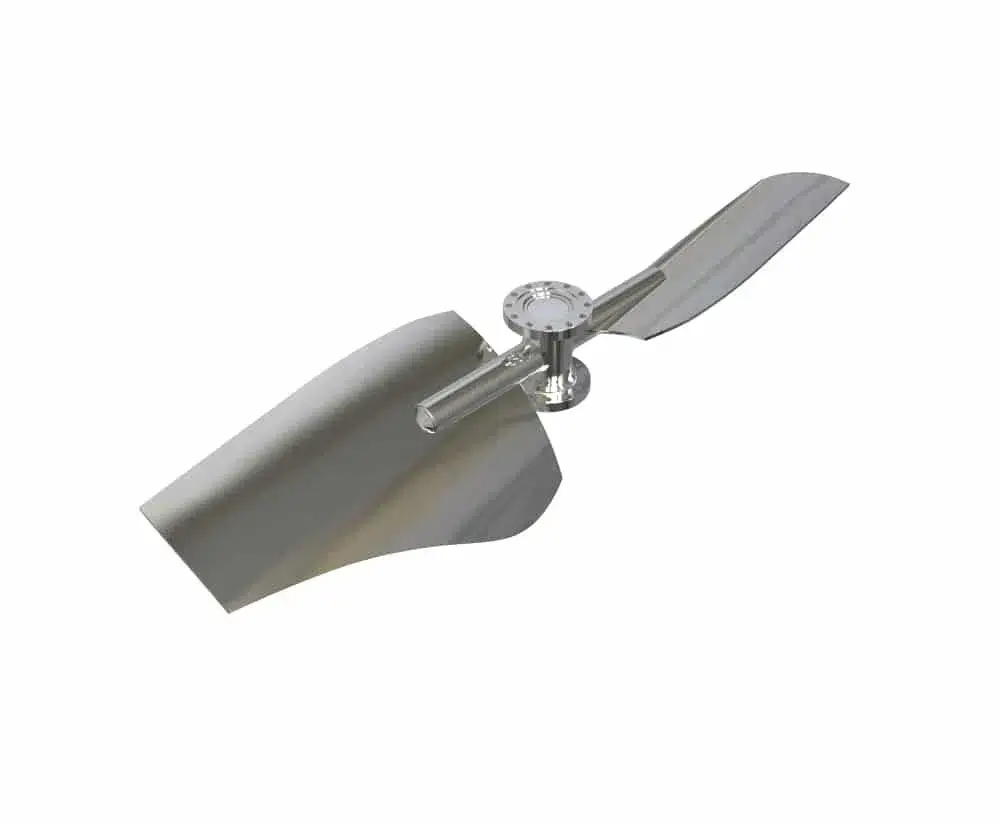
High-Capacity Hydroprop for Spirits & Liquor
The Hydroprop delivers outstanding pumping capacity with minimal energy input, making it ideal for large blending and maturation tanks in spirits and liquor production. It ensures complete tank turnover, eliminates temperature gradients, and keeps neutral alcohol, flavor extracts, and water in a stable, homogeneous state. Its streamlined design cuts operating costs while supporting continuous, high-volume spirits & liquor.
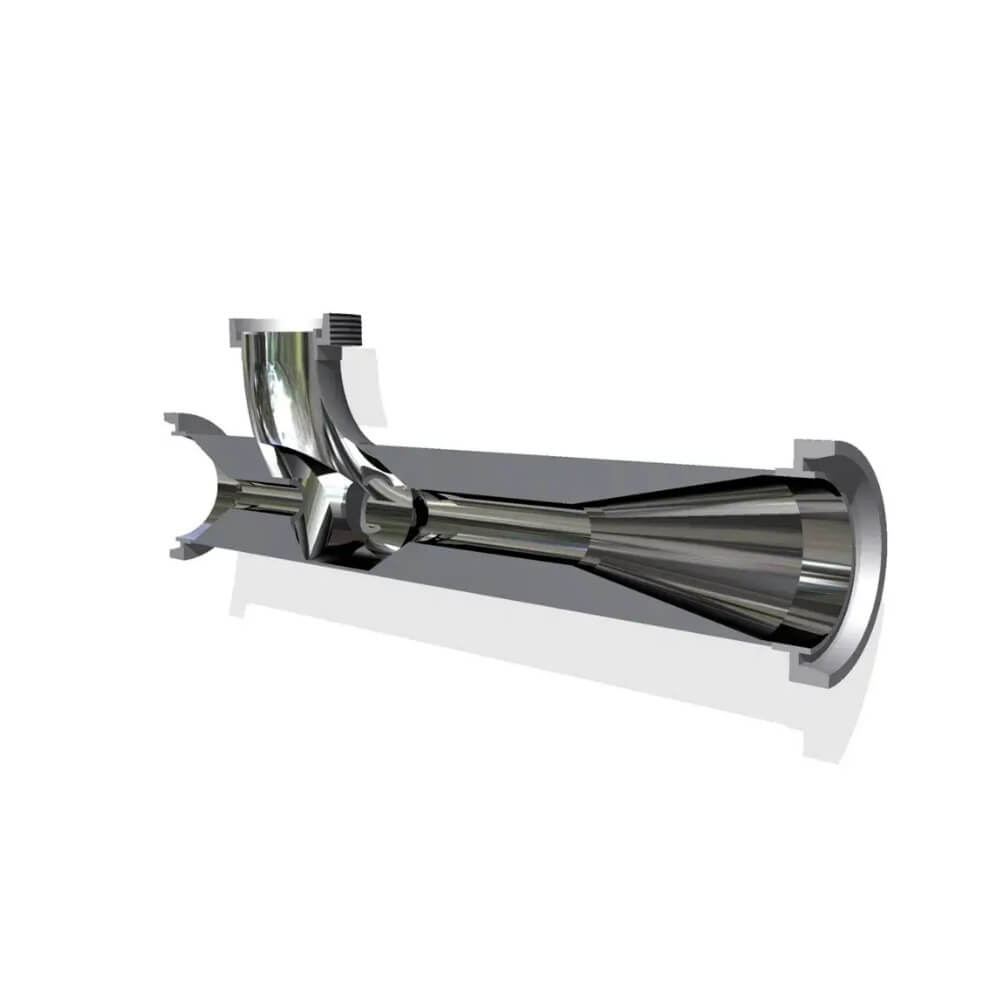
Efficient Jet Mixer for Spirits & Liquor
The Jet Mixer uses a high-velocity liquid jet to achieve rapid homogenization in spirits and liquor production, without introducing strong mechanical shear. It excels in beverage and liquid-phase tanks where fast blending of neutral alcohol, flavor extracts, and water is required with minimal foaming or air entrainment. Its simple geometry makes it easy to integrate, clean, and maintain in hygienic processing environments.
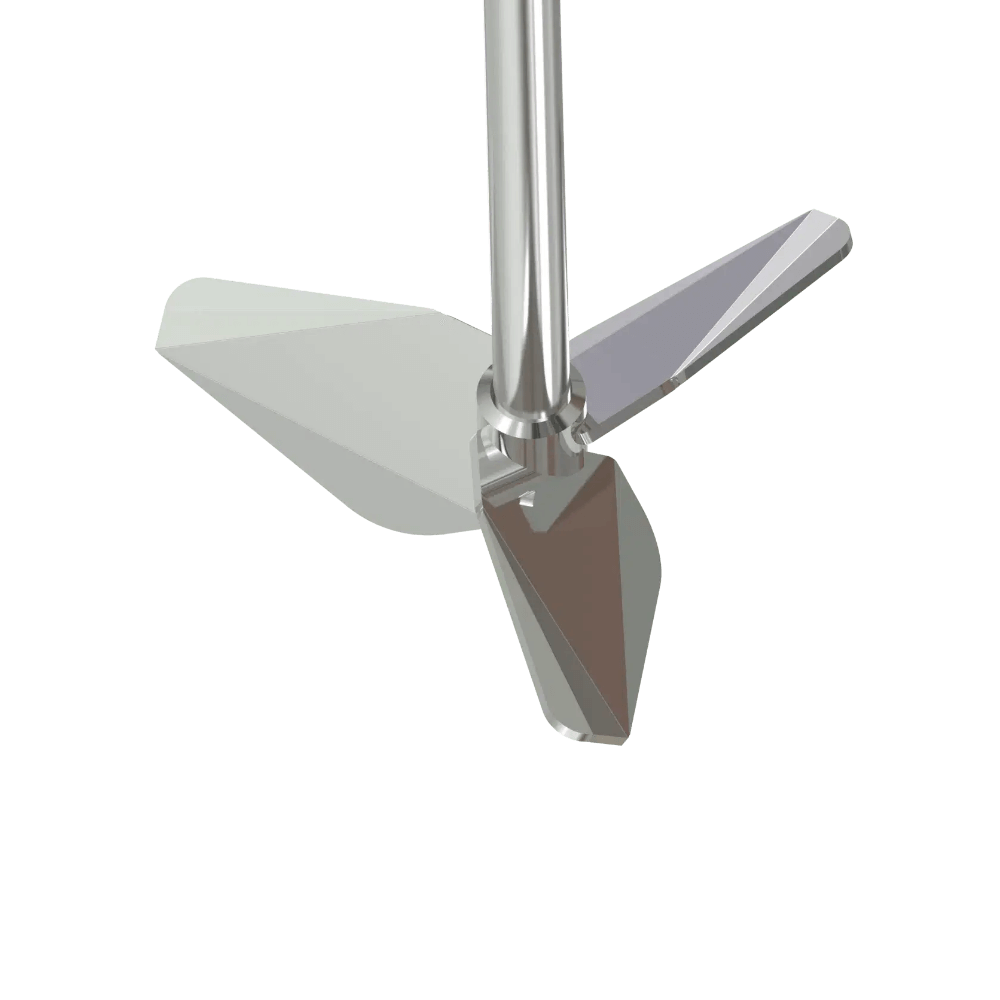
High-Flow Hydrofoil for Spirits & Liquor
The Hydrofoil generates high-volume axial flow, making it a powerful solution for large blending and maturation tanks in spirits and liquor production. It prevents thermal stratification and keeps neutral alcohol, flavor extracts, and water in steady motion with minimal turbulence. The optimized blade profile turns drive power into fluid motion efficiently, supporting consistent homogenization at industrial scale.
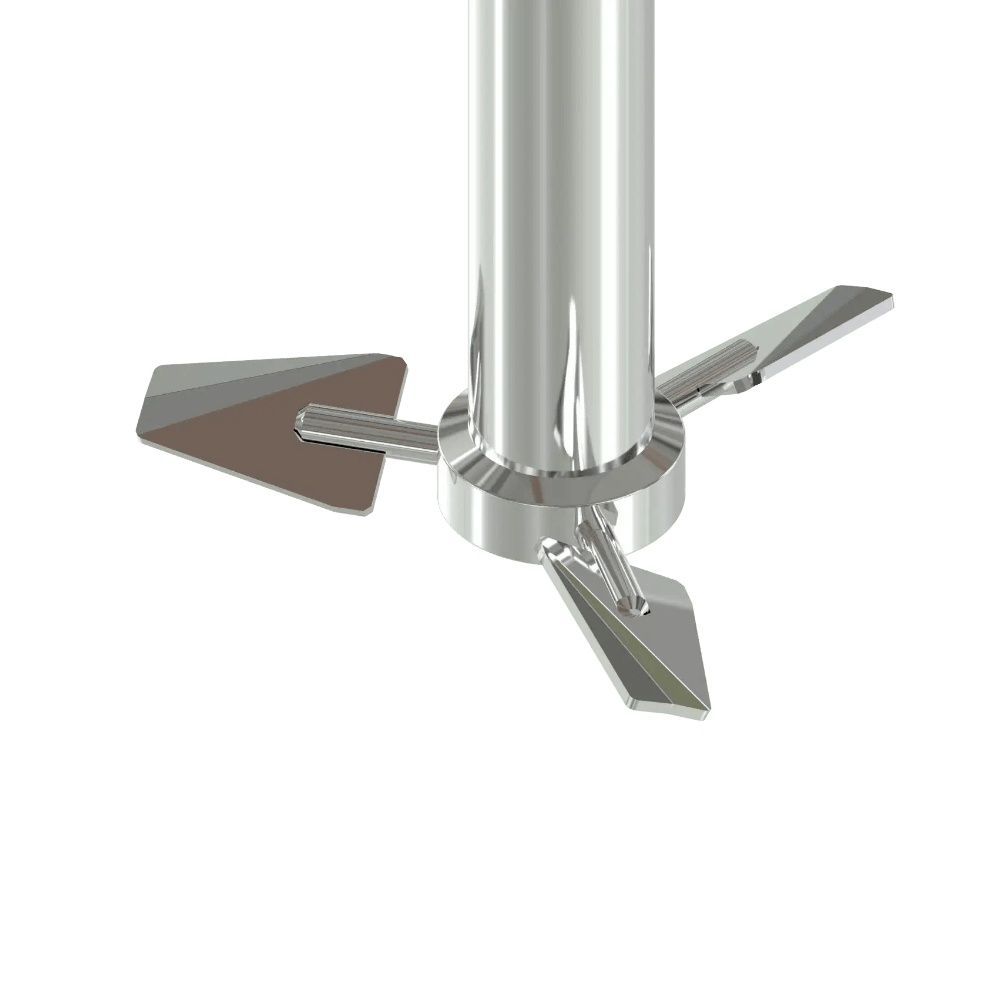
Reinforced Hydrofoil Pin for Demanding Spirits & Liquor
The Hydrofoil Pin combines proven hydrofoil performance with reinforced pins for tougher substrates encountered in spirits and liquor production. Its structural design handles high-viscosity and high-solids zones where standard impellers might struggle, particularly when uniform dilution and flavor integration becomes critical. It delivers reliable mixing where neutral alcohol, flavor extracts, and water are demanding to handle.
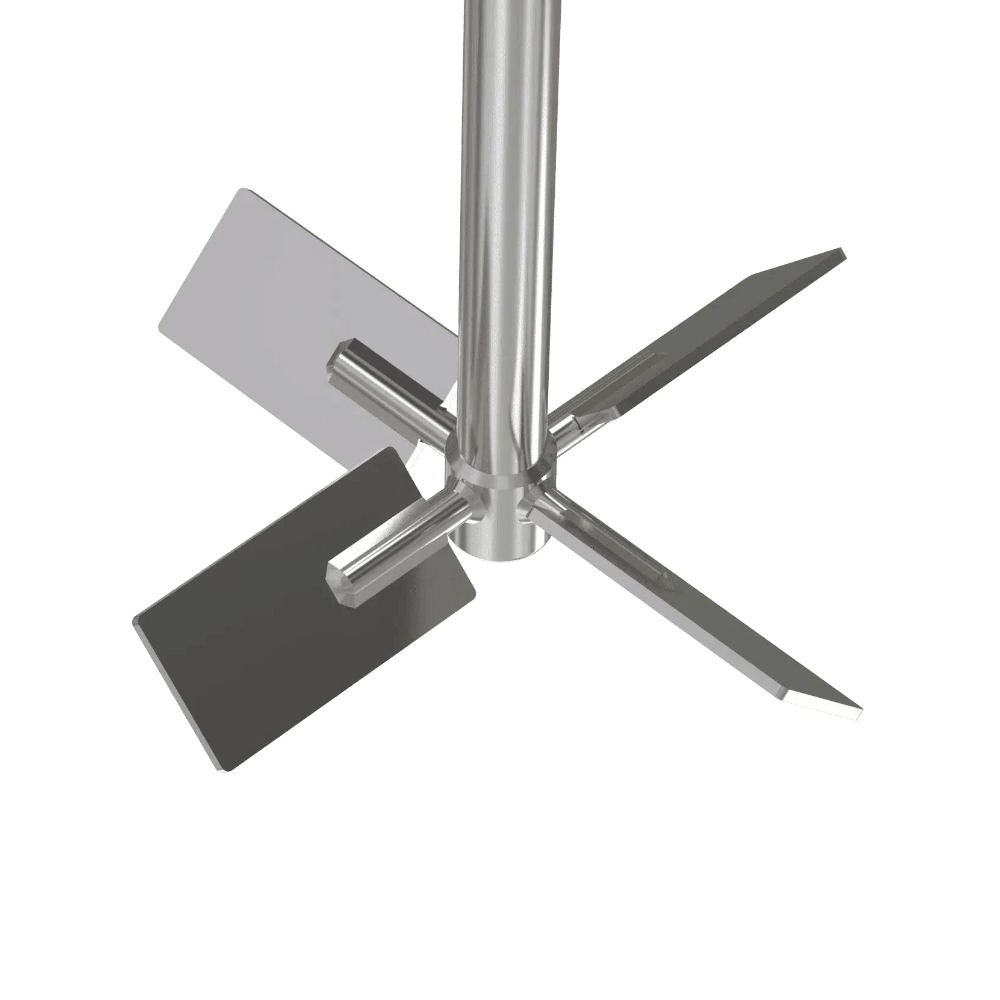
Reliable Axial Flow Turbine for Spirits & Liquor
The Axial Flow Turbine is a dependable all-rounder for spirits and liquor production, ensuring even distribution of heat and additives throughout blending and maturation tanks. It prevents stagnant zones and keeps neutral alcohol, flavor extracts, and water in consistent motion across the vessel. Its cost-effective, robust design makes it a go-to choice for stable, continuous operation in spirits & liquor.
Heavy-Duty Welded Turbine for Spirits & Liquor
Built for maximum durability in continuous spirits and liquor production, this welded turbine eliminates bolted connections for superior mechanical integrity. Its smooth profile resists buildup of neutral alcohol, flavor extracts, and water and simplifies cleaning and maintenance in blending and maturation tanks. It is the preferred choice for industrial-scale spirits & liquor that demand long service intervals and high reliability.
Axial Flow Turbine Pin for Challenging Spirits & Liquor
Adapted for spirits and liquor production involving fibrous materials or high solids content, this turbine uses reinforced pins to cut through uniform dilution and flavor integration. It maintains an effective mixing zone even when the composition of neutral alcohol, flavor extracts, and water varies from batch to batch. An essential element for facilities handling inconsistent or demanding substrates in spirits & liquor.
Market growth
The growing investment by the main producers in the UK to purchase high-quality Scotch whisky products is driving the growth of the market. Major producers are buying superior quality cider, perry and white wine. The rapidly growing demand from American consumers for beer supplements with fewer calories is further driving industry growth. Moreover, rising demand for value-added hard seltzer products at an affordable price is an emerging opportunity for the market. Therefore, the alcoholic beverages market is expected to perform well during the forecast period.
The mixing of spirits
Alcoholic beverages are Newtonian liquids with a low viscosity of <200cp. Which causes the liquid to be directly in the turbulent phase. Which promotes rapid opinion as the liquid flows mix quickly and chaotically.
Hygiene is very important within the beverage industry. As a result, baffles and a bottom bearing in the tank are not desirable. Baffles are applied to prevent a vortex, this vortex occurs when the agitator is centrally placed in a low vicious product (such as alcoholic beverages) in a turbulent phase. This is prevented by placing the agitator eccentrically, depending on the geometry of the tank, the agitator is placed at ⅓ of the tank diameter. Also a bottom bearing is a thing of the past, the axial and radial forces normally absorbed by a bottom bearing are now dissipated through the agitator superstructure. This technique can be expanded in several steps so that up to about 30 meters of freely suspended agitators can be supplied. This greatly simplifies cleaning of the agitator and in addition, maintenance on the inside of the tank (regarding the agitator) is also a thing of the past.
Depending on, among other things, the tank geometry, available space and requirements regarding various batch levels, the choice is made for the right configuration of the agitator. There are many possibilities such as direct drive agitators called JDR or JDRW (without drive). There are also circumstances that require agitators including drives. Both the agitators with and without drive can be frequency controlled. We have also recently started offering both our magnet-driven side entry agitators, where hygiene/cleaning are optimal and the risk of leakage is a thing of the past.
Newtonian fluids; If the fluid has a constant viscosity at all velocity gradients, it is Newtonian.
Turbulent phase; Turbulent flow is characterized by its swirling nature; the flow does not flow neatly layered, but moves erratically. Much flow takes place perpendicular to the main flow.
Baffles; baffles mounted on the wall of the tank to interrupt fluid flow, preventing a vortex.
Bottom bearing; a bearing section mounted on the bottom, on the inside of the tank to absorb mainly radial forces from the agitator work. Please note, this part contains a wear part that needs to be replaced on average every 2 years depending on the process/use.
Frequently Asked Questions
What was the valuation of the global alcoholic beverages market in 2021?
The global alcoholic beverages market was valued at $1,448.2 billion in 2021. This substantial figure reflects the industry’s size and significance, marking it as a critical sector within the broader food and beverages market.
What is the expected growth rate of the market through 2028?
The alcoholic beverages market is projected to grow at an average rate of 10.3% through 2028. This anticipated growth is fueled by various factors, including rising consumption and changing consumer preferences in developed economies.
What factors are driving market growth in developed economies?
Increasing consumption of spirits in developed economies like the US and UK is a key growth driver. Additionally, the rising popularity of pubs, bars, and restaurants is expected to further enhance market growth during this period.
How has the COVID-19 pandemic affected the alcoholic beverages market?
During the COVID-19 pandemic, demand for spirits and other alcoholic beverages increased despite a decrease in beer consumption within the European Union. E-commerce platforms played a crucial role in facilitating sales, demonstrating adaptability in the market.
What is the impact of non-alcoholic beverages on the market?
The growing demand for non-alcoholic beverages is posing a challenge to the rapid growth of the alcoholic beverages market. This shift in consumer preferences has prompted major producers to develop non-alcoholic alternatives to meet changing demands.
Food & Beverages Contacts

Sales Director
Tom Pruymboom

Area Sales Manager
Teun van der Spek

Application Engineer
Sijko van der Veen
Food & Beverages - Related Articles
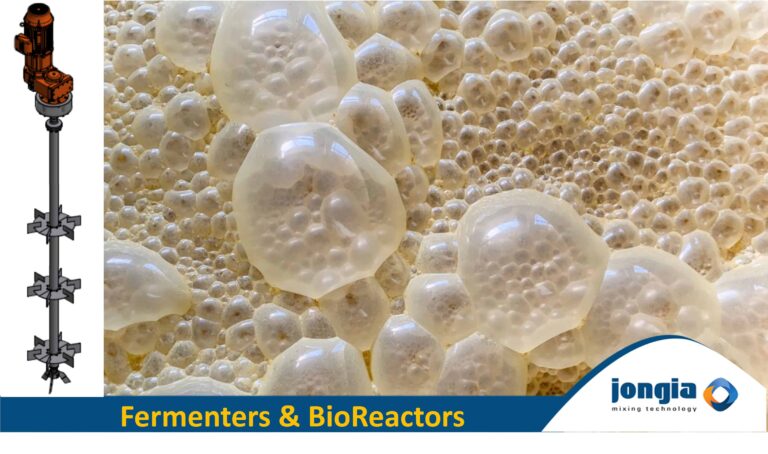
Fermentation & Bioreactor Mixing Process
Bioreactors and Fermenters are culture systems to produce cells or organisms. They are used in various applications, including basic research and development, and the manufacturing of biopharmaceuticals, food and food additives, chemicals, and other products. A broad range of cell types and organisms can be cultivated in bioreactors and Fermenters, including cells (like mammalian cell lines, insect cells, and stem cells), microorganisms (like bacteria, yeasts, and fungi), as well as plant cells and algae. The words “Bioreactor” and “Fermenter” are basically the same thing.
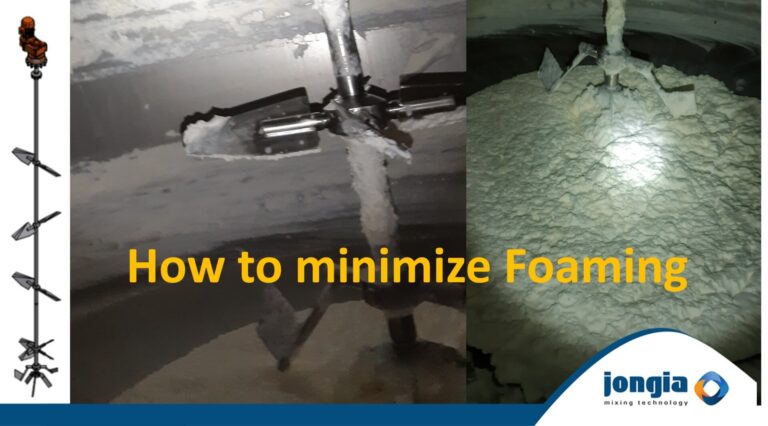
How to avoid foaming in your mixing process?
Through years of experience, Jongia Mixing Technology knows the correct application to many mixing processes. So too with mixing processes
Tutorial: starch gelatinization – from raw starch to glucose syrup
Around the world, Jongia Mixing Technology has initiated numerous mixing processes using its agitators to produce modifications from raw starch
Starch gelatinization: corn starch as base for marshmallows
Jongia Mixing Technology is active within various fields with a great number of process solutions. One of these fields is