



Beer
Beer is a tremendously old and popular drink. It is estimated that the first beers were drunk as early as 4,500 years before Christ. This estimate makes beer one of the oldest beverages in the world. Over time, beer has only become more popular. For example, according to ratebeer, there are more than 200,000 different beer brands and more than 700 different types of beer.
Market trends
The global beer market was valued at $743.84 billion in 2020. The market is expected to grow from USD 768.17 billion in 2021 to USD 989.48 billion by 2028
Globally, beer holds a prominent share of the market compared to other alcoholic beverages and is also gaining tremendous popularity among millennials and Gen Z. Thanks to different formulations, flavors and offerings, companies always manage to keep beer relevant among people.
Initially, beer was mainly consumed in regions such as Europe and North America, but recently the demand for it has been growing exponentially worldwide. This is having a very positive impact on the overall beer business. The emergence of new brewing technologies in emerging economies have also had a positive impact on consumption patterns. Moreover, consumers are now looking for innovative, varied and flavored products on the market.
Countries that consume most beer
China is the most populous country in the world, with about 18% of the world’s population. Of course, a large population does not necessarily mean high beer consumption on an individual level. India, for example, which has the second-largest population in the world, ranks 23rd on the list for beer consumption.
The United States comes in second, with more than 24 million pounds of gallons of beer consumed nationwide in 2020. Americans not only drink a lot of beer, they also brew a lot of beer. The U.S. is the world’s second-largest beer producer (after China).
Mixing elements for Beer Brewing
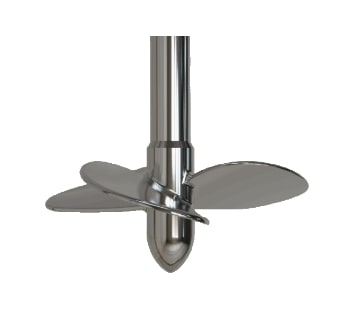
Versatile Propeller Mixer for Beer Brewing
The Propeller is a workhorse in beer brewing, keeping wort, yeast, and finings in uniform suspension inside fermentation and conditioning tanks. Its axial flow prevents settling and ensures consistent distribution of every component throughout the batch. Energy-efficient and reliable, it adapts to the viscosity changes typical of beer brewing without loss of performance.
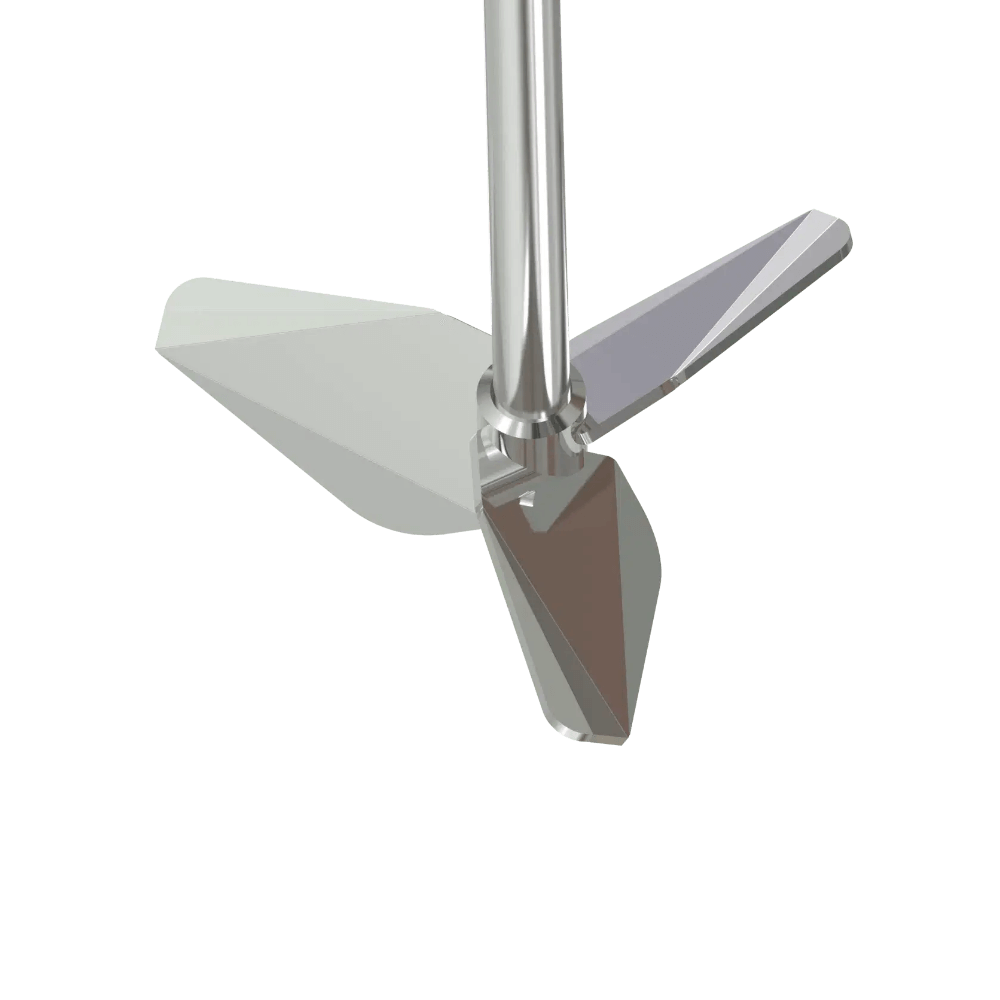
High-Flow Hydrofoil for Beer Brewing
The Hydrofoil generates high-volume axial flow, making it a powerful solution for large fermentation and conditioning tanks in beer brewing. It prevents thermal stratification and keeps wort, yeast, and finings in steady motion with minimal turbulence. The optimized blade profile turns drive power into fluid motion efficiently, supporting consistent homogenization at industrial scale.
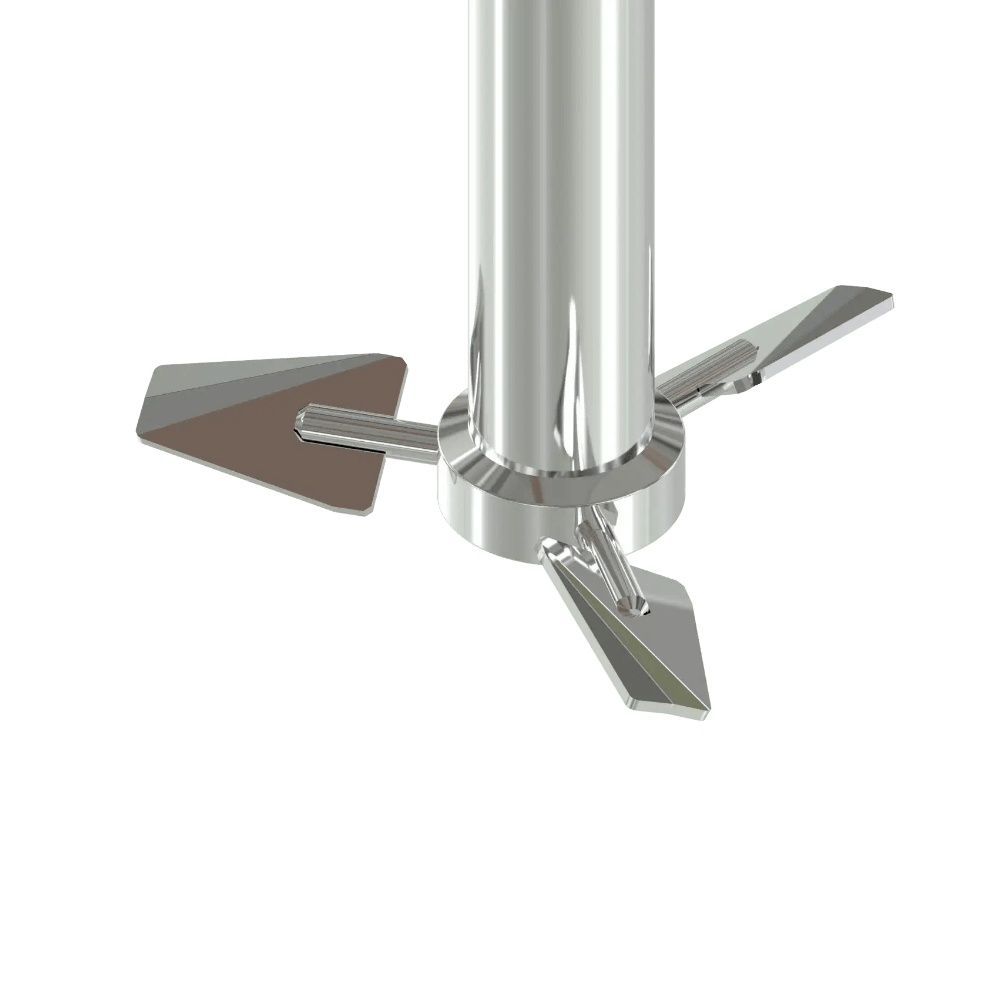
Reinforced Hydrofoil Pin for Demanding Beer Brewing
The Hydrofoil Pin combines proven hydrofoil performance with reinforced pins for tougher substrates encountered in beer brewing. Its structural design handles high-viscosity and high-solids zones where standard impellers might struggle, particularly when gentle yeast handling and CO2 retention becomes critical. It delivers reliable mixing where wort, yeast, and finings are demanding to handle.
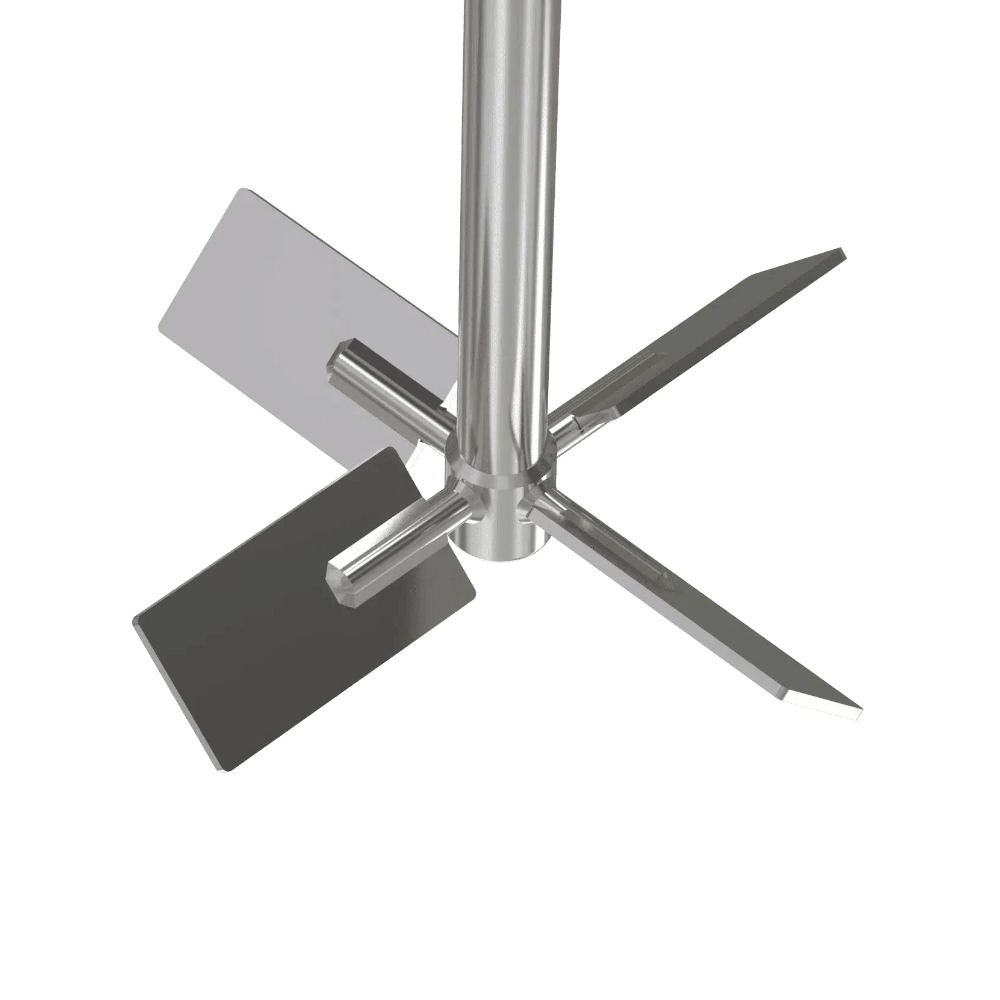
Reliable Axial Flow Turbine for Beer Brewing
The Axial Flow Turbine is a dependable all-rounder for beer brewing, ensuring even distribution of heat and additives throughout fermentation and conditioning tanks. It prevents stagnant zones and keeps wort, yeast, and finings in consistent motion across the vessel. Its cost-effective, robust design makes it a go-to choice for stable, continuous operation in beer brewing.
Heavy-Duty Welded Turbine for Beer Brewing
Built for maximum durability in continuous beer brewing, this welded turbine eliminates bolted connections for superior mechanical integrity. Its smooth profile resists buildup of wort, yeast, and finings and simplifies cleaning and maintenance in fermentation and conditioning tanks. It is the preferred choice for industrial-scale beer brewing that demand long service intervals and high reliability.
Axial Flow Turbine Pin for Challenging Beer Brewing
Adapted for beer brewing involving fibrous materials or high solids content, this turbine uses reinforced pins to cut through gentle yeast handling and CO2 retention. It maintains an effective mixing zone even when the composition of wort, yeast, and finings varies from batch to batch. An essential element for facilities handling inconsistent or demanding substrates in beer brewing.
Frequently Asked Questions
What is the history of beer?
Beer is one of the oldest beverages, with its origins estimated around 4,500 years before Christ. Its longstanding popularity has only increased over time, and today there are over 200,000 beer brands and more than 700 types of beer worldwide.
What is the value of the global beer market?
The global beer market was valued at approximately $743.84 billion in 2020. It is expected to grow significantly, reaching an estimated $989.48 billion by 2028, reflecting the increasing popularity of beer across various demographics.
Which demographic is most interested in beer?
Millennials and Gen Z show a growing interest in beer, thanks to innovative formulations, flavors, and offerings. Companies continuously adapt to market demands, ensuring that beer remains relevant and appealing to younger consumers.
Which countries consume the most beer?
China leads in beer consumption due to its large population, followed by the United States. In 2020, the U.S. consumed over 24 million gallons, highlighting its significant role as a beer producer and consumer on a global scale.
How has beer consumption changed recently?
Beer consumption has grown exponentially worldwide, driven by emerging economies and new brewing technologies. Consumers increasingly seek innovative, varied, and flavored products, contributing to the positive growth trends in the beer market.
Food & Beverages - Contacts

Sales Director
Tom Pruymboom

Project Manager
Jan Siert Tjeerdsma

Application Engineer
Sijko van der Veen
Food & Beverages - Related Articles

Tutorial: How do we mix native starches?
Jongia Mixing Technology has initiated many mixing processes worldwide with its agitators. This includes mixing processes in which native starch
The mixing process of starch gelatinization
Starch is one of the most important polysaccharides that exists and is also an important component in many food crops,

Tutorial: How does the Gas Inducing Mixer work?
Jongia Mixing Technology designed the Gas Inducing Mixer to dissolve gas in liquid in order to achieve a (chemical/biochemical) reaction.
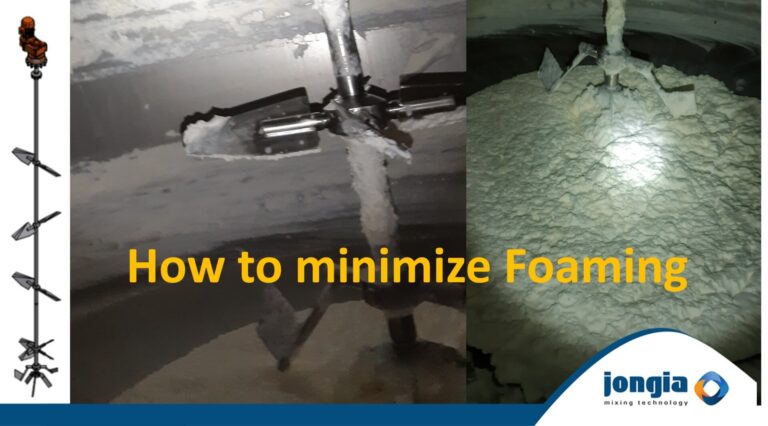
How to avoid foaming in your mixing process?
Through years of experience, Jongia Mixing Technology knows the correct application to many mixing processes. So too with mixing processes