


Whey
Whey is a by-product of cheese making. The whey (whey liquid) contains, among other things, the serum or whey proteins. In addition, it contains soluble vitamins and minerals also found in milk. The proteins found in whey are very important, proteins are often separated from the whey liquid for example in protein fortified products. The washing liquid is used in the soft drink industry. Addition of fruit juice, sugar, flavorings and cream, among others, makes the obtained whey drinks look to the eye and taste like soda, milk or yogurt drinks, for example.
Whey as a by-product
The basis for the production of cheese are the fats and proteins in the milk. Without these proteins, making cheese is not possible. Also, when making cheese, solids in the milk (proteins, fat and minerals) are separated from the liquid. This is done by adding rennet.
The rennet contains chymosin. Chymosin is a protein-splitting enzyme; it causes certain milk proteins to clump together. In addition, it enables the separation of curd and whey. The whey still contains many substances from the milk, including whey protein, milk sugar, vitamins and minerals. Thus, whey is a liquid byproduct of cheese production. The liquid has a yellow-green color and tastes slightly sour. Whey has about half the lactose compared to cow’s milk.
Mixing elements for Whey Processing
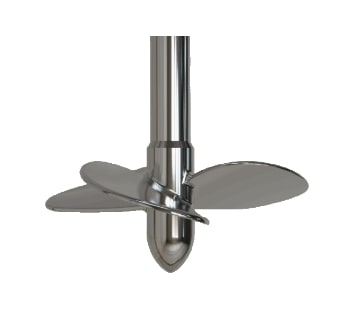
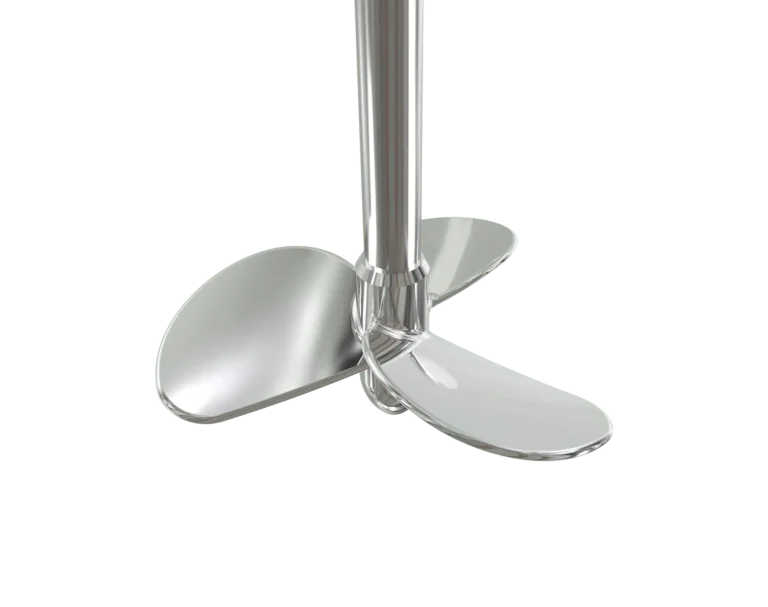
Versatile Propeller Mixer for Whey Processing
The Propeller is a workhorse in whey processing, keeping whey streams and concentrates in uniform suspension inside whey tanks and evaporator feeds. Its axial flow prevents settling and ensures consistent distribution of every component throughout the batch. Energy-efficient and reliable, it adapts to the viscosity changes typical of whey processing without loss of performance.
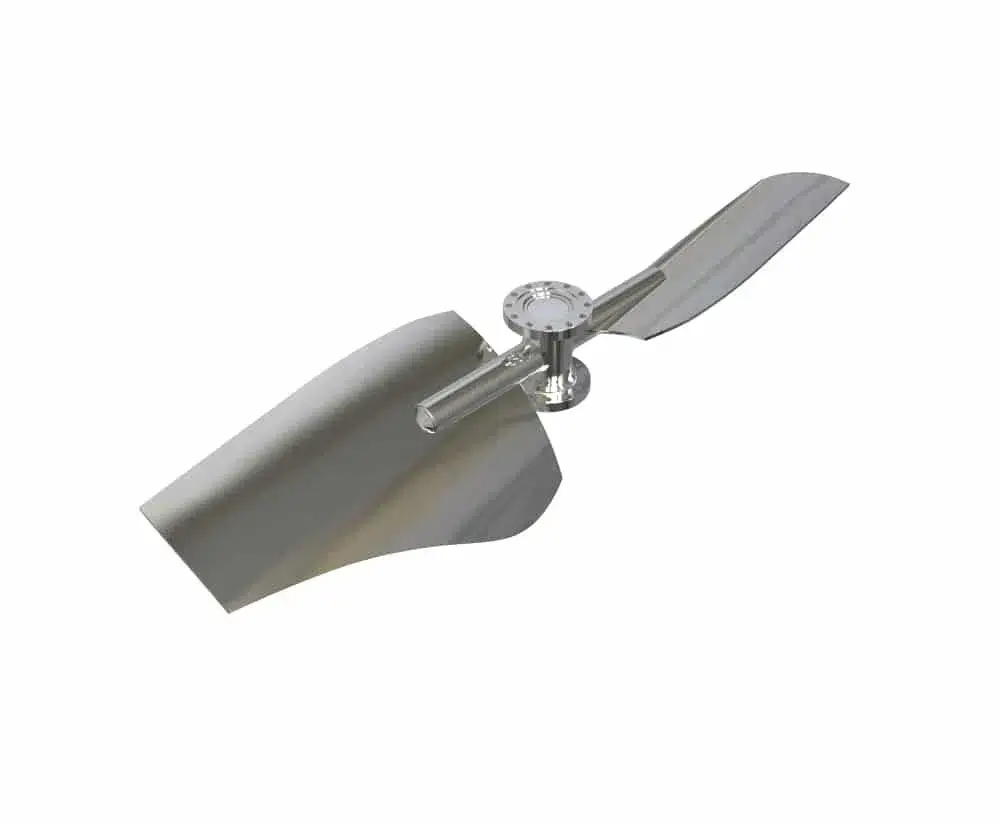
High-Capacity Hydroprop for Whey Processing
The Hydroprop delivers outstanding pumping capacity with minimal energy input, making it ideal for large whey tanks and evaporator feeds in whey processing. It ensures complete tank turnover, eliminates temperature gradients, and keeps whey streams and concentrates in a stable, homogeneous state. Its streamlined design cuts operating costs while supporting continuous, high-volume whey processing.
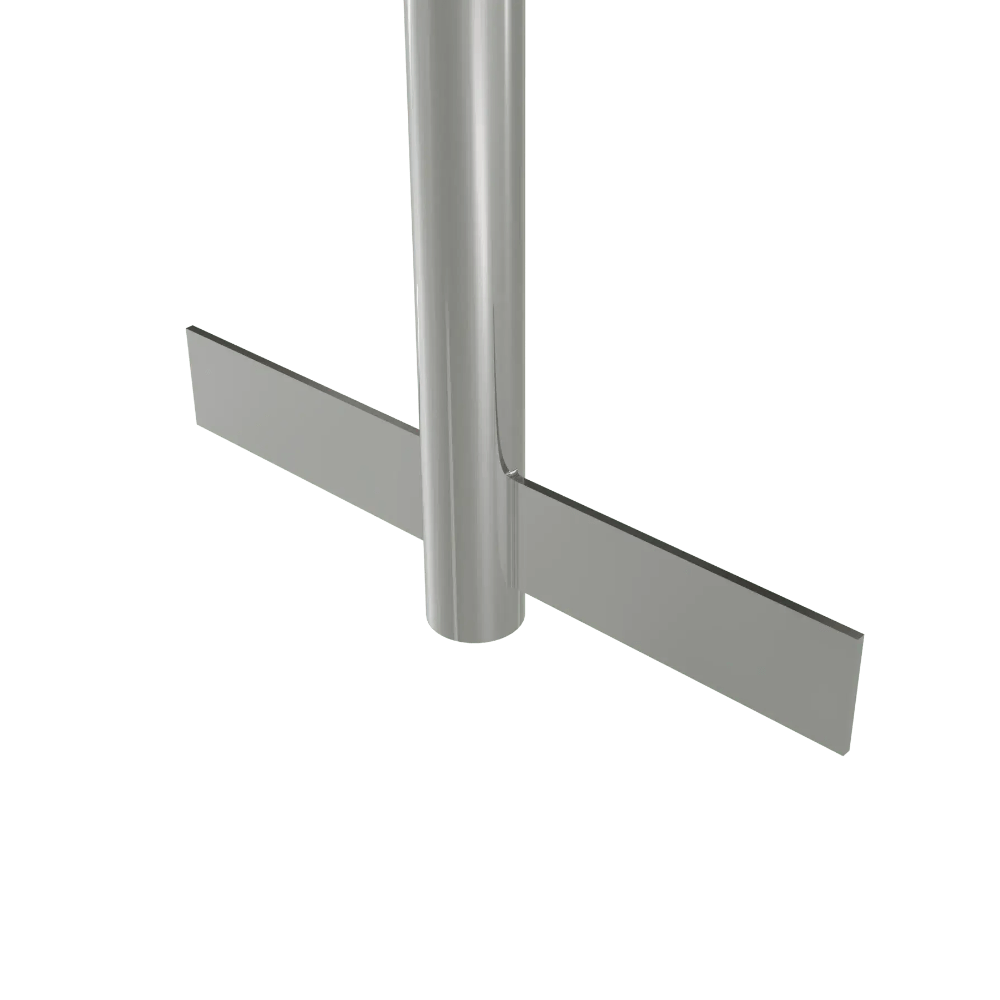
Robust Flatblade Turbine for Whey Processing
The Flatblade turbine generates strong radial flow and turbulence, tackling protein integrity during concentration head-on in whey processing. It breaks up agglomerates, disperses additives, and homogenizes whey streams and concentrates even when viscosity fluctuates. Its rugged construction handles the mechanical demands of industrial whey processing with proven reliability.
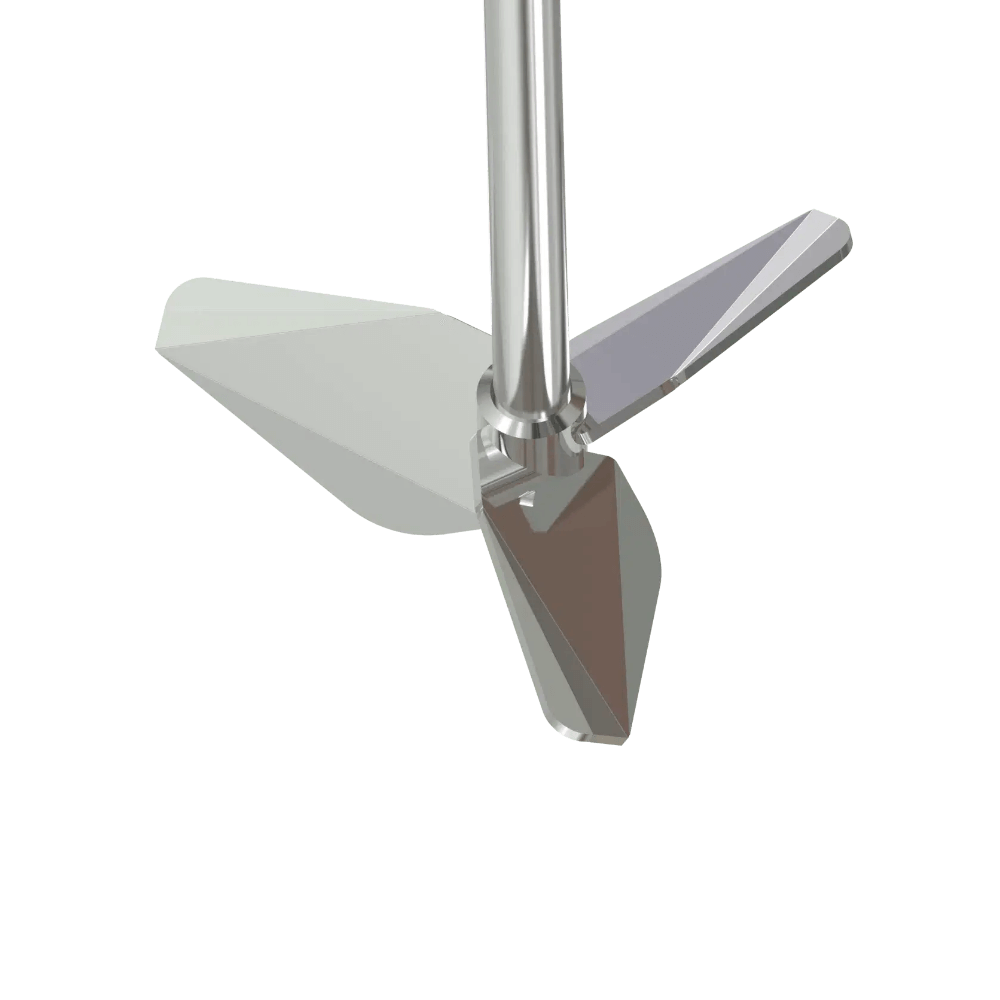
High-Flow Hydrofoil for Whey Processing
The Hydrofoil generates high-volume axial flow, making it a powerful solution for large whey tanks and evaporator feeds in whey processing. It prevents thermal stratification and keeps whey streams and concentrates in steady motion with minimal turbulence. The optimized blade profile turns drive power into fluid motion efficiently, supporting consistent homogenization at industrial scale.
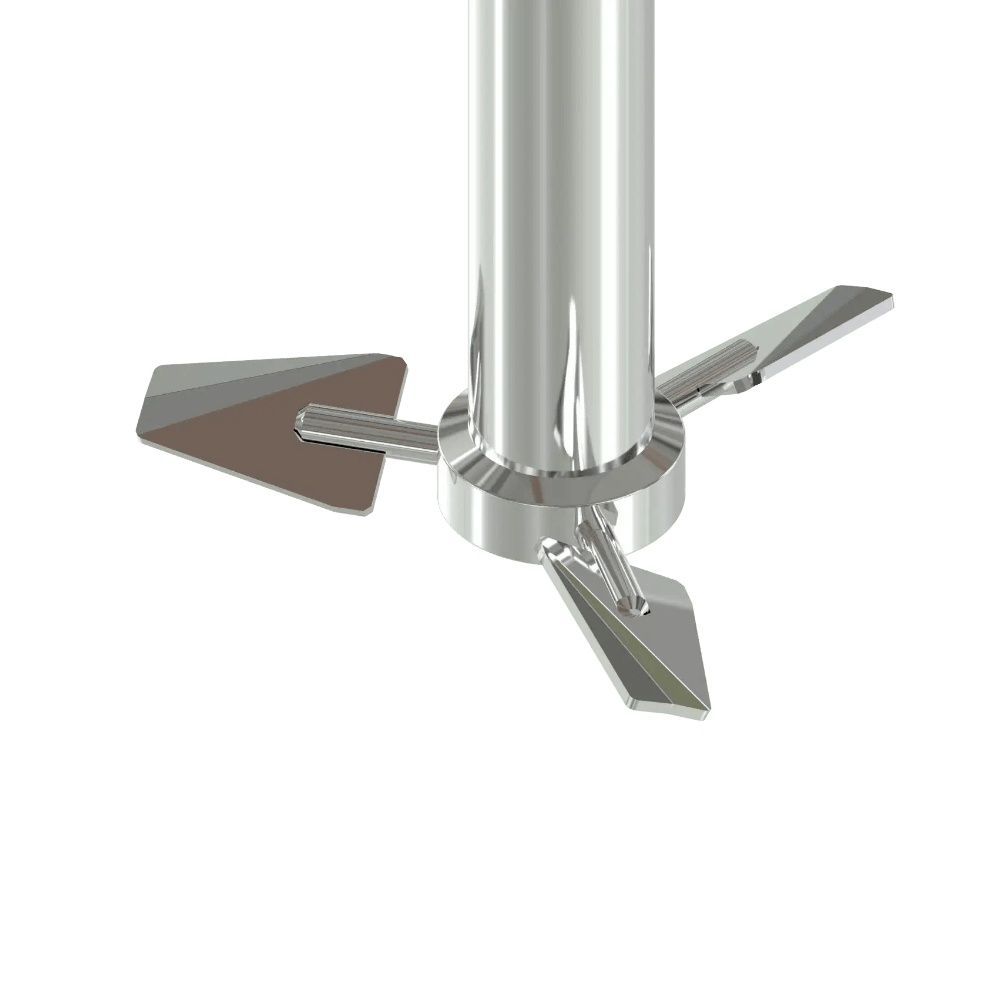
Reinforced Hydrofoil Pin for Demanding Whey Processing
The Hydrofoil Pin combines proven hydrofoil performance with reinforced pins for tougher substrates encountered in whey processing. Its structural design handles high-viscosity and high-solids zones where standard impellers might struggle, particularly when protein integrity during concentration becomes critical. It delivers reliable mixing where whey streams and concentrates are demanding to handle.
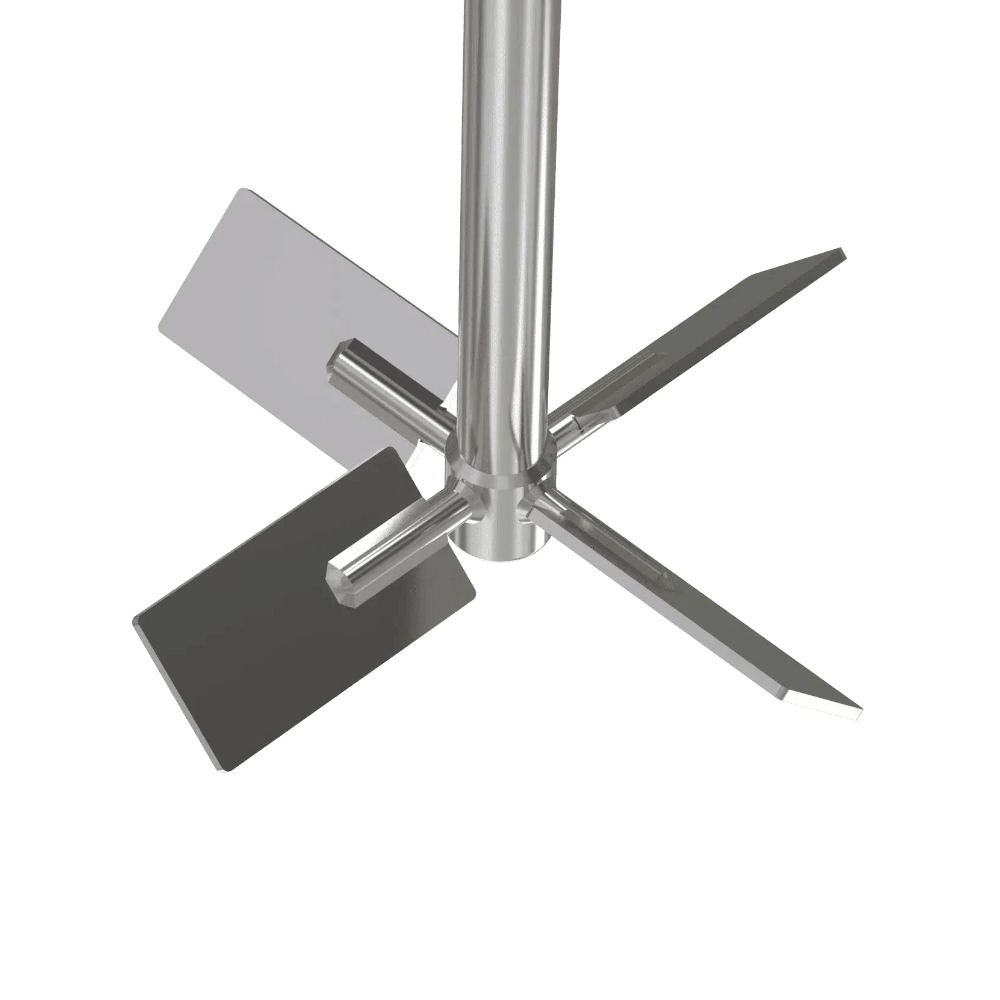
Reliable Axial Flow Turbine for Whey Processing
The Axial Flow Turbine is a dependable all-rounder for whey processing, ensuring even distribution of heat and additives throughout whey tanks and evaporator feeds. It prevents stagnant zones and keeps whey streams and concentrates in consistent motion across the vessel. Its cost-effective, robust design makes it a go-to choice for stable, continuous operation in whey processing.
Heavy-Duty Welded Turbine for Whey Processing
Built for maximum durability in continuous whey processing, this welded turbine eliminates bolted connections for superior mechanical integrity. Its smooth profile resists buildup of whey streams and concentrates and simplifies cleaning and maintenance in whey tanks and evaporator feeds. It is the preferred choice for industrial-scale whey processing that demand long service intervals and high reliability.
Axial Flow Turbine Pin for Challenging Whey Processing
Adapted for whey processing involving fibrous materials or high solids content, this turbine uses reinforced pins to cut through protein integrity during concentration. It maintains an effective mixing zone even when the composition of whey streams and concentrates varies from batch to batch. An essential element for facilities handling inconsistent or demanding substrates in whey processing.
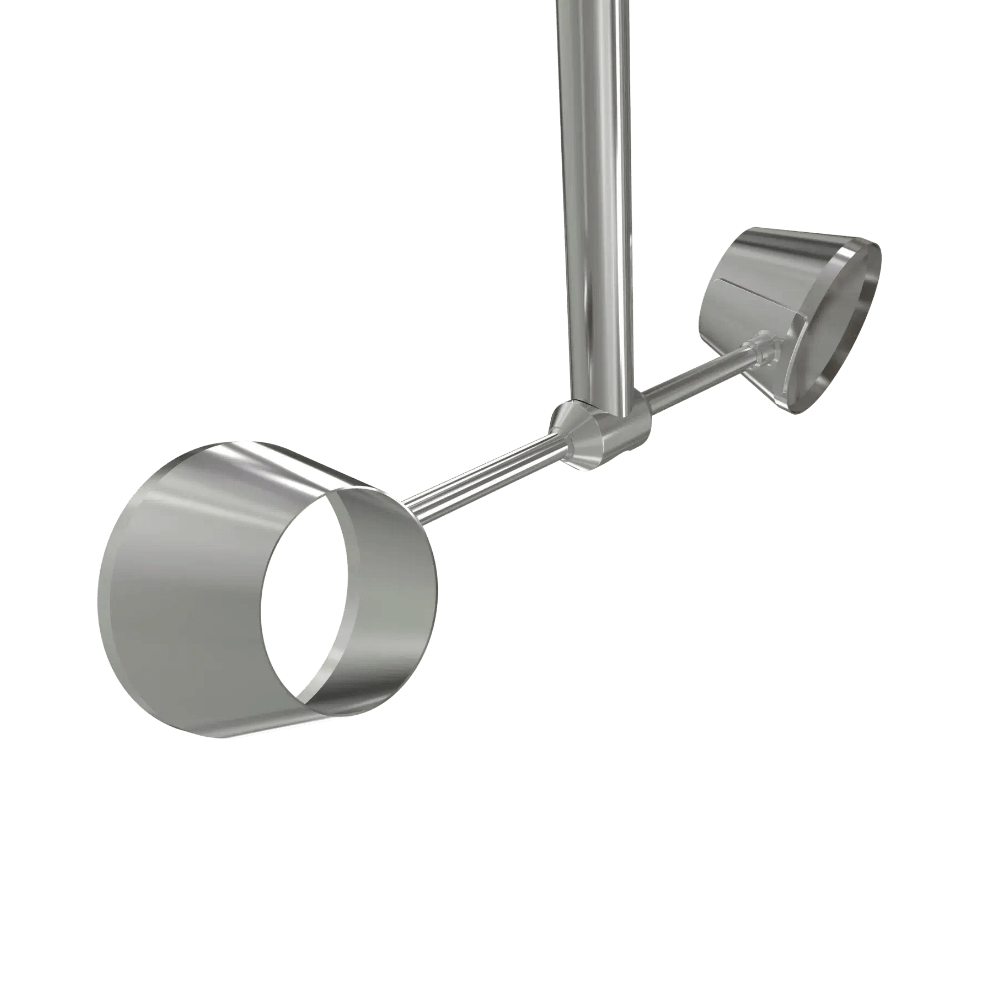
Cup Mixer for Gentle Whey Processing Blending
The Cup Mixer creates a controlled, enclosed flow pattern that is ideal for whey processing where gentle handling is key. It homogenizes whey streams and concentrates without introducing excessive shear or air, protecting delicate emulsions and suspensions in whey tanks and evaporator feeds. A trusted element where product quality depends on minimal mechanical stress.
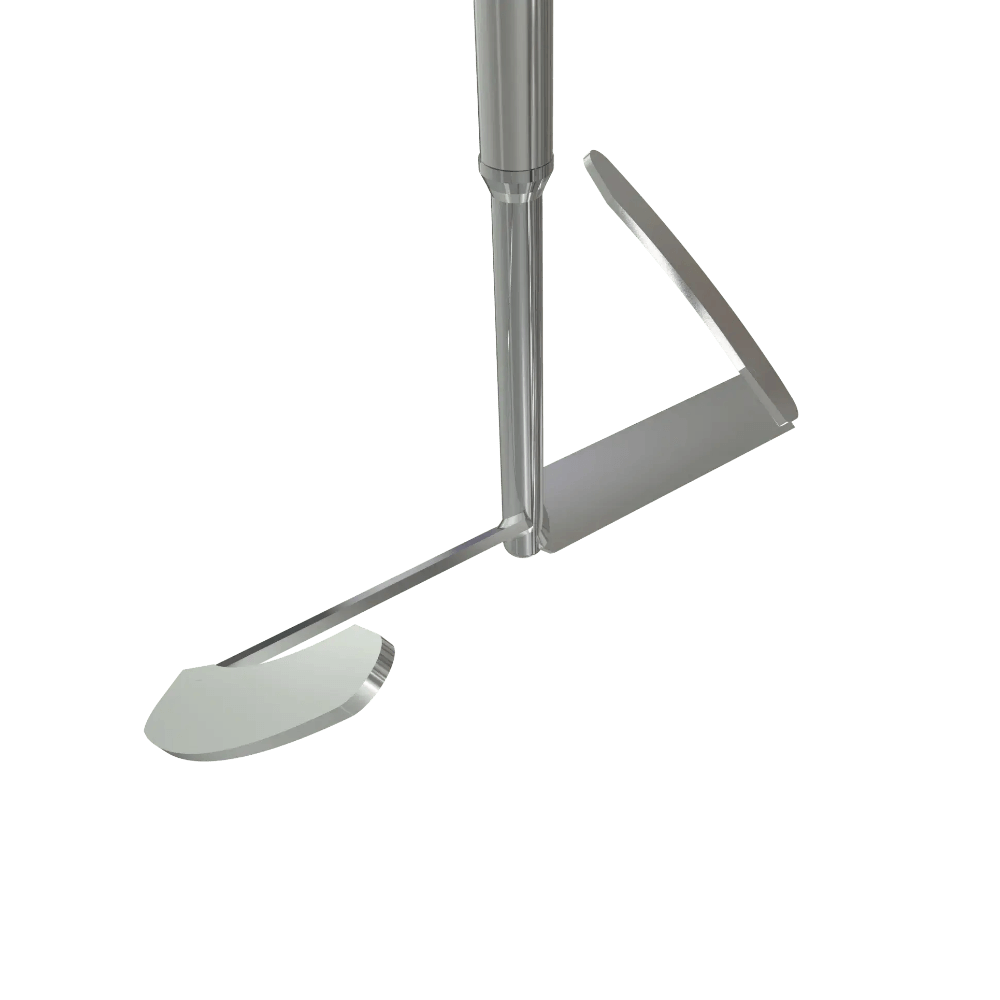
Anchor Mixer for High-Viscosity Whey Processing
The Anchor mixer is designed for whey processing with high viscosity, where whey streams and concentrates tend to build up on the tank walls. Its close-clearance blades sweep the walls of whey tanks and evaporator feeds, promoting heat transfer and preventing local hot spots or fouling. The ideal solution wherever intensive wall-to-wall homogenization is required.
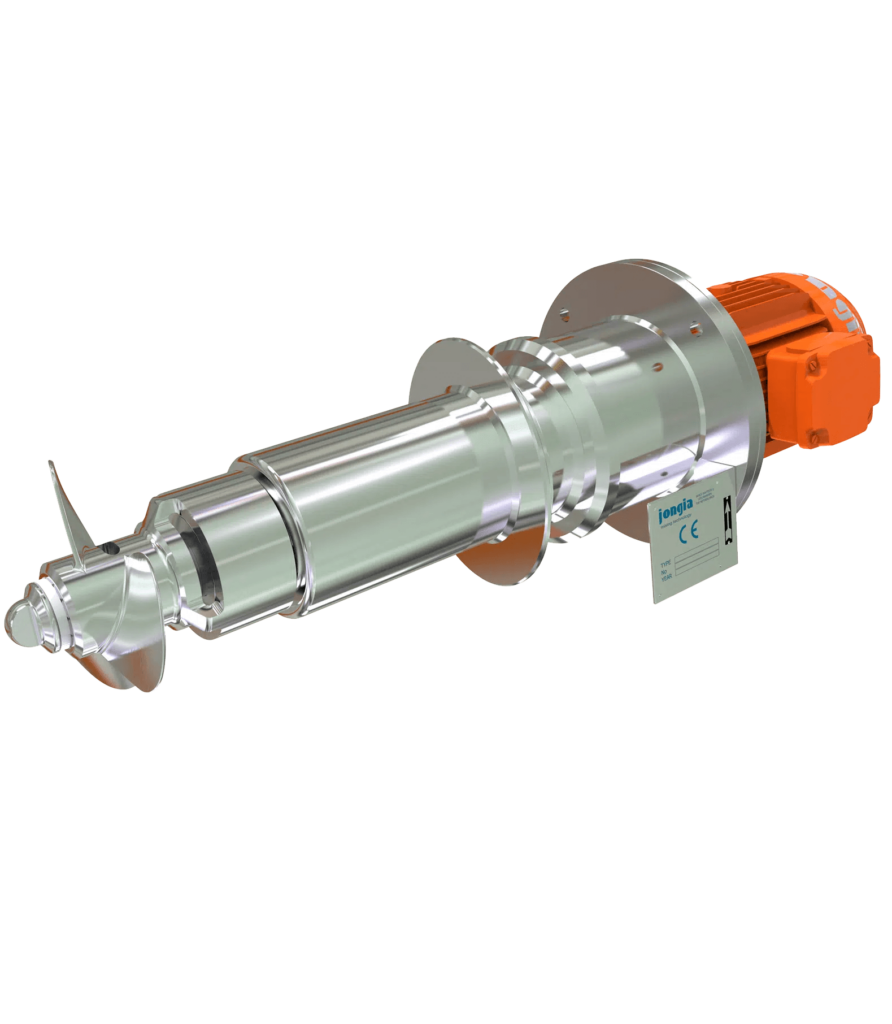
Hermetic Magnetic Mixer for Safe Whey Processing
The Magnetic Mixer delivers a completely sealed mixing process, making it the preferred choice in whey processing where leak-tight operation is essential. By eliminating mechanical seals, it prevents contamination of whey streams and concentrates inside whey tanks and evaporator feeds and keeps the batch fully enclosed. The ultimate solution for hygienic, hazardous, or zero-leakage requirements in whey processing.
The origin of whey
About 9 liters of whey are produced per kilogram of cheese. The huge amount of whey was often a major problem for cheese producers. Decades ago, whey was still considered a waste product, just like the skimmed milk left over from butter production. When whey and skimmed milk turned out to be suitable artificial milk with which to raise animals, this only opened up new opportunities. Companies specialized in the production of veal and powdered milk appeared. Whey (powder) is also used today as a means of producing milk products for piglets, for example.
Frequently Asked Questions
What is whey?
Whey is a by-product of cheese making that contains whey proteins, soluble vitamins, and minerals from milk. It’s usually separated during cheese production and can be used in various products, including protein fortifications and beverages.
What is the role of rennet in cheese production?
Rennet, containing chymosin, is essential for cheese making as it helps in coagulating milk proteins and separating curd from whey. This process is fundamental to obtaining both curd for cheese and whey as a liquid by-product.
How is whey used in the beverage industry?
Whey can be transformed into appealing beverages by adding fruit juice, sugar, flavorings, and cream. This makes whey drinks resemble popular drinks like soda, milk, or yogurt, enabling their use in various drink recipes.
What nutritional benefits does whey offer?
Whey is rich in proteins, vitamins, and minerals found in milk. With approximately half the lactose of cow’s milk, it can serve as a nutritious option for those looking to reduce lactose intake while benefiting from high-quality protein.
Why was whey considered a waste product in the past?
Historically, whey was viewed as waste from cheese production, posing disposal challenges for cheese makers. However, its nutritional properties were later recognized, leading to its utilization in animal feed and other dairy products, thereby creating new markets.
Food & Beverages Contacts

Sales Director
Tom Pruymboom

Area Sales Manager
Teun van der Spek

Application Engineer
Sijko van der Veen
Dairy - Related Articles
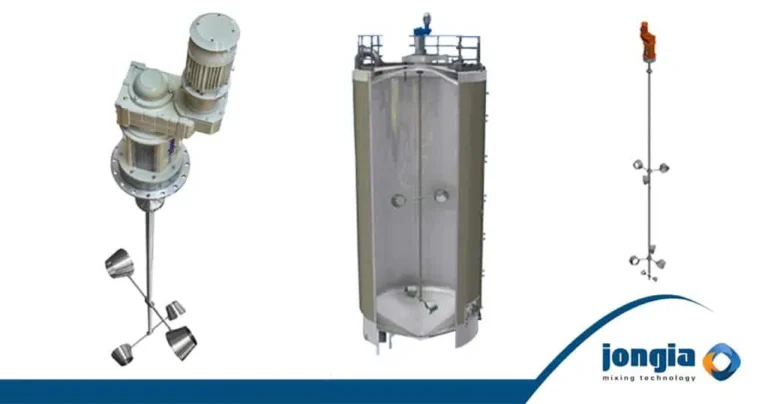
Homogenization and Cooling in Diary Cream Production
Utilizing Jongia’s Cup Mixer Homogenization is a standard procedure employed in dairy cream production to ensure the consistent distribution of
The Jongia UZ-Mixing element: from application to solution
The Jongia U-Z Mixing element, from application to solution Using the UZ-Mixing Element is not the solution for every application.

Foaming and air entrapment common to mixing processes
Jongia Mixing Technology has initiated many mixing processes worldwide with its agitators. In some of these mixing processes, the elimination
Jongia propellers are a valuable addition to the mixing process
Product friendly propellers are an indispensable part of our customers’ mixing process. Especially in the dairy industry, where slightly viscous