


Margarine
Margarine is a food product consisting mainly of vegetable or animal fats. In addition, margarine contains milk products, salt and other ingredients such as flavorings, yellow food pigments, emulsifiers, preservatives, vitamins A and D and butter.
What is margarine used for?
Margarine is used as a functional and inexpensive butter substitute that gives richness and stability to finished baked goods without compromising flavor. It is mainly used in cooking and as a spread for bread. From a nutritional standpoint, margarine is primarily a source of calories.
Types of margarine
Currently, there are several types of margarine produced. Some of these types include: standard, whipped and polyunsaturated margarine is available in both hard and soft forms.
There is also edible margarine, vegan margarine and a 60% vegetable oil margarine. This margarine is produced from various oils, including cottonseed, safflower, soybean, corn, palm oil and sunflower oil.
These custom products are blended with colorings, vitamins, breakage inhibitors, preservatives, additives, unsaturated fatty acids and other ingredients. These ingredients give margarine the nutritional value, taste and texture similar to butter.
Mixing elements for Margarine Production
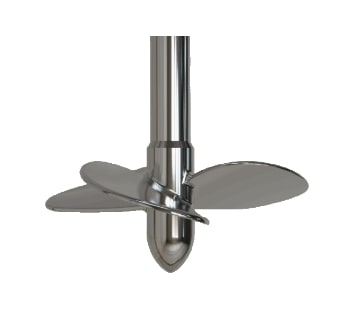
Versatile Propeller Mixer for Margarine Production
The Propeller is a workhorse in margarine production, keeping oils, water, and emulsifiers in uniform suspension inside emulsion and crystallization tanks. Its axial flow prevents settling and ensures consistent distribution of every component throughout the batch. Energy-efficient and reliable, it adapts to the viscosity changes typical of margarine production without loss of performance.
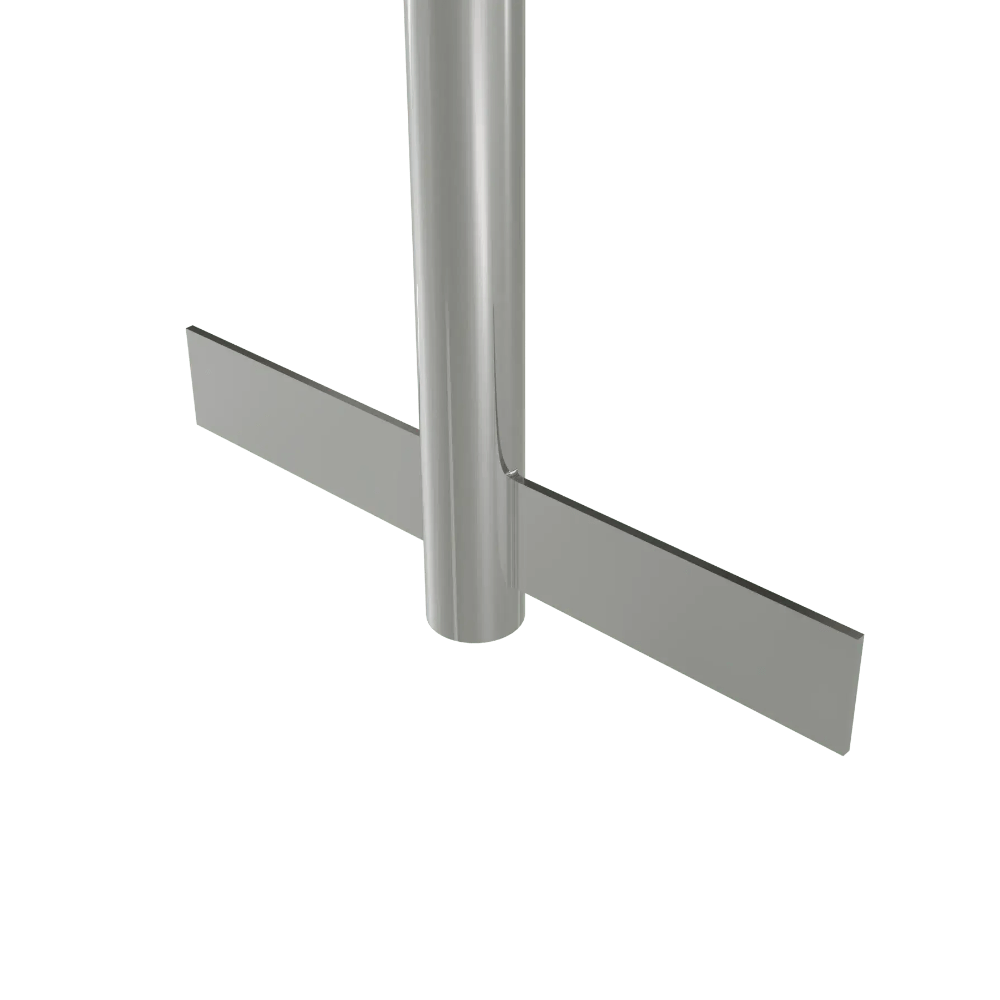
Robust Flatblade Turbine for Margarine Production
The Flatblade turbine generates strong radial flow and turbulence, tackling stable water-in-oil emulsion and controlled crystallization head-on in margarine production. It breaks up agglomerates, disperses additives, and homogenizes oils, water, and emulsifiers even when viscosity fluctuates. Its rugged construction handles the mechanical demands of industrial margarine production with proven reliability.
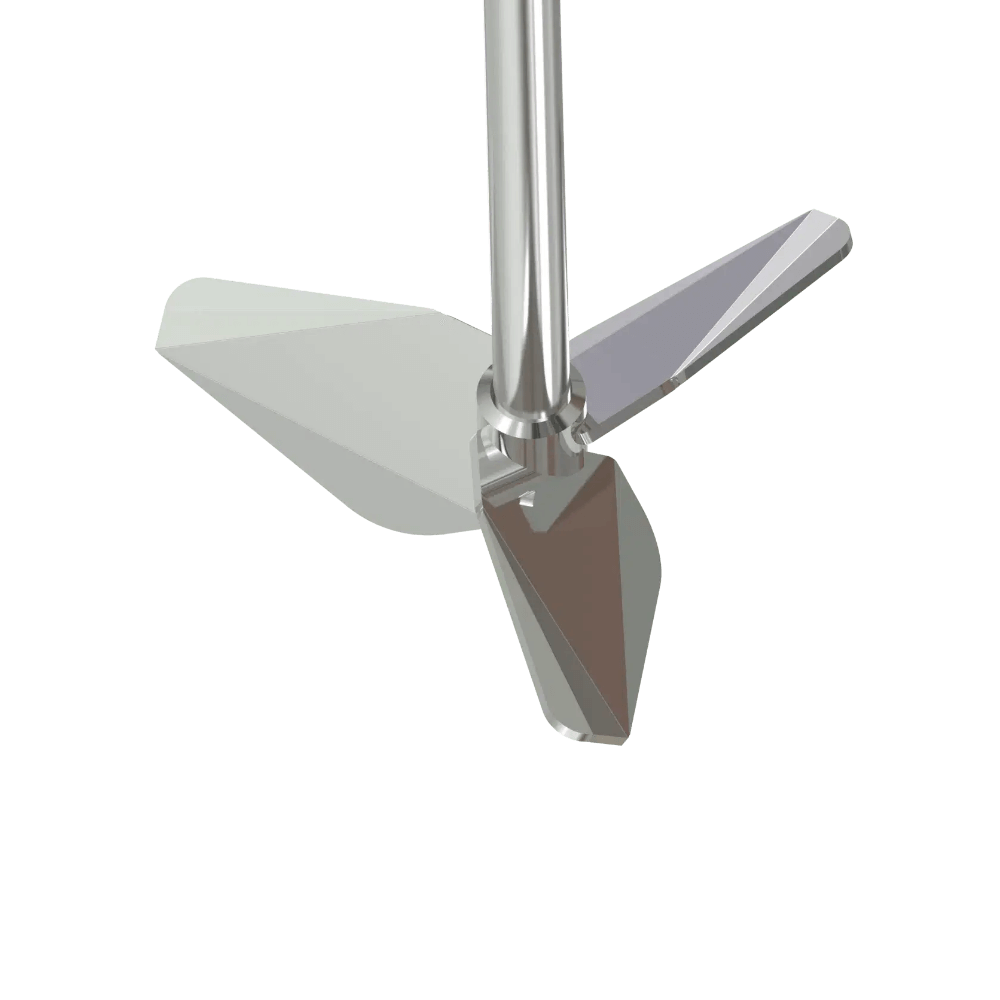
High-Flow Hydrofoil for Margarine Production
The Hydrofoil generates high-volume axial flow, making it a powerful solution for large emulsion and crystallization tanks in margarine production. It prevents thermal stratification and keeps oils, water, and emulsifiers in steady motion with minimal turbulence. The optimized blade profile turns drive power into fluid motion efficiently, supporting consistent homogenization at industrial scale.
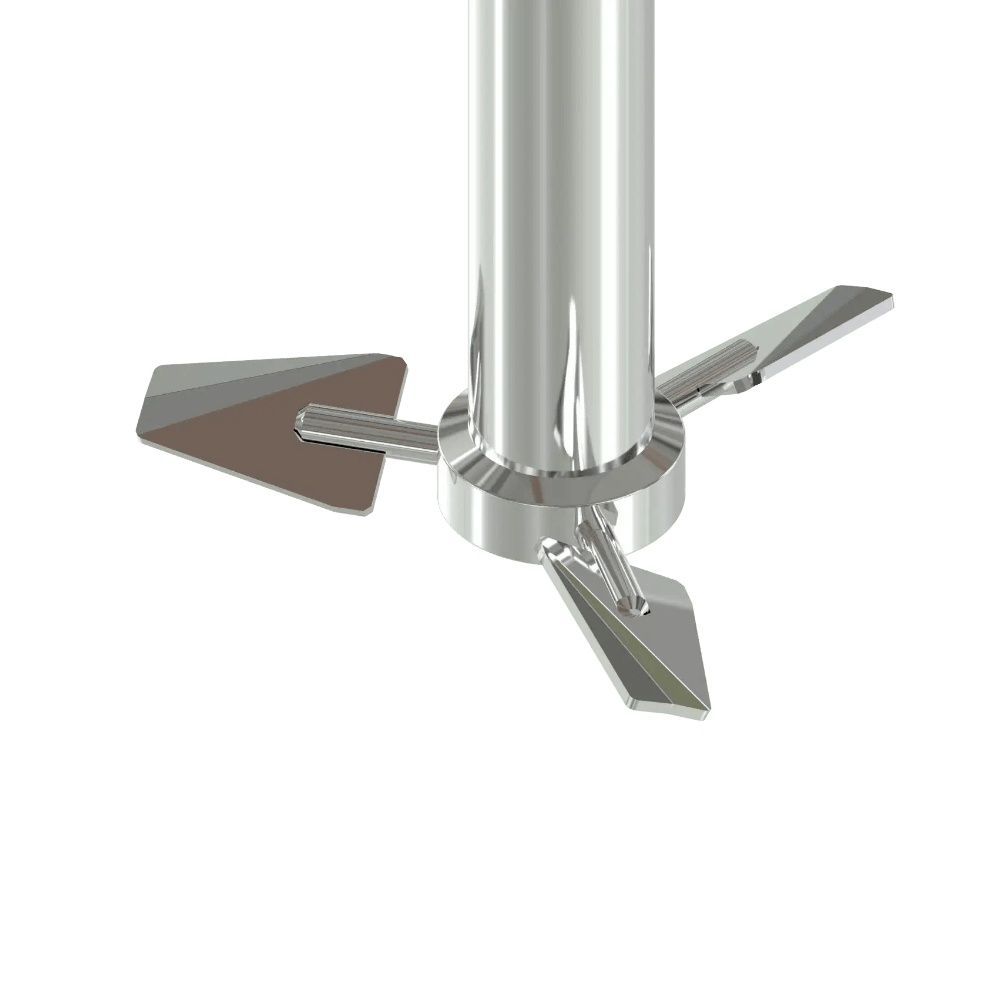
Reinforced Hydrofoil Pin for Demanding Margarine Production
The Hydrofoil Pin combines proven hydrofoil performance with reinforced pins for tougher substrates encountered in margarine production. Its structural design handles high-viscosity and high-solids zones where standard impellers might struggle, particularly when stable water-in-oil emulsion and controlled crystallization becomes critical. It delivers reliable mixing where oils, water, and emulsifiers are demanding to handle.
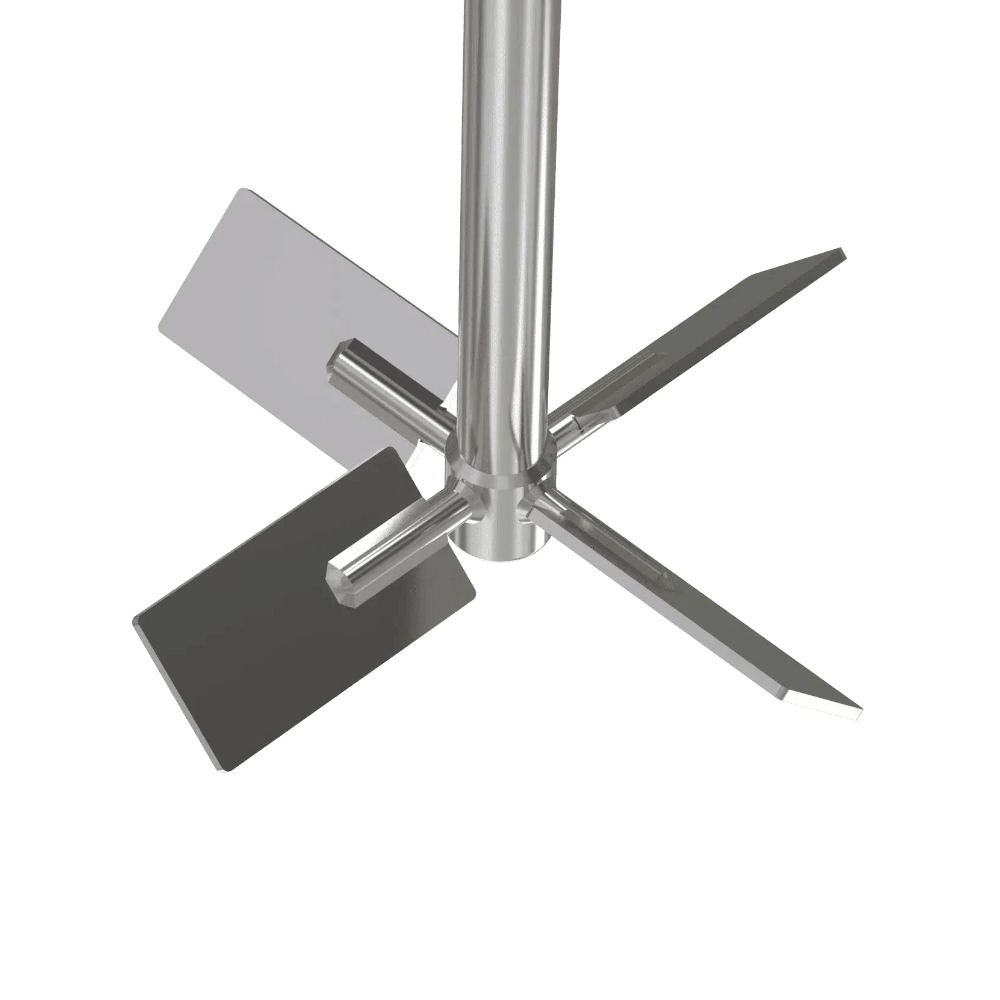
Reliable Axial Flow Turbine for Margarine Production
The Axial Flow Turbine is a dependable all-rounder for margarine production, ensuring even distribution of heat and additives throughout emulsion and crystallization tanks. It prevents stagnant zones and keeps oils, water, and emulsifiers in consistent motion across the vessel. Its cost-effective, robust design makes it a go-to choice for stable, continuous operation in margarine production.
Heavy-Duty Welded Turbine for Margarine Production
Built for maximum durability in continuous margarine production, this welded turbine eliminates bolted connections for superior mechanical integrity. Its smooth profile resists buildup of oils, water, and emulsifiers and simplifies cleaning and maintenance in emulsion and crystallization tanks. It is the preferred choice for industrial-scale margarine production that demand long service intervals and high reliability.
Axial Flow Turbine Pin for Challenging Margarine Production
Adapted for margarine production involving fibrous materials or high solids content, this turbine uses reinforced pins to cut through stable water-in-oil emulsion and controlled crystallization. It maintains an effective mixing zone even when the composition of oils, water, and emulsifiers varies from batch to batch. An essential element for facilities handling inconsistent or demanding substrates in margarine production.
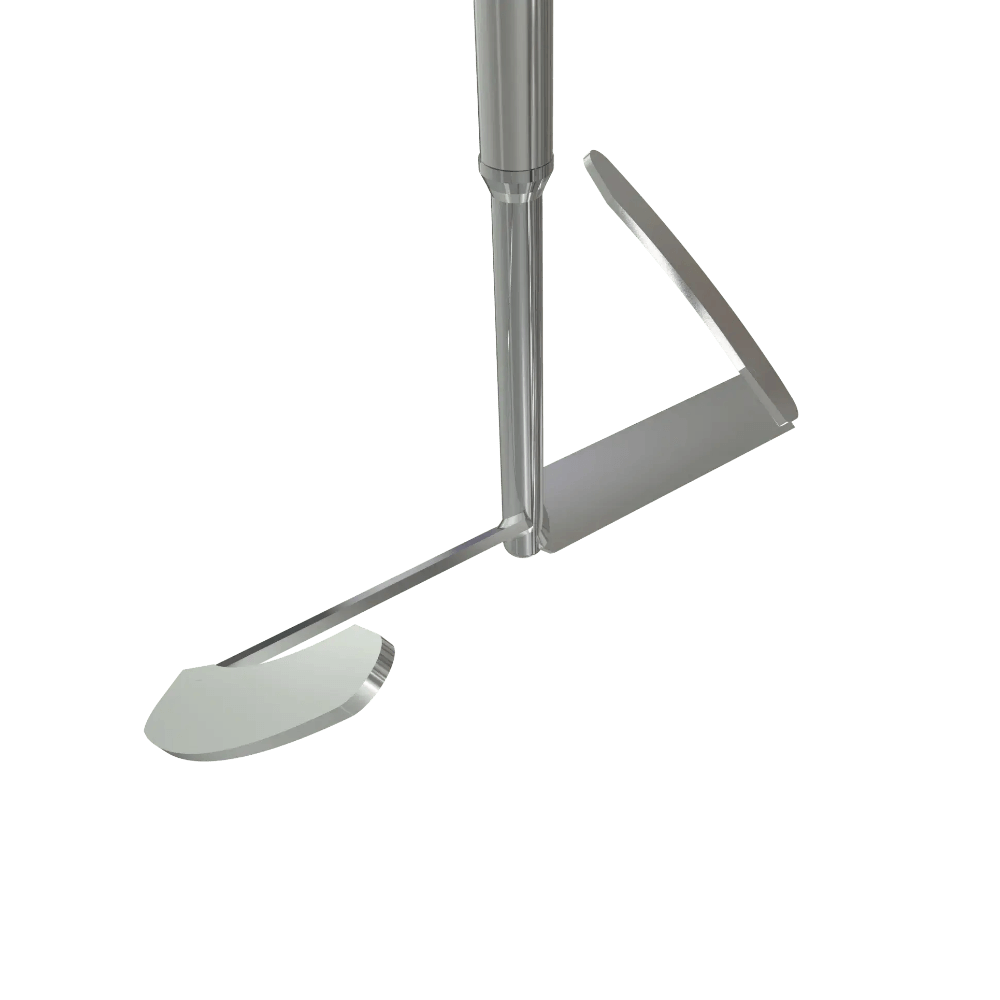
Anchor Mixer for High-Viscosity Margarine Production
The Anchor mixer is designed for margarine production with high viscosity, where oils, water, and emulsifiers tend to build up on the tank walls. Its close-clearance blades sweep the walls of emulsion and crystallization tanks, promoting heat transfer and preventing local hot spots or fouling. The ideal solution wherever intensive wall-to-wall homogenization is required.
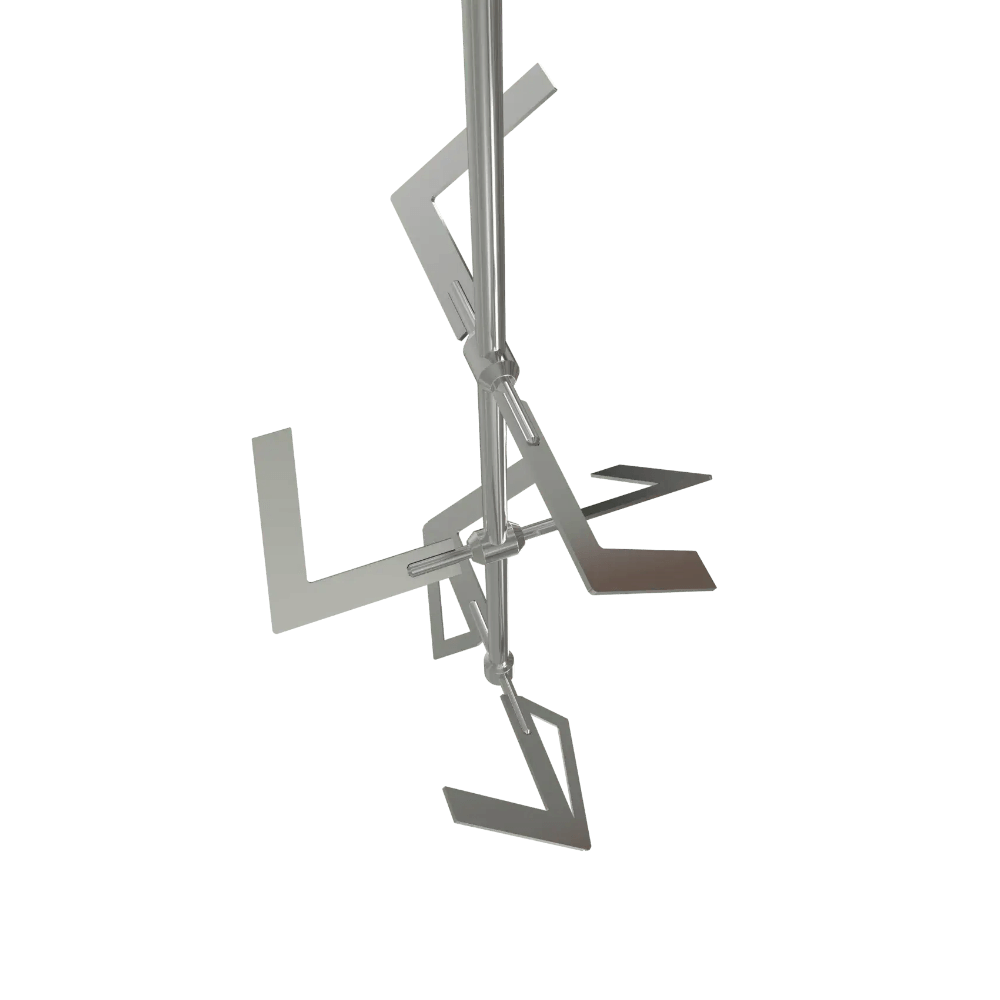
U-Z Turbine for Thorough Margarine Production Mixing
The U-Z Turbine combines strong axial flow with a geometry tailored to the demands of margarine production. It ensures complete homogenization of oils, water, and emulsifiers in emulsion and crystallization tanks while keeping shear forces controlled. A versatile solution for processors who need consistent blending across varying batch sizes and viscosities.
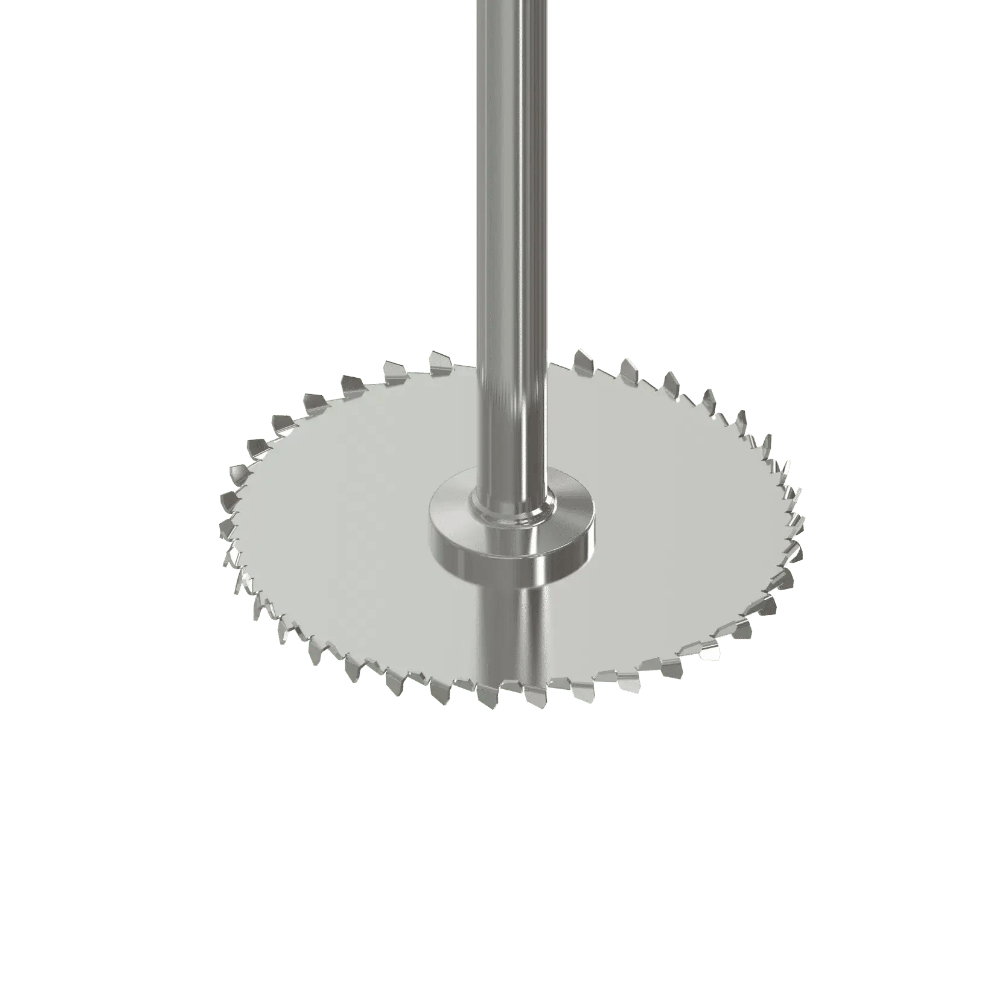
High-Shear Sawblade for Margarine Production
The Sawblade disperser generates the extreme shear forces required to break down agglomerates and solid additives in margarine production. It produces a fine, homogeneous dispersion of oils, water, and emulsifiers inside emulsion and crystallization tanks, a step that is vital for consistent product quality. Essential where fine particle distribution makes the difference between good and exceptional margarine production.
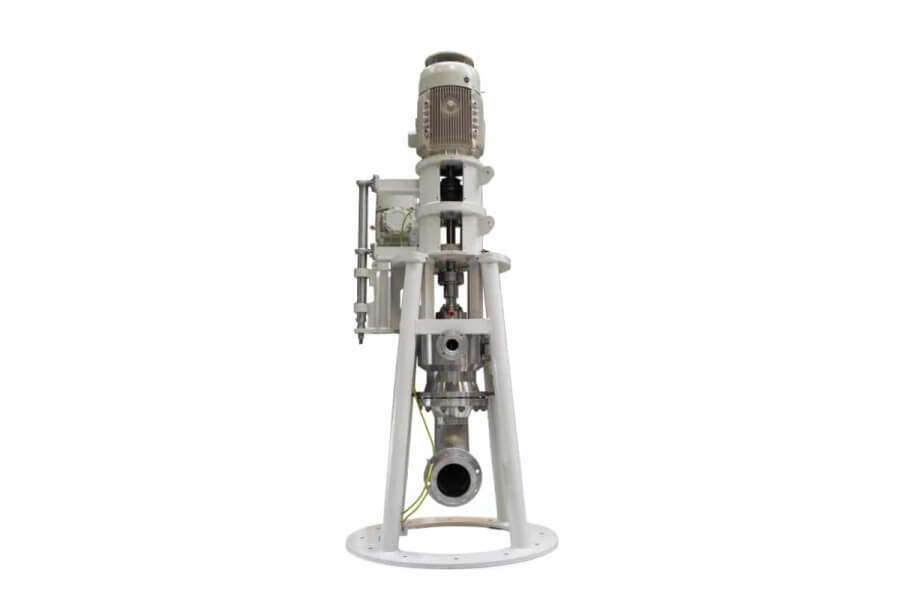
In-line Mixer for Continuous Margarine Production
The In-line Mixer blends product as it flows through the pipeline, ideal for continuous stages of margarine production. It delivers fast, reproducible homogenization of oils, water, and emulsifiers without the need for an additional batch vessel. A compact solution that saves floor space while maintaining consistent quality in high-throughput margarine production.
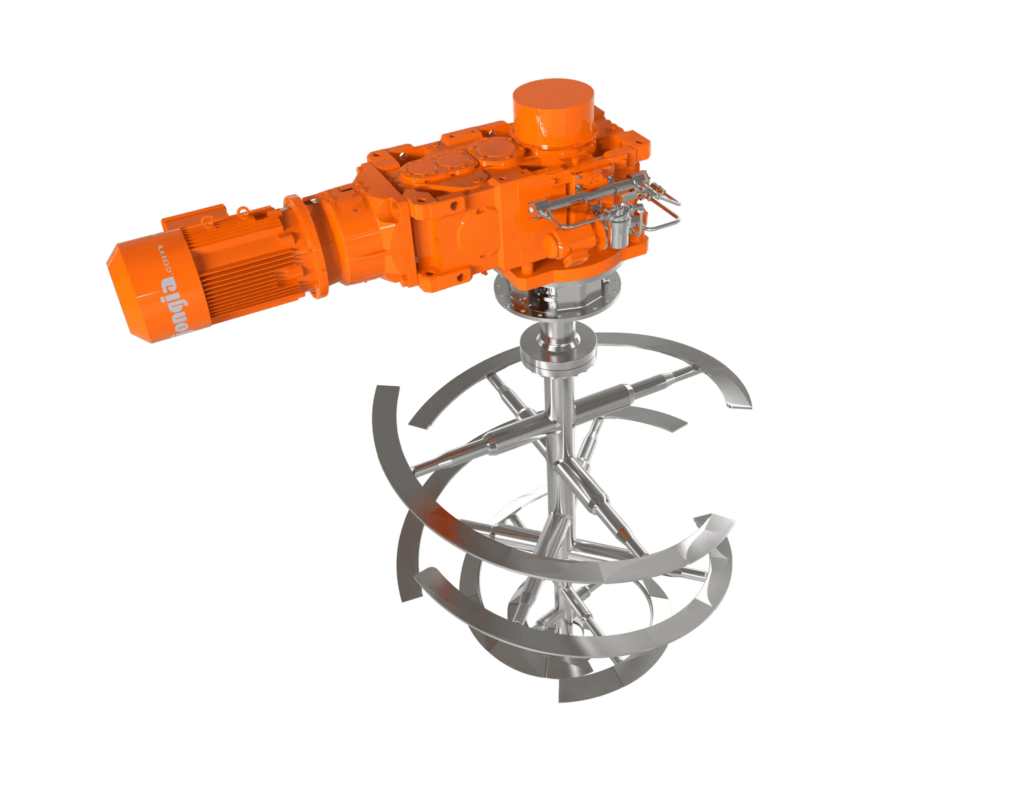
Conical Helix Mixer for High-Viscosity Margarine Production
The Conical Helix Mixer is engineered for the most demanding high-viscosity stages of margarine production. Its helical geometry lifts oils, water, and emulsifiers from the bottom of emulsion and crystallization tanks to the top, ensuring full batch circulation even when stable water-in-oil emulsion and controlled crystallization becomes severe. An ideal solution for thick, sticky products that resist conventional impellers.
Market development of margarine
Global production of margarine reached a global value of 3.3 billion euros in 2021. IMARC Group expects the market to reach about $4.1 billion by 2027. Despite the growth, margarine is a much smaller market than butter. In 2021, for example, total butter production accounted for a market of 49.07 billion euros.
Growing consumer concern about the negative health effects of saturated fats has led to an increasing shift from butter to margarine. Also, the high prevalence of lactose intolerance disorders coupled with growing awareness about the dairy-free content of margarine is further boosting the demand for the product.
In addition, the increasing adoption of vegan trends and changing dietary habits of consumers are driving an increase in the use of margarine. This is because margarine is a plant-based product and often has an organic label.
In addition, the growing bakery industry is promoting the use of margarine in the preparation of pastries, doughnuts, cookies, etc. Several small-scale and artisan bakeries are switching from butter to margarine as an essential ingredient to add volume and texture. Often, margarine is also added to enhance the flavor of baked products.
Growing consumer awareness of clean and sustainable products has led to the emergence of non-GMO, allergen-free margarine of natural origin. Several manufacturers are introducing organic margarine consisting of healthier vegetable oils such as sustainable palm oil, olive oil, corn oil, etc. This is expected to further boost the global margarine market over the forecast period.
Frequently Asked Questions
What is margarine composed of?
Margarine is primarily made of vegetable or animal fats, along with milk products, salt, and various additives like flavorings, emulsifiers, and preservatives. It also contains vitamins A and D, giving it a nutritional profile that can be similar to butter.
What are the main uses of margarine?
Margarine serves as a versatile butter substitute, enhancing the richness and stability of baked goods. It is commonly used for cooking and spreading on bread, providing a calorie source without affecting the overall flavor of dishes.
What types of margarine are available?
There are various types of margarine including standard, whipped, and polyunsaturated. They can be found in both hard and soft forms, with options like vegan margarine and those containing a significant percentage of vegetable oil for diverse dietary preferences.
How is the margarine market projected to grow?
The global margarine market is expected to grow to about $4.1 billion by 2027, despite being smaller than the butter market. This growth is driven by consumer shifts towards margarine due to health concerns about saturated fats and increasing vegan trends.
What are the emerging trends in margarine production?
Current trends in margarine production include the rise of non-GMO and organic options made from healthier vegetable oils. Manufacturers are focusing on allergen-free and sustainably sourced products, meeting consumer demand for clean and natural ingredients in their diets.
Food & Beverages Contacts

Sales Director
Tom Pruymboom

Area Sales Manager
Teun van der Spek

Application Engineer
Sijko van der Veen
Food & Beverages - Related Articles
Fermentation & Bioreactor Mixing Process
Bioreactors and Fermenters are culture systems to produce cells or organisms. They are used in various applications, including basic research and development, and the manufacturing of biopharmaceuticals, food and food additives, chemicals, and other products. A broad range of cell types and organisms can be cultivated in bioreactors and Fermenters, including cells (like mammalian cell lines, insect cells, and stem cells), microorganisms (like bacteria, yeasts, and fungi), as well as plant cells and algae. The words “Bioreactor” and “Fermenter” are basically the same thing.
How to avoid foaming in your mixing process?
Through years of experience, Jongia Mixing Technology knows the correct application to many mixing processes. So too with mixing processes
Tutorial: starch gelatinization – from raw starch to glucose syrup
Around the world, Jongia Mixing Technology has initiated numerous mixing processes using its agitators to produce modifications from raw starch
Starch gelatinization: corn starch as base for marshmallows
Jongia Mixing Technology is active within various fields with a great number of process solutions. One of these fields is